If you have any questions, please feel free to contact us.| Email Us: info@dcheatpress.com


Views: 222 Author: Amanda Publish Time: 2026-01-13 Origin: Site


Content Menu
● Understanding Sublimation Printing
● Why Sublimation Is Growing in 2025–2026
● How Sublimation Printing Works: Step-by-Step
>> Printing to Sublimation Paper
>> Positioning and Securing the Transfer
● Essential Equipment and Materials
>> Consumables and Accessories
● Sublimation Blanks: Compatible and Incompatible Surfaces
● Advantages and Limitations of Sublimation
>> Key Benefits
● Sublimation vs Other Printing Methods
● Advanced Color Management and Print Consistency
● Press Settings, Common Problems, and Quick Fixes
>> Frequent Issues and Solutions
● Market Trends and Business Opportunities (2025–2026)
● Eco-Friendly and Sustainable Sublimation Practices
● Pricing Strategies for Profitable Sublimation Products
● Beginner Setup Checklist for Sublimation
>> Q1. Can sublimation be used on cotton garments?
>> Q2. Do sublimation prints fade after repeated washing?
>> Q3. What temperature and time work best for sublimation on mugs?
>> Q4. Is a standard inkjet printer suitable for sublimation?
>> Q5. How should a heat press be chosen for sublimation work?
Sublimation printing is a highly durable and versatile way to create full-color custom products such as mugs, plaques, photo panels, and polyester apparel. When combined with the right printer, heat press, and blanks, it supports fast, on-demand production for both small studios and growing online brands.[1][2][3]
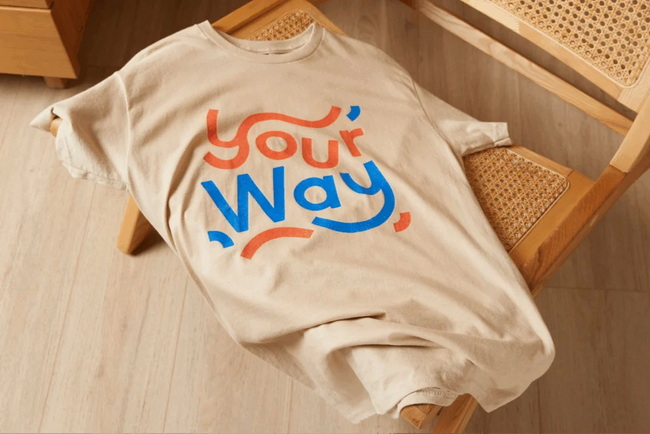
Sublimation printing uses special dye-based inks that turn directly from a solid into a gas when exposed to heat and pressure. These gaseous dyes penetrate polyester fibers or polymer-coated surfaces and then solidify again, becoming part of the material rather than sitting on top of it.[2][1]
Because the dye bonds inside the substrate, the final print is:
- Long-lasting and highly resistant to cracking or peeling.[3][2]
- Smooth and soft on fabric, with no noticeable ink layer.[1][2]
- Capable of photo-quality detail and vibrant gradients on compatible blanks.[3][1]
In recent years, sublimation has expanded from niche craft studios into mainstream apparel, décor, and promotional printing. Shorter production cycles and on-demand ordering are pushing more brands toward flexible digital methods that can handle small batches and personalization.[4][5][3]
Key growth drivers include:
- Rising demand for personalized gifts, sportswear, and home décor products.[4][1]
- Increased availability of faster printers, better inks, and more varied blanks.[6][2]
- A shift toward eco-conscious processes with lower waste and durable prints.[5][4]
A clear workflow makes sublimation easier to control and scale. The process can be broken into five main stages from design to quality check.[7][2][1]
- Create or import artwork at 300 dpi or higher for sharp results.[7][2]
- Use RGB or CMYK settings according to your printer's color management recommendations.[2]
- Mirror the design in your software before printing, because the transfer is placed face down onto the blank.[7][2]
- Use a dedicated sublimation printer and compatible dye-sublimation inks.[1][2]
- Print on coated sublimation transfer paper that can hold and release the ink efficiently.[7][1]
- Allow the print to dry completely to reduce smudging or ghosting during pressing.[7]
- Place the printed transfer face down on the sublimation blank.[2][7]
- Use heat-resistant tape or spray adhesive to prevent any shifting when the press closes.[2][7]
- Add protective paper above and below the blank to catch excess ink and protect your press platens.[8][7]
- Typical temperatures range from about 385–400°F (196–204°C), depending on the substrate and coating.[8][2]
- Press times are commonly between 30–90 seconds; follow the blank supplier's specific instructions.[9][7]
- Medium to medium-light pressure is often enough, as too much pressure can blur details or distort substrates.[8][2]
- Carefully remove the transfer while the product is still hot, avoiding lateral movement that causes ghosting.[10][7]
- Let the substrate cool on a flat, heat-safe surface to maintain shape.[7]
- Inspect for banding, color issues, or misalignment and note any adjustments needed for future jobs.[9][8]
A reliable sublimation setup combines hardware, consumables, and accessories that work together consistently. Investing in the right components early helps minimize reprints and maintenance costs.[11][1][8][2]
- Dedicated sublimation printer using CMYK dye-sublimation ink sets.[12][2]
- Flat heat press for garments, panels, and fabric items, with optional mug or specialty presses.[3][1]
- Computer with design software that supports high-resolution graphics and color control.[13][2]
- Sublimation ink matched to your printer and supported by reliable ICC profiles.[6][2]
- Sublimation transfer paper optimized for your common substrates and press settings.[1][7]
- Heat-resistant tape or spray adhesive, plus parchment or protective paper.[8][7]
Suggested visual: Insert a labeled workstation illustration here showing printer, press, transfer paper, blanks, and accessories for quick visual orientation.
Sublimation works only on specific materials that can accept gaseous dye. These are typically polyester-rich fabrics or hard goods that have been pre-coated with a special polymer layer.[3][1][2]
Common compatible blanks include:
- Polyester T-shirts, jerseys, performance wear, and soft sports accessories.[5][2]
- Polymer-coated ceramic mugs, tumblers, water bottles, and drinkware.[1][3]
- Coated metal, glass, MDF, and hardboard panels for photos, signage, and plaques.[13][3]
- Mouse pads, gaming pads, keychains, ornaments, and phone cases designed for sublimation.[3][1]
Typical non-compatible items without special treatment include:
- 100% cotton garments that lack any polyester layer or coating.[13][2]
- Uncoated ceramics, glass, wood, and metals.[9][3]
Suggested visual: Add a simple comparison chart image near this section showing “Works with Sublimation” vs “Does Not Work Without Coating”.
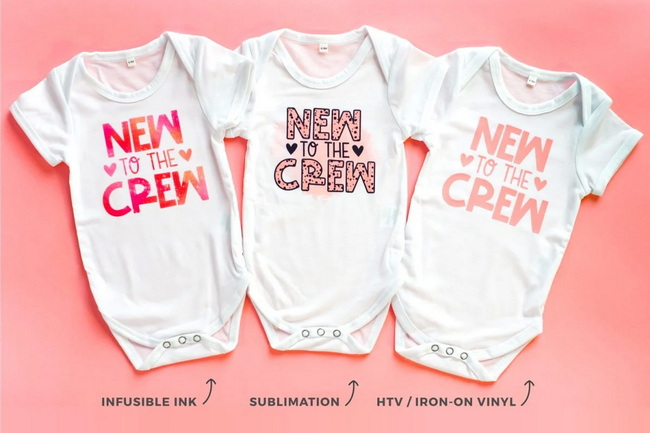
Every decoration method has strengths and trade-offs, and understanding them helps match the process to the right products and customers. Sublimation stands out for full-color, small runs, and personalization but is restricted by material compatibility.[2][1][3]
- Extremely durable prints that resist washing, abrasion, and cracking on compatible substrates.[2][3]
- Soft hand feel on textiles because the ink is inside the fibers instead of on the surface.[1][2]
- Efficient production of one-off items and short runs with no screen or plate setup.[3][1]
- Works best only on white or very light backgrounds, because the process does not print white ink.[1][3]
- Requires polyester or polymer-coated surfaces, which limits some premium natural materials.[13][2]
- Dark cotton apparel and textured natural substrates often require alternative methods or hybrid solutions.[5][1]
The following table shows how sublimation compares with screen printing and heat-transfer vinyl (HTV) across several key aspects.[3][1]
Aspect | Sublimation Printing | Screen Printing | Heat-Transfer Vinyl |
Durability | Ink infused into fibers; very long-lasting on correct substrates. | Durable on cotton but may crack over time on heavy use. | Good durability but can peel or crack, especially on high-stretch fabrics. |
Feel on Fabric | Very soft, no raised texture. | Varies with ink deposit; can feel heavier on large solid areas. | Noticeable vinyl layer with a slightly plastic feel. |
Color Capabilities | Photo-quality gradients and full color prints. | Excellent solid colors; less suited for complex photo work. | Limited by available vinyl colors and layering complexity. |
Setup Cost | Moderate; requires dedicated printer and press. | Higher setup for small runs due to screens and prep. | Lower equipment cost; cutter and press are sufficient. |
Best Use Cases | Short runs, personalization, polyester products, décor. | Large orders of simple designs on cotton garments. | Names, numbers, and simple logos on mixed fabrics. |
As production scales, consistent color becomes a central quality requirement, especially for brand clients. Good color management reduces reprints and makes repeat orders more predictable.[11][6][3]
Practical steps include:
- Using printer or ink manufacturer ICC profiles and print managers designed for specific papers and substrates.[11][2]
- Keeping monitor calibration and printer settings stable across jobs and operators.[6][11]
- Running regular nozzle checks and maintenance to prevent banding and color shifts.[10][8]
Suggested visual: Place a small chart or screenshot-style graphic here showing example color swatches printed under different profiles to highlight the impact of correct settings.
Optimizing press settings is one of the most effective ways to improve sublimation results quickly. Many common issues trace back to time, temperature, pressure, or moisture.[10][9][8]
- Temperature: Around 385–400°F (196–204°C) for many ceramic, metal, and fabric blanks.[3][2]
- Time: Typically 30–90 seconds, adjusted based on substrate thickness and coating.[9][7]
- Pressure: Medium to medium-light; excessive pressure can distort products or blur fine details.[8][2]
- Dull or faded colors: Check that the correct side of the paper is used, ensure full-time and temperature, and verify ink freshness.[10][9]
- Ghosting or double images: Usually caused by transfer shifting; add more tape, pre-press to remove moisture, and avoid lifting the press too quickly.[9][10]
- Banding: Often linked to clogged nozzles or incorrect print quality; run nozzle checks and head cleanings, then test print again.[10][8]
Suggested visual: A troubleshooting flowchart image that maps “Symptom → Likely Cause → Corrective Action” for quick reference during production.
Current trends show sublimation moving strongly into décor, sportswear, and specialty promotional products. This expansion is driven by demand for short runs, customization, and visually rich prints with strong durability.[14][4][5]
Promising opportunities include:
- Personalized home décor items such as cushions, curtains, and fabric wall art made from polyester textiles.[14][4]
- On-demand sports and athleisure apparel featuring full-coverage, all-over prints.[5][2]
- Custom promotional goods for events, corporate branding, and influencer merchandise.[3][1]
Sustainability is becoming a core purchasing criterion for both brands and end consumers. Sublimation is already relatively low-waste compared with some analog methods, and new developments are improving its environmental profile further.[14][4][6]
Recommended sustainable practices:
- Select low-VOC or water-based sublimation inks where available to reduce emissions.[4][6]
- Use energy-efficient heat presses with smart standby modes that cut idle power consumption.[4][5]
- Choose recyclable transfer papers and explore recycled or responsibly sourced polyester blanks.[14][6]
Profitable pricing balances material costs, labor time, overhead, and perceived value in the target niche. Clear cost structures are especially important when offering highly customized or one-off products.[13][3][1]
Simple pricing steps:
1. Determine direct costs per item, including blank, ink, paper, packaging, and protective materials.[13][3]
2. Add labor time for design, printing, pressing, and finishing, using a consistent hourly rate.[13][1]
3. Allocate a portion of equipment and facility overhead, then apply a margin aligned with the brand's positioning.[3][1]
Bundles, limited-edition designs, and niche collections can support higher perceived value and better margins than single low-priced items.[4][1]
A structured checklist makes it easier to launch a first sublimation workspace or upgrade an existing studio. Starting with a focused product range helps streamline processes and reduce early waste.[7][13][2][3]
Suggested checklist:
- Dedicated sublimation printer with compatible CMYK dye-sublimation inks.[12][2]
- Flat heat press suited to main products, plus mug or specialty presses if needed.[3][1]
- Sublimation transfer paper and a starter assortment of blanks in a chosen niche.[7][3]
- Heat-resistant tape, protective paper, and a heat-safe workspace with good ventilation.[8][7]
Sublimation printing combines vivid color, strong durability, and flexible production, making it a powerful choice for personalization-focused businesses. With the right equipment, materials, press settings, and pricing strategy, it can support scalable product lines across apparel, décor, and promotional markets.[4][2][3][1]
To move from theory to results, define one or two core product categories, document optimal settings for each blank, and systemize your workflow from design to shipping. Then expand into new products and sustainable materials as demand grows, building a reliable portfolio of sublimated items that deliver consistent quality and long-term customer value.[5][10][4][7]
Sublimation ink bonds with polyester fibers or polymer coatings, so it does not permanently attach to 100% cotton on its own. For cotton garments, many decorators use hybrid methods, such as applying a polyester-coated transfer layer that can receive sublimation dye.[13][2][3]
On suitable polyester fabrics and properly coated hard goods, sublimation prints are highly resistant to fading from normal washing and handling. Excessive exposure to strong UV light or harsh detergents can still affect color over time, so following care instructions helps maintain vibrancy.[4][2][3]
Many sublimation-coated ceramic mugs press successfully around 385–400°F for approximately 45–60 seconds, depending on the press and coating. Because coatings vary, checking the blank manufacturer's recommended time and temperature is the safest way to avoid under- or over-pressing.[9][8][7][3]
Standard inkjet or laser printers use inks and toners that do not turn into gas under heat, so they cannot perform true sublimation. A dedicated dye-sublimation printer, or a properly supported conversion with compatible inks, is required for reliable and durable sublimation transfers.[12][2][3][1]
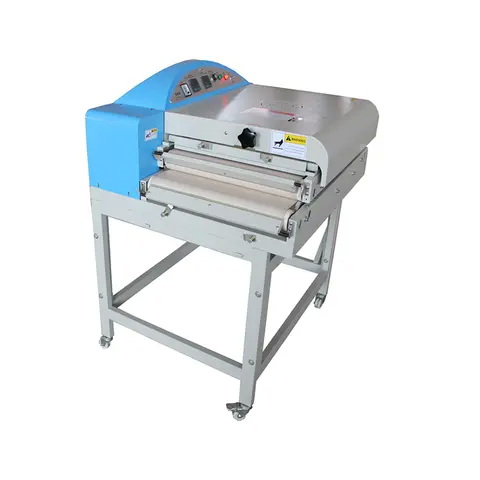
Important selection factors include even temperature distribution across the platen, stable digital controls, and adequate platen size for planned products. Adjustable pressure, a sturdy frame, and, where appropriate, interchangeable attachments or platens support more consistent results and future product expansion.[15][11][3]
[1](https://www.shopify.com/il/blog/sublimation-printing)
[2](https://www.xtool.com/blogs/xtool-academy/sublimation-printing)
[3](https://www.vispronet.com/blog/sublimation-printing/)
[4](https://www.brohder.com/blog/why-eco-friendly-and-large-format-sublimation-printing-will-dominate-in-2025/)
[5](https://prestigeleisure.com/prestige-press/2025-garment-decoration-trends/)
[6](https://www.disenprinter.com/blog/trends-in-dye-sublimation-2025/)
[7](https://makerspace.uflib.ufl.edu/wordpress/files/2025/09/Sublimation-Print-Guide.pdf)
[8](https://creativedye.com/7-sublimation-printer-troubleshooting-tips/)
[9](https://www.thecountrychiccottage.net/sublimation-printing-problems/)
[10](https://makerflo.com/blogs/craft-library/common-sublimation-printing-problems-and-how-to-fix-them%3Fsrsltid=AfmBOooRRPMXV4YUvm3BvrRDhDAC6ITeJLupqwk1h4Hdm6FOoYmKdbIn)
[11](https://www.heatpressnation.com/blogs/blog/sublimation-printer-buyer-s-guide-2025-what-to-know-before-you-buy)
[12](https://www.youtube.com/watch?v=7Kbt7yHcnPc)
[13](https://logodepotweb.com/what-is-sublimation-ultimate-guide-2025/)
[14](https://sublishop.co.uk/blogs/guides/sublimation-trends-and-innovations-a-new-era-for-customisation)
[15](https://www.freesub.com/a-the-ultimate-guide-to-finding-the-best-heat-press-machine-for-sublimation.html)
[16](https://www.youtube.com/watch%3Fv=mFiM1C3ng1g)


