If you have any questions, please feel free to contact us.| Email Us: info@dcheatpress.com


Views: 222 Author: Amanda Publish Time: 2026-01-13 Origin: Site


Content Menu
● What Are Sublimation Blanks?
● How Sublimation Printing Interacts With Blanks
● Main Categories of Sublimation Blanks
>> Home Décor and Photo Blanks
>> Promotional and Office Blanks
>> Seasonal and Specialty Blanks
● Comparison of Popular Sublimation Blanks
● How to Choose Sublimation Blanks Strategically
● Workflow for Printing on Sublimation Blanks
>> Step 1: Prepare the Design and Print
>> Step 3: Align, Secure, and Press
>> Step 4: Cool, Inspect, and Package
● Frequent Issues With Sublimation Blanks and Solutions
● Trends and High‑Value Sublimation Blanks
● Expert Tips for Consistent, Professional Results
● Upgrade Your Sublimation Blank Lineup Now
● FAQs About Sublimation Blanks
>> 1. What types of materials are suitable for sublimation blanks?
>> 2. Can standard cotton garments be used as sublimation blanks?
>> 3. Why do designs sometimes look dull after pressing onto blanks?
>> 4. How can ghosting on sublimation blanks be prevented?
>> 5. Are lower‑priced sublimation blanks a good option for beginners?
Sublimation blanks are blank products made from polyester or coated with a special polymer layer that can permanently bond with sublimation ink under heat and pressure. Because the ink becomes part of the surface, finished items resist cracking, peeling, and fading far better than many surface‑level printing methods.[2][4][3][1]
- Common base materials include polyester fabric, ceramic, aluminum, glass, and heat‑resistant plastics.[3][2]
- These blanks are often marketed as “sublimation ready” or “polymer‑coated,” which indicates compatibility with dye‑sublimation printing.[1][3]
For reliable results, always select blanks explicitly labeled for sublimation use and avoid uncoated or unknown substrates.[5][1]

During sublimation printing, specialized ink is first printed onto transfer paper, then transformed into gas when exposed to high heat and pressure, allowing it to bond with the coating or polyester fibers of the blank. As the blank cools, the gas returns to a solid state inside the coating, creating a permanent, full‑color image.[6][7][2]
Key principles:
- Sublimation works best on white or very light‑colored surfaces, which preserve accurate color and contrast.[4][2]
- Fabric blanks should be high in polyester content, ideally 100% polyester or at least 65% polyester blends for strong color saturation.[8][2]
- Hard blanks such as mugs and photo panels must have a compatible polyester or polymer coating to accept the transfer.[3][1]
Because the design is embedded rather than layered, the finished surface usually remains as smooth and flexible as the original blank.[2][6]
Apparel blanks are primarily polyester garments designed to endure high heat without damage while holding vibrant colors.[8][2]
- T‑shirts, hoodies, jerseys, and sportswear made from polyester or high‑polyester blends.[7][2]
- Accessories such as sublimation socks, neck gaiters, and beanies engineered for full‑color designs.[9][8]
These garments maintain a soft hand feel, because the ink lives inside the fibers rather than forming a thick layer on top.[6][2]
Drinkware blanks are among the highest‑demand sublimation products due to their everyday usefulness and strong gift appeal.[10][9]
- Ceramic mugs, commonly 11 oz and 15 oz, coated with a polymer layer for sublimation.[10][1]
- Stainless steel tumblers and travel mugs with polyester‑based coatings suitable for ovens or tumbler presses.[11][12]
These items often require dedicated mug or tumbler presses, or oven systems with heat‑shrink wraps, to maintain even pressure around curved surfaces.[12][11]
Home décor blanks transform photos and artwork into long‑lasting, customized pieces.[13][3]
- Metal photo panels, hardboard panels, and MDF plaques designed for high‑resolution prints.[13][3]
- Pillow covers, blankets, and other textiles produced with polyester surfaces for full‑coverage designs.[2][8]
Thicker or rigid products often benefit from swing‑away presses that can deliver consistent pressure over raised edges and uneven thickness.[1][2]
Promotional and office blanks are widely used for corporate branding, events, and giveaways.[5][3]
- Mouse pads, desk mats, and coasters with polyester tops and rubber or cork bases.[3][1]
- Lanyards, ID badges, magnets, keychains, and name plates produced with sublimation‑ready materials.[14][3]
These items typically press flat and can be produced efficiently in large batches on standard flat heat presses.[5][1]
Seasonal and specialty blanks help shops respond quickly to holidays and emerging trends.[4][10]
- Holiday ornaments made from ceramic, metal, acrylic, or coated MDF.[4][1]
- Pet products such as pet tags, collars, and bowls, often requiring specific jigs or wraps due to their shapes.[12][1]
High‑impact seasonal items can significantly increase revenue during peak months when paired with themed designs and limited‑edition collections.[9][10]
Blank type | Typical material / coating | Recommended press type | Common use cases |
Apparel | 100% polyester or high-polyester blend | Flat or swing-away heat press | Fashion, team wear, promotional clothing. |
Ceramic mugs | Polymer-coated ceramic | Mug press or convection oven | Gifts, corporate merch, online shops. |
Steel tumblers | Polymer-coated stainless steel | Tumbler press or convection oven | Premium drinkware and lifestyle brands. |
Metal photo panels | Sublimation-coated aluminum | Flat or swing-away heat press | Photo art, wall décor, gallery pieces. |
Mouse pads & coasters | Polyester fabric with rubber or cork backing | Flat heat press | Office accessories and promotional packs. |
Ornaments & plaques | Coated ceramic, metal, acrylic, MDF | Flat or swing-away heat press | Holiday gifts and commemorative items. |
This kind of table can be visually enhanced in a blog layout with icons, sample photos, or small infographics.
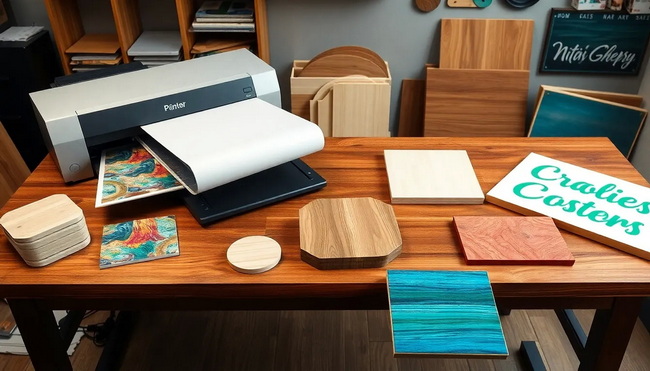
Selecting the right blanks requires balancing material quality, target customers, and production capabilities.[9][5]
- Focus on coating quality. Use blanks from specialists that guarantee consistent polymer coatings, as low‑quality coatings can cause color shifts and poor durability.[5][3]
- Align with your audience. Corporate clients often prefer drinkware and office products, while gift buyers look for home décor and seasonal items.[10][3]
Building a core catalog around proven best‑sellers and then layering in seasonal or niche blanks helps stabilize revenue and inventory planning.[9][10]
A clean, accurate design and print step is essential for professional results.[8][12]
- Size the artwork precisely to the blank, allowing extra bleed where necessary to avoid white edges.[13][12]
- Print on sublimation paper with sublimation ink, mirror the image for text and graphics, and allow prints to dry completely before pressing.[2][8]
Color management software and appropriate ICC profiles help maintain predictable colors across different blanks and printers.[15][5]
Proper preparation of blanks reduces defects and improves adhesion.[12][5]
- Clean hard substrates with a lint‑free cloth or alcohol wipe to remove dust, fingerprints, and oils.[12][5]
- For fabrics, use a lint roller and pre‑press for several seconds to remove moisture and flatten fibers.[15][2]
For blanks with seams, zippers, or buttons, pressing pillows can help maintain even pressure in the print area.[15]
Tight alignment and secure taping help prevent ghosting and blurring.[8][12]
- Place the transfer print‑side down on the blank, align carefully, and fix in place with heat‑resistant tape or sublimation spray adhesive for soft goods.[2][12]
- Use protective sheets such as parchment or blowout paper to shield your press from stray ink.[16][15]
Follow manufacturer guidelines for time, temperature, and pressure specific to each blank type, especially stainless steel drinkware and specialized coatings.[11][12]
Post‑press handling ensures the final product meets quality expectations.[7][12]
- Peel the transfer according to the recommended method for the paper and blank, which may be hot, warm, or cold peel.[8][12]
- Allow the blank to cool, then inspect for color density, alignment, ghosting, or coating defects before packaging.[5][12]
Documenting settings and results for each blank builds a reference library that speeds up future production and reduces waste.[9][5]
Several recurring issues can appear when working with different blanks, but most have straightforward fixes.[4][12]
- Dull or faded colors. This often comes from incorrect time/temperature or using non‑sublimation substrates; confirm the blank is polymer‑coated and adjust press settings according to the supplier's chart.[11][12]
- Ghosting and double images. Shifting during pressing creates shadows; secure transfers with heat‑resistant tape and avoid lifting the press prematurely.[12][8]
Moisture in fabrics, trapped lint, or overheating can introduce uneven color, spots, or yellowing, so pre‑pressing and controlled temperatures are crucial.[15][12]
Market demand continues to evolve, with certain blanks seeing particularly strong growth.[10][9]
- Insulated tumblers, skinny tumblers, and high‑capacity bottles appeal to lifestyle and fitness‑oriented buyers.[10][12]
- Double‑sided ornaments, multi‑panel photo sets, and large wall pieces attract customers seeking personalized home décor.[13][10]
Bundles that combine related blanks, such as mug and coaster sets or ornament multi‑packs, can raise average order value and encourage repeat purchases.[9][10]
Small process improvements often lead to noticeably better outcomes and fewer misprints.[15][5]
- Use reputable suppliers for both blanks and consumables so coatings, paper, and inks perform consistently together.[3][5]
- Maintain detailed records of press settings, paper brands, and color profiles used for each blank type to make troubleshooting and scaling easier.[5][9]
As production grows, standard operating procedures for each category of blank can help train staff quickly and reduce errors across multiple presses and operators.[15][9]
To make the most of sublimation printing, review your current product lineup and identify at least three high‑demand blanks you can refine or introduce immediately, such as premium tumblers, polyester apparel, or metal photo panels. Evaluate the coating quality, press settings, and final appearance for each option, then standardize the best performers into your core catalog while using seasonal blanks to test new niches and boost peak‑season sales.[3][5][9][10]
If your business also utilizes professional heat presses and related equipment, align those machines with carefully selected, high‑quality blanks so every press cycle delivers vivid, durable results that keep customers returning and recommending your brand.[2][15] Contact us to get more information!
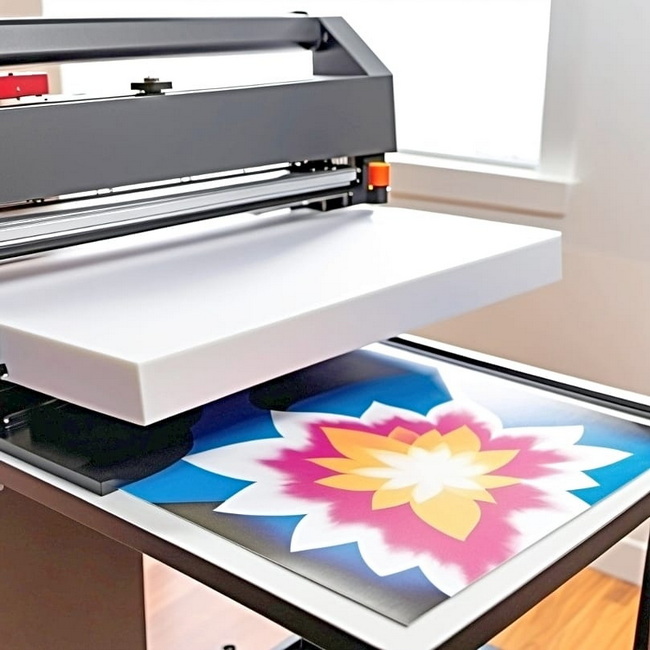
Suitable sublimation blanks are either made from polyester or coated with a polyester‑based or polymer layer specifically engineered for sublimation ink bonding. Typical compatible materials include polyester fabrics, polymer‑coated ceramics, metal panels, and certain heat‑resistant plastics.[6][3][2]
Standard cotton garments do not form a permanent bond with sublimation ink, which leads to faded colors and rapid washout in normal use. For reliable results, choose polyester or high‑polyester blends when working with sublimation apparel.[1][8][2]
Dull results are often caused by incorrect time or temperature, incompatible substrates, or insufficient pressure during pressing. Confirm the blank is rated for sublimation and adjust press settings according to the supplier's recommended range, performing test presses where needed.[11][12][5]
Ghosting usually comes from the transfer shifting while the ink is still hot and mobile, which creates a shadow or double image. To avoid this, secure the transfer firmly with heat‑resistant tape, pre‑press fabrics to remove moisture, and ensure the blank remains stable until cooling begins.[8][12][15]
Very low‑priced blanks may use inconsistent or thin coatings that lead to color issues, poor durability, and higher misprint rates over time. Beginners generally achieve better results by using mid‑range, well‑reviewed blanks from specialists, then scaling up once processes and preferred products are clearly defined.[3][5][9][10]
[1](https://www.heatpressnation.com/blogs/blog/guide-to-sublimation-blanks)
[2](https://www.heatpressnation.com/pages/sublimation-tutorial)
[3](https://www.xpres.co.uk/sublimation-blanks)
[4](https://www.thecountrychiccottage.net/sublimation-blanks/)
[5](https://innosubusa.com/blogs/news/tips-and-tricks-for-printing-on-sublimation-blanks-a-comprehensive-guide)
[6](https://jennifermaker.com/sublimation-for-beginners/)
[7](https://signzworld.co.uk/beginners-guide-to-sublimation/)
[8](https://makerflo.com/blogs/craft-library/sublimation-for-beginners)
[9](https://blogchain.ca/sublimation-crafts-in-2025/)
[10](https://colmanandcompany.com/blog/2022/06/5-most-popular-sublimation-blanks/)
[11](https://www.heatpressnation.com/pages/hpn-stainless-steel-sublimation-blank-instructions)
[12](https://thestainlessdepotcompany.com/blogs/news/how-to-do-sublimation-printing-a-step-by-step-beginners-guide)
[13](https://subliblanks.com/blogs/news/sublimating-aluminium)
[14](https://blankssublimation.co.uk)
[15](https://www.sawgrassink.com/blog/top-10-sublimation-tips-for-better-results-with-sawgrass/)
[16](https://www.heatpressnation.com/blogs/products/the-ultimate-guide-to-sublimation-printing-supplies)
[17](https://www.youtube.com/watch?v=bhZoz4GrIaM)
[18](https://www.youtube.com/playlist?list=PLY9aNS49KtIyGAPGWG7HCuLUaUz840Km2)
[19](https://www.youtube.com/watch?v=kxSorFXAi5U)


