If you have any questions, please feel free to contact us.| Email Us: info@dcheatpress.com


Views: 222 Author: Amanda Publish Time: 2026-01-13 Origin: Site


Content Menu
● Understanding How a Heat Press Works
● Major Heat Press Types and Use Cases
>> Flat, Cap, Mug, and Large‑Format Presses
● Manual, Semi‑Automatic, and Industrial Mechanisms
● Production Categories: Matching Press to Output
● Key Buying Criteria That Influence ROI
>> Size, Substrates, and Flexibility
>> Build Quality, Controls, and Safety
>> Service, Warranty, and Lifecycle Value
● Practical Heat Press Workflow for Repeatable Results
>> Step‑by‑Step Operating Sequence
● Maintenance Practices That Extend Machine Life
● Define Your Requirements and Specify Your Machine
>> 1. What temperature range should a professional heat press cover?
>> 2. How can pressure be set consistently between operators?
>> 3. Is one press enough for multiple transfer technologies?
>> 4. When is an upgrade to a pneumatic or dual‑station press justified?
>> 5. Which maintenance tasks have the biggest impact on reliability?
Choosing a heat press is a strategic decision that affects product quality, production speed, and long‑term profitability. This guide explains the main machine types, key buying criteria, and practical workflows so that growing decorators and factories can invest with confidence.[1][2][3]

A heat press uses controlled time, temperature, and pressure to permanently bond transfer media onto textiles and hard substrates. Unlike domestic irons, professional presses maintain stable heat and uniform pressure across the platen, which is crucial for consistent, high‑quality prints.[2][4][1]
During operation, the upper heated platen is brought into contact with the substrate on the lower platen, held for a preset dwell time, then released to complete the transfer. This controlled cycle makes the process repeatable for large production runs and complex product lines.[3][4][2]
Different machine structures support different product formats, substrates, and output targets. Understanding these configurations helps match equipment to real production requirements, from small studios to industrial plants.[5][2][3]
1- Flat presses
- Designed for T‑shirts, hoodies, panels, and flat soft‑goods.[4][2]
- Available in forms such as clamshell, swing‑away, and drawer styles to balance space, ergonomics, and access.[1][2]
2- Cap and curved‑surface presses
- Use specialized curved platens and hold‑down systems for hats and similar products.[2]
- Common in sportswear, workwear, and promotional branding lines.[6][2]
3- Mug and cylindrical presses
- Employ wraparound heaters to apply transfers evenly to mugs and drinkware.[4][2]
- Popular in souvenir, gift, and on‑demand personalization businesses.[2]
4- Large‑format and roll‑to‑roll systems
- Feature oversized platens or rotary drums for all‑over garments, flags, home textiles, and continuous fabric transfer.[7][3]
- Often used by factories producing bedding, curtains, sportswear panels, and other extensive sublimation applications.[5][3]
Beyond shape, heat presses differ in how they generate pressure and automate the cycle. The mechanism affects operator fatigue, throughput, and consistency, especially at higher volumes.[3][1][2]
1- Manual and lever‑driven presses
- Rely on physical force from the operator to close and lock the platen.[2]
- Suitable for home users and small shops with moderate daily workloads.[1][2]
2- Auto‑open designs
- Use mechanical latching and release mechanisms to open automatically after the timer expires.[2]
- Reduce the risk of over‑pressing and support more efficient rhythm in small‑business settings.[8][2]
3- Pneumatic and hydraulic presses
- Generate pressure using compressed air or hydraulic systems for accurate, repeatable force over large areas.[3][2]
- Favored in industrial environments where high pressure, heavy substrates, and long production runs are common.[5][3]
4- Dual‑station and shuttle systems
- Allow operators to load one station while the other is pressing, significantly increasing effective output.[3][2]
- Particularly useful for factories and large workshops needing continuous operation with minimal idle time.[5][3]
Aligning the press category with daily and monthly volumes avoids premature wear, bottlenecks, and quality issues. A simple way to select a category is to estimate typical daily piece counts and peak periods.[7][1][2]
1- Home and hobby use
- Often under 20 finished items per day.[2]
- Prioritizes compact footprints, simpler controls, and cost‑effective entry‑level models.[1][2]
2- Small commercial shops
- Commonly in the range of roughly 20–50 pieces per day, sometimes more during peak seasons.[2]
- Benefit from stronger frames, larger platens, and convenience features such as auto‑open or drawer platens.[1][2]
3- Professional production environments
- Around 100–250 pieces per day or more, often across multiple product types.[6][2]
- Require premium heaters, stable structures, advanced controllers, and dependable support.[1][2]
4- Industrial and factory operations
- 250+ pieces per day, or continuous roll‑to‑roll sublimation for large orders.[3][2]
- Typically rely on pneumatic, hydraulic, dual‑station, or large‑format presses designed for 24/7 workloads.[5][3]
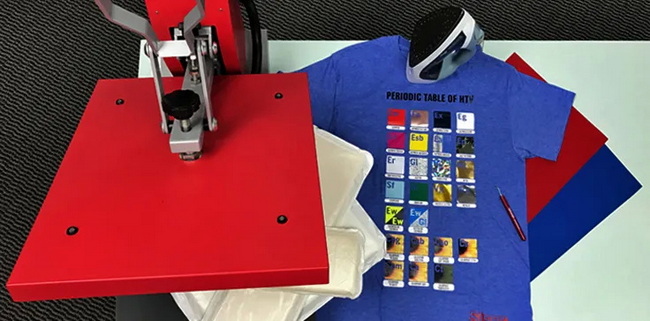
A heat press is a long‑term investment, so purchase decisions should extend beyond sticker price. Considering durability, support, and ergonomics helps protect both operators and margins.[9][5][1]
1- Platen size
- Must comfortably accommodate the largest graphics and garments produced regularly.[1][2]
- Standard flat presses often use sizes such as 15" × 15", 16" × 16", and 16" × 24", while industrial models go much larger.[3][2]
2- Supported substrates
- Some lines focus on textiles, while others support metal, glass, ceramics, wood, leather, and technical materials.[7][3]
- Matching temperature range and pressure capacity to substrates is essential for stable results.[4][1]
3- Interchangeable platens and accessories
- Optional platens for sleeves, pockets, caps, and shoes extend what one base machine can produce.[8][2]
- Accessories such as pillows, pads, and alignment tools help handle seams, zippers, and unusual shapes.[10][8]
1- Frame and construction
- Heavier, rigid structures resist flexing, maintain alignment, and withstand longer production cycles.[1][2]
- Industrial presses often use reinforced frames and precision machining for stability at high pressures.[5][3]
2- Heating elements and temperature control
- Even heat distribution across the platen reduces cold spots and transfer failures.[2][1]
- Quality controllers provide accurate digital readouts, stable temperatures, and, in some cases, dual scales in Celsius and Fahrenheit.[4][2]
3- Safety and ergonomics
- Auto‑open, accessible control panels, and thoughtful handle design reduce operator strain.[5][2]
- Guarding, alarms, and reliable emergency‑stop functions are particularly important at industrial scales.[3][5]
1- Warranty coverage
- High‑quality machines often carry extended coverage on major components such as heating platens.[11][2]
- Reviewing terms for parts, labor, and shipping prevents surprises during busy seasons.[11][1]
2- Technical support and documentation
- Clear manuals, training materials, and responsive support teams shorten learning curves and downtime.[12][7]
- Some manufacturers back their equipment with process guidance and troubleshooting resources for new operators.[12][7]
3- Total cost of ownership
- Robust presses may have higher initial prices but offer lower long‑term cost through fewer failures and better uptime.[9][1]
- Factoring in expected lifespan, spare‑parts availability, and energy usage leads to more realistic cost comparisons.[11][5]
A structured, repeatable workflow is essential for consistent output in both small and large shops. The following sequence can be adapted to different transfer technologies and product types.[10][12][4]
1. Pre‑operation checks
- Verify power supply, circuit capacity, and cabling, avoiding light‑gauge extension cords that restrict current.[12]
- Inspect the platen surface, pads, and accessories to ensure they are clean and undamaged.[10][12]
2. Warm‑up and setup
- Set temperature, time, and pressure according to the transfer manufacturer's instructions.[4][1]
- Allow the press to reach full temperature and stabilize before starting production.[12]
3. Substrate preparation
- Pre‑press garments briefly to remove wrinkles and moisture.[4]
- Use pillows or pads where seams and zippers could interfere with even pressure.[8][10]
4. Transfer alignment and loading
- Lay out graphics using rulers, grid mats, or alignment systems for consistent placement.[8]
- Secure transfers with heat‑resistant tape where necessary, especially for sublimation and rigid items.[4]
5. Pressing and release
- Close the press with the correct pressure and run the full dwell time without lifting early.[4]
- For auto‑open models, stand clear of the opening path and prepare the next item while the press is running.[8][2]
6. Cooling and inspection
- Peel the carrier according to hot, warm, or cold peel instructions from the transfer supplier.[4]
- Perform quick visual and stretch checks to confirm adhesion before committing to full‑scale runs.[10][12]
Regular maintenance preserves performance, prevents unplanned downtime, and protects the investment. Simple, scheduled tasks can dramatically extend the lifespan of both manual and automated presses.[10][12][5]
Recommended habits include:
1- Cleaning the platen and pads
- Use approved cleaners and protective sheets to prevent ink or adhesive buildup on the heated surface.[12][8]
- Avoid abrasive tools that can damage non‑stick coatings and reduce release performance.[12]
2- Hardware and alignment checks
- Periodically tighten bolts, hinges, and handles that may loosen under repeated use.[12]
- Monitor platen alignment and pad condition so pressure remains even across the entire working area.[5][12]
3- Electrical and pneumatic inspections
- Inspect cords, plugs, and control boxes for discoloration, heat marks, or damage.[12]
- For pneumatic and hydraulic units, check hoses, seals, regulators, and filters per the manufacturer's service intervals.[3][5]
A well‑specified heat press supports stable quality, scalable output, and smoother day‑to‑day operations. Instead of choosing equipment purely on price or brand familiarity, it is crucial to align machine category, mechanism, and size with actual production data.[9][5][2][1]
The next step is straightforward and highly actionable: write down current and projected daily volumes, list the main products and substrates that will be pressed, and identify required platen sizes, automation levels, and power conditions. With this information prepared, it becomes much easier to compare detailed specifications, ask focused questions about warranty and service, and select a press that will support growth rather than restrict it.[7][11][5][2]

Most professional presses are designed to cover a range that supports common transfer systems, with many textile applications falling roughly between 150–205°C (300–400°F). The exact setpoints should always follow the recommendations from the transfer, ink, or film manufacturer to protect both the substrate and the graphic.[1][4]
Many mid‑ to high‑end presses include analog or digital pressure indicators that show relative force on the platen. Recording these readings alongside time and temperature presets allows operators to reproduce settings reliably across shifts and product lines.[8][2]
One well‑chosen machine can handle sublimation, DTF, heat transfer vinyl, and certain specialty papers as long as the required time, temperature, and pressure ranges fit within its capabilities. Using presets, interchangeable platens, and protective sheets helps adapt the same press to different processes without compromising quality.[8][2][4]
An upgrade is often justified when operators consistently approach the limits of a manual machine's daily capacity, or when fatigue and bottlenecks start to affect delivery times. Introducing pneumatic or dual‑station solutions can raise throughput, stabilize pressure, and free staff to manage higher‑value tasks during press cycles.[5][2][3]
Regular platen cleaning, periodic tightening of mechanical components, and routine inspection of electrical or pneumatic systems collectively have a strong impact on reliability. Combining these tasks with proper power supply and adherence to operating guidelines significantly reduces unexpected downtime.[10][12][5]
[1](https://www.allprintheads.com/blogs/news/heatpress-buyers-guide)
[2](https://www.heatpressnation.com/blogs/blog/heat-press)
[3](https://www.dcsbheatpress.com)
[4](https://www.heatpressnation.com/blogs/academy/quick-guide-to-heat-transfers-the-heat-press)
[5](https://www.dcsbheatpress.com/top-heat-press-machine-manufacturers-and-suppliers-in-bangladesh.html)
[6](https://www.heatpressnation.com/blogs/blog/4-reasons-why-your-business-needs-a-heat-press)
[7](https://www.dcsbheatpress.com/top-10-heat-press-machine-manufacturers-in-china.html)
[8](https://www.heatpressnation.com/blogs/academy/trending-heat-press-tools-what-they-are-for)
[9](https://www.heatpressnation.com/blogs/blog/mistakes-to-avoid-when-buying-a-heat-press)
[10](https://www.dcsbheatpress.com/15-heat-press-mistakes-to-avoid.html)
[11](https://www.tlheatpress.com/where-can-i-buy-a-heat-press-an-expert-checklist-for-5-global-regions-in-2025-article/)
[12](https://www.heatpressnation.com/blogs/blog/basic-heat-press-maintenance-keep-your-machine-in-top-shape)
[13](https://www.tlheatpress.com/es/expert-guide-5-factors-for-your-2025-heat-press-for-sublimation-tumblers-article/)
[14](https://www.heatpressnation.com/pages/educate)
[15](https://www.youtube.com/watch?v=HJvu_1KXM2E)
[16](https://www.youtube.com/watch?v=H5I4hHnbICg)
[17](https://www.facebook.com/groups/605468993776715/posts/1179255606398048/)
[18](https://www.youtube.com/watch?v=ZtJ45BbEy1o)
[19](https://www.dcsbheatpress.com/top-10-pneumatic-heat-press-machine-manufacturers-in-china.html)
[20](https://www.youtube.com/playlist?list=PLY9aNS49KtIzYc5g2fg4yeEzqKXMiSd6O)


