If you have any questions, please feel free to contact us.| Email Us: info@dcheatpress.com


Views: 222 Author: Amanda Publish Time: 2026-01-02 Origin: Site


Content Menu
● What Is Sublimation Printing?
● Key Benefits of Sublimation Printing
● Limitations You Need to Know
● What You Need for Sublimation Printing
>> Sublimation Printer and Ink
>> Sublimation Blanks and Materials
>> Heat Press Machines and Ovens
>> Supporting Tools and Accessories
● Step-by-Step Sublimation Workflow
>> 1. Design and Prepare Artwork
>> 2. Print on Sublimation Paper
>> 4. Press With the Heat Press
● Popular Sublimation Products and Ideas
● Sublimation vs Other Printing Methods
● Current Trends in Sublimation
● Common Sublimation Problems and Fixes
● Business Tips for Sublimation Success
● Take the Next Step With Professional Heat Transfer Equipment
● Frequently Asked Questions (FAQs)
>> 1. Can I use sublimation on 100 percent cotton?
>> 2. Why do my sublimation prints look dull before pressing?
>> 3. What polyester percentage works best for shirts?
>> 4. How long does a sublimation print last on drinkware?
>> 5. Do I need a separate heat press for sublimation if I already work with vinyl?
Sublimation printing is a digital printing method that uses heat and pressure to turn solid dye into gas and permanently bond it inside polyester or polymer-coated surfaces, creating vibrant, long-lasting designs that never crack or peel. This in-depth guide explains how sublimation works, what equipment you need, how it compares to other methods, and how to choose the right heat press and related equipment for a profitable, scalable crafting or printing business.
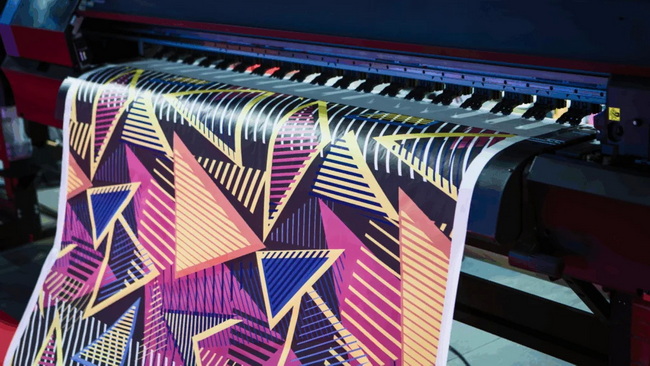
Sublimation printing is a process where sublimation ink is first printed onto transfer paper and then transferred to an object using controlled heat and pressure. During pressing, the ink skips the liquid phase and turns directly from a solid into a gas, bonding at a molecular level with polyester fibers or a polymer coating.
Unlike vinyl or standard heat transfer paper, the design becomes part of the substrate itself rather than sitting on top, which is why sublimated products feel smooth and retain color even after repeated washing or outdoor use. This makes sublimation ideal for apparel, drinkware, promotional gifts, home décor, signage, and many personalized products with complex, full-color artwork.
Sublimation is a phase change where a substance transitions directly from solid to gas without passing through a liquid state. Sublimation inks are formulated so that, under heat and pressure, the dyes vaporize and diffuse into receptive materials like polyester or polymer coatings.
Once cooled, the gas returns to a solid state while locked inside the fibers or coating, resulting in a permanent, high-resolution print. Because the dyes are transparent, they work best on white or very light-colored substrates, which allow the colors to display with maximum brightness and accuracy.
Sublimation has become a popular method for crafters and small print shops because it combines professional quality with relatively low startup costs. For users who adopt stable heat transfer systems, it also scales well from small batches to ongoing production.
Main advantages include:
- Vibrant, photo-quality color with a wide color gamut and smooth gradients suitable for photographs and complex artwork.
- No cracking or peeling, since the ink is embedded rather than layered on the surface, even after washing or frequent handling.
- Soft, smooth hand feel on textiles, with no noticeable texture compared to vinyl or plastisol-based prints.
- Durable and fade-resistant results, especially on polyester fabrics and polymer-coated hard goods exposed to sunlight and moisture.
- Small-batch friendly, enabling one-off personalization, print-on-demand orders, and rapid prototyping without screens or plates.
Understanding the constraints of sublimation helps avoid costly mistakes and sets realistic expectations when planning equipment purchases. The most important limitations relate to materials, color, and production scale.
Key limitations include:
- Limited material compatibility, because sublimation works best on polyester fabrics, polyester blends, or substrates with a polymer coating.
- No white ink, since sublimation inks are transparent CMYK dyes and prints on dark or black backgrounds will not show accurately.
- Heat and pressure requirements, which mean products must withstand high temperatures and pressure during pressing.
- A learning curve, because consistent results require dialing in time, temperature, and pressure for each substrate, together with color management.
To build a reliable sublimation workflow, you need a coordinated system of printer, ink, paper, blanks, and heat transfer equipment such as heat presses or specialized bonding machines. Choosing equipment that delivers stable temperature and pressure is especially important when you plan to grow into higher volumes or professional production.
A purpose-built sublimation printer is recommended for consistent color, fewer clogs, and long-term reliability. While some users convert general inkjet printers, dedicated systems are better suited for frequent use in commercial environments.
Core points:
- Use true sublimation ink designed for your printer model to ensure proper color, gasification performance, and reduced clogging.
- Maintain the printer with regular test prints and cleaning cycles to prevent dried ink from blocking nozzles.
- For business use, consider printers with higher-capacity ink tanks, network connectivity, and ICC profile support for color management.
Sublimation paper holds the ink until heat and pressure are applied, then releases it efficiently onto the substrate. Modern premium papers have coatings that minimize curling, improve ink absorption, and enhance line sharpness.
Look for paper that offers:
- High ink transfer rate for strong color and sharp details.
- Minimal warping under heavy ink coverage, especially for large formats or full-bleed designs.
- Compatibility with your printer, ink set, and press settings to avoid ghosting or blurring.
Sublimation blanks are pre-made products with polyester content or a sublimation-ready coating. These blanks cover apparel, drinkware, signage, and promotional items, making it easy to test new products or expand a product line.
Popular blanks include:
- Polyester apparel such as T-shirts, jerseys, sportswear, and performance fabrics.
- Drinkware including tumblers, mugs, bottles, and camp mugs with sublimation coatings.
- Home décor items like pillows, coasters, photo panels, metal signs, and MDF boards.
- Accessories such as tote bags, mouse pads, lanyards, and small gift items.
The heat press is the core of the sublimation process, controlling time, temperature, and pressure for consistent transfers. For cylindrical products like tumblers, specialized presses or sublimation ovens may be used, while flat presses handle garments, panels, and flat blanks.
Consider:
- Flat heat presses for garments, flat boards, and panels, in either clamshell or swing-away designs.
- Mug or tumbler presses and ovens for cylindrical items, enabling even heating around the surface.
- Specialized fusing and bonding machines for higher throughput, larger formats, and integration with automated production lines.
Several inexpensive accessories greatly improve quality and reduce rework.
Useful tools include:
- Heat-resistant tape to secure transfers and prevent shifting during pressing.
- Protective sheets and blowout paper to protect the press and avoid transfer ghosting.
- Heat-resistant gloves for safe handling of hot items.
- A lint roller and pressing pillow for garments to ensure a smooth surface and even pressure.
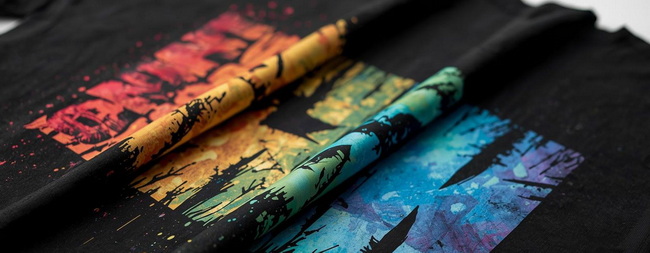
A clear, repeatable workflow reduces errors and improves consistency, especially when working with multiple substrates in a production setting.
Create or import your design in graphic software and set your document to the correct size for the blank with bleed where needed. Use high-resolution images for crisp prints and check that text and key elements are positioned within safe margins.
Most transfers should be mirrored horizontally so they appear correctly once pressed. Before printing, verify that color profiles and print settings match your chosen paper and ink combination.
Print using the sublimation printer with suitable media type and quality settings. Allow the print to dry briefly before cutting or taping so that the surface does not smudge during handling.
For efficient production, group multiple designs on a single sheet and cut them down after printing. Store printed transfers flat and away from moisture or dust if pressing at a later time.
Proper surface preparation is critical for professional results.
- Pre-press garments for a few seconds to remove moisture and wrinkles.
- Wipe hard substrates to remove dust, lint, or oils, and remove any protective films.
- Position the printed transfer face-down on the substrate and secure it with heat-resistant tape so it cannot shift during pressing.
Place the prepared item in the press according to substrate guidelines. Each material has preferred time, temperature, and pressure ranges, so follow a tested chart or supplier recommendations.
Apply firm, even pressure and avoid moving the press during transfer. After pressing, remove the item carefully and peel the transfer while hot or warm, depending on the instructions for that material.
Allow the item to cool on a flat, heat-safe surface. Inspect for banding, ghosting, uneven color, or misalignment, then record the successful settings in a log so that the same quality can be reproduced in future runs.
Sublimation is a powerful way to expand a crafting brand or printing business with high-margin products. Many sellers build shops around a focused lineup of sublimated items that can be personalized quickly.
Popular product categories include:
- Tumblers and mugs with full-wrap designs, names, and logos.
- Shirts and apparel such as polyester T-shirts, sports jerseys, and team uniforms.
- Tote bags and accessories including reusable bags, pencil cases, and lanyards.
- Home and wall décor such as photo panels, ornaments, coasters, and signage.
Choosing the right technology often means comparing sublimation with heat transfer paper, vinyl, screen printing, DTG, DTF, and UV printing. The following table highlights major differences so that you can position sublimation correctly in any product line or equipment strategy.
Method | Works Best On | Feel and Durability | Color and Detail | Typical Use Cases |
Sublimation | Polyester fabrics, polymer-coated items | Soft, no texture, highly durable | Vivid, photo-quality, smooth gradients | Apparel, drinkware, décor, promo goods |
Heat transfer paper | Many fabrics including cotton | Film-like layer, may crack or peel over time | Good color, less integrated with fabric | Low-volume shirts and hobby projects |
Heat transfer vinyl | Fabrics and some hard goods | Raised texture with strong solid colors | Simple shapes and text, layered for colors | Names, numbers, bold logos |
Screen printing | Cotton and blends, large runs | Durable with thicker ink deposit | Excellent solid colors, limited color sets | Bulk apparel orders and merchandise |
DTG printing | Mostly cotton garments | Soft feel on surface after pretreatment | Full color on light and dark shirts | On-demand T-shirt printing |
DTF printing | Most fabrics and blends | Slight film feel but flexible and durable | Strong color, great on dark fabrics | Versatile apparel decoration |
UV printing | Hard surfaces like plastics and metals | Raised, textured ink and very durable | High opacity and vivid colors | Signs, awards, gadgets, and device cases |
This comparison shows why sublimation excels for light-colored polyester textiles and polymer-coated hard goods, while other methods can be better for dark cotton garments or specialty textures. Many shops combine sublimation with other technologies to cover a broader range of materials and customer needs.
Recent developments show strong growth in personalization, eco-conscious production, and large-format applications. For equipment users, these trends encourage investment in more efficient presses, better inks, and integrated production lines.
Key trends include:
- Eco-oriented processes, including low-VOC inks, energy-saving presses, and more sustainable paper options.
- Short-run and on-demand workflows, tied to e-commerce and print-on-demand platforms.
- Expansion into décor and soft signage, using larger printers and presses for interior décor and display graphics.
- Design trends involving bold typography, minimal layouts, and expressive illustration styles that reproduce well with sublimation.
Even experienced users encounter quality issues, most of which can be traced to settings, moisture, or incompatible materials. A structured troubleshooting checklist reduces waste and supports reproducible quality in any production environment.
Typical issues and solutions:
- Faded or dull colors can result from low temperature, insufficient time, or low polyester content in the substrate. Gradually adjust settings and confirm that blanks are truly sublimation-ready.
- Ghosting or blurry edges are often caused by transfers shifting during pressing or when lifting the press. Use more tape, ensure firm pressure, and peel the paper in one smooth motion.
- Banding or lines in prints usually come from clogged nozzles or incorrect print settings. Run nozzle checks, clean the printhead, and increase print quality if necessary.
- Yellowing or scorching typically indicates excessive heat or time. Lower the temperature slightly, reduce pressing time, and test a small area before a full run.
Sublimation is attractive for home-based crafters and growing print shops because it can start small and scale with better equipment and workflow design. Focusing on process control and robust heat transfer machines ensures consistent quality as order volume increases.
Practical tips:
- Specialize first in a narrow product niche to simplify blanks, artwork templates, and press settings.
- Standardize time, temperature, and pressure by maintaining a clear reference chart at the press station.
- Invest early in reliable heat presses and related accessories, then upgrade printers and finishing equipment as demand grows.
- Use mockups and samples to validate new products and collect feedback before purchasing large quantities of blanks.
- Document workflows so team members can reproduce the same results as production scales.
If the goal is to move beyond hobby-level work and build a stable sublimation business, the most impactful investment is in professional heat transfer and bonding equipment. Stable temperature, uniform pressure, and robust construction directly influence color consistency, productivity, and long-term reliability.
Choose heat presses, fusing machines, and embossing systems that are engineered for continuous operation, precise control, and compatibility with a wide range of substrates. By upgrading to equipment designed for demanding sublimation and thermal transfer tasks, it becomes easier to reduce misprints, streamline workflows, and confidently take on higher-value orders.
Now is the time to review your current setup, identify bottlenecks in pressing and bonding, and upgrade to a complete heat transfer solution that supports your growth, protects quality, and unlocks more advanced sublimation applications.
Pure cotton does not naturally bond with sublimation dyes, so prints on untreated cotton will fade or wash out quickly. To decorate cotton with sublimation designs, either use a polyester top layer, apply a special coating, or pair sublimation artwork with another transfer technology on top of the fabric.
Prints often appear dull on sublimation paper because the dyes are still in their solid state. The colors become bright and saturated only after heat and pressure turn the dyes into gas and drive them into the final substrate.
For the most vivid, saturated results, 100 percent polyester is usually recommended. Blends around 65 percent polyester can still be used, but the final result tends to have a softer, slightly vintage or heathered appearance.
On quality polymer-coated tumblers or mugs, sublimation prints typically remain vibrant for many years of normal use. Durability improves when items are hand-washed or cleaned on gentle cycles instead of exposed to harsh detergents or high-temperature dishwashing.
Some presses can handle both sublimation and vinyl, but sublimation benefits from accurate temperature control, stable pressure, and clean, flat platens. Many businesses dedicate at least one press specifically to sublimation to optimize settings, protect surfaces, and keep workflows organized.


