If you have any questions, please feel free to contact us.| Email Us: info@dcheatpress.com


Views: 222 Author: Amanda Publish Time: 2026-02-28 Origin: Site


Content Menu
● 1. Why Starting a Clothing Brand with a Heat Press Makes Sense in 2026
● 2. How to Choose the Right Heat Press Machine
>> 2.1 Types of Heat Presses You Should Know
>> 2.2 Why Equipment Quality Matters for Brand Image
● 3. The Realistic Path to Building Your Brand with One Heat Press
>> 3.1 Define Your Brand and Target Audience
>> 3.2 Design Strategy That Sells, Not Just Looks Pretty
>> 3.3 Sourcing Quality Blanks and Fabrics
● 4. Setting Up an Efficient At‑Home or Small‑Scale Studio
>> 4.1 Sample Studio Layout Ideas
>> 4.2 Essential Supplies Beyond the Machine
● 5. Workflow Automation and Scaling Your Brand
>> 5.1 Daily Production Routine That Works
>> 5.2 When to Upgrade: Fusing Press, Embossing Press, and More
● 6. Pricing, Margins, and How to Avoid Common Financial Mistakes
>> 6.1 How to Price a T‑Shirt or Apparel Item
>> 6.2 Handling Returns and Quality Management
● 7. Marketing Your Clothing Brand in 2026 Using Digital Channels
>> 7.1 The Role of Social Media and Influencer Collaborations
● 8. Integrating Advanced Equipment for Professional Brands
>> 8.1 The Advantages of Fusing and Embossing Machines
>> 8.2 Why Sourcing Equipment from a Trusted Manufacturer Matters
● Clear Call to Action: Build Your 2026 Clothing Brand with COLORFUL
● Frequently Asked Questions (FAQ)
>> 1. Can I really start a clothing brand with just one heat press in 2026?
>> 2. What type of heat press should beginners choose?
>> 3. Which fabrics work best with a heat press?
>> 4. How can I ensure my prints do not fade quickly?
>> 5. Is investing in a fusing or embossing press necessary early on?
For entrepreneurs looking to launch a clothing brand in 2026 with a heat press, there has never been a better time to bring creative apparel ideas to life. In today's competitive fashion market, having the right heat press equipment, design strategy, and clear planning can turn small‑scale hobby printing into a profitable clothing brand.
This guide is written for aspiring apparel entrepreneurs who want structured, practical steps, not vague inspiration. You will learn how to successfully start a clothing brand in 2026 using just a heat press, including choosing designs, sourcing fabrics, setting pricing, and marketing your brand effectively, plus why investing in high‑quality heat press machines, fusing pressing machines, and embossing machines from a reliable manufacturer like COLORFUL (dcsbheatpress.com) boosts professionalism and durability.
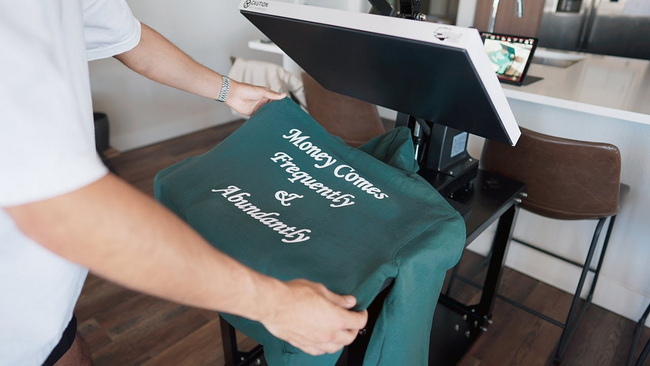
Starting a clothing brand in 2026 no longer means renting a factory line or producing thousands of garments upfront. With a high‑quality heat press and printer, you can print small batches, test designs, and scale only after validating customer demand.
Key advantages include:
- Low startup costs, since you avoid expensive inventory commitments.
- Fast prototyping, allowing you to iterate designs overnight and see what buyers truly respond to.
- E‑commerce‑friendly workflow, which aligns perfectly with platforms like Amazon, Etsy, Shopify, and social‑media‑based stores.
A professional heat press machine helps ensure consistent pressure and temperature across every garment, reducing rejects and improving product quality. High‑end machines with pressure‑melt and emboss pressing systems also produce more durable prints that withstand washing and repeated wear.
Selecting the right heat press equipment is the foundation of your clothing brand. Avoid cheap, under‑engineered presses that give uneven prints and fail after a few months.
Consider these critical features:
- Pressure control and digital temperature display for uniform imprint quality.
- Plate type and size, such as flat platens for T‑shirts and curved platens for caps or mugs.
- Timer and automatic shut‑off to improve safety and efficiency.
- Clamshell heat presses: The most common type for beginners and ideal for standard T‑shirts.
- Swing‑away presses: Better for thicker garments or awkward shapes where clearance matters.
- Dual‑platen presses: Useful when you want higher volume printing and shorter downtime between presses.
For a serious clothing brand, investing in a commercial‑grade heat press that supports longer operating cycles is highly recommended. If you also plan to bond materials, hot‑melt fusing pressing machines from manufacturers such as COLORFUL can streamline fabric bonding and label fixation in your production workflow.
As a clothing brand, consistency defines value. A reliable heat press ensures:
- Vibrant, sharp prints that customers trust.
- Minimal color fading after repeated washes when proper materials such as ink, vinyl, and transfer paper are matched correctly.
High‑quality presses also reduce your maintenance and replacement costs, allowing you to focus on branding and sales instead of troubleshooting equipment failures.
Many guides portray launching a clothing brand as purely creative, but in reality, success hinges on a repeatable workflow. Here is a practical framework you can follow.
Before printing a single shirt, clarify:
- Brand identity: What kind of clothing, what aesthetic, and what values you stand for, such as eco‑friendly, bold designs, or premium fabric.
- Target market: Focus on a specific group, such as gamers, fitness enthusiasts, travelers, or business professionals.
This clarity affects every decision, from logo placement to garment style and pricing strategy.
Good design drives purchases and repeat orders. For a new brand, focus on:
- One or two strong signature designs per product line instead of dozens of untested ideas.
- Testable variants, such as a minimal design on the front with a bolder artwork on the back.
Use color psychology and high‑contrast elements to catch attention quickly on social media and e‑commerce thumbnails.
Choosing blanks carefully prevents customer complaints even when your prints are perfect. Look for:
- Combed or ring‑spun cotton for soft, long‑lasting T‑shirts.
- Blend fabrics, such as cotton‑polyester, for activewear that prints well with heat transfers and resists shrinking.
When using heat‑press‑compatible materials, double‑check supplier specifications for ink compatibility, shrinkage rates, and wash durability so you avoid surprises after launch.
In 2026, many successful clothing brands operate from compact studios equipped with only a heat‑press setup, storage, and a shipping area. Optimizing your space saves both time and money.
A simple, efficient layout might include:
- Design workstation with a computer and printer.
- Printing area for cutting and laminating transfers.
- Heat press station with a stable, heat‑resistant table.
- Quality check and packaging zone with scales, bags, and labels.
For safety and ergonomics, keep heat presses away from water sources, ensure good ventilation for vinyl or sublimation fumes, and use mats or boards to protect worktables from heat damage.
To support your production workflow, you will also need:
- Graphics software such as Adobe Illustrator, Photoshop, or Canva Pro.
- Heat‑transfer paper or films compatible with your printer and fabric type.
- Cutting tools, including roller cutters and vinyl cutters, for precise trimming.
Using professional‑grade sublimation or vinyl materials instead of very cheap generic products increases print durability and customer satisfaction.
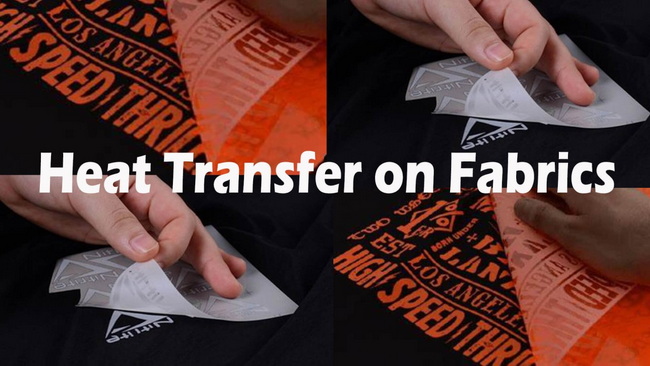
Even with a single heat press, small brands can scale by systematizing their processes and adding complementary equipment over time.
Follow a daily cycle for consistent output:
1. Start with orders and group prints by size and color to reduce platen adjustments.
2. Set temperature profiles and create presets for cotton, polyester, and blended fabrics.
3. Use batch printing so you can press multiple garments in succession while previously pressed items cool.
This approach reduces errors and boosts throughput even without an expensive multi‑platen setup.
Once demand grows, consider integrating:
- Fusing pressing machines to bond fabric layers or labels without sewing.
- Embossing presses for special effects like texture or raised patterns that stand out.
These machines complement your core heat‑press operations and give your clothing line a higher‑end feel compared to competitors using only basic transfers.
Many new brands underprice their products or miscalculate margins, which leads to early burnout. A clear pricing structure protects your profits.
Use this simple structure to set prices:
- Cost of goods, including blank garments, transfer materials, and printing time.
- Labor and overhead, such as electricity, software subscriptions, and packaging.
- Profit margin, which should ideally be at least 40–60 percent for a sustainable brand.
Online shoppers increasingly value value‑driven branding, not just low prices. Investing in better fabrics or clearer prints allows you to justify mid‑tier pricing while staying profitable.
Returns due to misprints or sizing issues are inevitable. Build a simple, clear policy:
- Provide detailed sizing guides and photos to reduce confusion.
- Offer one‑time exchanges instead of refunds for non‑defective garments when possible.
Track defective prints and try to identify whether issues arise from equipment inconsistency or operator error, then refine your processes based on those insights.
A strong heat‑pressed product line needs equally strong digital marketing to reach buyers and build a loyal audience.
- Use platforms such as Instagram Reels, TikTok, and Facebook to showcase printed T‑shirts, hoodies, and accessories.
- Partner with micro‑influencers in your target niche to drive highly relevant traffic at relatively low cost.
Your visual content should focus on real‑life wearing scenarios, showing garments on multiple body types and in different contexts to reinforce authenticity.
If your goal is to build a serious clothing brand rather than a short‑term side project, investing in advanced machinery early can pay long‑term dividends.
With fusing pressing systems, you can:
- Attach patches or badges without any sewing.
- Bond fabric overlays for layered, structured designs.
Embossing presses add:
- Tactile texture to logos or brand marks.
- Extra perceived quality by giving garments a premium, three‑dimensional feel.
Sourcing from an experienced heat press, fusing press, and embossing press manufacturer such as COLORFUL (dcsbheatpress.com) ensures:
- Consistent performance and a longer machine lifespan.
- Technical support and spare‑part availability when issues arise.
Aligning with a reliable equipment supplier protects your brand reputation and reduces downtime when demand spikes.
To successfully start and grow a clothing brand in 2026 with just a heat press, the right equipment foundation is non‑negotiable. Whether you are starting small or planning to expand into a professional studio, choosing high‑quality heat press machines, fusing pressing systems, and embossing machines directly impacts product quality, durability, and scalability.
If you are ready to move from idea to implementation, visit COLORFUL at dcsbheatpress.com to request tailored equipment recommendations based on your budget, production volume, and fabric types. Reach out now to discuss heat press, fusing, and embossing solutions, and let COLORFUL help you build a reliable, efficient production line that supports a profitable, long‑lasting clothing brand.
Contact us to get more information!
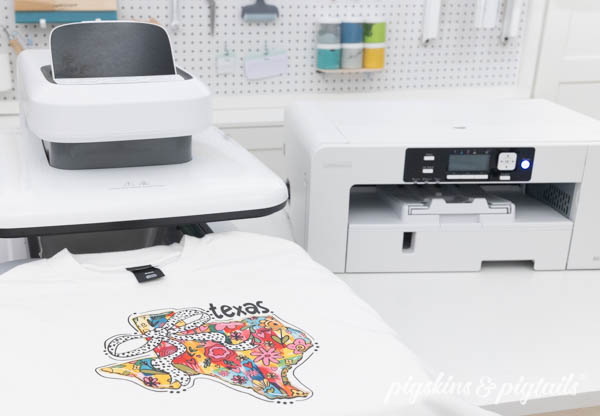
Yes, many emerging brands begin with a single high‑quality heat press and scale only after they validate design demand. The key is choosing professionally built machines and compatible materials so prints withstand regular washing and daily wear.
Beginners typically benefit most from a clamshell heat press with digital temperature and time controls. These machines are easy to operate and suitable for T‑shirts, tote bags, and some accessories, and you can later upgrade to swing‑away or dual‑platen presses as your volume grows.
Cotton and cotton‑poly blends generally yield the sharpest heat‑transfer prints and hold color longer. For activewear or performance garments, moisture‑wicking polyester blends are also popular, but you should always confirm heat tolerance and transfer compatibility before a large production run.
To reduce fading, follow recommended press times and temperatures for each fabric and transfer type. Use high‑quality transfers and genuine ink, avoid over‑pressing or overheating, and allow garments to cool before folding or packaging them after printing.
Fusing and embossing presses are not essential at launch, but they become valuable once your brand gains traction and you want to add patches, badges, or textured designs without sewing. Integrating them later can significantly improve product uniqueness and perceived quality.
1. https://www.heatpressnation.com/blogs/heat-press-tips-tricks/starting-your-clothing-brand-in-2026-with-just-a-heat-press
2. https://www.heatpressnation.com/blogs/blog
3. https://www.youtube.com/watch?v=y-G12Iudq4I
4. https://www.htvront.com/blogs/basics/heat-transfers-business-startup-beginner-guide
5. https://www.dcsbheatpress.com
6. https://practix-usa.com/heat-transfer-machines/embossing-machines/


