If you have any questions, please feel free to contact us.| Email Us: info@dcheatpress.com


Views: 222 Author: Amanda Publish Time: 2026-02-21 Origin: Site


Content Menu
● What Is Sublimation Printing?
● How Does the Sublimation Process Work?
>> Core Steps in a Sublimation Transfer
● Why You Need a Heat Press for Sublimation
● What Materials Can Be Sublimated?
>> Suitable Sublimation Substrates
>> Materials That Do Not Work Well
● Key Advantages of Sublimation Printing
● Limitations and When Sublimation Is Not Ideal
● Essential Equipment for a Sublimation Setup
● Step‑By‑Step: Basic Sublimation Workflow
● Real‑World Applications and Business Opportunities
● Typical Sublimation Settings for Common Products
● Troubleshooting Common Sublimation Issues
>> Frequent Problems and Fixes
● Where Sublimation Fits in a Modern Print Business
● Get Started With Sublimation Using Professional Heat Transfer Equipment
● Frequently Asked Questions About Sublimation Printing
>> FAQ 1: Is sublimation printing permanent?
>> FAQ 2: Can I sublimate on 100% cotton shirts?
>> FAQ 3: Why do I need a dedicated oven for sublimation mugs?
>> FAQ 4: What is the difference between sublimation and heat transfer vinyl (HTV)?
>> FAQ 5: How do I know if a blank is suitable for sublimation?
Sublimation printing is a digital decoration process where special ink is printed onto transfer paper and then heat pressed into a compatible surface to create a permanent, full‑color image. With the right sublimation system and a reliable heat press, you can produce long‑lasting photo‑quality prints on apparel, mugs, signage, and many other products for both hobby and commercial use.
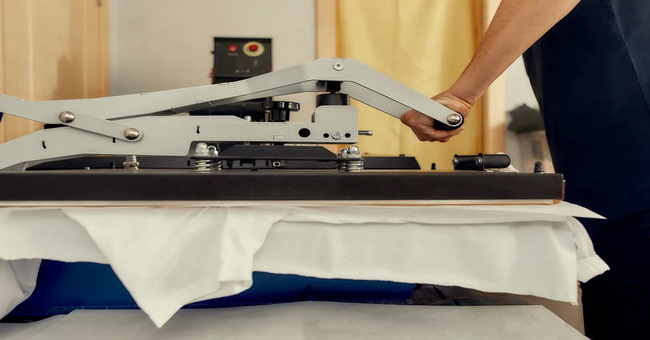
The scientific definition of sublimation is the transition of a substance directly from a solid to a gas without passing through the liquid phase. In garment and gift customization, dye‑sublimation printing means your printed ink turns into a gas under heat and pressure, then bonds inside a polymer‑based surface to create a permanent design.
When you print with sublimation ink onto transfer paper, the ink initially sits on the paper as a solid image. Under high heat from a heat press, the ink converts into a gas, penetrates the open pores of a coated or polyester substrate, and then solidifies again inside the material as it cools. Because the dye becomes part of the substrate instead of forming a film on top, the print is typically soft to the touch, highly durable, and resistant to cracking or peeling.
The sublimation workflow is built on three pillars: specialized ink, high heat and pressure, and polymer‑rich substrates.
1. Design creation
You create or import artwork in graphic software and set it to print with mirrored orientation so the image appears correctly once transferred.
2. Printing to sublimation paper
A dedicated sublimation printer (or a compatible converted printer) uses sublimation inks to print your design onto coated sublimation transfer paper.
3. Positioning on the substrate
The printed transfer is placed face down on a sublimation blank, such as a polyester T‑shirt, coated mug, or metal panel, and secured with heat‑resistant tape or wraps to prevent shifting.
4. Heat press application
A heat press applies a precise combination of time, temperature, and even pressure to activate the dyes and drive them into the substrate.
5. Cooling and finishing
After pressing, the transfer paper is removed while hot or warm (depending on the product), and the substrate cools so the dye molecules revert to solid form, now locked inside the coating or fibers.
Because this happens at the molecular level, sublimation prints can withstand repeated washing, abrasion, and UV exposure better than many surface‑level transfer methods, provided the right blanks and settings are used.
A heat press is critical because sublimation depends on accurate temperature, time, and uniform pressure.
- Sublimation dyes typically activate at high temperatures, with many workflows targeting roughly 380–400 °F for optimal color.
- The press must keep the transfer paper in tight, even contact with the substrate; hot spots, cold spots, or uneven clamping can lead to banding, faded edges, or ghosting.
- Consistent mechanical pressure is very difficult to achieve with a household iron, especially on rigid items like tiles, plaques, and metal panels.
Swing‑away heat presses are often recommended for thicker or rigid sublimation products because their vertical platen motion improves pressure uniformity on substrates of greater thickness. Clamshell presses remain popular for garments and many flat items, offering faster operation and a smaller footprint while still delivering consistent results when properly calibrated.
For cylindrical items like mugs, tumblers, or pet bowls, you can use mug presses, specialized tumbler presses, or a high‑temperature oven plus silicone wraps to achieve the necessary pressure and surface contact. When using an oven, safety guidelines strongly recommend a dedicated unit for sublimation only, separate from any oven used for food preparation.
Sublimation works best on substrates that are polymer‑rich or coated with a polyester‑based layer. The polymer structure opens up under heat, allows the gaseous dye to enter, and then closes as it cools, trapping the color inside.
- Polyester garments: T‑shirts, jerseys, performance wear, and hoodies made from high‑polyester blends (ideally 65–100% polyester) accept sublimation very well and offer soft, breathable prints.
- Poly‑coated hard goods: Mugs, tiles, metal photo panels, keychains, ornaments, phone cases, and license plates that have a factory‑applied sublimation coating are designed specifically for this process.
- Polymer‑based plastics: Certain plastics, when manufactured for sublimation, can take full‑color images for signage, badges, and tags.
- Specialty films and materials: Glitter heat transfer vinyl and some other specialty films with compatible polymer layers can be sublimated to combine texture with vivid color.
Natural fibers like cotton and low‑poly blends cannot permanently hold sublimation dyes without additional treatment. Non‑coated ceramics and metals will not bond with sublimation ink and usually result in faded or completely failed transfers.
For cotton apparel that needs vivid, full‑color graphics, decorators typically use other methods such as direct‑to‑film, direct‑to‑garment, or heat transfer vinyl, or they apply sublimation onto a polyester transfer layer that is then pressed to the cotton garment.
Sublimation has become a favorite for custom apparel and promotional products because it combines long‑term durability with bright, photographic quality.
- Permanent, wash‑resistant prints
The ink becomes part of the substrate, so properly produced items resist cracking, peeling, or flaking and stand up well to repeated washing and handling.
- Soft hand and breathability on garments
Because there is no thick ink layer sitting on top of the fabric, sublimated clothing feels soft and retains the original stretch and breathability of the material.
- High‑resolution, full‑color images
Sublimation excels at gradients, small text, and photographic images, making it ideal for premium graphics, sports uniforms, and detailed art.
- All‑over and edge‑to‑edge printing
When using cut‑and‑sew workflows or large presses, sublimation can cover entire panels or full garments with seamless designs.
- Versatility of product range
From mugs and tumblers to flags, banners, and plaques, the same basic technology can serve many markets with only changes in blanks and jig setups.
For example, sublimated coffee mugs are often dishwasher‑friendly and can retain their image for a very long time, making them a popular staple in both gift shops and online print‑on‑demand catalogs.
Despite its strengths, sublimation is not always the best choice, especially when substrates or color requirements fall outside its ideal range.
- Requires light‑colored, polymer‑rich surfaces
Sublimation dyes are translucent and cannot produce opaque white; prints look best on white or very light substrates and may disappear on dark backgrounds.
- Limited direct use on cotton
Standard cotton T‑shirts will not hold sublimation permanently without additional polymer coatings or transfer layers.
- Specialized equipment and blanks
You need dedicated sublimation inks, paper, and coated blanks, and it is recommended to use separate ovens or presses for sublimation versus food or other processes.
- Potential for ghosting or banding
If the paper shifts, pressure is uneven, or printer settings are incorrect, you can see shadow images, faded zones, or color inconsistencies.
In scenarios where you must decorate dark cotton garments with bold, opaque colors or metallic finishes, methods like direct‑to‑film, screen printing, or specialty vinyls may be a better fit, possibly alongside sublimation for poly‑based products.
Launching a reliable sublimation workflow requires coordinated equipment, not just any printer or press.
- Sublimation printer and inks
Purpose‑built sublimation printers or compatible inkjet devices loaded with sublimation inks are required to produce transfers that will gas correctly under heat.
- Sublimation transfer paper
Coated papers hold the ink on the surface for sharp prints and release it efficiently during pressing, helping maintain color saturation and detail.
- Heat press machine
Flat presses, mug presses, tumbler presses, or swing‑away machines provide controlled temperature and pressure tailored to the substrate.
- Heat‑resistant accessories
Heat tape, protective sheets, and silicone pads help secure the transfer, protect equipment, and maintain consistent contact.
- Sublimation blanks
Pre‑coated mugs, tiles, photo panels, keychains, and polyester garments are designed specifically for sublimation bonding.
For higher‑volume or industrial environments, businesses often adopt larger format printers, conveyor or tunnel ovens, or multi‑station presses to streamline throughput while keeping color and quality under tight control.
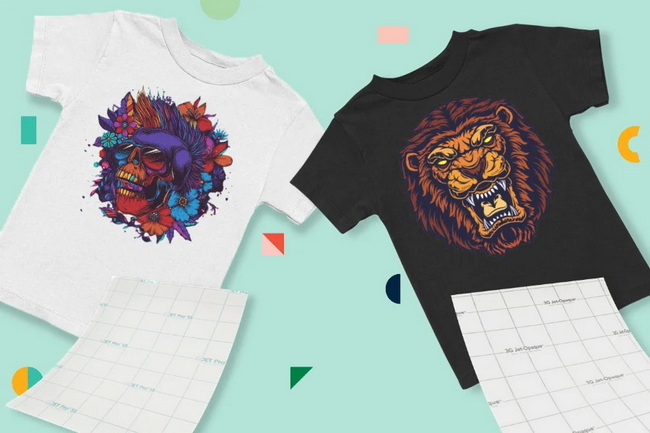
The following practical sequence applies to many entry‑level sublimation projects, especially garments and flat items.
1. Prepare your design
Set the document size to match your printable area, use recommended color profiles, and mirror the artwork if it contains text or directional graphics.
2. Print your transfer
Load sublimation paper correctly, select appropriate media and quality settings to avoid banding, and allow the print to dry thoroughly before handling.
3. Pre‑press the substrate (if needed)
For garments, a quick pre‑press removes moisture and wrinkles, creating a smooth, flat surface. For rigid items, ensure dust or oils are removed with a lint‑free cloth.
4. Align and secure the transfer
Position the print face down on the substrate and use heat‑resistant tape or wraps so it does not shift during pressing.
5. Set time, temperature, and pressure
Follow manufacturer guidelines for each blank within recommended temperature ranges and adjust pressure to be firm but not crushing.
6. Press and cool
Close the press and run the full time without opening early. Remove the transfer paper smoothly and allow the product to cool on a clean surface.
7. Quality check
Inspect color density, registration, and coverage, then note any issues such as ghosting, faded edges, or pinholes and adjust settings for the next run.
This checklist reduces trial‑and‑error and helps ensure that each new substrate type is dialed in systematically rather than by guesswork.
Sublimation's flexibility makes it attractive for both small studios and growing print‑on‑demand brands.
- Apparel and teamwear: Custom jerseys, performance shirts, cycling kits, and training gear with full‑color logos and numbers.
- Drinkware: Mugs, tumblers, and water bottles with personalized names, photos, and branding.
- Home décor: Throw pillows, photo panels, tiles, and wall art that carry detailed images and patterns.
- Promotional items: Keychains, mousepads, lanyards, and badges that use sublimation for small, sharp logos and text.
- Signage and soft signage: Flags, banners, and displays printed on polyester fabrics with high‑impact color.
The combination of relatively low entry cost for desktop systems and the ability to sell niche, personalized items makes sublimation particularly appealing for side hustles and micro‑brands.
Exact settings vary by brand and equipment, but many beginners benefit from starting ranges for different blanks.
Product Type | Typical Temp (°F) | Time Range (seconds) | Notes |
Polyester T-shirt | 380–400 | 35–60 | Medium pressure; pre-press to remove moisture. |
Ceramic mug | 380–400 | 180–240 | Use mug press or oven with wrap; ensure full contact. |
Aluminum photo panel | 375–400 | 60–120 | Use protective sheet to avoid scorch marks. |
Polyester fabric (soft signage) | 380–400 | 45–70 | Test for shrinkage; maintain fabric tension. |
Poly-coated hardboard | 360–380 | 60–90 | Firm pressure; check edges for full coverage. |
Manufacturers' instructions should always override generic charts, and a small sample run is the safest way to finalize your in‑house standard for each product.
Even experienced shops occasionally encounter print defects, but most problems trace back to a few repeatable causes.
- Faded or dull colors
Possible causes include under‑temperature, under‑time, incompatible substrate, or low ink density. Solutions include increasing temperature or time within safe limits, verifying that the substrate is truly sublimation‑ready, and checking printer profiles.
- Ghosting and shadow images
Often caused by transfer paper shifting during pressing or opening the press partially and re‑closing. Use more heat tape, ensure firm pressure, and avoid moving the substrate until it cools.
- Banding or horizontal lines
Typically due to printhead misalignment, clogged nozzles, or improper media settings. Run nozzle checks and head clean cycles, choose the correct paper profile, and reduce print speed if needed.
- Yellowing or scorching
Usually caused by excessive temperature or time or lack of protective sheets. Lower the heat or dwell time and use protective paper between the transfer and press platen.
Keeping a simple press log, recording substrate type, settings, and outcomes, helps you refine your process quickly and train new operators more effectively.
In a diversified decoration shop, sublimation often sits alongside other technologies as a complementary solution.
- Use sublimation for light polyester garments, photo gifts, and coated hard goods where durability and color vibrancy are critical.
- Use other methods when clients demand dark cotton garments, specialty inks, or extremely high volumes of a single design.
- For small runs, personalization, and print‑on‑demand, sublimation's quick setup and on‑demand production can reduce inventory risk and turnaround times.
By pairing a robust sublimation workflow with reliable heat transfer equipment and a clear product focus, many businesses build high‑margin catalogs of custom gifts, teamwear, and corporate merchandise.
Sublimation printing offers a powerful path to high‑value customization when you combine compatible substrates, high‑quality sublimation inks, and a stable heat source that delivers repeatable time, temperature, and pressure. Whether you are producing a few personalized mugs or scaling into full‑production apparel and gift lines, investing in reliable, well‑supported heat transfer equipment sets the foundation for consistent color, fewer misprints, and long‑term customer satisfaction.
If you are planning to expand into sublimation or upgrade from hobby‑level tools, now is the ideal moment to review your workflow, define your product range, and choose equipment that can grow with your business.
Call to Action: Start building your sublimation production line today by choosing a dependable heat press, matching it with a compatible sublimation printer and blanks, and testing a small range of signature products so you can confidently launch durable, full‑color custom items to your customers.
Contact us to get more information!

Yes. When properly applied to compatible substrates, sublimation dyes bond within the polymer structure of the material, creating prints that resist washing, cracking, and peeling far better than many surface‑level transfers.
Standard sublimation does not permanently bond with cotton because cotton fibers lack the necessary polymer structure to trap the dye gas. To decorate cotton with sublimated designs, decorators typically use polymer‑coating sprays, sublimation‑ready transfer films, or alternative printing methods such as direct‑to‑film or direct‑to‑garment.
During oven‑based sublimation, inks are heated to high temperatures and can release fumes that are not intended for food‑contact environments. Using a dedicated sublimation oven prevents cross‑contamination and aligns with safety best practices recommended by equipment and blank manufacturers.
Sublimation dyes the substrate itself and is best for light‑colored, polymer‑rich materials, producing soft, long‑lasting prints. Heat transfer vinyl applies a cut‑out vinyl layer on top of the fabric, offering opaque coverage, including on dark garments, but with a more noticeable hand feel and different durability characteristics.
Most sublimation‑ready blanks are specifically labeled as such and often mention a polyester or polymer coating in their description. If a ceramic, metal, or plastic item is not marketed for sublimation, it is unlikely to bond properly with sublimation dyes and may yield weak or inconsistent results.
1. https://www.heatpressnation.com/blogs/blog/what-is-sublimation
2. https://www.heatpressnation.com/pages/sublimation-tutorial
3. https://www.heatpressnation.com/blogs/blog/everything-you-need-to-know-about-sublimation
4. https://jennifermaker.com/sublimation-for-beginners/
5. https://www.crankypressman.com/sublimation-for-beginners/
6. https://en.wikipedia.org/wiki/Dye-sublimation_printing
7. https://www.rktshirts.com/sublimation-printing-101/
8. https://countrybrookdesign.com/blog/understanding-dye-sublimation-a-guide-for-small-startup-businesses
9. https://www.mondaymerch.com/us/resources/printing-techniques/dye-sublimation-printing-techniques-explained
10. https://support.heatpressnation.com/en-US/how-do-i-sublimate-a-t-shirt-191962


