If you have any questions, please feel free to contact us.| Email Us: info@dcheatpress.com


Views: 222 Author: Amanda Publish Time: 2026-01-01 Origin: Site


Content Menu
● Why Sublimation Cups Are Booming
● Core Keywords and Content Focus
>> Where to Place Main Keywords
● Sublimation Basics: What Makes a Cup Sublimation Ready
>> Durability and Double Printing
● Step by Step Workflow for Sublimation Cups
>> 2. Print on Sublimation Paper
>> 4. Press with Suitable Equipment
>> 5. Cooling, Inspection, and Packaging
● Creative Sublimation Cup Ideas by Theme
>> Floral, Nature, and Animal Themes
>> Family, Parenting, and “Mama and Me” Sets
>> Profession and Everyday Hero Designs
>> Party, Alcohol, and Celebration Themes
>> Seasonal, Holiday, and Festive Designs
>> Travel, Lifestyle, and Memory Tumblers
>> Glow in the Dark, Glitter, and 3D Special Effects
● Quick Reference: Cup Types and Use Cases
● Choosing Heat Press and Supporting Equipment
>> Types of Equipment to Consider
● Workflow Tips to Reduce Waste and Reprints
>> Calibration and Documentation
>> Testing, Templates, and Batching
● Content and SEO Strategy for Sublimation Businesses
>> Content Types That Perform Well
>> Using Internal Links and Case Studies
● Where to Find Sublimation Designs and Templates
>> Templates and Design Sources
● FAQs About Sublimation Cup Ideas and Equipment
>> Q1. What cups can you sublimate on?
>> Q2. Are sublimation mugs dishwasher safe?
>> Q3. Do I need a special heat press for sublimation cups?
>> Q4. What sublimation cup ideas sell best right now?
>> Q5. How can I avoid ghosting or faded prints on tumblers?
Sublimation cups, tumblers, and mugs are one of the most profitable product lines for custom printing businesses, especially when paired with high quality heat press machines and sublimation equipment. This enhanced guide expands on popular sublimation cup ideas, adds expert workflow tips, and helps you choose the right equipment to scale your business.[1]
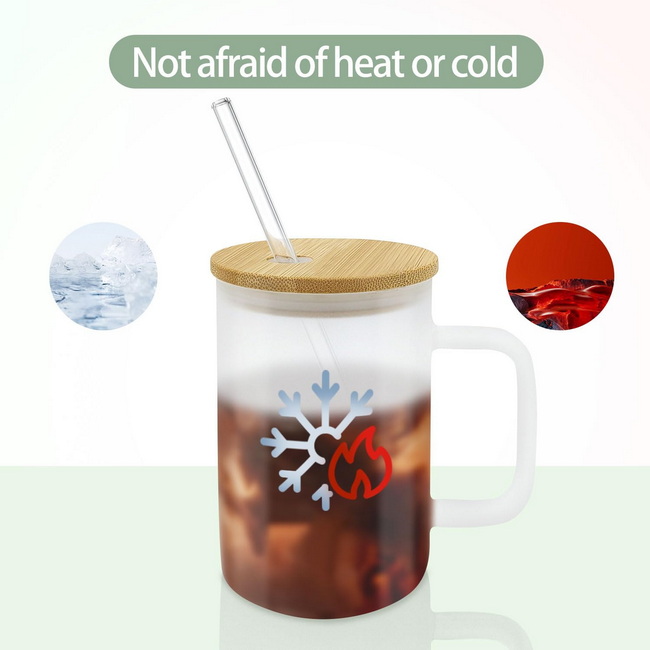
Sublimation tumblers and mugs are trending because they combine personalization, durability, and high perceived value for buyers. They support vibrant, photo quality prints that do not peel like vinyl, and they are ideal for gifts, branding, event merchandise, and online shops such as Etsy or Shopify. With the right heat press or tumbler press, you can standardize production and keep margins high in both small studios and growing workshops.[2][3][4]
To maximize search performance and align with best practice content standards, this article strategically targets phrases such as “sublimation cup ideas”, “sublimation tumbler designs”, “custom sublimation mugs”, and “sublimation heat press equipment”. These phrases should appear naturally in headings, introductions, and product descriptions rather than being repeated mechanically. Long tail phrases like “personalized sublimation tumbler ideas for small business” or “teacher sublimation tumbler design gift” help reach buyers with clear purchase intent.[3][5]
Use the primary expression “sublimation cup ideas” in the title, the first paragraph, and at least one subheading to clarify the page topic. Secondary phrases such as “sublimation tumblers”, “sublimation mugs”, and “heat press for tumblers” should appear in relevant sections about designs and equipment. When writing product descriptions or collection pages, combine theme keywords with occasion or audience descriptors, for example “Halloween glow in the dark tumbler for parties”.[5][3]
Before choosing designs, make sure your blanks and equipment meet basic sublimation requirements. A sublimation ready mug or tumbler is usually white or light colored and coated with a polyester layer that allows sublimation ink to bond during pressing. Dedicated sublimation blanks include standard mugs, skinny tumblers, wine tumblers, water bottles, sippy cups, can coolers, and glow in the dark tumblers.[1]
Sublimation prints are embedded into the coating, so they will not peel like vinyl, but gentle hand washing is still recommended to avoid surface scratching over time. It is technically possible to sublimate on a cup twice, yet the original print remains visible beneath the new design, so this is best reserved for experimental or distressed style projects.[1]
Even when the main focus is design inspiration, readers also expect a clear explanation of how sublimation cups are produced. A consistent workflow helps reduce waste, maintain color quality, and streamline training for new staff in a shop environment.[4][6]
Use design software such as Canva, Photoshop, Illustrator, or specialized sublimation tools that offer tumbler templates for different sizes. Set the canvas size to match the exact printable area of the blank in millimeters or inches and work at 300 dpi resolution for crisp output. For wraps that include photographs, follow the printer manufacturer's color profile recommendations to avoid banding or color shifts.[6][7][4]
Print the artwork using a dedicated sublimation printer loaded with sublimation inks and compatible paper. Enable mirroring for designs with text or directional graphics, so they appear correctly after transfer. Allow the print to dry briefly before taping to the tumbler to avoid smudging.[4]
Trim the printed sheet to fit the mug or tumbler and align the design so seams meet cleanly for full wrap projects. Secure the print tightly with heat resistant tape to prevent movement during pressing, which can cause ghosting or blurry edges. For some oven workflows, shrink sleeves may be used instead of or in addition to tape to ensure even pressure around the surface.[8][4]
A mug press, tumbler press, or convection oven setup is used to apply heat and pressure to the wrapped cup. Settings vary by blank and equipment, but typical recommendations include around 180 to 200 degrees Celsius with press times from about 45 seconds in a direct contact press to several minutes in an oven. Firm and even pressure is essential to achieve uniform color without light patches or fading bands.[8][4]
Once pressing is complete, carefully remove the transfer paper and allow the cup to cool before handling it extensively. Inspect for alignment errors, faded areas, or visible seams and set aside any imperfect pieces for internal use or discounted sale. Pack finished products in protective boxes or inserts to reduce damage during transport.[9][4]
Organizing sublimation cup ideas by theme makes it easier for readers to match blanks to customer interests and occasions. This section groups examples into major categories such as florals, family, professions, parties, seasonal designs, lifestyle projects, and special effect blanks.[1]
Floral and animal based sublimation cup ideas are perennial best sellers and adapt easily to mugs, skinny tumblers, and water bottles. Popular options include sunflower mugs and “mom life” sunflower skinny tumblers, as well as sunflower and gnome water bottles that combine cheerful graphics with everyday practicality. For animal lovers, colorful tiger tumblers, mystical white wolf designs, cactus motifs, and flowering cactus glitter shimmer tumblers add drama and visual depth.[7][1]
Family themed sublimation tumblers perform strongly as gifts for birthdays, baby showers, and Mother's Day. Examples include “Best Mom Ever” floral mugs, sunflower themed mom tumblers, and humorous “Hot Mess Boy Mama” designs inspired by popular toy styling. Matching parent and child sets, such as Boy Mama and Mama's Boy tumblers or cow motif sippy cup duos, allow shops to sell coordinated bundles.[10][1]
Profession specific designs speak directly to teachers, nurses, bus drivers, and other everyday heroes. Personalized teacher skinny tumblers use pencil motifs and name fields, while nursing home water bottles are customized for each resident's personality and interests. A 3D effect nurse tumbler with medical icons and an ice topper is an eye catching tribute to healthcare professionals.[1]
Humorous slogans and party friendly graphics are ideal for wine tumblers, can coolers, and event merchandise. Retro wine tumblers with “Good Vibes Only”, marine themed “Let's Get Tanked” designs, and animal themed Wino Rhino tumblers are all suited for social occasions. Duozies and can coolers featuring fishing, boating, or drinking phrases are popular for bachelorette events, graduations, and casual gatherings.[7][1]
Seasonal collections help shops plan ahead for predictable surges in demand around major holidays. Halloween designs such as haunted forest glow tumblers, scarecrow themes, and black flame candle inspired cups are particularly effective on glow in the dark blanks. Winter and Christmas duozies with flannel patterns, tree illustrations, and other festive motifs make excellent giftable products.[10][1]
Travel themed sublimation cup ideas turn trips and milestones into daily keepsakes. Anniversary cruise skinny tumblers with sunset gradients or ship silhouettes commemorate special vacations and can be personalized with dates or names. Home state mugs featuring simple state outlines or retro photo tumblers with moody imagery appeal to customers who want to celebrate place and memory.[7][1]
Special effect blanks can differentiate a product line in competitive markets. Glow in the dark tumblers work best with dark silhouettes printed over light backgrounds for designs like haunted forests, lucky clovers, or fantasy motifs. Glitter shimmer tumblers enhance butterfly gardens, mushroom forests, and flowering cactus patterns, while 3D illusion designs and resin toppers add additional depth.[2][1]
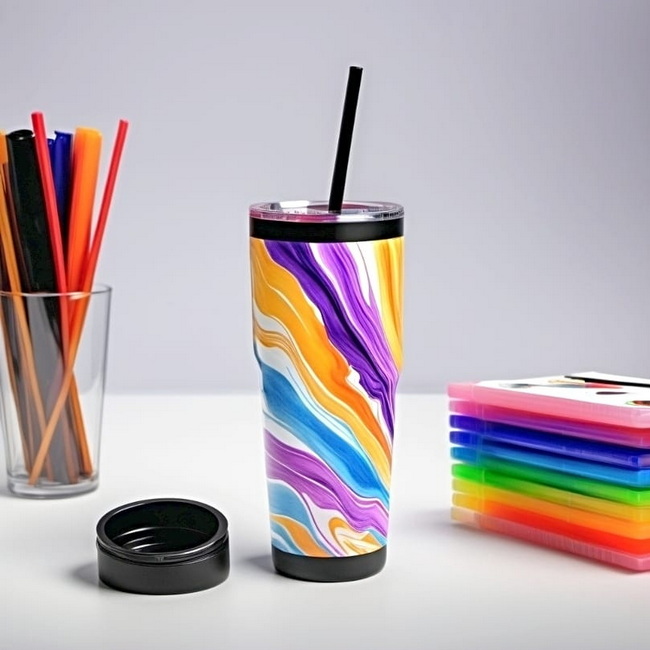
Pairing each design with the right blank helps maximize both visual impact and user satisfaction.[1]
Cup type | Typical size | Best for designs | Ideal buyer or use case |
Sublimation mug | 11 to 15 oz | Text plus simple graphics | Coffee drinkers, corporate gifting, everyday use |
Skinny sublimation tumbler | 20 to 30 oz | Full wrap art, patterns, photos | Lifestyle buyers, travel, fitness, daily hydration |
Wine tumbler | 12 oz | Retro, party, humorous slogans | Parties, events, casual gifts |
Duozie or can cooler | 12 oz slim or thick | Rustic, fishing, boating, drinking themes | Outdoors, beach, fishing trips, BBQ events |
Hydro water bottle | 18 oz and above | Kids characters, sports, personalization | Schools, nursing homes, sports teams, daily carry |
Sippy cup duo | 12 oz | Kids motifs, “mama and me” sets | Parents, toddlers, gift sets |
Glow in the dark tumbler | 20 oz | Silhouettes, spooky or night themes | Halloween, nightlife, novelty gifts |
Glitter shimmer tumbler | 20 oz | Florals, fantasy, whimsical imagery | Fashion forward buyers, boutique gifts |
Consistent, professional quality sublimation cups require reliable equipment as well as appealing designs. A flat heat press is used mainly for garments and flat substrates, while cylindrical surfaces perform best in mug presses, tumbler presses, or heat safe oven systems.[9][8][4]
A dedicated mug or tumbler press applies focused, even pressure along the curved surface of cups and is ideal for frequent production. Convection oven setups combined with shrink wraps can process multiple tumblers simultaneously and suit workshops that prioritize batch efficiency. For larger scale operations, semi automatic and industrial grade presses reduce operator fatigue and improve repeatability across long runs.[8][9][4]
Important features include stable and accurate temperature control, uniform pressure across the heating element, and reliable timers that help avoid over or under pressing. Modular systems or multi function presses allow users to handle different cup sizes and accessories by swapping heating elements, while dedicated single purpose presses may offer better consistency for a single format. Selecting robust machines supported by responsive technical service makes it easier to maintain uptime in a production environment.[9][4]
Reducing misprints improves profitability and supports a more sustainable workflow. Standardized processes, documented settings, and controlled testing are central to this goal.[4]
Record time, temperature, and pressure settings for each type of mug or tumbler blank and keep this information accessible near the equipment. Once settings have been tuned for a particular combination of printer, ink, paper, and press, they can be reused as a starting point for future jobs. Maintaining these reference values also simplifies staff training.[4]
Before committing to a full production run, press a single sample or test strip to verify color and coverage, especially when using new inks or papers. Use consistent wrap templates for each size of mug or tumbler to minimize alignment errors and visible seams. Batch similar orders together by blank type and print area, which reduces the number of times equipment settings need to be changed during the day.[9][4][1]
Beyond individual product pages, a structured content plan helps attract organic traffic and build topical authority around sublimation cup ideas and equipment. Educational resources that mix inspiration with practical instruction tend to earn stronger engagement and shares.[3][7]
Step by step tutorials, such as in depth guides to sublimating 20 oz skinny tumblers, can target specific search queries and help new users feel confident. Idea roundups focused on narrow niches, for example teacher themed tumblers or fishing themed can coolers, support both search traffic and social media discovery. Equipment comparison posts that explain how to choose a tumbler press or heat press for different production volumes support decision making for new buyers.[6][10][7][9]
Internal links between design idea articles, workflow guides, and product pages help search engines understand the structure of a site and strengthen topic relevance. Case studies that describe how real customers scaled from hobby setups to small factories using specific equipment give visitors concrete performance benchmarks. Combining data points like reduced defect rates or increased daily output with photographs of finished tumblers helps demonstrate authority and practical experience.[3][9]
Many crafters and small businesses rely on a combination of free templates, commercial design marketplaces, and original artwork to develop sublimation cup ideas.[1]
Free tumbler templates are often available on sublimation tumbler product pages, particularly for popular sizes such as 20 oz and 30 oz skinny blanks. Curated collections with hundreds or thousands of ready to use sublimation designs can be found through specialist design platforms, some of which offer commercial use licenses. Software oriented lists that highlight recommended tools for sublimation design help readers choose applications that match their workflow and skill level.[6][1]
You now have a structured overview of sublimation cup ideas, production workflows, equipment types, and design sources that can support a profitable drinkware line. To turn these concepts into consistent, sale ready products, choose reliable heat presses and supporting equipment that match your current production scale and growth plans. Take the next step today by reviewing your existing setup, identifying gaps in your mug and tumbler pressing capabilities, and selecting professional grade machines that will help you deliver stable quality and faster turnaround for customers worldwide.[9][4][1]
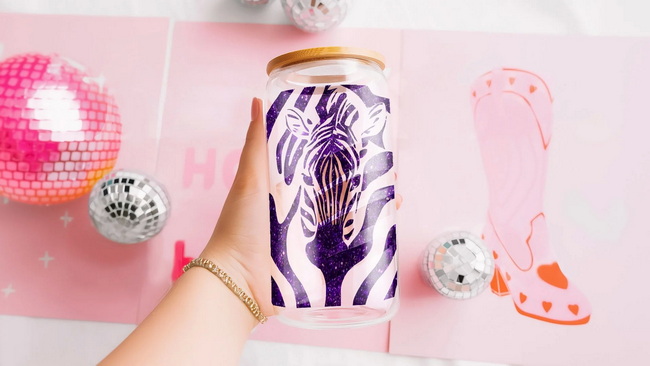
You can sublimate on mugs, tumblers, bottles, and sippy cups that are specifically labeled as sublimation ready and coated with a polyester or sublimation friendly layer. Regular ceramic or metal drinkware without this coating will not accept sublimation ink properly.[1]
Sublimation inks form a durable bond within the coating and do not peel or crack under normal use. However, gentle hand washing is usually recommended to minimize surface abrasion that may occur in some dishwashers over time.[1]
Curved surfaces such as mugs and tumblers require either a mug or tumbler press or a convection oven system with suitable wraps to achieve even heat and pressure. Flat heat presses are designed for garments and flat blanks and cannot make full contact around a cylindrical cup.[8][4]
Trending themes include floral and sunflower mom tumblers, pet lover designs, glow in the dark Halloween or fantasy cups, teacher tumblers, and personalized wedding or travel photo designs. Niche designs that speak directly to a profession, hobby, or event often perform especially well on print on demand platforms.[10][7][1]
Use compatible sublimation paper and ink, secure the design tightly with heat resistant tape, and avoid moving the transfer while it is hot. Follow tested time, temperature, and pressure settings for each blank type and inspect samples regularly to adjust if colors appear washed out or uneven.[4]
[1](https://makerflo.com/blogs/craft-library/sublimation-cup-ideas-tumblers-mugs-more)
[2](https://www.coolnicetumbler.com/the-rise-of-personalized-tumblers/)
[3](https://marketingartfully.com/etsy-seo-mugs-cups/)
[4](https://makerflo.com/pages/getting-started-sublimation)
[5](https://www.wordtracker.com/search?query=sublimation+printing)
[6](https://makerflo.com/blogs/craft-library/how-to-make-sublimation-tumblers-free-templates)
[7](https://printify.com/blog/tumbler-design-ideas/)
[8](https://www.reddit.com/r/Sublimation/comments/1hwic68/newest_tumbler_i_pressedi_prefer_tumblers_with_a/)
[9](https://thestainlessdepotcompany.com/blogs/news/how-to-craft-an-effective-tumbler-product-description)
[10](https://ecommercefastlane.com/18-tumbler-design-ideas-to-try-and-sell-in-2025/)


