If you have any questions, please feel free to contact us.| Email Us: info@dcheatpress.com


Views: 222 Author: Amanda Publish Time: 2025-12-27 Origin: Site


Content Menu
● What Is a Tumbler Press Machine
● Tumbler Press vs. Mug Press: What's the Difference
● Understanding Materials and Coatings
● Growing Niches for Tumbler Printing
● Essential Features to Consider
● Recommended Temperature, Time, and Pressure Settings
● Step-by-Step: How to Use a Tumbler Press
● Pro Tips for Superior Results
● Choosing the Best Machine for Your Business
● Example: Popular Choice for Small Businesses
● Maintenance Tips for Longevity
● Build Your Tumbler Printing Business Today
● FAQs About Tumbler Press Machines
>> 1. Can you use shrink wrap in a tumbler press?
>> 2. Can you use a mug press for tumblers?
>> 3. How tight should a tumbler press be?
>> 4. How long do you press a sublimation tumbler?
>> 5. Can you sublimate a tumbler without a press?
In recent years, personalized tumblers have become one of the hottest trends in the custom printing market. A tumbler press machine allows creators and businesses to produce high-quality designs on drinkware quickly and efficiently. Whether you're starting a small studio or upgrading your production capabilities, understanding how a tumbler heat press works is the first step toward professional, profitable results.
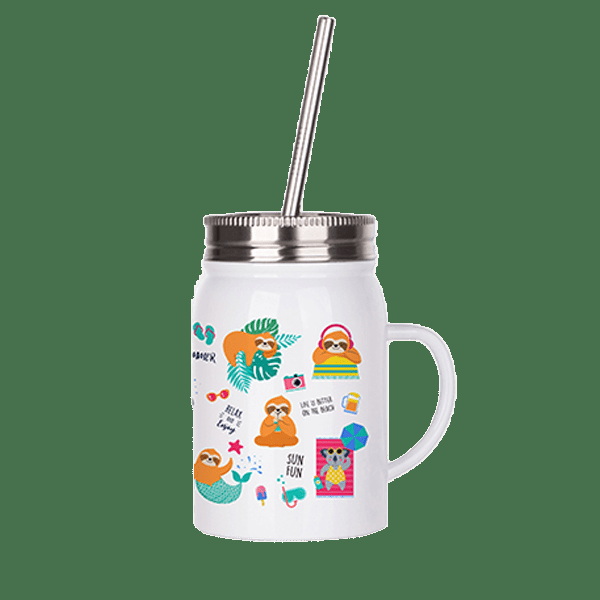
A tumbler press machine, also called a tumbler heat press or mug press, is a specialized piece of equipment designed to transfer sublimation prints or heat transfer vinyl onto cylindrical drinkware. The curved heating element wraps tightly around the tumbler's surface, applying consistent heat and pressure to produce vibrant, permanent images.
Compatible materials include:
- Stainless steel tumblers (20–40 oz sizes)
- Ceramic mugs (11–15 oz)
- Glass jars and aluminum bottles with sublimation coating
Each substrate must have a polymer coating to ensure the sublimation ink bonds effectively during heating.
Although both machines serve similar purposes, there are practical differences that impact usability and results.
Aspect | Tumbler Press Machine | Mug Press Machine |
Primary use | Tall tumblers and bottles | Standard coffee mugs |
Heater size | Longer heater for 20–40 oz sizes | Shorter, suited for 11–15 oz mugs |
Flexibility | Supports interchangeable heaters | Limited heater options |
Typical users | Small businesses and tumbler decorators | Hobbyists and souvenir shops |
Modern tumbler presses often have adaptable designs that can work for both mugs and tumblers using different heater attachments.
The quality of your print depends heavily on selecting the right tumbler blanks and coatings. Always use drinkware labeled “for sublimation” to ensure it withstands the required temperatures and provides a surface that the ink can penetrate. Avoid using non-coated plastics, as they may warp or fail to hold color during the transfer process.
Tumbler printing appeals to multiple market segments, making it a lucrative business opportunity:
- Personalized lifestyle products
- Event and corporate gifts
- Promotional branding
- School, sports, and community fundraising
- Seasonal or tourism merchandise
By identifying and targeting these niches, businesses can diversify their audience and strengthen long-term brand presence.
A tumbler heat press applies heat, pressure, and time to transfer sublimation designs onto coated surfaces. When heated, sublimation ink becomes gas and fuses into the tumbler's coating, resulting in a durable and fade-resistant image.
Modern machines include features like:
- Adjustable pressure settings
- Digital temperature and timer controls
- Multi-station operation for higher productivity
- Automatic release systems to prevent over-pressing
Allows multiple tumblers to be pressed simultaneously, improving production output.
Automatically releases pressure when pressing time ends, preventing overheating and saving labor.
Swap different heater attachments to accommodate various tumbler sizes, from shot glasses to large travel mugs.
Provide precise control over temperature and time to maintain consistent transfer quality.
Ensures firm, even contact across the tumbler surface to avoid faded areas.
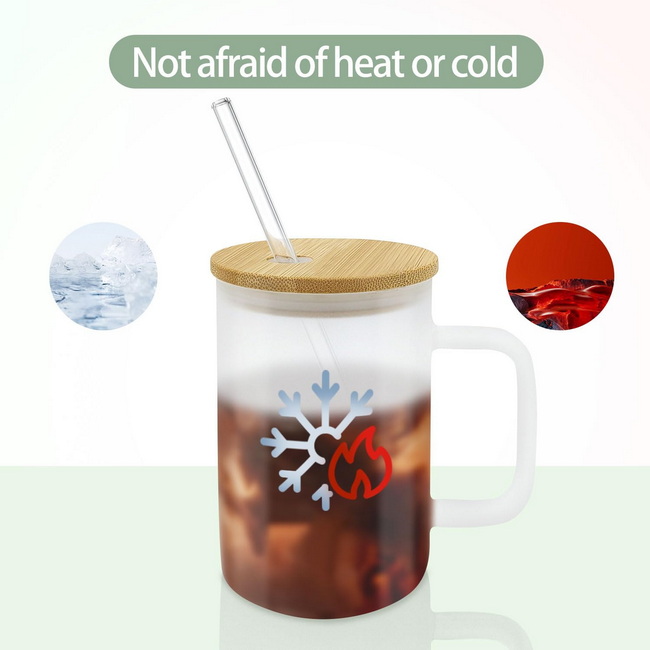
Settings will vary depending on your materials and equipment. Use the following as general starting guidelines:
Substrate | Preheat (°C) | Press (°C) | Time (seconds) | Pressure |
20 oz stainless tumbler | 160 | 175 | 20 | Medium |
40 oz stainless tumbler (top) | 160 | 180 | 40 | Medium |
40 oz stainless tumbler (bottom) | 160 | 175 | 20 | Medium |
Ceramic mug | 160 | 190 | 45 | Medium |
Glass jar | 160 | 190 | 50 | Medium |
Aluminum bottle | 160 | 175 | 25 | Medium |
Always perform test runs before full production to determine your machine's ideal calibration.
Before you begin pressing, gather these items to ensure smooth operation:
- Tumbler heat press machine
- Sublimation-ready blanks
- Sublimation paper and ink
- Heat-resistant tape
- Printed design (mirrored for text)
- Heat-resistant gloves
Proper preparation prevents misprints and guarantees a safer work environment.
1. Print the design – Mirror your design and print on sublimation paper.
2. Clean the tumbler – Remove dust or oil with a lint-free cloth.
3. Wrap and tape – Align the design carefully and secure all edges with heat-resistant tape.
4. Preheat the press – Allow the machine to reach set temperature.
5. Adjust pressure – Ensure the tumbler fits snugly without excessive force.
6. Press the tumbler – Heat for the required time under steady pressure.
7. Cool and unwrap – Let the tumbler cool completely before peeling off the paper to reveal the design.
- Perform regular calibration tests for temperature and time.
- Maintain consistent pressure across the tumbler.
- Prevent ghosting by ensuring tight wraps and avoiding early peeling.
- Trim white borders to avoid ghost lines on full-wrap prints.
- Always use protective gloves and a heat-safe work area.
When investing in a tumbler heat press, balance quality, flexibility, and cost. Consider:
- Daily production volume
- Range of tumbler sizes you plan to print
- Machine durability and warranty
- Availability of replacement heater elements
- Ease of use for multiple operators
Selecting a versatile model that supports future growth ensures long-term value.
The GS‑205B Plus is a strong example of an efficient tumbler press for small-scale production. With support for multiple heater attachments and up to three pressing positions simultaneously, it provides impressive output without compromising quality. Its user-friendly interface and reliable construction make it suitable for consistent commercial use.
To maximize your equipment's lifespan and maintain consistent quality:
- Clean heater surfaces after each use.
- Tighten screws and bolts periodically.
- Lubricate joints with high-temperature grease.
- Regularly test temperature accuracy with a thermometer.
- Store and operate the press in a clean, dry environment.
A well-maintained machine will extend its service life and reduce downtime.
Ready to start or scale your custom drinkware business? Invest in a professional tumbler press machine that meets your production goals, from small-batch personalization to bulk corporate orders. Explore our range of high-quality tumbler heat presses and heat transfer equipment at COLORFUL (dcsbheatpress.com) — engineered for reliability, precision, and long-term growth. Turn your creative ideas into real profits today.
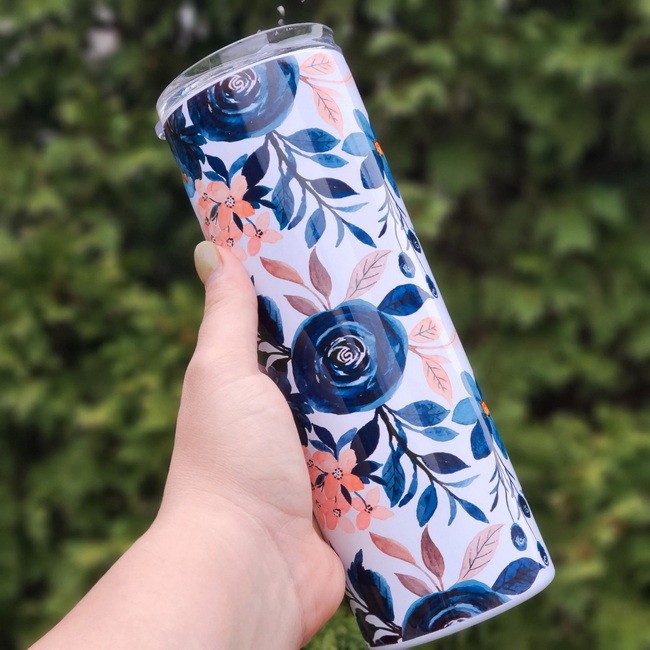
Shrink wrap can be used but is generally unnecessary when the tumbler press provides even pressure. A properly adjusted machine and well-taped transfer will produce clean results.
Yes, many mug presses can handle tumblers as long as they have the correct heater attachment. Always check the maximum diameter your machine supports.
Close the handle firmly so the tumbler does not move, but avoid excessive force that could damage the tumbler or cause uneven prints.
Typical time ranges from 20–40 seconds, depending on material and temperature. Always refer to the manufacturer's recommended settings and perform a test print first.
Yes. Alternatives like convection ovens exist, but a dedicated tumbler press provides superior consistency, color accuracy, and safety for business use.


