If you have any questions, please feel free to contact us.| Email Us: info@dcheatpress.com


Views: 222 Author: Amanda Publish Time: 2025-12-29 Origin: Site


Content Menu
● Why Starting a Vinyl Cutter Business Is Profitable
● Money Maker #1: Custom T-Shirts with Heat Transfer Vinyl
>> Best Markets for HTV Shirts
● Money Maker #2: Window and Vehicle Decals
>> High-Demand Decal Opportunities
>> Pricing and Profit Potential
● Money Maker #3: Jerseys and Teamwear
>> Profitable Teamwear Projects
● Comparing Profitability: T-Shirts, Decals, and Jerseys
● Startup Costs and ROI Planning
● Optimized Workflow for Beginners
● Marketing and Growth Strategies
● Turn Your Craft into a Sustainable Business
● FAQs About Starting a Vinyl Cutter Business
>> 1. Is a vinyl cutter business still profitable in 2025?
>> 2. Do I need an expensive cutter to start?
>> 3. What is the easiest first product to sell?
>> 4. How can I price my work correctly?
>> 5. Do I need business registration or insurance?
Launching a vinyl cutter business in 2025 remains one of the easiest and most profitable ways to start earning from customized products. With only a vinyl cutter and a quality heat press, you can produce apparel, decals, and teamwear with professional results and excellent margins. This guide explores the top opportunities, pricing models, workflow steps, and marketing strategies to help you build a sustainable and scalable operation.
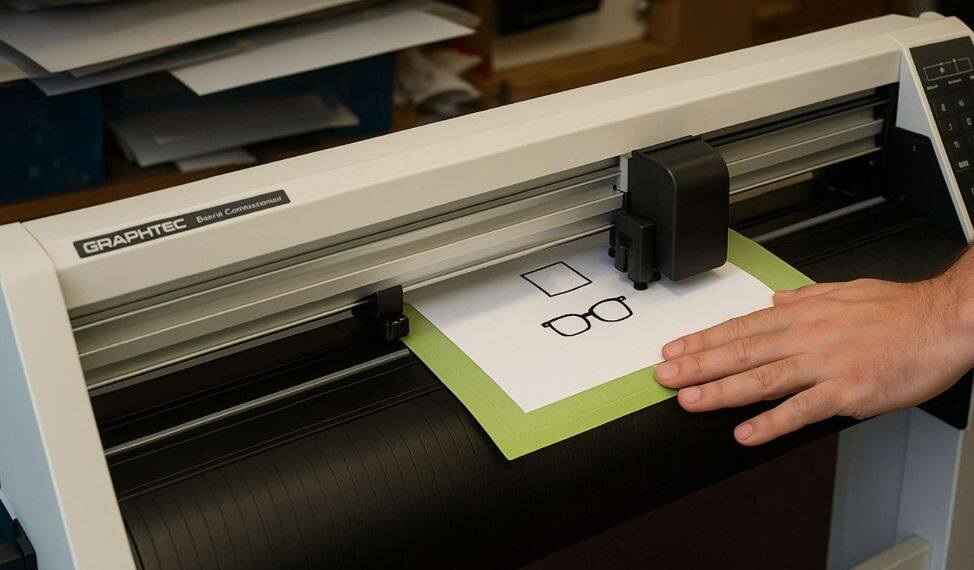
A vinyl cutter allows you to create high-quality designs from heat transfer vinyl (HTV) or adhesive vinyl for clothing, glass, metal, plastic, and more. This flexibility means you can serve both personal and business markets—from customized gifts to local branding projects—without expensive overhead.
Key benefits for entrepreneurs:
- Low startup cost: Significantly cheaper than DTG or screen printing setups.
- On-demand production: Perfect for short runs and custom orders.
- Fast learning curve: Basic cutting and pressing techniques are easy to master.
- High perceived value: Customers happily pay more for personalized products.
Custom T-shirts remain the foundation of most vinyl cutter businesses. Demand is strong across events, small brands, schools, and online stores. The simplicity of HTV makes it fast to fulfill one-off or small-batch orders without needing complex setup steps.
Profitable segments include:
- Local events and fundraisers such as school fairs or charity runs.
- Startups, influencers, and micro brands needing limited designs.
- Family occasions like birthdays, anniversaries, and reunions.
- Companies ordering short runs for staff uniforms.
Use specialty vinyl finishes—glitter, puff, metallic, reflective—to offer premium options and increase margins.
- Base cost per shirt: $12–$21 (including blank, vinyl, and labor).
- Typical retail price: $22–$35 depending on design complexity.
- Profit margin: $8–$15 per shirt on average; higher with premium finishes.
Add value by offering bundled deals, design customization fees, or coordinating items such as tote bags and hoodies.
Adhesive vinyl graphics open a new revenue stream beyond apparel. From business signage to car lettering, decals help you attract B2B customers willing to pay for durability and professional presentation.
Focus on reliable, easy-to-deliver projects such as:
- Storefront logos, business hours, and promotional signs.
- Vehicle decals and lettering for local trades or delivery services.
- Home and office wall décor for seasonal changes or motivational quotes.
- Sports team stickers, hobbies, and custom family decals.
Use size-based or project-based pricing:
- Small decals: fixed rate per piece (with a minimum order).
- Storefront/vehicle graphics: priced by square inch or foot, plus installation.
- Offer installation services—customers often prefer professionals and pay extra.
This combination of production and installation generates strong hourly income while differentiating you from low-cost online competitors.
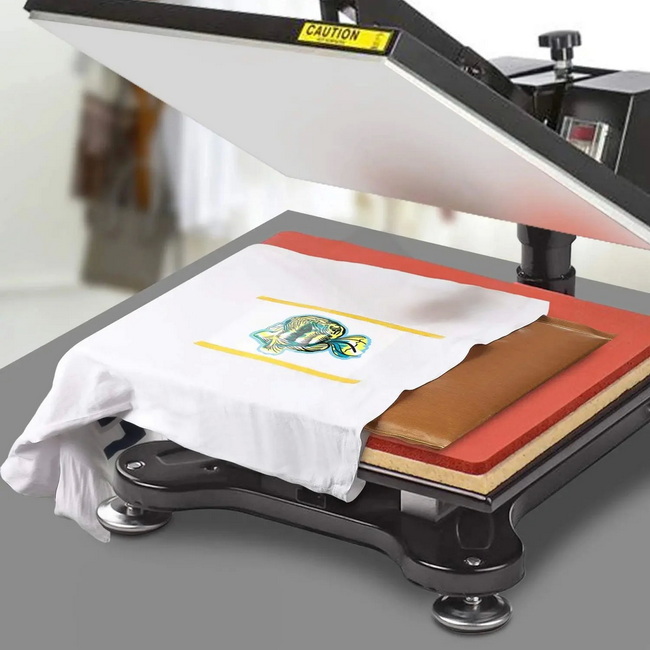
Teamwear customization thrives because schools, leagues, and corporate teams often reorder seasonally. Personalized names and numbers are perfectly suited for vinyl cutting since it handles low-quantity, high-variety production efficiently.
- Game jerseys, warm-ups, and practice uniforms.
- Custom training apparel for coaches and players.
- Supporter merchandise such as hoodies and fan T-shirts.
- Banner vinyl graphics for sidelines or sponsorship.
Use heat press attachments or specialty platens to print smaller areas like sleeves or shorts, maximizing the range of products you can offer.
Combine garment cost and personalization fees:
- Base jersey: wholesale price + markup.
- Custom name & number: flat rate per player.
- Offer team bundles (e.g., jersey + shorts + warm-up tee) for higher average sales.
Encourage coaches or leagues to add parent and fan packages to increase total revenue per team order.
Product Type | Typical Clients | Average Order Size | Production Complexity | Profit Potential | Notes |
Custom T-Shirts | Individuals, small groups | Small–medium | Low | Moderate, scalable volume | Ideal for beginners |
Decals & Stickers | Small businesses, car owners | Medium–large | Medium | High, especially with installation | Builds B2B relationships |
Teamwear | Schools, leagues, clubs | Medium–large | Moderate | High recurring revenue | Seasonal repeat orders |
This comparison highlights how combining all three categories creates a balanced product portfolio with recurring and diversified income streams.
Starting costs are relatively modest compared to print shops. You only need essential equipment and materials.
Typical startup assets:
- Entry-level to midrange heat press.
- Professional vinyl cutter.
- Starter packs of HTV and adhesive vinyl.
- Design software and basic weeding tools.
If each shirt nets around $10 profit, a $1,000–$1,500 setup can break even after roughly 100–150 sales. Mixing T-shirt and decal work accelerates payback time significantly.
Following a consistent workflow ensures smooth production and professional quality.
1. Order intake: Collect design details, quantities, deadlines, and pricing.
2. Artwork and proofing: Create vector layouts and confirm customer approval.
3. Material selection: Match vinyl type to the substrate (cotton, polyester, metal, glass, etc.).
4. Cutting and weeding: Use test cuts to ensure precision and reduce wasted material.
5. Application: Apply proper temperature, pressure, and dwell time per material type.
6. Quality check: Inspect alignment, adhesion, and finish before packaging.
Documenting each stage reduces errors and supports consistent product quality.
Growing your vinyl cutter business requires visibility, trust, and repeat customers. Blend local engagement with online marketing for maximum effect.
Effective promotions include:
- Building partnerships with schools, sports clubs, and local companies.
- Displaying before-and-after photos on social platforms.
- Offering loyalty discounts or referral bonuses.
- Timing promotions with calendar events such as holidays or graduation seasons.
- Featuring customer testimonials to boost credibility.
Consistency builds brand recognition and drives long-term growth.
Every successful vinyl cutter entrepreneur begins with a single test press. Whether you sell T-shirts, decals, or teamwear, focus on consistent quality, clear communication, and smart reinvestment in tools that expand your capacity. Build local relationships, gather testimonials, and steadily refine your workflow.
If you are ready to transform your skills into real revenue, now is the time to act. Upgrade to professional-grade heat presses and cutters, create your first three paid orders, and showcase them confidently—each completed project brings you closer to a reliable, full-time vinyl business.
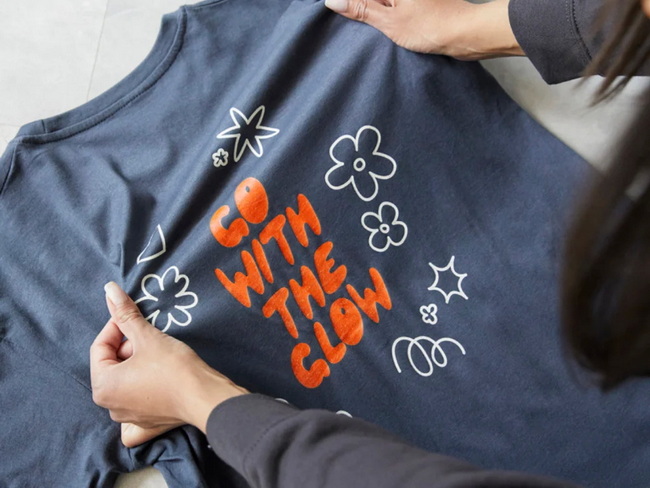
Yes. Personalization demand continues to grow across apparel, décor, and small business branding. Consumers prefer quick, local, and customizable solutions over mass production.
No. Many entrepreneurs begin successfully with midrange cutters. Focus on machines offering reliable tracking, clean cuts, and good software compatibility before scaling up.
Single-color custom T-shirts are often the fastest to sell and simple to produce. They also help you practice vinyl alignment, pressing, and cost estimation.
Include all costs—materials, labor, electricity, equipment depreciation, and packaging. Then set a margin that keeps you competitive while rewarding your time.
Most regions allow home-based operations, but basic registration and liability coverage are recommended for professional credibility and protection.


