If you have any questions, please feel free to contact us.| Email Us: info@dcheatpress.com


Views: 222 Author: Amanda Publish Time: 2026-01-10 Origin: Site


Content Menu
● Importance of Fusing in Pakistan's Textile Sector
● Market Landscape for Fusing Machines in Pakistan
● Key Players and Distribution Channels
● COLORFUL as a Global Technology Partner
● Types of Fusing and Bonding Machines Used in Pakistan
>> Continuous Belt Fusing Machines
>> Flatbed and Shuttle Fusing Units
>> Multifunction Heat Press Machines
>> High-Pressure Pneumatic and Hydraulic Presses
● Critical Features Buyers Should Evaluate
>> Temperature Control and Uniformity
>> Pressure Stability and Adjustability
>> Belt Width, Speed, and Throughput
>> Energy Efficiency and Operating Cost
>> Service, Spare Parts, and Training
● Operational Best Practices for Pakistani Factories
● Digitalization and Automation Trends
● Value-Added Processes: Welding and Embossing
● Strategic Considerations for Pakistani Buyers
● FAQ
>> 1. What is a textile fusing machine and why is it critical for Pakistani factories?
>> 3. Which features should Pakistani buyers prioritize when choosing a fusing machine?
>> 4. Can fusing technology be combined with other heat-based processes like welding and embossing?
>> 5. How is the global fusing machine market evolving, and what impact does this have on Pakistan?
Pakistan's powerful textile and apparel industry relies on dependable textile fusing solutions to achieve consistent garment quality, export competitiveness, and efficient large-scale production. As demand grows for higher-value garments and home-textile products, the role of Textile Fusing Machine Manufacturers and Suppliers becomes increasingly strategic for Pakistani mills and garment factories.[1][2]
Fusing is the process of bonding fusible interlining or other materials to a base fabric through a controlled combination of heat, pressure, and time. In Pakistan, where shirt manufacturing, denim, knitwear, suiting, and workwear are major export categories, this process is critical for collars, cuffs, waistbands, plackets, and other structured elements that must maintain shape during wear and laundering.[2][3]
Textile Fusing Machine Manufacturers and Suppliers help factories achieve:
- Consistent adhesion between interlining and fabric to prevent bubbling, delamination, and shine marks.
- Uniform garment appearance across large production runs, which is crucial for export buyers.
- Reduced rework and fewer quality rejections, leading to lower production costs and better delivery performance.[1]
As global fashion cycles accelerate and brands demand shorter lead times, Pakistani producers cannot afford unstable fusing quality, which makes reliable equipment and support from Textile Fusing Machine Manufacturers and Suppliers essential.[2]
Pakistan is among the leading textile producers in Asia, exporting yarns, fabrics, garments, and home textiles to markets worldwide. The scale of spinning, weaving, knitting, and garmenting operations creates strong demand for continuous fusing presses, flatbed fusing units, and specialized bonding equipment supplied by experienced Textile Fusing Machine Manufacturers and Suppliers.[4][2]
Many Pakistani factories obtain their machinery through local engineering groups and importers that partner with international brands. These partners focus on:[5]
- Importing advanced fusing technology that suits local fabric types and production styles.
- Maintaining stock of machines and critical spare parts in major industrial hubs.
- Providing installation, training, and maintenance services for long-term reliability.[5]
As competition intensifies from other textile-producing countries, Pakistani buyers evaluate Textile Fusing Machine Manufacturers and Suppliers not just on initial price but on total value, including energy efficiency, automation, support response time, and technology upgrade pathways.[1]
While Pakistan has some local engineering capability, the majority of high-end fusing solutions are sourced from international Textile Fusing Machine Manufacturers and Suppliers through established distributors. These distributors typically operate in Karachi, Lahore, Faisalabad, and other industrial centers, offering:[5]
- Demonstration facilities where customers can test fusing machines on their own fabrics and interlinings.
- Technical teams that understand local garment styles—such as denim, knitwear, and formal suiting—and can recommend suitable fusing parameters.
- Warehousing for belts, heaters, electronic components, and other critical parts to reduce downtime.[5]
International manufacturers supply continuous belt fusing machines, compact flatbed units, and special-purpose systems tailored to garments, home textiles, and technical textiles. Close collaboration between these Textile Fusing Machine Manufacturers and Suppliers and Pakistani distributors ensures that technology choices align with local production realities and cost structures.[3][5]
COLORFUL (dcsbheatpress.com) focuses on the research, development, production, sales, and service of high-quality heat transfer equipment, welding machines, and embossing machines for global customers. Its product lines support diverse printing and bonding needs, making COLORFUL a relevant partner for Pakistani textile and garment producers seeking high-performance solutions from trusted Textile Fusing Machine Manufacturers and Suppliers.[6][7]
By offering robust structures, precise temperature control, and stable pressure systems, COLORFUL's equipment can integrate effectively into export-oriented factories that require reliable operation across multiple shifts. For Pakistani buyers, this means:[6]
- Equipment designed for demanding production environments in apparel and printing workflows.
- Technical support models that emphasize long-term use, upgrades, and easy maintenance.
- Compatibility with sublimation, transfer printing, and other processes that complement traditional fusing.[7]
Through regional partnerships and direct cooperation, COLORFUL can help apparel and home-textile producers in Pakistan enhance fusing consistency and decorative applications while working alongside local Textile Fusing Machine Manufacturers and Suppliers and distributors.[6]
Different segments of Pakistan's textile ecosystem adopt different machine types from Textile Fusing Machine Manufacturers and Suppliers according to fabric characteristics, product categories, and production volumes. Common categories include:[1]
Continuous presses use a moving belt system to carry fabric and interlining through heated and pressurized zones. They are popular in medium and large shirt, suiting, and uniform factories because they provide:[3]
- High throughput suitable for mass production.
- Consistent temperature and pressure across the full belt width.
- Repeatable bonding quality over long runs.[1]
Flatbed fusing presses and shuttle-type units are widely used in sampling rooms, small-batch production, and specialized garment segments. Benefits include:[8]
- Flexibility to handle different garment components and fabric styles.
- Easier operation for small production houses and design studios.
- Lower entry cost compared with large continuous presses.[9]
Multifunction heat presses that handle T‑shirts, caps, mugs, and plates are important for printing studios and small apparel brands. These machines, often supplied by diversified Textile Fusing Machine Manufacturers and Suppliers or print-equipment specialists, provide:[10]
- Versatility for custom printing and promotional product businesses.
- Support for sublimation, vinyl, and transfer printing workflows.
- Compact footprints suitable for urban print shops and online sellers.[11]
Pneumatic and hydraulic presses are used for thick or multilayer constructions such as workwear, protective clothing, and certain outerwear styles. In Pakistan, these systems complement continuous fusing lines by enabling:[12]
- Strong bonding on dense fabrics or complex assemblies.
- Precise control of high pressure for specialized materials and patches.
- Integration into production cells handling heavy-duty garments.[12]
Across these categories, Textile Fusing Machine Manufacturers and Suppliers integrate increasingly advanced electronics and digital controls to ensure accurate and stable performance.[3]
Pakistani factories investing in fusing technology must look beyond basic specifications and consider how machines from Textile Fusing Machine Manufacturers and Suppliers will perform in daily operations. Key evaluation points include:[1]
Reliable fusing depends on precise temperature control across the platen or belt:
- Digital controllers and high-quality sensors help maintain set temperatures even during continuous operation.[3]
- Uniform heat distribution ensures that every area of the fabric-interlining pair receives the same thermal energy, reducing risk of partial bonding or scorching.[9]
Different fabrics and interlinings require specific pressure levels to achieve optimal bonding:
- Machines should provide easy adjustments of pressure to handle lightweight, medium, and heavy fabrics.[3]
- Stable pressure across the belt or platen prevents visible marks or uneven adhesion on sensitive materials.[8]
Factories must match machine capacity to their production needs:
- Wider belts and higher speed ranges are vital for large shirt or trouser units producing thousands of pieces per day.[1]
- Smaller operations may prioritize compact size and moderate throughput, focusing instead on flexibility and ease of use.[9]
With rising energy costs, many buyers evaluate how Textile Fusing Machine Manufacturers and Suppliers handle power consumption:
- Modern machines incorporate better insulation, efficient heating modules, and optimized control algorithms to lower energy use.[1]
- Over the life of the machine, energy-efficient models can significantly reduce operating expenses for Pakistani factories.[2]
Reliable after-sales support is critical in industrial environments:
- Local partners should stock essential spare parts and have trained technicians for quick on-site support.[5]
- Textile Fusing Machine Manufacturers and Suppliers that offer structured training programs help factories standardize processes, reduce operator mistakes, and improve overall line efficiency.[5]
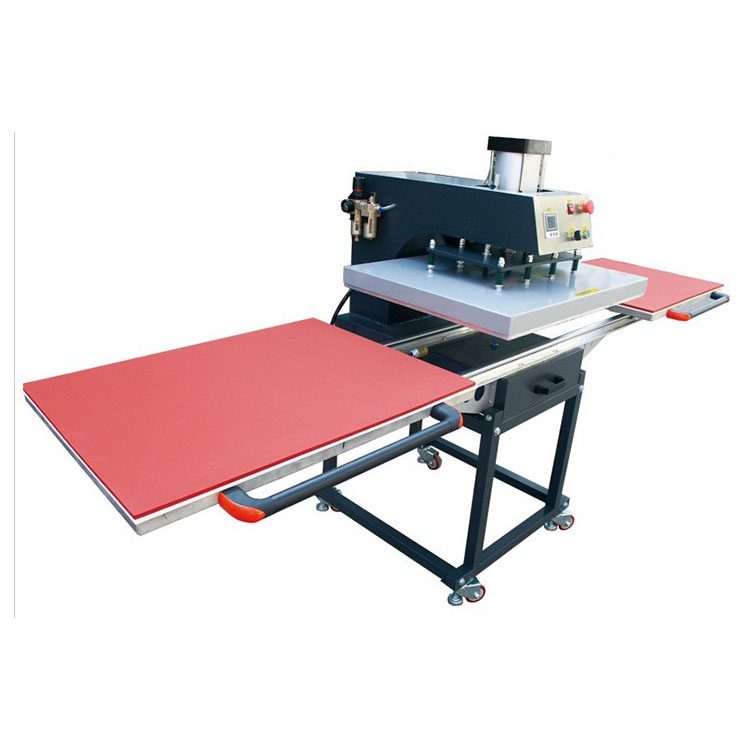
Even the best equipment from Textile Fusing Machine Manufacturers and Suppliers will underperform if not operated correctly. Pakistani garment and textile factories can maximize results by following some practical guidelines:[3]
- Standardize fusing parameters (temperature, pressure, time) for each fabric and interlining combination and document them for operators.
- Conduct regular test fusing on small swatches when introducing new fabrics, interlinings, or adhesives to verify results before full production.[8]
- Maintain belts, heating elements, and pressure systems according to manufacturer recommendations to prevent sudden failures and quality issues.[3]
- Implement basic quality checks, such as peeling tests and wash tests, to confirm bonding strength and durability for key styles.[2]
By combining good equipment with disciplined process control, factories strengthen their relationships with international buyers and enhance reputation for quality.[1]
Global demand for advanced machinery is reshaping how Textile Fusing Machine Manufacturers and Suppliers design their equipment and services. In Pakistan, forward-looking factories are beginning to adopt more automated and data-driven fusing systems that offer:[4]
- Programmable recipes for different fabrics and interlinings, stored in machine memory for quick recall.[3]
- Touchscreen interfaces that guide operators through parameter selection and error handling.
- Enhanced monitoring capabilities, including alarms and logs that capture deviations in temperature, pressure, or speed.[1]
These features reduce dependence on highly experienced operators and help maintain consistent results across shifts and production batches. For export-focused Pakistani manufacturers, digital fusing technology also supports traceability and documentation, which many global brands are starting to require.[4][2]
Beyond fusing, Pakistani garment and textile producers can upgrade product appearance and performance by integrating welding and embossing technologies. Welding equipment enables seam bonding without threads, especially valuable in:[12]
- Outerwear and rainwear requiring waterproof seams.
- Sportswear and technical garments where low-profile seams improve comfort and aerodynamics.
Embossing machines, meanwhile, allow factories to create raised textures, logos, and patterns on fabrics and synthetic materials, adding visual value and differentiation in crowded markets.[12]
COLORFUL's specialization in heat transfer, welding, and embossing solutions offers an attractive combination for companies that want to combine traditional fusing with decorative and functional enhancements. When used in coordination with reliable Textile Fusing Machine Manufacturers and Suppliers, these technologies help Pakistani producers develop more distinctive and higher-margin products.[7][6]
When planning investments, Pakistani textile and garment businesses should consider both short-term and long-term issues when selecting Textile Fusing Machine Manufacturers and Suppliers. Important strategic questions include:[1]
- Does the supplier offer a full range of fusing and heat-bonding solutions that can grow with the business?
- Are spare parts and technical support realistically accessible within required lead times in Pakistan?[5]
- How does the machine handle local fabric types, from lightweight lawn and voile to heavy denim and suiting?
- What is the expected return on investment when factoring in energy savings, reduced rework, and higher quality acceptance rates?[2]
Thinking through these questions helps factories avoid underpowered or unsuitable equipment and build a more resilient production infrastructure that can adapt to changing fashion and market demands.[4]
Pakistan's textile and garment sector depends heavily on stable, high-quality fusing processes to meet the strict standards of global buyers. By working closely with experienced Textile Fusing Machine Manufacturers and Suppliers—supported by strong local distributors—Pakistani factories can secure advanced continuous presses, flatbed units, and complementary heat-bonding systems that deliver consistent results and long-term reliability.[2][5]
As digitalization, energy efficiency, and automation reshape machinery offerings worldwide, forward-looking producers in Pakistan have the opportunity to upgrade their fusing lines and integrate value-added technologies such as welding and embossing. With global partners like COLORFUL contributing specialized heat transfer, welding, and embossing equipment, the industry can strengthen its competitive edge and offer higher-value products to international markets.[6][1]
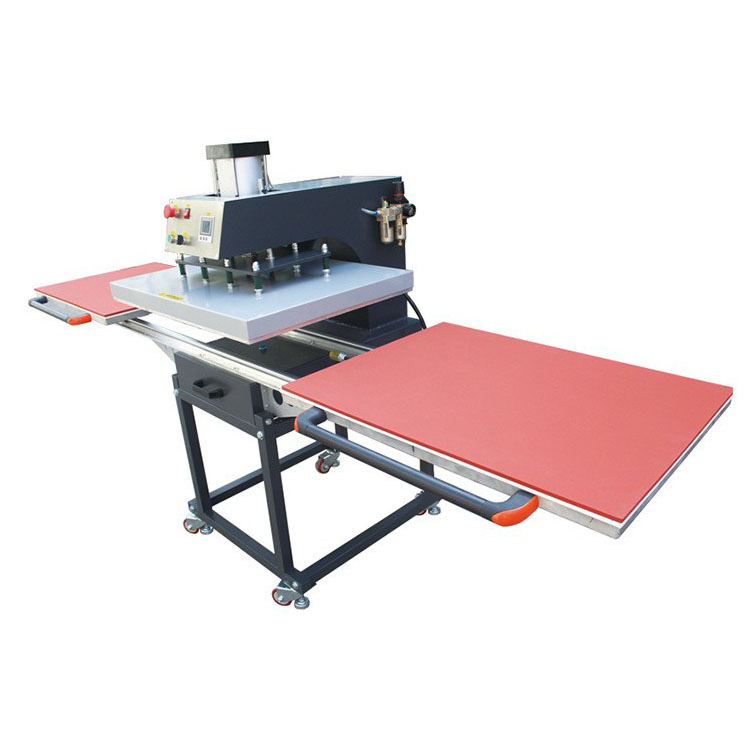
A textile fusing machine bonds fusible interlinings or other adhesive materials to base fabrics through controlled heat, pressure, and time, creating stable garment components. In Pakistan's export-focused shirt, denim, knitwear, and suiting factories, this process is essential for producing collars, cuffs, waistbands, and plackets that keep their shape and withstand repeated washing.[2][3]
Textile Fusing Machine Manufacturers and Suppliers work through local engineering groups and distributors that handle machine import, installation, commissioning, and after-sales service. These partners also provide spare parts, operator training, and technical advice on optimal settings for different fabric and interlining combinations used in Pakistani garment production.[5]
Buyers should focus on accurate temperature control, stable and adjustable pressure, suitable belt or platen size, and energy-efficient design. In addition, strong local service, readily available spare parts, and clear training support from Textile Fusing Machine Manufacturers and Suppliers are vital for minimizing downtime in busy factories.[5][1]
Yes, many garment and textile producers operate fusing machines alongside heat presses, welding units, and embossing systems to cover a broader range of bonding and decorative requirements. Working with comprehensive Textile Fusing Machine Manufacturers and Suppliers and partners such as COLORFUL allows factories to design integrated production lines that support printing, bonding, seam sealing, and surface texturing within one facility.[6][12]
The global fusing machine market is expanding due to rising apparel demand, fast fashion, and the shift toward more automated, digitally controlled bonding equipment. For Pakistan, this evolution brings increased access to advanced fusing technologies from leading Textile Fusing Machine Manufacturers and Suppliers, enabling local factories to improve efficiency, quality consistency, and documentation for international buyers.[4][2]
[1](https://www.futuremarketinsights.com/reports/fusing-machine-market)
[2](https://www.fortunebusinessinsights.com/fusing-machine-market-110053)
[3](https://eastyltd.com/p/fusing-machine-efm/)
[4](https://introspectivemarketresearch.com/reports/fusing-machine-market/)
[5](https://www.ittehadmachines.com)
[6](https://www.alibaba.com/product-detail/8-in-One-Automatic-Heat-Press_1601261869426.html)
[7](https://www.inksonic.com/collections/heat-press)
[8](https://www.mascoonsewing.com/fusing-machine.html)
[9](https://www.tejar.pk/beauty-health/art-craft/heat-pressing-machines)
[10](https://www.nishamantraders.com/product/6-in-1-combo/)
[11](https://www.daraz.pk/tag/sublimation-heat-press-machine/)
[12](https://leafpakistan.com/heat-press/)


