If you have any questions, please feel free to contact us.| Email Us: info@dcheatpress.com


Views: 222 Author: Amanda Publish Time: 2026-01-03 Origin: Site


Content Menu
● Understanding Sublimation Machines
● Growth of Sublimation in India
● Types of Sublimation Machines in India
>> Desktop and Small-Format Systems
>> Large-Format Roll-to-Roll and Calendar Machines
>> Heat Press Machines and Specialized Equipment
● Leading Sublimation Machines Manufacturers and Suppliers in India
>> Representative Indian Suppliers
>> Role of International Brands Serving India
● COLORFUL (dcsbheatpress.com) as a Global Partner for India
>> Product Portfolio Relevant to Indian Buyers
>> Technical Features and Advantages
>> Customization and OEM/ODM Collaboration
● How Indian Buyers Can Select the Right Manufacturers and Suppliers
>> Comparing Local and International Options
● Practical Buying Tips for Indian Businesses
● Advanced Trends Among Sublimation Machines Manufacturers and Suppliers
● Application Scenarios for Indian Users
● Working Effectively with Sublimation Machines Manufacturers and Suppliers
● FAQ: Sublimation Machines Manufacturers and Suppliers
>> 2. How do Sublimation Machines Manufacturers and Suppliers support small businesses and start-ups?
>> 4. How important is after-sales service from Sublimation Machines Manufacturers and Suppliers?
>> 5. What trends are shaping the future of Sublimation Machines Manufacturers and Suppliers in India?
India has become a dynamic hub for Sublimation Machines Manufacturers and Suppliers, serving everyone from home-based entrepreneurs to large export-oriented textile mills. This guide explains how to evaluate Sublimation Machines manufacturers and suppliers in India, how international partners like COLORFUL (dcsbheatpress.com) support Indian buyers, and which technical and business factors matter most for long-term success.
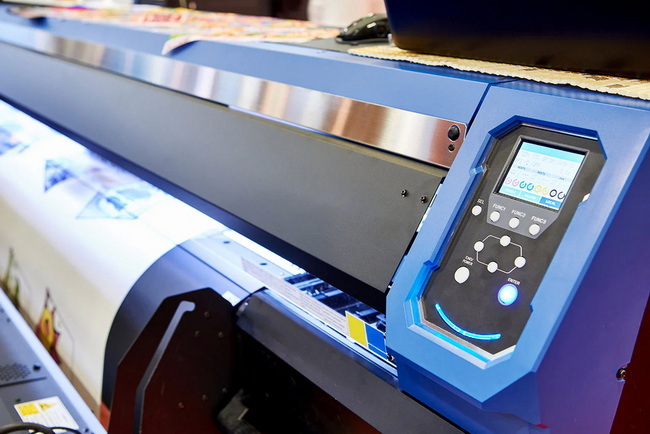
Sublimation machines apply heat and pressure to transfer sublimation ink from paper onto polyester fabrics and coated hard substrates. These systems typically combine printers, transfer paper, inks, and heat press equipment to deliver durable, full-color images on textiles, ceramics, and promotional items.
- Key components:
- Sublimation printer and inks for digital designs.
- Transfer paper optimized for dye release and color fidelity.
- Heat press or calendar machine to complete the transfer process.
- Main applications:
- Sportswear, fashion, and home textiles such as curtains and bedding.
- Soft signage, flags, and display graphics for retail and events.
- Giftware and promotional products including mugs, plates, and phone cases.
The Indian dye sublimation printing market is expanding rapidly, driven by fashion, sportswear, and e-commerce personalization trends. Revenue in India's dye sublimation segment has been rising steadily and is projected to maintain strong growth, with printers and heat press equipment among the fastest-growing product categories.
- Market drivers:
- Rising demand for short-run, customized apparel and merchandise.
- Growth of micro-brands and print-on-demand businesses across major Indian cities.
- Industry initiatives promoting digital printing as a more sustainable alternative to traditional wet processing.
- Regional and global context:
- Asia-Pacific, led by China and India, holds a significant share of the global sublimation equipment market, reflecting strong manufacturing capabilities and competitive costs.
- Heat press and sublimation systems are now central to both export-driven garment factories and SME print shops in India.
Indian Sublimation Machines Manufacturers and Suppliers provide a broad equipment portfolio, ranging from compact entry-level presses to large industrial lines. Understanding the main categories helps buyers align investments with real production needs.
Small-format systems are ideal for start-ups, gift shops, and online sellers focused on low-volume, high-mix orders.
- Features:
- A3 or A4 printers paired with flatbed heat presses for garments and flat substrates.
- Optional attachments and jigs for mugs, caps, and plates.
- Relatively low investment and quick learning curve for new users.
- Benefits for Indian users:
- Easy installation in small workspaces and home-based operations.
- Fast turnaround for custom T-shirts, phone covers, cushions, and corporate gifts.
- Flexible scaling: multiple compact stations can be added as demand grows.
For textile mills and apparel exporters, large-format sublimation printers and calendars enable continuous production.
- Typical specifications:
- Wide printing widths for fabric rolls, often covering typical fashion and home textile sizes.
- High-speed output suitable for fashion, sportswear, and home décor production.
- Oil-heated drums or belt calendars for stable temperature distribution and consistent color.
- Use cases:
- Bulk production of printed fabric for garments, scarves, and furnishings.
- Large flags, banners, and soft signage for events and retail environments.
- Integration with cutting and sewing lines for streamlined mass production.
Alongside printers, Sublimation Machines Manufacturers and Suppliers in India also focus on diversified heat press and finishing equipment.
- Flatbed heat presses for T-shirts, panels, and hard substrates.
- Pneumatic and hydraulic presses for higher pressure consistency and industrial use.
- Fabric fusing machines, embossing systems, and welding equipment for integrated garment and accessory production.
- Customized fixtures for shoes, bags, leather goods, and multi-layer composites.
The Indian market features a mix of local brands and global Sublimation Machines Manufacturers and Suppliers working through distributors and OEM arrangements. Buyers can access machines via online B2B platforms, regional dealers, and direct technical partners.
Public B2B directories and trade portals list numerous Indian companies supplying sublimation systems, printers, and heat presses.
- Nationwide directories:
- Portals aggregate profiles of manufacturers and OEMs across states, offering automatic and semi-automatic units with varying capacities and fabric widths.
- Listings typically highlight production capacities, automation levels, and service offerings, helping buyers match machine size to business scale.
- Textile and printing marketplaces:
- Platforms dedicated to textile machinery feature manufacturers and exporters of sublimation printers, garment sublimation machines, and heat press systems at different price points.
- Suppliers often combine sublimation equipment with related products such as flex printers, DTG machines, and screen-printing gear.
- Local engineering and printing machinery firms:
- Specialized workshops in Indian industrial clusters manufacture textile printing, embossing, and hot stamping machines that complement sublimation workflows.
- Many offer maintenance, spare parts, and custom modifications for regional clients, which is highly attractive for SMEs.
Global Sublimation Machines Manufacturers and Suppliers increasingly supply the Indian market via importers, agents, and direct shipments. International brands often complement, rather than replace, local manufacturers.
- Advantages:
- Access to advanced features such as intelligent digital controls, automation, and energy-efficient heating systems.
- Proven reliability and documentation for export-oriented factories working with strict quality standards.
- Broader experience across markets, which can translate into better application advice for complex products.
- Procurement channels:
- Authorized distributors and resellers representing foreign brands in major Indian cities.
- Direct OEM/ODM collaboration where international manufacturers customize equipment for Indian buyers' specific substrates and production lines.
- Participation in trade fairs and online exhibitions that allow buyers to compare specifications and negotiate technical details.
COLORFUL is a professional manufacturer focusing on high-quality heat transfer machines, sublimation systems, fabric fusing machines, welding equipment, and embossing machines. The company integrates research and development, production, sales, and technical service, supplying equipment to customers across multiple regions, including India through global trade channels.
COLORFUL's range aligns closely with the needs of Indian Sublimation Machines Manufacturers and Suppliers, apparel exporters, and custom print businesses.
- Heat transfer and sublimation systems:
- Flat heat press machines for T-shirts, panels, metal, wood, ceramic, glass, and composite materials.
- Large-format presses suitable for roll fabrics and oversized substrates used in fashion, sportswear, and soft signage.
- Automatic dual-station and pneumatic presses designed to increase throughput and operator efficiency.
- Auxiliary and specialty equipment:
- Fabric fusing machines for interlining and bonding in garments, footwear, and accessories.
- Embossing machines for textile, leather, and synthetic materials, enabling decorative and functional surface finishes.
- Welding equipment for technical textiles, bags, and layered products requiring strong seams and edges.
COLORFUL engineers its equipment with industrial users in mind, making it a robust option among global Sublimation Machines Manufacturers and Suppliers.
- Performance characteristics:
- Uniform heating plates and stable temperature control for consistent color development and image sharpness.
- High-pressure structures that support deep penetration of sublimation dyes, improving fastness and durability.
- Intelligent digital controllers to manage time, temperature, and pressure parameters accurately.
- Application versatility:
- Compatibility with diverse substrates, including textiles, leather, PU, PVC, bamboo, ceramics, and coated metals.
- Suitability for sectors such as fashion apparel, home textiles, promotional merchandise, packaging, and gift customization.
- Ability to handle both small custom runs and continuous industrial production when configured correctly.
COLORFUL supports OEM/ODM cooperation, which is particularly attractive to Indian Sublimation Machines Manufacturers and Suppliers seeking differentiated solutions.
- Customization options:
- Extra-large platen sizes and special molds tailored to non-standard products like shoes, bags, or long garment panels.
- Higher pressure requirements, special heating zones, or integration with upstream and downstream automation modules.
- Machine designs adapted to specific factory layouts, conveyor systems, and material handling preferences.
- Service and long-term partnership:
- Engineering and technical support for installation, commissioning, and troubleshooting through digital channels and partners.
- Clear documentation and guidance on optimizing parameters, avoiding common heat press errors, and improving print quality.
- Stable supply of spare parts and consumable components to support long-term machine operation.
When evaluating Sublimation Machines Manufacturers and Suppliers, Indian businesses should balance cost, quality, after-sales support, and scalability. A structured approach helps avoid underpowered or unsuitable investments.
- Technical capability:
- Check maximum working size, pressure range, temperature uniformity, and cycle time in relation to target products.
- Verify compatibility with intended substrates, inks, and fabrics, especially when combining polyester blends or coated surfaces.
- Review control systems to ensure operators can easily set and recall key parameters.
- Reliability and safety:
- Look for robust frames, quality components, and safety features such as emergency stops and over-temperature protection.
- Assess real-world uptime, maintenance requirements, and typical replacement intervals for heating elements and sensors.
- Confirm that electrical and safety standards align with local regulations and buyer requirements.
- Service and spare parts:
- Evaluate availability of local technicians, remote support, and training programs for operators and maintenance staff.
- Confirm lead time and stock for critical spares such as heating elements, pressure cylinders, control boards, and sensors.
- Ask about service-level agreements, preventive maintenance plans, and warranty coverage.
Both local and international Sublimation Machines Manufacturers and Suppliers can be valuable partners for Indian businesses, depending on project scope and growth plans.
- Local manufacturers and suppliers:
- Often provide faster response times and easier access to on-site visits, demonstrations, and face-to-face training.
- Can adapt machines to specific regional processes, available utilities, and common garment styles.
- Typically deliver competitive pricing for entry-level and mid-range equipment, ideal for new ventures and regional workshops.
- International manufacturers:
- Frequently offer higher levels of automation, energy efficiency, and multi-substrate capability that support long-term scaling.
- Bring extensive experience from multiple markets, including export-oriented apparel and home textile production.
- May require higher initial investment but can reduce per-unit production costs and quality issues over time.
Choosing among many Sublimation Machines Manufacturers and Suppliers can feel complex, but a clear checklist simplifies the process and keeps the focus on real business outcomes.
- Define production goals:
- Clarify monthly output targets, product mix, maximum image size, and acceptable lead times before contacting suppliers.
- Separate must-have features (working size, pressure type, automation level) from optional enhancements (data logging, advanced interfaces).
- Assess total cost of ownership:
- Include electricity, maintenance, consumables, operator training, and potential downtime in cost calculations, not just purchase price.
- Consider energy-efficient models and automation features that reduce labor costs in continuous production setups.
- Validate quality with tests:
- Request sample prints and, if possible, live demonstrations running the actual fabrics, inks, and designs used in production.
- Test wash fastness, color vibrancy, edge sharpness, and alignment over several production cycles instead of a single trial.
- Plan for scaling:
- Choose equipment that can be networked, automated, or duplicated easily as volume increases.
- Discuss future upgrades and compatible models with selected Sublimation Machines Manufacturers and Suppliers so expansions remain seamless.
- Confirm training and documentation:
- Ensure suppliers provide user manuals, parameter charts, troubleshooting guides, and training sessions.
- Encourage key staff to document internal best practices and standard operating procedures built around the equipment.
Modern Sublimation Machines Manufacturers and Suppliers are innovating rapidly to serve both domestic and international buyers. Indian businesses benefit by choosing partners that embrace these trends.
- Automation and smart control:
- Many machines now feature programmable recipes, touch-screen interfaces, and memory functions for different fabric types.
- Integration with workflow software helps track orders, parameters, and quality outcomes across shifts and locations.
- Energy efficiency and sustainability:
- Improved insulation, intelligent heating profiles, and standby modes reduce power consumption during light-load periods.
- Equipment designs increasingly focus on reduced waste, consistent quality, and compatibility with evolving eco-friendly inks and media.
- Multi-technology integration:
- Some Sublimation Machines Manufacturers and Suppliers combine sublimation with embossing, fusing, or welding in adjacent processes.
- This integrated approach allows factories to add value—such as texture, bonding, or reinforcement—without excessive material handling.
Different market segments in India require different equipment configurations, and understanding these scenarios helps choose the right Sublimation Machines Manufacturers and Suppliers.
- Start-up apparel brands and online sellers:
- Benefit from small-format sublimation printers paired with flat or combo presses for garments and accessories.
- Focus on flexibility, quick changeovers, and modest upfront investment rather than maximum speed.
- Mid-size garment factories:
- Often deploy multiple mid-sized presses or calendars to balance capital expenditure and throughput.
- Look for reliable automation features, robust frames, and easy maintenance to support multi-shift operation.
- Export-oriented textile mills:
- Invest in wide-format roll-to-roll systems and high-capacity calendars to handle continuous, large-volume orders.
- Require strong documentation, repeatability, and support from Sublimation Machines Manufacturers and Suppliers who understand export compliance and quality protocols.
Building strong relationships with Sublimation Machines Manufacturers and Suppliers is as important as choosing the right machine model.
- Communication and feedback:
- Share clear technical drawings, sample fabrics, and prints to help suppliers fine-tune configurations.
- Provide production feedback so manufacturers can suggest parameter adjustments or minor upgrades for better stability.
- Long-term collaboration:
- Treat suppliers as process partners, not just equipment vendors, by involving them in new product development and capacity planning.
- Explore OEM/ODM possibilities where specialized or proprietary products can gain a competitive edge through custom machinery.
- Continuous improvement:
- Periodically review energy consumption, throughput, reject rates, and maintenance logs with your suppliers.
- Use these reviews to identify training needs, process tweaks, or new modules that can enhance productivity.
India's rapid shift toward digital and customized production has created strong demand for reliable Sublimation Machines Manufacturers and Suppliers serving both SMEs and large factories. By combining local Indian suppliers with global partners such as COLORFUL, buyers gain flexible access to advanced heat transfer, fusing, welding, and embossing solutions tailored to their product mix and growth plans. Careful evaluation of technical features, service capabilities, and long-term operating costs enables Indian businesses to build efficient, scalable sublimation production lines that meet domestic and international quality expectations.

Start by defining your core products, required image size, and expected monthly volume, then shortlist Sublimation Machines Manufacturers and Suppliers that can meet these parameters with documented performance data. Request technical specifications, sample prints, and references from similar installations before making any investment decision.
Many Sublimation Machines Manufacturers and Suppliers offer compact, affordable desktop printers and flat presses tailored to low-volume, high-variety orders. They often bundle training, parameter guides, and basic maintenance support so new users can achieve stable quality quickly and grow step by step.
International Sublimation Machines Manufacturers and Suppliers such as COLORFUL provide advanced automation, robust structures, and multi-substrate capabilities that appeal to export-oriented factories and scaling SMEs. Their OEM/ODM customization and engineering support help Indian buyers integrate sublimation, fusing, and embossing into highly efficient, continuous production lines.
Consistent support from Sublimation Machines Manufacturers and Suppliers is crucial for minimizing downtime, maintaining color consistency, and extending machine life. Buyers should confirm availability of technicians, remote diagnostics, spare parts inventory, and clear maintenance schedules before purchase to secure long-term reliability.
Indian and global Sublimation Machines Manufacturers and Suppliers are focusing on higher energy efficiency, automation, and compatibility with digital workflows, including cloud-based design and job management tools. They are also developing equipment optimized for sustainable processes, lower waste, and eco-conscious inks to meet evolving regulatory and buyer requirements.


