If you have any questions, please feel free to contact us.| Email Us: info@dcheatpress.com


Views: 222 Author: Amanda Publish Time: 2026-01-03 Origin: Site


Content Menu
● Understanding Sublimation Printing in Bangladesh
● Market Overview: Sublimation Machines in Bangladesh
● Leading Sublimation Machines Manufacturers and Suppliers
● COLORFUL as a Global Partner for Bangladesh Buyers
● Types of Sublimation and Heat Transfer Machines
>> Roll‑to‑Roll Heat Transfer Machines
● How Sublimation Supports Different Business Models
● What to Look for in Sublimation Machines Manufacturers and Suppliers
● Process Workflow: From Design to Finished Product
● Environmental and Operational Considerations
● Role of Training, Support, and Digital Tools
● FAQ
>> 3. What role does after‑sales service play when selecting sublimation equipment?
Bangladesh has become one of the most dynamic centers for textile and garment production, and this growth is closely linked to the fast‑rising demand for high‑quality sublimation printing solutions. The country now depends heavily on reliable Sublimation Machines Manufacturers and Suppliers to support everything from small custom print shops to large export‑oriented factories. As brands, sportswear labels, and fashion houses raise their standards, Bangladeshi buyers need more advanced machinery, better color consistency, and stronger after‑sales support to stay competitive.
Sublimation technology fits perfectly with the strengths of Bangladesh's garment sector because it enables vivid, full‑color designs on polyester‑rich fabrics at industrial scale. Local and international equipment manufacturers now collaborate with Bangladeshi distributors, service partners, and integrators to deliver complete production lines. By understanding the main machine types, leading Sublimation Machines supplier categories, and key selection criteria, buyers can make informed investments in sublimation printers, heat transfer machines, and related equipment.

Sublimation printing is a process in which special dyes are printed onto transfer paper and then permanently embedded into polyester fabrics or coated surfaces using heat and pressure. The dye converts directly from solid to gas during pressing, allowing it to penetrate the substrate and create long‑lasting color. Because the ink becomes part of the material itself, sublimation prints resist fading, cracking, and peeling, even after repeated washing or heavy use.
Bangladesh's apparel and home textile sectors rely on this process for a wide range of products such as jerseys, leggings, fashion tops, scarves, cushion covers, and curtains. Sublimation is also popular for promotional items like mugs, phone cases, and decorative panels when these are treated with suitable polymer coatings. This versatility has encouraged many local businesses to partner with professional Sublimation Machines Manufacturers and Suppliers instead of relying on hobby‑grade or improvised equipment.
Another advantage is the ability to print complex, full‑coverage designs with smooth gradients and photographic detail. This is particularly important for sportswear and fashion where brands demand sharp logos, accurate team colors, and consistent reproduction from batch to batch. Economic factors also play a role: once a shop invests in the right machines and workflow, sublimation can offer attractive per‑piece costs for medium and large production runs.
Bangladesh's sublimation equipment market can be divided into several interconnected layers: local distributors and service providers, domestic manufacturers and fabricators, regional technology partners, and global brands. Local companies often focus on sales, installation, and maintenance, while larger international Sublimation Machines Manufacturers and Suppliers design, engineer, and assemble the core machinery.
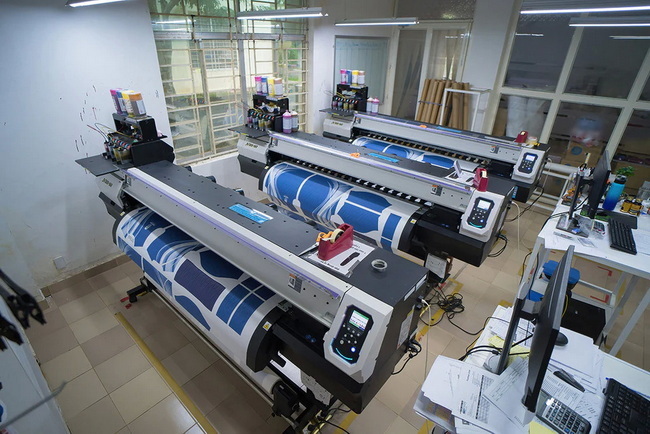
In major industrial zones, buyers can find everything from compact combo presses for startups to fully automated roll‑to‑roll heat transfer lines for large mills. Many suppliers also bundle software, color management tools, and training services to help new users ramp up quickly. As garment exports grow, demand for higher‑speed printers and more reliable transfer machines continues to increase.
The market also reflects a spectrum of investment levels. Small entrepreneurs might begin with a desktop sublimation printer and a single flat press, gradually expanding to multiple workstations or semi‑automatic units as orders grow. Larger factories jump straight into industrial platforms with multiple print heads, continuous fabric feeding, and integrated drying and curing modules. This layered ecosystem makes Bangladesh attractive for both new entrants and established firms looking to expand sublimation capabilities.
The phrase Sublimation Machines Manufacturers and Suppliers covers several kinds of players: original equipment manufacturers, dedicated sublimation consumable producers, heat press brands, and multi‑brand distributors. In Bangladesh and the surrounding region, these roles sometimes overlap, but their core strengths remain distinct.
Some companies concentrate on industrial digital printers that form the heart of a sublimation line. Their printers handle wide‑format paper or fabric and use advanced print heads to deliver high resolution at production speeds. Others specialize in transfer equipment such as flat heat presses, shuttle presses, and roll‑to‑roll calenders, which are crucial for achieving consistent color and penetration. At the same time, consumable manufacturers supply optimized transfer papers and coated blanks that work smoothly with these machines.
For Bangladeshi buyers, this means that choosing a partner is less about a single product and more about an ecosystem. The most effective Sublimation Machines Manufacturers and Suppliers typically offer coordinated solutions that cover printers, presses, media, and service. They may also collaborate with local technical teams who understand real production conditions in Bangladesh, including high humidity, variable power quality, and tight delivery schedules.
COLORFUL, operating through the brand site dcsbheatpress.com, positions itself as a specialized manufacturer focusing on research, development, production, sales, and service for heat transfer, welding, and embossing equipment. As a global provider, this brand aims to serve customers who need robust, repeatable, and industrial‑grade solutions for textile decoration and related processes. This orientation aligns well with the expectations of garment factories and print houses in Bangladesh that want to move beyond entry‑level hardware.
A key advantage of partnering with an experienced international producer like COLORFUL is the emphasis on engineering depth and quality management. Industrial buyers often look for heavy‑duty frames, precise temperature control, stable pressure systems, and user‑friendly control interfaces that can withstand years of operation. By integrating these features into its machinery, a manufacturer builds trust with professional Sublimation Machines Manufacturers and Suppliers and end users alike.
In addition, global partners frequently offer broader product portfolios that extend beyond basic heat presses. For example, they may supply specialized equipment for embossing fabrics, welding synthetic materials, or handling multi‑layer laminates. These extra capabilities allow Bangladeshi factories to diversify their product range and add more value to garments and home textiles. When combined with local distribution networks and technicians, this type of global–local cooperation can significantly upgrade the technological level of Bangladesh's sublimation sector.
Different production workflows call for different classes of equipment, and understanding these categories helps buyers match machines to business goals. Sublimation Machines Manufacturers and Suppliers usually group their offerings into three main segments: printers, heat presses, and roll‑to‑roll transfer systems.
Sublimation printers are responsible for applying specialized inks to transfer paper or, in some cases, directly to fabric. Industrial models often feature multiple print heads, allowing them to balance speed and resolution according to job requirements. Wide‑format printers can handle rolls of paper suitable for full garment panels or long runs of cut‑and‑sew patterns.
Within this category, buyers can choose between entry‑level, mid‑range, and high‑end configurations. Entry‑level units are cost‑effective and adequate for small shops focusing on custom jerseys, gift items, or sampling. Mid‑range and high‑end models add features such as faster data processing, more robust ink delivery systems, and integrated take‑up reels. For factories in Bangladesh, these high‑end machines are especially attractive when they need to synchronize multiple printers and presses in a lean production environment.
Flat heat transfer units are what many people picture when they think about heat pressing: a heated platen, a flat work surface, and a mechanism for applying pressure. In a sublimation workflow, these presses transfer printed designs from paper to fabric or hard substrates. Industrial flat presses may be manual, semi‑automatic, or fully automatic, with configurations such as shuttle tables or twin platens to maximize throughput.
For garment production, large flat presses can handle T‑shirts, hoodies, panels, and finished items, while smaller units may be reserved for sleeves, labels, or small accessories. Many Sublimation Machines Manufacturers and Suppliers offer presses with advanced digital controllers that help operators manage time, temperature, and pressure more precisely. Over the long term, this precision translates into fewer rejects, more consistent colors, and better alignment.
Roll‑to‑roll heat transfer machines, often called calenders, are essential for continuous sublimation production on fabric rolls. These machines feed printed paper and fabric through heated drums or plates, applying uniform heat and pressure across large areas. Their design is optimized for stability and consistency over long runs, which is critical for fashion brands and sportswear labels that require identical prints across many meters of fabric.
In Bangladesh, roll‑to‑roll machines are especially relevant to integrated mills and larger garment manufacturers that process fabric in bulk before cutting and sewing. These systems reduce handling time, improve alignment, and simplify quality control by centralizing the transfer step. Many international Sublimation Machines Manufacturers and Suppliers work closely with local partners to ensure that such large machines are properly installed and maintained, given their importance to factory output.
Sublimation technology is flexible enough to support a wide variety of business models in Bangladesh, each with its own machine configuration and investment profile. Understanding these models helps buyers evaluate which kind of supplier and equipment lineup makes the most sense.
Small custom‑printing studios often focus on made‑to‑order designs for individuals, local teams, and small organizations. These businesses typically rely on desktop printers and one or two mid‑size flat heat presses. Their priorities include low initial cost, ease of operation, and quick changeover between jobs. Working with Sublimation Machines Manufacturers and Suppliers that offer compact, user‑friendly systems and accessible training materials is particularly valuable for this group.
Medium‑sized print houses and garment decorators tend to run multiple printers and presses in parallel, targeting bulk orders for fashion labels or corporate clients. They may operate a mix of flat presses for panels and roll‑to‑roll units for fabric yards, allowing them to adapt to different order types. For these companies, uptime, after‑sales support, and spare‑parts availability become decisive factors in supplier selection.
Large export‑oriented factories and integrated mills often require complete lines with industrial sublimation printers, calenders, finishing equipment, and automated material‑handling systems. They frequently work directly with advanced Sublimation Machines Manufacturers and Suppliers and sometimes participate in joint development or customization projects. Their focus is on production speed, color management, integration with cutting and sewing, and compliance with international quality and safety standards.
Selecting the right partner is about more than comparing price quotations. The most successful long‑term relationships with Sublimation Machines Manufacturers and Suppliers are built on careful evaluation of both technical and service capabilities.
Key considerations include:
- Engineering quality: Buyers should examine frame construction, heating element design, insulation, electronics, and overall build robustness. Solid engineering not only improves print quality but also reduces downtime and maintenance costs.
- Process compatibility: Equipment must work smoothly with the types of inks, papers, and fabrics commonly used in Bangladesh's garment industry. Matching machine specifications with local production habits and material choices can prevent unexpected defects such as ghosting, banding, or weak color.
- Service and training: Factories benefit most when suppliers can provide initial setup, operator training, and ongoing technical support. This may include remote diagnostics, spare‑parts stocking, and periodic maintenance visits.
- Scalability: As businesses grow, they often need to add more machines or upgrade to higher‑capacity models. Choosing Sublimation Machines Manufacturers and Suppliers with scalable product lines makes expansion smoother and more cost‑effective.
- Documentation and safety: Clear manuals, safety features, and compliance with electrical and mechanical standards are essential for protecting workers and meeting international buyer requirements.
By taking a structured approach to these factors, Bangladeshi buyers can avoid common pitfalls such as mismatched capacity, poor after‑sales support, or hidden operating costs. In the long run, strong partnerships with competent manufacturers and suppliers create a technological foundation for stable growth.
To fully appreciate the role of Sublimation Machines Manufacturers and Suppliers, it is helpful to walk through a typical production workflow. Although individual factories may vary, many follow a similar sequence from design to packed product.
First, the design team prepares artwork using graphic design software, often working with vector logos, photographs, and layout templates tailored to specific garment sizes. Color profiles optimized for sublimation inks and transfer papers ensure that on‑screen colors translate accurately to printed results. Once approved, the designs are nested and arranged for efficient use of the print area.
Next, the sublimation printer outputs the artwork onto special transfer paper using dedicated dye‑sublimation inks. Depending on the equipment, this may involve continuous roll printing or single‑sheet operation. The printed paper must then be dried adequately to prevent smearing or color shift during transfer.
After printing, the transfer step takes place using either flat heat presses (for cut panels and finished items) or roll‑to‑roll machines (for fabric rolls). Time, temperature, and pressure settings are carefully controlled according to substrate type and ink manufacturer recommendations. The dyes sublimate into the fabric, producing vivid, wash‑resistant images.
Finally, the sublimated fabric or item is inspected, trimmed, and prepared for cutting, sewing, or finishing. Quality checks at this stage can identify any issues related to alignment, color consistency, or mechanical handling. The effectiveness of the chosen Sublimation Machines Manufacturers and Suppliers becomes visible here: well‑engineered machines, correctly maintained and operated, generate consistent results with minimal rework.
As global brands pay more attention to sustainability and responsible manufacturing, buyers in Bangladesh also need to consider environmental and operational factors when selecting sublimation equipment. Although sublimation printing does not involve traditional wet processes for dyeing polyester, it still consumes energy and relies on chemical inputs that must be handled responsibly.
Energy‑efficient heating systems, better insulation, and smart control algorithms can reduce power consumption during heat transfer. For large factories running multiple presses or calenders, these savings can be substantial over time. Many advanced Sublimation Machines Manufacturers and Suppliers prioritize such features in their latest models, recognizing both cost and sustainability benefits.
Ventilation and operator safety are equally important. While sublimation itself usually produces fewer liquid effluents than conventional dyeing, the machines still operate at high temperatures and may generate fumes or odors. Proper ventilation, safety interlocks, and adherence to recommended operating procedures help create a safer working environment. Training provided by reputable manufacturers also guides factories on how to handle consumables, dispose of waste materials, and maintain equipment without unnecessary risk.
In modern sublimation production, machinery alone is not enough; knowledge and digital tools play an increasingly important role. Sublimation Machines Manufacturers and Suppliers that invest in technical education and software integration can significantly enhance customer success.
Training often covers color management, machine calibration, preventive maintenance, and troubleshooting. For new users, this support accelerates the learning curve and reduces the temptation to rely on trial‑and‑error settings that can waste materials. For experienced factories, advanced training can unlock higher speeds or more complex applications without sacrificing quality.
Digital tools also support day‑to‑day operations. Many industrial printers and presses now integrate with production management or workflow software that tracks jobs, monitors ink and media usage, and records operating parameters. This data can help factory managers reduce bottlenecks, plan consumable purchases, and maintain consistent quality across multiple machines and shifts. Manufacturers that design open, well‑documented interfaces make it easier for customers to integrate equipment into broader Industry 4.0 initiatives.
Bangladesh's rapid growth in garments and textiles has created a strong and evolving ecosystem of Sublimation Machines Manufacturers and Suppliers that serve local and international markets. From compact desktop systems for startups to industrial roll‑to‑roll lines for large mills, buyers can choose from a wide spectrum of solutions that match their production scale, quality requirements, and budget. International technology partners such as COLORFUL, combined with capable local distributors and service providers, help raise the technical level of the entire industry.
The most successful investments in sublimation equipment come from a strategic approach that evaluates engineering quality, process compatibility, service capabilities, scalability, and environmental performance. By working closely with experienced Sublimation Machines Manufacturers and Suppliers, Bangladeshi businesses can build reliable workflows that deliver vivid colors, consistent quality, and efficient throughput. In a global market where lead times are shorter and design cycles are faster, these partnerships provide a crucial foundation for long‑term competitiveness.
Professional Sublimation Machines Manufacturers and Suppliers design equipment specifically for dye‑sublimation workflows, which means their machines handle appropriate temperatures, pressures, and materials more reliably. They also tend to offer better color stability, more precise controls, and longer service life than generic or repurposed machines. In addition, specialized suppliers usually provide targeted training, technical support, and consumable recommendations that help buyers achieve consistent results and reduce waste.
The choice depends mainly on order size, product mix, and budget. A flat press setup combined with a suitable sublimation printer is ideal for startups and small workshops that produce customized garments, short‑run fashion pieces, or promotional items. In contrast, a roll‑to‑roll system is better for large‑scale fabric production where entire rolls are printed and then cut and sewn into garments. Many Sublimation Machines Manufacturers and Suppliers advise beginning with flat presses for flexibility and later upgrading to roll‑to‑roll systems when consistent high volumes justify the investment.
After‑sales service is critical because even the best machines require maintenance, occasional repairs, and software or firmware updates. In practice, production delays caused by equipment issues can quickly erase any savings from low purchase prices. Working with Sublimation Machines Manufacturers and Suppliers that offer reliable local service, remote support, and readily available spare parts ensures that any downtime is minimized. This is especially important for factories that run multiple shifts or operate under tight delivery schedules.
Industrial sublimation machines are primarily designed for high‑volume environments, but some small studios choose them when they anticipate rapid growth or already serve large clients. The main trade‑offs are higher initial investment and potentially more complex operation. For many small studios, a combination of a mid‑range printer and a robust flat press from established Sublimation Machines Manufacturers and Suppliers provides a better balance of cost, capacity, and ease of use. As demand increases, these studios can then add more units or move into larger industrial systems.
To stay competitive, buyers should look for Sublimation Machines Manufacturers and Suppliers that have active research and development programs and regularly update their product lines. Choosing suppliers who support firmware upgrades, modular hardware options, and integration with modern design and workflow software can extend the useful life of equipment. It is also wise to maintain an ongoing relationship with the manufacturer's technical team, attend training sessions, and follow best‑practice recommendations so that existing machines operate at their full potential even as new models enter the market.


