If you have any questions, please feel free to contact us.| Email Us: info@dcheatpress.com


Views: 222 Author: Amanda Publish Time: 2026-02-02 Origin: Site


Content Menu
● What Is a Pneumatic Heat Transfer Machine?
● Why Brazil Is a Growing Market for Pneumatic Heat Presses
● Key Features Buyers Expect from Pneumatic Heat Transfer Machines
● Local Brazilian Manufacturers and Technology Providers
>> Metalnox – Flagship Brazilian Heat Press Brand
>> Industrial Thermal and Heat‑Transfer Engineering Companies
>> Labeling and Decorative Equipment Producers
● International Pneumatic Heat Transfer Machine Manufacturers and Suppliers Serving Brazil
● B2B Platforms and Trade Partners for the Brazilian Market
● COLORFUL's Role in the Global Pneumatic Heat Press Supply Chain
● When Does a Brazilian Business Need Pneumatic Instead of Manual?
● Typical Pneumatic Double‑Station Heat Press Configuration
● Application Scenarios in Brazil
● How to Evaluate Pneumatic Heat Transfer Machine Manufacturers and Suppliers
● Practical Steps for Brazilian Buyers
● FAQ – Pneumatic Heat Transfer Machine Manufacturers and Suppliers
>> 1. What are the main advantages of a pneumatic heat transfer machine compared with a manual press?
>> 3. What specifications matter most when choosing a pneumatic heat press?
>> 4. When should a Brazilian business upgrade from manual to pneumatic equipment?
>> 5. Why do partnerships with global manufacturers like COLORFUL benefit Brazilian buyers?
Pneumatic heat transfer machines are now core equipment for Brazil's fast‑growing textile, sportswear, and promotional gift sectors. They help factories, print shops, and branding studios deliver stable, high‑quality transfers at industrial speed. This article focuses on leading Pneumatic Heat Transfer Machine Manufacturers and Suppliers serving the Brazilian market and explains how to choose the right partner for long‑term success.
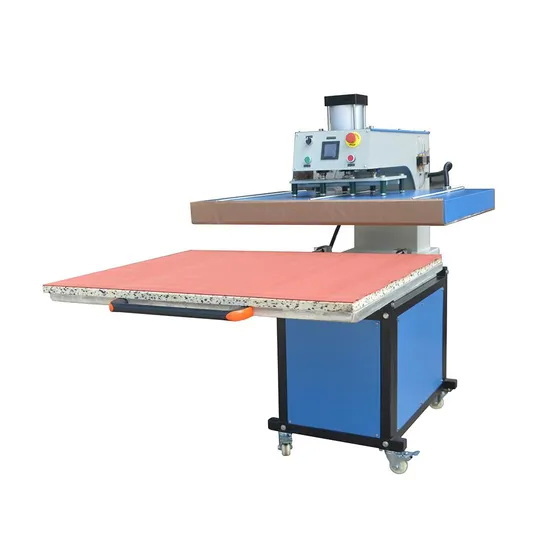
A pneumatic heat transfer machine uses compressed air to apply controlled, uniform pressure between a heated platen and the substrate. Instead of relying on manual force, the operator starts the cycle, and the pneumatic system locks the platen down at a pre‑set pressure, time, and temperature.
Compared with manual heat presses, pneumatic models offer:
- More consistent pressure on every press, ideal for large production runs.
- Reduced operator fatigue and better ergonomics in high‑volume environments.
- Better repeatability of results, which is crucial for brand consistency.
- Compatibility with automation, dual‑station setups, and shuttle systems.
For Brazilian businesses working in sublimation, vinyl transfer, or digital printing, this combination of stability and productivity is a major reason to choose Pneumatic Heat Transfer Machine Manufacturers and Suppliers over purely manual alternatives.
Brazil has a strong textile tradition and a vibrant culture of fashion, sports, and events. These characteristics create a natural demand for customized garments, promotional items, and branded merchandise produced in short lead times.
Several trends make Brazil especially attractive for Pneumatic Heat Transfer Machine Manufacturers and Suppliers:
- Expansion of sportswear and club merchandising, from football jerseys to training wear.
- Growth of e‑commerce print‑on‑demand stores serving regional and national customers.
- Increased use of sublimation and DTF/DTG printing for colorful, durable designs.
- Rising expectations for professional finishing and consistent print quality.
As a result, small workshops, mid‑size factories, and large garment manufacturers all explore pneumatic solutions to boost throughput and maintain uniform print results while controlling labor costs.
When Brazilian buyers compare Pneumatic Heat Transfer Machine Manufacturers and Suppliers, they rarely focus on price alone. Instead, they evaluate the machine as a production tool that must run reliably and safely in demanding conditions.
Important features include:
- Consistent pneumatic pressure
The press should provide stable downforce across the entire platen so that transfers bond evenly on every area of the garment or substrate.
- Double‑station or shuttle design
Dual platens (fixed or shuttle style) allow the operator to prepare one item while the other is under heat and pressure, minimizing idle time and increasing output.
- Accurate digital controls
Time and temperature controllers must be precise and easy to read, often with separate settings for different materials (polyester, cotton blends, hard substrates, etc.).
- Robust construction
Heavy‑duty frames, quality heating elements, and durable bearings are vital for long shifts, especially in Brazilian factories that run multiple cycles per minute.
- Safety systems
Emergency stop switches, proper insulation, and protection components help safeguard operators and reduce downtime caused by failures.
- Easy integration with compressors
The pneumatic system must match common compressor capacities and pressures, making installation simpler and more predictable for local workshops.
Well‑designed machines make it easier for Brazilian operators to maintain uniform quality even when staff rotate or production schedules change rapidly.
Brazil hosts several notable companies that either build heat presses directly or supply advanced thermal and labeling equipment related to heat transfer applications. These firms form part of the ecosystem that supports local users of pneumatic technology.
Metalnox is widely referenced as a leading Brazilian manufacturer of heat presses and textile equipment. The company operates a large plant in Jaraguá do Sul, located in one of Brazil's main textile hubs, and produces presses, calenders, dryers, and other finishing machines designed for sublimation and garment printing.
Over decades, Metalnox has built a reputation for:
- Offering a complete line of equipment dedicated to the textile and sublimation market.
- Using Brazilian engineering and manufacturing to adapt products to local needs.
- Providing nationwide coverage with authorized distributors and technical support.
Metalnox's emphasis on sustainable production, including effluent treatment and reforestation projects, is another factor that resonates with customers who care about environmental responsibility alongside performance and cost.
Brazilian industry also relies on manufacturers of heat transfer coils, steam systems, and other thermal equipment. These companies may not always supply garment heat presses directly, but they contribute to the same larger ecosystem of industrial heating and process control.
Their presence demonstrates that Brazilian industry is mature in the field of thermal engineering, which supports higher‑end applications where pneumatic presses must integrate with ovens, dryers, or other heat‑dependent processes.
In parallel with textile decoration, Brazil has producers and subsidiaries supplying labeling machines for packaging and containers. These firms design modular labelers and decorative systems that operate at high speed in food, beverage, and personal‑care industries.
Many customers of labeling machinery also invest in garment and soft‑goods decoration. That means they often work with both labeling specialists and Pneumatic Heat Transfer Machine Manufacturers and Suppliers when building diversified production floors for clothes, accessories, and packaging.
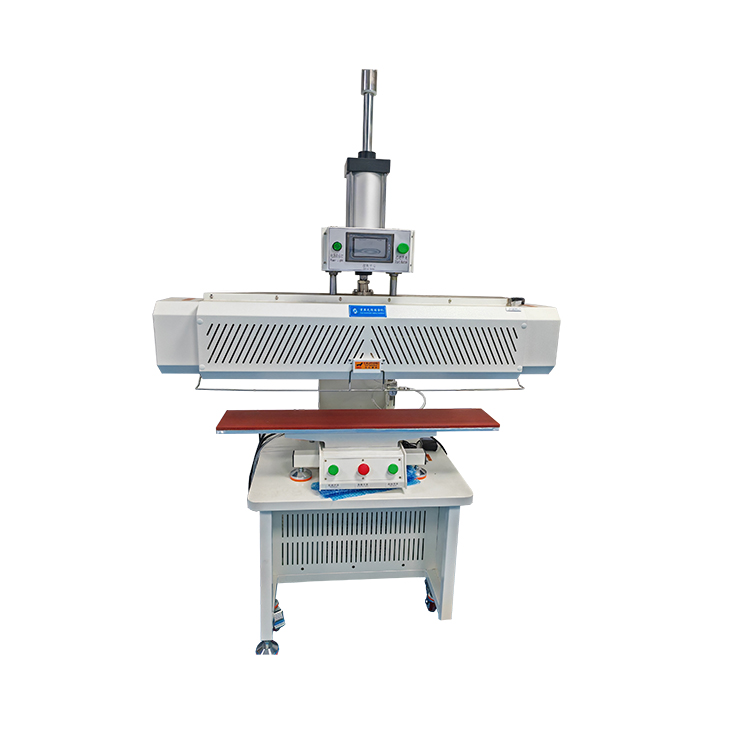
In addition to local brands, Brazil imports significant volumes of pneumatic heat presses from overseas. Global Pneumatic Heat Transfer Machine Manufacturers and Suppliers ship equipment that incorporates the latest control systems, energy‑saving solutions, and automation features.
Key points about international suppliers:
- They often provide advanced dual‑station or shuttle presses with sliding platens and programmable controllers.
- Many offer multiple platen sizes, from compact formats for small shops to large plates for panel printing and cut‑and‑sew operations.
- Export‑oriented factories are accustomed to supplying CE‑certified machines, multi‑voltage configurations, and OEM/ODM customization.
These manufacturers usually cooperate with regional importers, distributors, or integrators in Brazil who handle logistics, customs, installation, and after‑sales service, which is essential for buyers that need fast support and spare parts.
Buyers looking for Pneumatic Heat Transfer Machine Manufacturers and Suppliers often start on B2B marketplaces and trade directories. On such platforms, there are hundreds or even thousands of listings specifically targeting the “heat press machine Brazil” segment, ranging from low‑cost hobby presses to industrial pneumatic units.
Typical benefits of using B2B platforms and trade partners include:
- The ability to compare technical specifications across many models in one place.
- Instant access to certifications, warranty terms, and customer reviews or ratings.
- Direct communication with manufacturers or trading companies to negotiate pricing and customization.
- Identification of local agents or import partners who already serve Brazilian customers.
Some import‑oriented companies specialize in connecting Brazilian buyers with overseas factories, simplifying language barriers, payment issues, and after‑sales communication.
COLORFUL (dcsbheatpress.com) is a professional manufacturer dedicated to the R&D, production, sales, and service of high‑quality heat transfer equipment, welding machines, and embossing machines. With a product portfolio built around advanced transfer technologies, COLORFUL is well positioned among global Pneumatic Heat Transfer Machine Manufacturers and Suppliers to serve clients in many regions, including Brazil.
Key strengths of a global specialist like COLORFUL include:
- Focused research and development on heat transfer process optimization.
- Customizable machine configurations, from platen sizes and station layouts to control interfaces and safety options.
- Ability to support OEM and private‑label projects for distributors and large brands.
- Structured quality management, ensuring consistent performance across all shipped units.
For Brazilian customers, working with a global manufacturer opens access to the newest technology, while cooperation with local partners can provide installation, training, and ongoing technical assistance.
Not every operation in Brazil needs a pneumatic press from day one, but demand often evolves. Understanding the tipping points helps determine when to contact Pneumatic Heat Transfer Machine Manufacturers and Suppliers for an upgrade.
Typical signs that it is time to move beyond manual presses:
- Daily production volume becomes too high for operators to maintain consistent pressure manually.
- Reject rates increase because of insufficient or uneven pressure on certain fabrics or thicker items.
- Multiple operators work in shifts and produce noticeably different results using the same manual equipment.
- The business introduces new applications (e.g., thick hoodies, multi‑layer transfers, or large panels) that require higher, repeatable pressure.
- Customers begin to demand strict color and placement consistency for brand logos, sponsor marks, or uniform sets.
At this stage, a pneumatic press reduces variability between operators and shifts, allowing the business to standardize its process and scale more confidently.
Many Pneumatic Heat Transfer Machine Manufacturers and Suppliers offer a double‑station or shuttle design because it significantly increases productivity without requiring a fully automatic line.
A typical configuration includes:
- Two working platens mounted side by side or on a sliding shuttle.
- A top heated platen that moves vertically or swings between stations.
- A pneumatic cylinder (or multiple cylinders) that delivers high, adjustable pressure.
- Digital temperature and time controls, often with memory presets for different materials.
- A sturdy frame and guiding system to ensure smooth movement of the shuttle or platens.
In operation, the workflow is simple: while one side is under heat and pressure, the operator removes the finished item from the other station and sets up the next piece. This overlapping cycle dramatically reduces downtime and maximizes the effective output per hour.
Brazilian users deploy pneumatic presses in a range of production environments. Some common examples are:
- Sportswear factories
Clubs, sports brands, and local teams demand personalized jerseys, shorts, jackets, and training apparel with names, numbers, sponsors, and logos applied quickly and consistently.
- Fashion and streetwear brands
Designers experiment with small series, capsule collections, and customized graphics on T‑shirts, hoodies, and accessories, often relying on sublimation or film transfers that benefit from precise pressure.
- Promotional and corporate gift producers
Agencies and promotional houses customize caps, bags, aprons, and other giveaways for corporate events, product launches, and seasonal campaigns.
- E‑commerce decoration studios
Online stores offering print‑on‑demand services use pneumatic machines to handle spikes in orders while maintaining consistent quality.
In each scenario, reliable Pneumatic Heat Transfer Machine Manufacturers and Suppliers become strategic partners because their machines directly influence production lead times and final product quality.
Choosing the right supplier is as important as selecting the machine model. Brazilian businesses can follow a structured approach when evaluating Pneumatic Heat Transfer Machine Manufacturers and Suppliers.
Consider these criteria:
- Technical expertise
Look for a proven track record in heat transfer technology, not just generic machinery. Suppliers focused on presses, sublimation, and textile equipment usually understand application challenges better.
- Product portfolio
A strong manufacturer offers multiple models—single‑station, double‑station, shuttle, and specialty formats (e.g., for caps or irregular shapes)—so you can grow within the same brand ecosystem.
- Customization options
Some projects need special platen shapes, higher pressure, or integration with conveyors. Suppliers able to customize designs or develop OEM versions can provide long‑term flexibility.
- Quality and durability
Ask about the frame material, heating technology, life expectancy of key components, and how machines are tested before shipment. Industrial‑grade presses should be built for years of continuous use.
- Certifications and compliance
Check for relevant electrical and safety certifications, and confirm that the machine can be configured to match Brazilian voltage and frequency standards as well as air system requirements.
- After‑sales service
Local partners, spare parts availability, technical training, and responsive support are essential to minimize downtime. Even the best equipment requires occasional maintenance or troubleshooting.
By weighing these factors, Brazilian buyers can identify manufacturers—whether local companies like Metalnox or global specialists such as COLORFUL—that match their technical needs and business goals.
When it is time to purchase or upgrade a pneumatic heat press, Brazilian companies can follow a practical checklist to make collaboration with Pneumatic Heat Transfer Machine Manufacturers and Suppliers smoother and more predictable.
1. Define production targets
Estimate daily and peak volumes, the types of garments or items you will decorate, and the maximum print size required.
2. List required applications
Clarify whether you focus on T‑shirts, teamwear, caps, panels, rigid substrates, or a combination of these so you can match platen size and machine type accordingly.
3. Decide on the number of stations
Determine whether a single‑station pneumatic press is sufficient or if your workflow is better served by a double‑station or shuttle system.
4. Specify technical constraints
Confirm available voltage, phase, and air compressor capacity on site so that manufacturers can propose compatible models.
5. Request detailed quotations
Ask each supplier to include machine specifications, delivery time, warranty terms, and training or installation options in writing.
6. Evaluate total cost of ownership
Look beyond the purchase price and consider expected lifespan, energy consumption, spare part costs, and support quality.
Following this process increases the chances of selecting equipment that not only fits current needs but also supports future growth.
Brazil has become a dynamic and demanding market for Pneumatic Heat Transfer Machine Manufacturers and Suppliers, driven by growing textile, sportswear, and promotional sectors. Local specialists and international manufacturers together provide a wide spectrum of solutions, from compact pneumatic presses for studios to advanced double‑station and shuttle systems for industrial plants.
Manufacturers such as Metalnox showcase Brazil's own engineering strength, while global producers like COLORFUL bring additional innovation, customization, and large‑scale production capacity. By combining local support networks with advanced imported equipment, Brazilian buyers can build efficient, scalable, and reliable heat transfer lines.
Ultimately, success depends on matching the right machine type and supplier to each business model. Clear production goals, careful technical evaluation, and attention to after‑sales service will help Brazilian companies get the most from investments in pneumatic heat transfer technology and maintain a competitive edge in their markets.
Contact us to get more information!
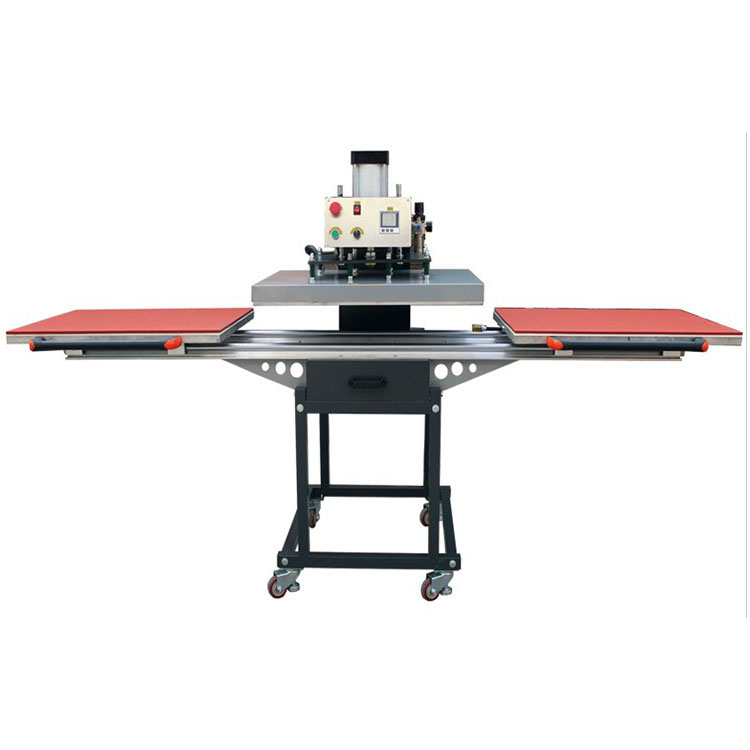
A pneumatic heat transfer machine uses compressed air to generate consistent, repeatable pressure at the touch of a button, whereas a manual press depends on operator strength and technique. This consistency improves print quality, reduces rejects, and makes it easier to standardize processes across multiple shifts. It also reduces physical strain on operators, which is especially important in Brazilian factories that run long daily production cycles.
Brazilian companies can start by researching specialized textile equipment manufacturers, consulting local distributors, and exploring reputable B2B platforms that list industrial heat presses. Checking references, asking for case studies, and talking with existing customers provide insight into real‑world performance and service quality. Many buyers also attend trade shows or technical events where they can see machines running live before making a decision.
Key specifications include platen size, maximum temperature, pressure range, and cycle time, all of which must align with the products being decorated. Buyers should also consider the type of station layout (single, double, or shuttle), the robustness of the frame and heating system, and the precision of the digital controller. Safety features, such as good insulation and emergency stops, plus compatibility with local electrical and air systems, are equally important.
A business should consider upgrading when daily volumes grow to the point that manual pressing becomes inconsistent, tiring, or too slow to meet deadlines. If operators struggle to maintain uniform pressure or if different staff members produce noticeably different results, it is a clear sign that pneumatic technology could improve quality and efficiency. Upgrading is also advisable when new applications—such as thicker garments, larger prints, or more complex transfers—demand higher, controllable pressure.
Global manufacturers such as COLORFUL focus their research, engineering, and production on heat transfer technology and related equipment, which leads to a wide choice of models and continuous product improvement. Brazilian buyers gain access to advanced features such as dual‑station automation, energy‑efficient designs, and customized platen options. When these manufacturers work with strong local partners, customers receive modern technology combined with practical support for installation, training, and maintenance.
1. https://b2brazil.com/hotsite/metalnox/details
2. https://www.sportswearpro.com/exhibitors/grupo-metalnox
3. https://goldenmarch.com/images/products/textile/press/metalnox.pdf
4. https://www.dcsbheatpress.com/top-heat-press-machine-manufacturers-and-suppliers-in-brazil.html
5. https://www.alibaba.com/showroom/heat-press-machine-brazil.html
6. https://uniprintdigital.com/double-station-pneumatic-heat-press/
7. https://heattransfer.com/product/double-station-heat-press-with-stand/
8. https://www.subli-star.com/heat-press-machine/deluxe-touch-screen-pneumatic-double-station-heat-press-machine/
9. https://www.alibaba.com/product-detail/Prensa-De-Calor-16-X-20_60793421086.html
10. https://heatpresses.en.alibaba.com
11. https://www.dcsbheatpress.com/


