If you have any questions, please feel free to contact us.| Email Us: info@dcheatpress.com


Views: 222 Author: Amanda Publish Time: 2026-01-17 Origin: Site


Content Menu
● Understanding Hot and Cold Press Machines
● Leading Manufacturers and Suppliers in India
>> Aarti Industries and Similar Hydraulic Press Makers
>> Sun Engineers and Other Plywood Cold Press Specialists
>> Makewell, Wood Furniture Press Makers, and Regional Brands
>> Heat Transfer and Heat Press Suppliers for Garment and Signage
>> International and Online Suppliers Serving India
● Role of COLORFUL in Global Press and Printing Solutions
● Key Buying Factors for Indian Customers
● Integrating Press Machines into Modern Production
● FAQ
>> 1. How should a new buyer in India start choosing between hot and cold press machines?
>> 2. Are Indian-made presses reliable enough for continuous industrial production?
>> 3. What advantages do international brands like COLORFUL offer compared with local suppliers?
>> 4. How important is digital control and data monitoring on modern hot and cold presses?
>> 5. What kind of maintenance do hot and cold press machines typically require?
India has become a major destination for Hot and Cold Press Machine Manufacturers and Suppliers, serving plywood, furniture, packaging, textile, and signage industries with increasingly advanced thermal and pressure technologies. This article explores the Indian market, key local brands, how to choose the right equipment, and how global Hot and Cold Press Machine specialists such as COLORFUL can complement domestic suppliers for more efficient and profitable industrial and creative printing workflows.

Hot and cold press machines apply controlled pressure, and in many cases heat, to bond layers, transfer graphics, laminate surfaces, or cure adhesives in industrial production. In India, these machines are widely used in plywood and panel lamination, furniture manufacturing, veneer pressing, and heat-transfer printing for garments and promotional products.
Hot press machines use heated platens to accelerate curing, lamination, and embossing for wood-based panels and decorative surfaces. Cold press machines focus on pressure without high temperatures, which is ideal for gentle bonding of veneers, laminates, and other materials sensitive to heat. Many Hot and Cold Press Machine Manufacturers and Suppliers now offer hydraulic, semi-automatic, and fully automatic models to match different production scales and budgets.
In textile, signage, and personalization markets, heat transfer and heat press machines are specialized forms of hot press technology. They are optimized for T‑shirts, hoodies, sportswear, caps, and a wide range of promotional goods that require consistent, repeatable prints.
The demand for hot and cold press equipment in India is driven by rapid growth in infrastructure, interior design, modular furniture, plywood, and MDF-based products. At the same time, a booming customization culture in apparel, sportswear, corporate gifting, and signage has dramatically increased the need for reliable heat transfer presses and support equipment.
Across B2B platforms and industrial marketplaces, Hot and Cold Press Machine Manufacturers and Suppliers promote machines that range from compact tabletop presses for small workshops to massive heavy-duty hydraulic presses above 100 tons for continuous plywood lamination lines. For heat transfer and garment printing, buyers can choose manual, semi‑automatic, pneumatic, or fully automatic presses, often with digital control panels and multiple platen formats.
Entry-level manual heat transfer presses for T‑shirts and small textile jobs are usually the most affordable. Higher-end semi‑automatic or pneumatic systems with larger platen sizes and higher duty cycles require significantly more investment, especially when designed for production printing. At the industrial end, plywood hot presses, hydraulic cold presses, and combined hot–cold presses can reach capacities of several hundred tons and are priced for factories rather than small shops.
Global sourcing has also shaped this market. Many Indian buyers now combine local industrial presses with imported heat press and transfer equipment to access a broader spectrum of performance levels, designs, and automation features.
India hosts a wide range of Hot and Cold Press Machine Manufacturers and Suppliers that specialize in wood-based lamination, furniture production, plywood pressing, and related applications. Many focus on strong steel frames, reliable hydraulics, and standard panel sizes such as 8×4 feet, 10×5 feet, or 12×5 feet to match common sheet materials.
Perfect Tools, based in Delhi, is often cited as a prominent source of hot and cold press machines and related panel-processing equipment. As a manufacturer, distributor, and wholesaler, it targets woodworking and furniture industries that require long‑lasting presses for laminates, sunmica, doors, and decorative boards.
Its machines are generally designed around hydraulic systems with robust frames that suit medium and large woodworking shops. Buyers often consider this kind of local manufacturer when they need good availability of spare parts, on‑site service, and custom configuration options tailored to Indian raw materials and working practices.
Aarti Industries and similar Indian suppliers provide ranges of cold press and hydraulic hot press machines developed for laminates and mica pressing. Typical cold press models use hydraulic power with mild steel structures and capacities around 50 tons or higher, often with 8×4‑foot platens that match standard board sizes used in furniture factories.
Their hot press systems can offer higher tonnage, for example 100–120 tons or more, with temperature-controlled platens that deliver strong bonding for plywood and flush doors. These machines are widely used in continuous industrial production, where cycle time, uniform pressure, and long‑term reliability are critical.
Sun Engineers represents the type of Indian company that focuses on hydraulic cold press technology for plywood and lamination plants. Its product portfolio includes plywood cold press machines, veneer core dry press machines, and timber cold presses that often use multi‑cylinder hydraulic systems for high, even pressure.
Such presses are used to bond sunmica and decorative laminates to plywood, MDF, or doors, and to pre‑press veneers ahead of hot pressing. Typical capacities range from around 50 to 150 tons with sizes like 8×4, 10×5, or 12×5 feet, providing enough force to achieve high‑precision bonding and smooth surfaces suitable for furniture and interior design.
Makewell Industries and other regional wood machinery makers supply plywood hot presses, woodworking cold presses, and specialized panel pressing machines. Product lines can include presses rated at 50 tons for smaller facilities up to 300–640 tons for large industrial plants that run multi‑layer plywood or particleboard production.
Many of these presses are fully automatic, with 14 or more layers, controlled heating cycles, and strong mild steel frames. They are designed for panel processing, modular furniture production, plywood doors, and high‑volume lamination, giving Indian manufacturers a way to scale up while keeping sourcing and service local.
Wood furniture press machine manufacturers in hubs like Ahmedabad and other cities also build 50- and 100‑ton cold presses and down‑stroke presses for furniture components. These are particularly attractive for furniture makers who want more control over pressing of table tops, door panels, and modular cabinet parts without investing in very large plywood lines.
On the textile and signage side, India has numerous Hot and Cold Press Machine Manufacturers and Suppliers and trading firms that specialize in heat transfer presses and garment decoration machinery. Through B2B portals and trade directories, buyers can discover suppliers for rotary heat transfer machines, flatbed presses, and multi‑purpose heat transfer units.
These machines usually support processes such as sublimation, DTF (direct‑to‑film) transfers, heat transfer vinyl, and screen‑printed transfers. Parameters like even temperature distribution, accurate time and pressure settings, and long‑life heating elements are crucial for ensuring bright, durable prints on cotton, polyester, blends, and technical fabrics.
Some suppliers position themselves as one‑stop providers of both the heat press and the accompanying consumables such as transfer papers, films, vinyls, inks, and pre‑cut graphics. This integrated approach is particularly attractive for new entrepreneurs entering the custom T‑shirt or promotional printing market.
In addition to domestic manufacturers, Indian buyers often source presses and accessories from international companies via global websites and trading platforms. Many overseas Hot and Cold Press Machine Manufacturers and Suppliers offer export-focused models with digital controls, interchangeable platens, and options for OEM or private‑label branding.
Importers can select from compact craft heat presses, professional swing‑away or clamshell units, large-format flatbed presses, and specialized equipment like cap presses and tumbler presses. These imported machines usually compete on the basis of design innovation, advanced electronics, higher duty cycles, and attractive price‑performance ratios, while Indian distributors or service partners help support local customers.
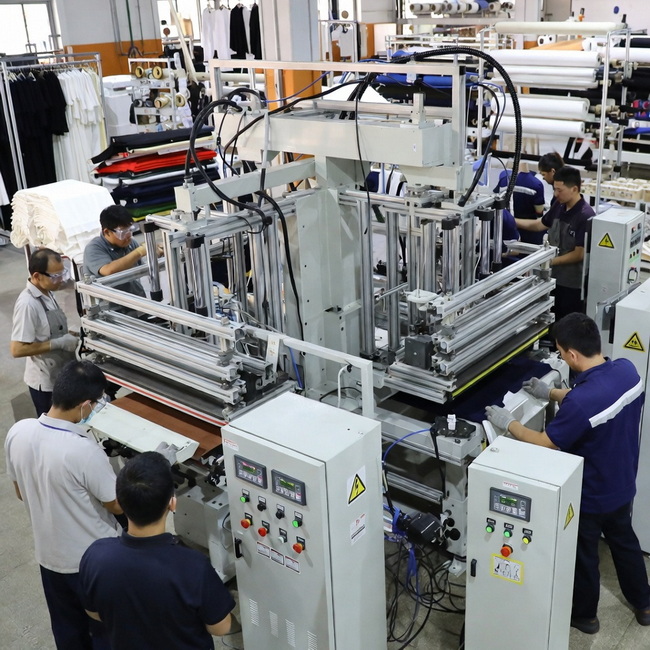
Domestic Indian suppliers do an excellent job covering plywood, furniture, and basic garment printing needs. However, international specialists like COLORFUL (dcsbheatpress.com) can significantly expand the range of options available to Indian businesses looking for more advanced or specialized heat transfer and embossing workflows.
COLORFUL focuses on research, development, production, sales, and service for high‑quality thermal equipment, including hot press machines, cold press machines, welding machines, and embossing machines. The company designs equipment that integrates precise temperature control, stable pressure, and consistent platen performance, giving users predictable results even for demanding applications such as multi‑layer transfers, technical fabrics, leather, and synthetic substrates.
For Indian print shops and factories, working with COLORFUL alongside domestic Hot and Cold Press Machine Manufacturers and Suppliers offers several advantages:
- Access to specialized heat transfer, welding, and embossing solutions that may not be widely available in the local catalogues.
- Opportunities to adopt production‑tested designs used by international customers, which can help raise quality standards and open new product lines.
- Structured technical support, guidance on parameter settings, and recommendations on compatible films, foils, and consumables for complex decoration work.
By integrating COLORFUL equipment with Indian-made panel presses or basic heat presses, factories can build flexible production setups capable of handling everything from panels and doors to garments, bags, shoes, and promotional merchandise.
Choosing among multiple Hot and Cold Press Machine Manufacturers and Suppliers requires a methodical approach. The right decision depends on your application, production volume, future growth expectations, and service requirements.
Important factors to consider include:
- Application focus
Clearly define whether the main goal is plywood lamination, veneer bonding, furniture pressing, T‑shirt printing, signage production, or a combination. Plywood plants typically prioritize high‑tonnage hot and cold presses, while textile printers need heat transfer presses with accurate temperature and pressure control.
- Capacity and platen size
Plywood and furniture factories often require presses in the 50–300‑ton range or higher, with platens sized for standard boards (8×4, 10×5, or 12×5 feet). In contrast, textile businesses may work with 15×15‑inch, 16×20‑inch, or slightly larger platens for garments, caps, or accessories.
- Automation level
Manual presses keep initial investment low but rely on operator consistency and can limit throughput. Semi‑automatic and fully automatic presses offer improved repeatability, shorter cycle times, and reduced operator fatigue, though they require higher upfront investment and training.
- Build quality and materials
Look for presses with heavy‑duty mild steel frames, reliable hydraulic components, and high‑quality heaters and insulation. Good engineering reduces deflection under load and maintains uniform pressure and temperature, which directly affects bonding strength and print quality.
- Control systems and safety
Digital temperature controllers, timers, pressure gauges or digital pressure readouts, and alarm functions are important for repeatable results. Safety features such as emergency stop buttons, over‑temperature protection, and guarded moving parts are essential in busy workshops.
- After‑sales service and spare parts
Strong after‑sales support often sets the best Hot and Cold Press Machine Manufacturers and Suppliers apart from budget providers. Ensure that your supplier offers spare parts, remote support, on‑site service options, and clear documentation for maintenance and troubleshooting.
- Total cost of ownership
Consider power consumption, cycle time, consumables, and downtime realities, not just the purchase price. A slightly more expensive press with higher reliability and lower operating cost can be more profitable over its lifetime.
In many cases, Indian businesses adopt a hybrid strategy: sourcing core panel presses domestically for easier service and customization while adding imported heat transfer, welding, or specialty embossing units to access higher‑margin applications.
The success of any hot or cold press purchase depends on how well the machine is integrated into the overall production flow. Both wood panel lines and textile printing operations must align equipment capabilities with upstream and downstream processes.
In plywood and lamination plants, cold presses are commonly used to pre‑press veneers or laminates onto cores, ensuring uniform adhesive spread before the final hot pressing step. This combination increases throughput, improves bonding quality, and reduces defects such as blisters and delamination.
In garment and signage printing, heat transfer presses sit downstream from design, printing, and cutting processes. Artwork is created digitally, printed to transfer paper or film via DTF, screen, or sublimation printers, and then applied to garments or substrates using a hot press. Cycle times, operator training, and layout of the pressing station all influence productivity.
Data-driven operation is another growing trend. Many modern presses feature:
- Digital displays for temperature, time, and in some cases pressure.
- Programmable presets for different materials and transfer types.
- Counters for cycles per shift or per job, helping business owners track performance.
When planning installation, factories should consider space, ventilation, power availability, and ergonomics. For example, swing‑away heat presses require more clearance but offer better access to the platen, while clamshell presses save space. For large hydraulic presses, solid foundations and safe access around the machine are vital.
India's ecosystem of Hot and Cold Press Machine Manufacturers and Suppliers has grown into a diverse and sophisticated marketplace that serves both heavy industry and fast‑moving creative sectors. Local manufacturers such as panel press builders, cold press specialists, furniture press makers, and garment heat transfer suppliers provide machines tailored to Indian conditions, raw materials, and service expectations.
At the same time, international suppliers like COLORFUL extend the possibilities for Indian workshops by introducing advanced hot and cold press systems, welding machines, and embossing machines refined through global R&D and field feedback. Combining domestic and international equipment enables factories and print shops to achieve higher productivity, better quality, and entry into new product categories.
By focusing on application needs, capacity, automation, build quality, control features, and after‑sales support, Indian buyers can select the right partners in the community of Hot and Cold Press Machine Manufacturers and Suppliers. With the right machines and a thoughtful integration strategy, businesses can build resilient production lines capable of delivering consistent, profitable results across plywood, furniture, textile printing, and beyond.
Contact us to get more information!

A new buyer should begin by mapping core applications: panels and plywood usually require a combination of cold presses for pre‑pressing and hot presses for curing, while T‑shirt and textile decorators need heat transfer presses with accurate time, temperature, and pressure control. Once volumes, materials, and product types are clear, it becomes easier to match those needs to the machines offered by different Hot and Cold Press Machine Manufacturers and Suppliers and then compare price, service, and technical specifications.
Many Indian-made presses are specifically built for continuous operation in plywood and furniture plants, with heavy-duty mild steel frames, industrial hydraulics, and multi‑layer configurations for high throughput. Reliability ultimately depends on each manufacturer's design, materials, and quality control, plus how well the user maintains the equipment. When evaluating Indian Hot and Cold Press Machine Manufacturers and Suppliers, buyers should check references, years in business, and the availability of service and spare parts.
International brands such as COLORFUL typically invest heavily in research and development, resulting in machines with refined ergonomics, more stable temperature and pressure control, and broader process support for new materials and transfer technologies. For Indian businesses, combining such equipment with locally sourced presses can offer a strategic balance: advanced capability and innovation from global partners, backed by cost-effective, easily serviced domestic presses for core work.
Digital control is increasingly important because precise settings for temperature, time, and pressure directly affect bond strength, surface finish, and print durability. Features like programmable presets, digital readouts, and cycle counters help operators apply consistent parameters shift after shift and make it easier for managers to track performance and troubleshoot issues. When comparing Hot and Cold Press Machine Manufacturers and Suppliers, buyers should consider how intuitive and robust the control systems are, not just the mechanical specifications.
Common maintenance tasks include checking hydraulic oil levels and condition, inspecting hoses and seals for leaks, verifying pressure gauge readings, and cleaning platens to prevent contamination that can damage surfaces or prints. Heating elements and temperature sensors should also be checked periodically to ensure uniform performance. Choosing Hot and Cold Press Machine Manufacturers and Suppliers that provide clear maintenance schedules, training, and spare parts support will greatly extend machine life and minimize unplanned downtime.
1. https://www.perfecttoolsindia.com/hot-cold-press-machine.html
2. https://www.aaratiindustries.co.in/cold-press-machine.html
3. https://www.sunengineersindia.com/hydraulic-cold-press-machine.html
4. https://www.indiamart.com/mechtekindustries/hot-and-cold-press-machine.html
5. https://dir.indiamart.com/impcat/plywood-hot-press.html
6. https://www.indiamart.com/nbtextile/cold-press-machine.html
7. https://www.gurukrupahydraulic.com/pressing-machine.html
8. https://woodzon.com/product-category/machinery/hot-press/
9. https://www.exportersindia.com/indian-suppliers/heat-transfer-machine.htm
10. https://dir.indiamart.com/impcat/heat-press-machine.html
11. https://www.alibaba.com/heat-press-machine-india-suppliers.html
12. https://www.heatpressnation.com/collections/heat-press-machines
13. https://www.swingdesign.com/collections/heat-presses
14. https://www.colorking.net/heat-presses/
15. https://global.coldesi.com/heat-press-machines/
16. https://www.heatpressleader.com
17. https://www.globalsources.com/knowledge/buyers-guide-best-heat-presses-for-sourcing/
18. https://www.proworldinc.com/collections/heat-press
19. https://www.supacolor.com/collections/heat-presses
20. https://dcsbheatpress.com/


