If you have any questions, please feel free to contact us.| Email Us: info@dcheatpress.com


Views: 222 Author: Amanda Publish Time: 2025-12-29 Origin: Site


Content Menu
● Vietnam's Manufacturing Boom and Heat Transfer Demand
● What Heat Transfer Machines Do for Vietnam's Industries
● Core Types of Heat Transfer Machines in Vietnam
● COLORFUL as a Strategic Partner for Vietnam‑Focused Buyers
● How COLORFUL Supports Vietnam's Heat Transfer Supply Chain
● Key Selection Criteria for Heat Transfer Machines Manufacturers and Suppliers
● Practical Equipment Configurations for Different Vietnam Factory Profiles
● Integrating Heat Transfer Machines into Vietnam Production Lines
● Process Optimization and Quality Control
● Risk Management in Machinery Procurement
● Future Trends for Heat Transfer Machines in Vietnam
● FAQ
>> 2. How can a supplier like COLORFUL help distributors and factories serving Vietnam?
>> 4. What kinds of products in Vietnam typically depend on heat transfer technology?
>> 5. How can factories in Vietnam maintain long‑term performance of their heat transfer machines?
Vietnam is emerging as a powerful manufacturing center in Asia, and its rapid growth in garments, footwear, home textiles, and promotional products has created strong demand for dependable heat transfer technology. The choice of Heat Transfer Machines Manufacturers and Suppliers directly affects product quality, lead time, and the overall competitiveness of factories serving both local and global markets. For Heat Transfer Machines importers, brand owners, and factory managers, understanding this ecosystem is essential for building a stable, efficient, and scalable production setup.

Vietnam's export‑oriented economy has attracted major global brands in sportswear, fashion, workwear, and promotional goods. These industries rely heavily on heat transfer processes to decorate, brand, or functionalize textiles and other materials in a cost‑effective way. As order volumes and quality requirements increase, local factories must move beyond entry‑level equipment and work closely with professional Heat Transfer Machines Manufacturers and Suppliers that can support industrial production.
The focus has shifted from simply “having a machine” to building an integrated heat transfer system that combines consistent temperature, pressure, and timing with high throughput. This is especially true in sectors such as sportswear and performance apparel, where color fastness, elasticity, and wash resistance are critical for passing brand audits and international standards.
Heat transfer equipment is used in Vietnam to apply graphics, logos, labels, and functional films onto a wide range of substrates. In the garment sector, factories use heat presses to decorate T‑shirts, hoodies, team jerseys, polo shirts, and work uniforms, often with multiple colors and fine details. In footwear and leather goods, heat presses and embossing systems help manufacturers apply brand marks, size indicators, and decorative textures to leather, PU, and other synthetic materials.
Beyond apparel and footwear, advertising and gift manufacturers depend on Heat Transfer Machines Manufacturers and Suppliers for equipment used on banners, flags, canvas, mouse pads, cushions, and countless promotional items. As customers diversify their products, the ability to source versatile, reliable, and scalable machines becomes a major competitive advantage.
To choose the right partner, buyers should understand the main categories of machines supplied by professional Heat Transfer Machines Manufacturers and Suppliers and how they fit into real production workflows.
- Flat heat press machines
These are the backbone of many print shops and garment factories. Flat presses are used for applying transfers onto panels or finished garments. They range from simple manual units for small runs to fully automatic, high‑pressure systems for large orders. Larger models can handle big panels for cut‑and‑sew production or oversized graphics.
- Automatic dual‑station presses
Dual‑station presses dramatically increase productivity by allowing loading and unloading on one station while the other is pressing. This configuration is ideal for busy export factories where every second counts. Automatic swinging or sliding platens also improve ergonomics and reduce operator fatigue.
- Large‑format and roll‑to‑roll presses
For all‑over fabric prints, flags, curtains, or soft signage, large‑format presses and roll‑to‑roll units are essential. They allow continuous transfer from paper to fabric with stable temperature and pressure across the entire width, ensuring uniform color and minimizing banding or ghosting issues.
- Fusing machines
Fusing machines are used for bonding interlinings, reinforcing collars and cuffs, laminating fabrics, or attaching functional films. In Vietnam's apparel industry, consistent fusing quality is crucial for achieving sharp silhouettes, stable shapes, and durable garments that stand up to shipping and multiple washes.
- Embossing and welding machines
Embossing machines add three‑dimensional textures, logos, and patterns to textiles and leather, while welding machines can join synthetic materials without stitching. For technical garments, bags, and accessories, these machines help manufacturers achieve both decorative and functional effects.
Among the Heat Transfer Machines Manufacturers and Suppliers that support the wider Asian market, Dongguan Colorful Equipment Technology Co., Ltd. (COLORFUL) stands out by integrating research and development, manufacturing, sales, and service. COLORFUL offers a comprehensive portfolio of heat transfer, fusing, welding, and embossing solutions designed for industrial environments and global supply chains.
COLORFUL's range includes compact flat presses for small businesses, robust automatic dual‑station machines for export factories, and large‑format units suitable for wide‑width fabrics and high‑throughput production. The company also focuses on energy‑efficient heating systems, reinforced machine frames, and user‑friendly control interfaces, all of which are essential for long‑term reliability in demanding workshop conditions.
For distributors and integrators that serve Vietnam, COLORFUL's OEM/ODM capabilities are especially attractive. Buyers can request customized plate sizes, special fixtures, branded control panels, or specific automation configurations to match local production needs and end‑customer expectations. This flexibility allows partners in Vietnam to differentiate their equipment offerings and better align with the requirements of leading apparel and footwear brands.
Vietnam's importers, trading companies, and technical solution providers often build complete production lines by integrating equipment from multiple Heat Transfer Machines Manufacturers and Suppliers. COLORFUL supports this model by providing detailed technical specifications, wiring diagrams, and operational guidelines that make integration easier and safer.
Distributors working with COLORFUL can assemble tailored packages for Vietnamese clients, combining different machine types into coherent solutions. A typical configuration could include several flat presses for sample and small‑order work, automatic dual‑station presses for core production, and a fusing line for collars, waistbands, and other structured components. Embossing or welding machines can then be added to expand into footwear or technical accessories. This modular approach allows Vietnamese factories to grow their capabilities gradually, without over‑investing on day one.
Selecting the right Heat Transfer Machines Manufacturers and Suppliers is not just about price. It is a strategic decision that influences production stability, product quality, and long‑term profitability. Several criteria require careful evaluation:
- Technical strength and product engineering
Buyers should examine whether the supplier uses industrial‑grade steel frames, robust pneumatics or hydraulics, and high‑quality heating elements. Even heat distribution across the platen, precise temperature control, stable pressure, and accurate timing are all critical for consistent transfer quality.
- Application and process expertise
The best Heat Transfer Machines Manufacturers and Suppliers don't just sell hardware; they understand printing processes. They can recommend suitable temperatures, pressures, and dwell times for different inks, films, fabrics, and substrates, and they can provide tailored solutions for challenges such as ghosting, scorching, or poor wash resistance.
- Customization and scalability
Vietnam's factories range from small workshops to massive export complexes. A good manufacturer can provide both standard models and customized machines, with the option to add automation, larger platens, or special fixtures as production scales up. This scalability allows businesses to grow with confidence.
- After‑sales service and training
Reliable after‑sales support is essential. Buyers should seek suppliers who provide clear manuals, remote technical assistance, spare‑parts availability, and training guidance so that operators can use and maintain machines correctly. Proper service reduces downtime and extends the life of the equipment.
- Compliance and safety
As Vietnamese factories work for global brands, machines must align with safety and electrical standards relevant to export markets. Professional Heat Transfer Machines Manufacturers and Suppliers design equipment that respects these standards and can supply the documentation buyers need during audits.
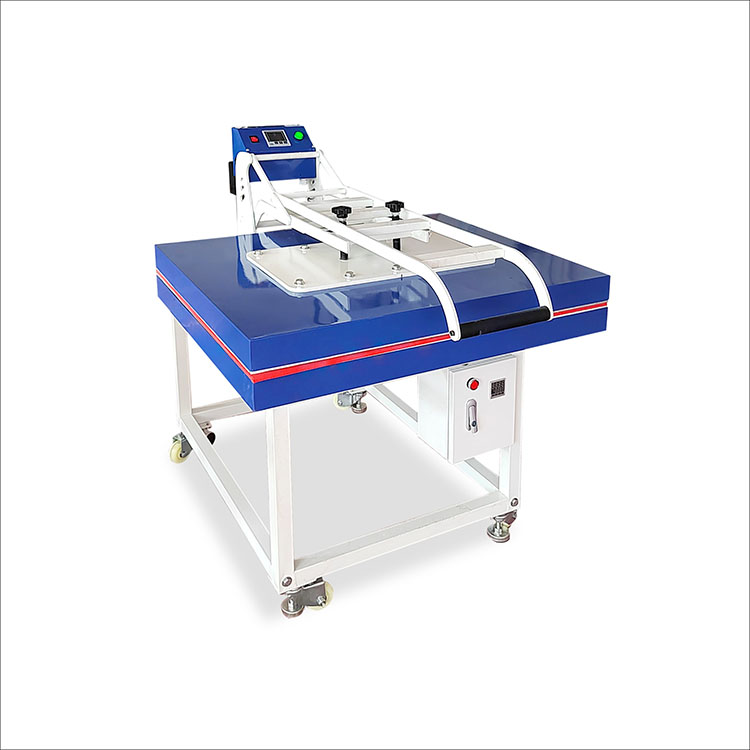
Vietnam's manufacturing ecosystem is diverse, and each type of factory requires a different mix of heat transfer equipment.
- Startup print shops and local brands
Small workshops often focus on custom T‑shirts, jerseys, or uniforms for local customers. They benefit from one or two manual or semi‑automatic flat presses, which offer low investment and flexible production. As business grows, they can add a more automated press or a small fusing machine to handle larger orders and improve consistency.
- Medium‑size garment factories
These factories usually manage repeated orders for international buyers and need better efficiency. A typical setup includes several automatic dual‑station presses, a dedicated sampling press, and a fusing line for collars, front plackets, and other structured parts. Standardizing equipment from carefully chosen Heat Transfer Machines Manufacturers and Suppliers helps them keep quality stable across shifts and locations.
- Large export complexes
High‑volume exporters often run multiple production lines in parallel. They need high‑capacity, reliable machines from proven Heat Transfer Machines Manufacturers and Suppliers, with redundancy built into the system. Large‑format presses, roll‑to‑roll units, and multiple fusing and embossing lines allow them to serve global brands with tight schedules and complex product portfolios.
- Footwear, leather, and accessories manufacturers
These factories rely on specialized embossing and high‑pressure presses to apply durable logos, sizes, and design details to shoes, belts, bags, and other accessories. They may also use welding equipment to create seamless joints in synthetic materials. Working with manufacturers who understand these applications ensures consistent results and fewer rejects.
A heat transfer machine does not work in isolation. To maximize its value, it must be integrated thoughtfully into the broader production line:
- Balancing capacity with upstream and downstream processes
Cutting, printing, sewing, and finishing capacities should match the ability of heat transfer stations. If heat presses are slower than other stages, they become bottlenecks that delay shipments. If they are much faster, capital is under‑utilized. Planning capacity correctly with the support of experienced Heat Transfer Machines Manufacturers and Suppliers helps avoid these issues.
- Ergonomic layout and workflow
Machines should be positioned to minimize unnecessary movement of materials and operators. Loading and unloading tables, clear pathways, and logical grouping of equipment improve productivity and reduce fatigue. For heavy or large pieces, auxiliary supports and fixtures can help operators maintain alignment and quality.
- Environmental control
Stable voltage, adequate ventilation, and controlled ambient conditions help maintain consistent heat transfer quality. Heat Transfer Machines Manufacturers and Suppliers who understand these requirements can advise Vietnamese factories on the best installation practices to prevent temperature fluctuations, condensation, or dust from affecting performance.
Once equipment from selected Heat Transfer Machines Manufacturers and Suppliers is installed, process optimization becomes the next priority:
- Standardizing settings
Recording and standardizing temperature, pressure, and dwell time for each type of transfer and fabric ensures repeatable results. Creating “recipes” for common product types accelerates changeovers and reduces the risk of operator error.
- Sample testing and approval
Before mass production, factories should run sample tests to verify color, adhesion, stretch, and wash durability. Once approved by customers, these samples become reference standards for quality control. Any deviation during production can be quickly detected and corrected.
- Operator training
Well‑trained operators can recognize early signs of problems such as incomplete transfers, scorching, or misalignment. Heat Transfer Machines Manufacturers and Suppliers that offer training materials, troubleshooting guides, and clear documentation make it easier for factories in Vietnam to build internal expertise.
Working with reliable Heat Transfer Machines Manufacturers and Suppliers is the first step in managing risk, but buyers should also implement structured procurement and evaluation practices:
- Technical due diligence
Before placing orders, buyers should review technical specifications carefully, confirm compatibility with local power standards, and ensure that machine capacity matches expected production volumes. For customized machines, drawings and configurations should be checked in detail.
- Warranty and service agreements
Buyers need clear terms on warranty coverage, response times for technical support, and access to spare parts. This information helps them estimate the total cost of ownership instead of focusing only on purchase price.
- Pilot projects and phased rollouts
For large investments, factories can start with a pilot line to validate performance under real production conditions. Once the machines prove reliable and efficient, the factory can roll them out across more lines or additional sites, reducing the risk of costly mistakes.
As Vietnamese manufacturing continues to evolve, Heat Transfer Machines Manufacturers and Suppliers are also upgrading their offerings. Several trends are gaining momentum:
- Increased automation
Automatic loading, unloading, and platen movement reduce labor intensity and improve speed. As labor costs rise and competition intensifies, automation becomes more attractive to factory owners.
- Smarter control systems
Advanced control panels with precise digital settings, data logging, and fault diagnostics help maintain stable processes. In the long term, this can connect with factory information systems for better planning and monitoring.
- Energy efficiency and sustainability
Buyers increasingly look for machines that reduce energy consumption and support sustainability goals. Improved insulation, efficient heating elements, and smart standby modes help lower operating costs and environmental impact.
- Broader material compatibility
With the growth of functional textiles and hybrid materials, Heat Transfer Machines Manufacturers and Suppliers are developing solutions that work reliably across a wider range of substrates. This helps factories diversify their product offerings without needing multiple specialized machines.
Vietnam's strong growth in garments, footwear, and promotional goods has created a rapidly expanding market for high‑performance heat transfer systems. Choosing the right Heat Transfer Machines Manufacturers and Suppliers is a strategic decision that influences product quality, production efficiency, and long‑term competitiveness. From small print shops to massive export‑oriented complexes, every factory benefits from working with partners who understand process requirements, offer scalable equipment portfolios, and provide dependable technical support.
Suppliers such as COLORFUL illustrate how integrated research and development, manufacturing, and service can support diverse customer needs, including those of distributors and factories that serve Vietnam. By evaluating technical strength, after‑sales service, customization capabilities, and future‑proof features, buyers can assemble heat transfer solutions that keep pace with demanding international standards and fast‑changing market trends. With the right choices, Vietnam's manufacturers can continue to build reliable, flexible, and profitable heat transfer operations that support both domestic and global clients.
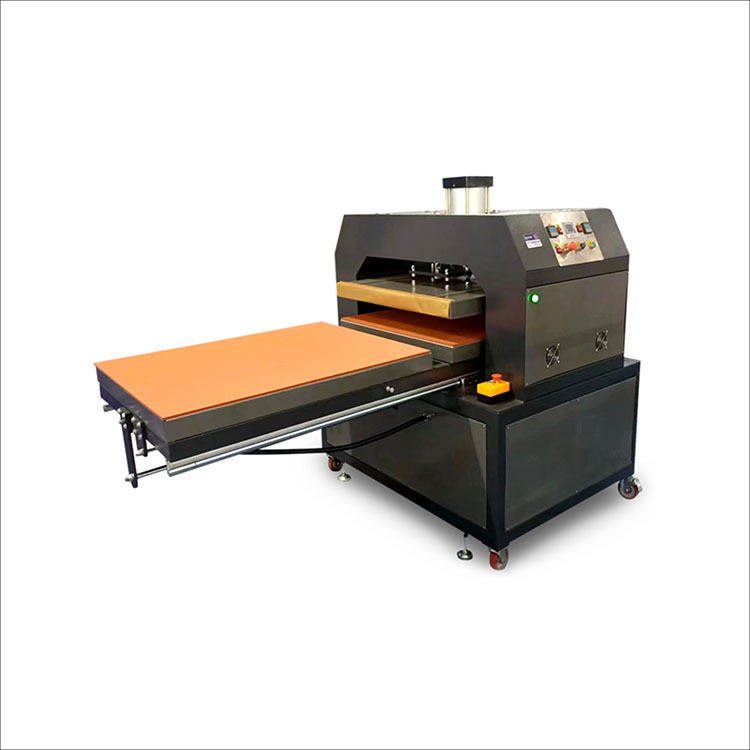
Vietnam buyers should prioritize technical reliability, consistent heating and pressure, and a proven track record in industrial applications. It is important to select partners that supply machines robust enough for continuous operation and compatible with local power and production requirements. Buyers should also value strong after‑sales service, including clear documentation, training support, and readily available spare parts, since these factors greatly reduce downtime and extend equipment life.
A supplier such as COLORFUL helps distributors and factories by providing a wide range of industrial heat presses, fusing units, embossing systems, and related equipment that cover most textile and non‑textile applications. In addition, its OEM/ODM services allow partners to customize equipment according to local needs, from private‑label branding to special sizes and fixtures, which helps distributors differentiate themselves and factories optimize their production lines.
Heat Transfer Machines Manufacturers and Suppliers are vital because they provide the technology that transforms plain fabrics and materials into value‑added, branded products ready for export. Their equipment enables consistent color, durable adhesion, and repeatable quality across large production runs, which is essential for passing buyer audits and maintaining long‑term customer relationships. Without reliable machinery and support, factories face higher defect rates, delayed deliveries, and reduced competitiveness.
In Vietnam, heat transfer technology is widely used for T‑shirts, polo shirts, hoodies, sports jerseys, uniforms, caps, and bags, as well as for home textiles such as cushions, curtains, and bed linen. Beyond textiles, the same technology plays an important role in footwear, belts, wallets, and other leather or synthetic accessories where logos and design elements must resist bending, abrasion, and washing. Promotional products and soft signage also rely on heat transfer to deliver vibrant, long‑lasting graphics.
Factories can maintain long‑term performance by following the maintenance recommendations provided by their Heat Transfer Machines Manufacturers and Suppliers, including regular inspection of heating elements, pressure systems, and control panels. Keeping machines clean, ensuring proper ventilation, and checking for wear on pads or platens also help sustain consistent quality. Training operators in correct setup and operation, recording standard process settings, and replacing worn components on schedule will further extend machine life and minimize unplanned downtime.


