If you have any questions, please feel free to contact us.| Email Us: info@dcheatpress.com


Views: 222 Author: Amanda Publish Time: 2025-12-27 Origin: Site


Content Menu
● What Is a T-Shirt Press Machine
● Main Types of T-Shirt Press Machines
● Choosing the Right Size and Format
● Beginner vs Business-Grade Heat Presses
● Recommended Heat Press Settings
● How to Use a T-Shirt Press Machine
● Pro Tips for Perfect Results
● Emerging Trends in T-Shirt Press Technology
● How to Select a Reliable Manufacturer
● FAQs About T-Shirt Press Machines
>> 1. What is the best heat press for beginners?
>> 2. What size of press do I need for adult T-shirts?
>> 3. Why is my print peeling or cracking after washing?
>> 4. Can I use one press for both DTF and sublimation?
>> 5. How often should I maintain or calibrate my press?
Choosing the right T-shirt press machine is one of the most critical decisions for anyone in the garment printing industry. Whether you are launching a new T-shirt brand, running a growing print-on-demand service, or upgrading your professional equipment, understanding the types, features, and settings of a heat press can help you produce stunning results consistently.
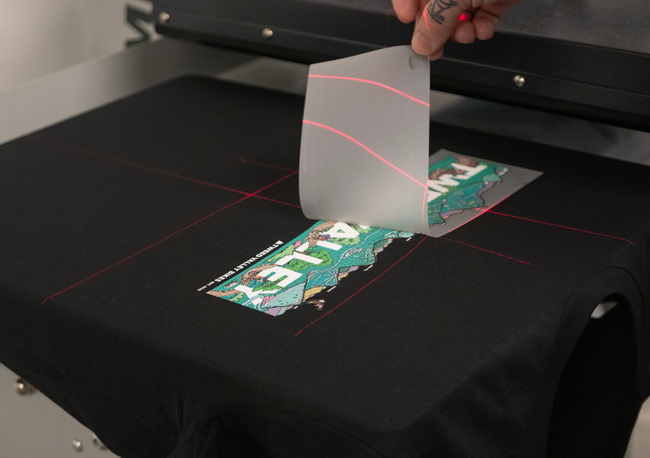
A T-shirt press machine applies controlled heat and pressure to permanently transfer designs onto fabrics. It is used for multiple printing techniques such as heat transfer vinyl (HTV), screen-printed transfers, sublimation, and direct-to-film (DTF). Compared with a regular iron, a professional press offers uniform temperature distribution, precise pressure control, and repeatable timing—ensuring high-quality results with every press.
Main advantages include:
- Consistent temperature across the platen for uniform color.
- Adjustable pressure suitable for diverse fabrics and printing methods.
- Stable mechanical structure that supports long-term, high-volume use.
T-shirt presses come in different structures to meet specific workflows and space requirements.
Type | How It Works | Best For | Key Strengths | Limitations |
Clamshell Heat Press | Top platen opens upward like a clam. | Home workshops, beginners. | Compact, easy to operate. | Limited access for bulky garments. |
Swing-Away Heat Press | Heated platen swings to the side. | Professional use, thick items. | Even pressure and full workspace access. | Requires extra side clearance. |
Auto-Open Press | Automatically lifts when time expires. | Medium to high volume printing. | Prevents scorching and improves efficiency. | Involves a higher cost. |
Dual-Station Press | Two alternating lower platens. | Large scale operations. | Continuous workflow for mass production. | Bulky size and heavier frame. |
Specialty Presses (Mug, Cap, Plate) | Custom shaped platens. | Multi product studios. | Expandability for varied merchandise. | Limited to specific item shapes. |
Look for platens engineered to maintain a temperature variation of less than 5°C. Even heat ensures better color transfer and wash durability.
Modern machines feature digital displays for temperature, pressure, and timer settings. Precision controls prevent common issues like scorching or incomplete transfers.
A robust pressure system—manual, pneumatic, or hydraulic—ensures consistent results, even with thick garments or layered transfers.
Choose solid frames with CE-certified components, durable coatings, insulated handles, and overheating protection for long-term reliability and operator safety.
Selecting the correct platen size determines how versatile your press will be.
- A4 (9" × 12") - Ideal for hobbyists printing logos or small patterns.
- A3 (15" × 15") - The most popular choice balancing size and practicality.
- 16" × 20" or larger - Suitable for commercial uses, sportswear, or all-over designs.
Evaluate based on your print area, workspace, power supply, and target garment range.
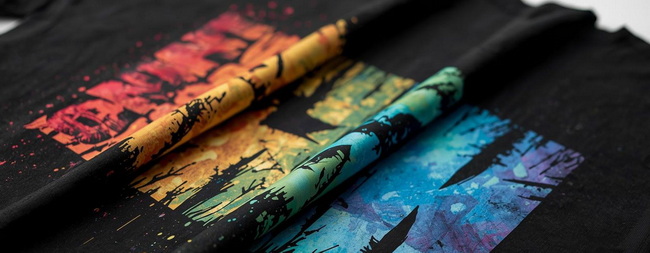
Entry-level presses are typically manual clamshell models. They are lightweight, affordable, and easy to operate—perfect for personal projects and small-batch orders.
Mid-range machines offer larger platens, auto-open functions, and better temperature accuracy. They strike a balance between productivity and ease of use.
Heavy-duty presses with dual stations and pneumatic systems deliver faster cycles and higher pressure stability—ideal for apparel factories and continuous production.
Different materials require specific temperature, time, and pressure. Always test before full production.
Process | Temp | Time | Pressure | Notes |
Heat Transfer Vinyl (HTV) | 150-165°C | 10-20 s | Medium | Peel according to film type (hot or cold). |
Screen-Printed Transfers | 160-190°C | 10-15 s | High | Apply strong pressure for adhesion. |
DTF Transfers | 150-165°C | 10-20 s | Medium | Use correct curing and finish pressing. |
Sublimation | 180-200°C | 40-60 s | Light | Only suitable for polyester fabrics. |
Keep track of your proven settings in a logbook for repeat jobs. Consistency in time, temperature, and pressure is key to professional-grade prints.
1. Prepare the transfer and fabric - Mirror the artwork when required and pre-heat the press.
2. Set the temperature and timer - Input your chosen settings based on the transfer type.
3. Pre-press the garment - Remove moisture and wrinkles to ensure smooth adhesion.
4. Position the design - Align properly for balanced and level prints.
5. Press the transfer - Apply firm, even pressure for the required time.
6. Peel and finish - Follow the manufacturer's peel method and inspect adhesion.
Optional: re-press with parchment sheets to enhance finish and durability.
- Use heat-resistant pads over zippers or seams for even pressure.
- Calibrate your heat platen monthly using an infrared thermometer.
- Keep platen surfaces clean to avoid unwanted markings.
- Document every variable—temperature, pressure, operator—for consistent performance tracking.
Insert a bar chart comparing defect rates before and after calibration to make this section visually educational.
- Smart Auto-Press Systems now automate pressure adjustments for consistent results.
- Hybrid DTF and sublimation workflows are gaining popularity for versatility.
- Modular platens help printers produce multiple product types with one base machine.
A comparison chart of smart vs traditional presses can visually highlight cost and productivity differences.
- Small retail shops produce custom tees and event apparel efficiently with mid-size auto-open presses.
- Sportswear manufacturers rely on pneumatic dual-station presses for durable team jerseys.
- Custom merchandise brands maximize versatility through modular attachments for caps and tote bags.
Flow diagrams or photos of these applications enhance reader engagement.
When investing in a T-shirt heat press machine, choose a brand that offers:
- Strong R&D capability ensuring consistent innovation.
- OEM/ODM customization flexibility to meet production demands.
- Rigorous quality control and safety certifications like CE.
- Global technical support and accessible spare parts supply.
A dependable manufacturer ensures smooth operations and long-term returns on investment.
Turn your creative designs into profitable products with a professional-grade T-shirt press machine. Whether you aim to print in small batches or scale production globally, invest in equipment that delivers accuracy, reliability, and efficiency. Contact a trusted heat press manufacturer today to receive expert recommendations and configure the perfect press for your business success.
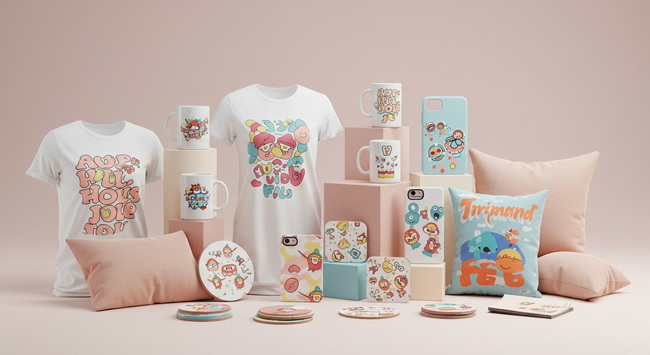
A manual clamshell press with digital temperature and timing control is ideal for beginners. It is affordable, compact, and sufficient for most T-shirt projects.
A 15" × 15" press is the minimum recommended. Professionals often upgrade to 16" × 20" or larger for all-over prints and hoodies.
This usually happens because of insufficient temperature, pressure, or pressing time. Adjust settings and always check garment washing instructions.
Yes, as long as the machine offers accurate temperature and pressure control. Keep in mind sublimation only works on polyester fabrics, whereas DTF suits both cotton and blends.
Inspect your press monthly if used lightly, or weekly for heavy production. Regular calibration and cleaning significantly improve equipment life.


