If you have any questions, please feel free to contact us.| Email Us: info@dcheatpress.com


Views: 222 Author: Amanda Publish Time: 2025-12-29 Origin: Site


Content Menu
● Heat Press Cover vs Teflon Sheet vs Paper Cover
● Why You Need a Heat Press Cover
>> 2. Increases Production Efficiency
>> 3. Prevents Contamination and Ghosting
● Why It Is Used on the Lower Platen
● How to Choose the Right Heat Press Cover
>> Step 1: Measure the Platen Size
>> Step 2: Account for Machine Type
>> Step 3: Match Material to Printing Techniques
>> Step 4: Consider Production Volume and Budget
>> Apparel Manufacturing Facility
● Best Practices for Use and Maintenance
● Upgrade Your Printing Efficiency Today
● FAQs About Heat Press Covers
>> 1. Do I still need a cover if I use Teflon sheets?
>> 2. Will the cover affect my heat press settings?
>> 3. How frequently should a cover be replaced?
>> 4. Can I use one cover for multiple platen sizes?
>> 5. What is the best cover for beginners?
A well‑chosen heat press cover can significantly elevate your printing precision, reduce equipment wear, and improve production efficiency. Whether you are crafting apparel, customizing hard substrates, or operating industrial‑grade machines, understanding how to select and use a high‑quality platen cover is essential for consistent, professional outcomes.
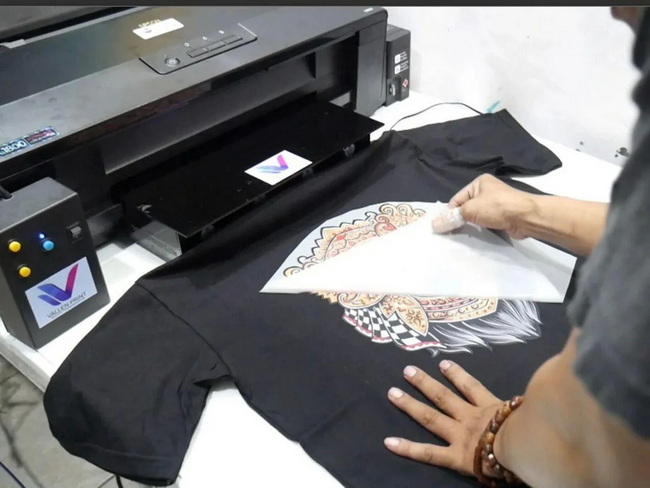
A heat press cover is a durable, heat‑resistant layer designed to fit over the lower platen of your heat press. It functions as a protective shield between your machine and the product being printed, ensuring smooth operation, even pressure, and long‑term platen integrity.
- Common materials: Teflon‑coated fabric or non‑stick synthetic textiles.
- Key benefits: Prevents damage to the platen, repels ink and adhesive residue, supports easy garment loading.
- Ideal for: Frequent printing operations such as DTF, sublimation, and screen transfer applications.
A high‑quality cover is a small upgrade that can make a measurable difference in any production environment.
Many printers confuse heat press covers, Teflon sheets, and craft paper sheets. Although they serve similar protective roles, each performs a distinct function.
| Protection Type | Placement | Reusable | Best Use Case | Primary Benefit |
|---|---|---|---|---|
| Heat press cover | Lower platen | Yes | Apparel & mixed material printing | Protects platen; smoother garment flow |
| Teflon sheet | Upper platen/top | Yes | HTV, final press finishing | Prevents sticking; glossy surface |
| Kraft or parchment sheet | Over the transfer | No | DTF & sublimation jobs | Controls gloss; provides disposable layer |
Each layer complements the others. Combining them strategically provides both clean output and protection longevity.
A platen cover is not merely a maintenance accessory—it directly affects print quality, workflow speed, and machine durability.
Without a cover, the platen surface is exposed to adhesive, ink, and debris buildup. Over time, this can damage the rubber padding, leading to uneven pressure or permanent imprints. A fitted cover preserves platen uniformity and extends equipment life.
The slick, non‑stick texture allows garments to be easily loaded and removed without catching on the platen edge. This seemingly small advantage substantially improves operator efficiency during continuous runs.
Residue from transfers or adhesives can accidentally imprint on subsequent garments. A heat press cover provides a reliable barrier, eliminating ghost patterns and ensuring every piece exits flawlessly.
Most heat press covers are fitted on the lower platen rather than the upper one. Here's why:
- Upper platens are typically pre‑coated with non‑stick material.
- The lower platen faces more motion, abrasion, and adhesive buildup.
- A thick upper cover could interfere with heat transfer or pressure accuracy.
By focusing protection on the lower platen, you preserve the press's heating precision while maintaining clean, even pressure.
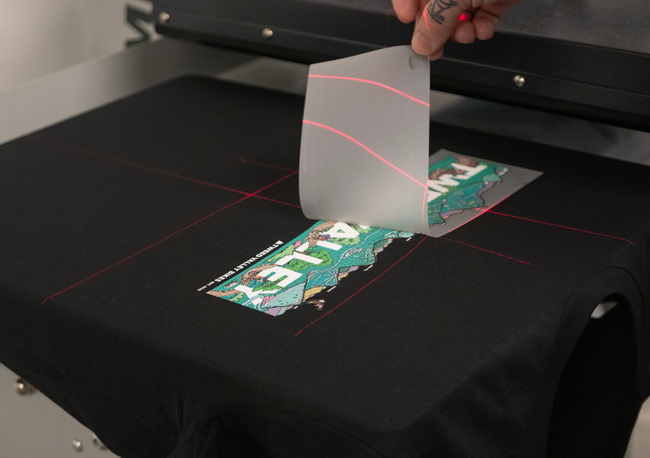
Selecting the correct material based on your print applications is vital for optimal performance.
- Excellent for apparel printing where breathability matters.
- Helps release moisture and avoids unwanted shine on cotton.
- Provides a comfortable surface for continuous garment loading.
- Perfect for hybrid or multi‑material production lines.
- Handles high temperatures and repeated use without degradation.
- Easy to clean and ideal for sublimation or hard substrate transfers.
For most modern workshops, a Teflon/fabric hybrid strikes the sweet spot between flexibility and durability.
Follow these steps to ensure you buy the right fit for your heat press model and production needs.
Record the exact platen width and length, typically 15"×15" or 16"×20". A tailored cover prevents slipping and guarantees uniform pressure during pressing.
If your press includes a slide‑out drawer or threadable platen, make sure your cover allows free movement without damage. Covers with flexible edges or cutouts are ideal for these designs.
- For apparel and HTV transfers: Opt for fabric or hybrid covers.
- For DTF, sublimation, or mixed media: Choose full Teflon covers.
High‑volume production facilities should invest in professional‑grade covers that withstand heavy use. Smaller studios can begin with budget options and upgrade later.
A high‑volume T‑shirt supplier replaced bare platens with fitted covers to increase output. The result: garment changes were twice as fast, platen wear decreased, and operator fatigue was reduced.
A sublimation shop introduced non‑stick Teflon covers for photo‑panel transfers. After implementation, ghosting and adhesive residue declined sharply, improving overall consistency.
Such proactive enhancements demonstrate how minor adjustments lead to measurable operational improvements.
Maintaining the cover preserves not only its surface but also long‑term print quality.
- Wipe before every session to remove dust or lint.
- Inspect for burns or residues and clean immediately.
- Ensure garments are flat to avoid pressure lines.
- Clean with a soft, damp cloth and heat‑safe detergent.
- Avoid metal tools that can scratch the coating.
- Replace the cover when surface damage or buildup appears.
A disciplined approach to maintenance saves hours of rework and prevents costly equipment issues.
- Pressing directly on the platen without protection.
- Using too many padding layers, causing poor pressure distribution.
- Ignoring heat limitations or mismatched materials.
Avoiding these common pitfalls ensures repeatable, professional results for every order.
If you seek smoother workflow, longer equipment life, and flawless print quality, investing in a precision‑fitted heat press cover is the simplest and most economical improvement you can make.
Start by assessing your heat press platen size, identify your main transfer types, and choose the cover that aligns with your goals. Explore certified accessories on trusted industrial equipment platforms for guaranteed material safety and durability.
Transform your production line today with the right protection and achieve new levels of performance and print consistency.
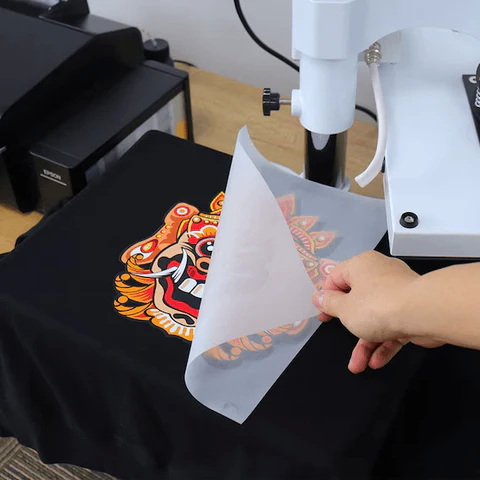
Yes. Teflon sheets protect the print surface, but a lower platen cover protects the platen itself from residue and wear, ensuring long‑term consistency.
Thicker covers may slightly change heat transfer, so minor adjustments in pressure or time may be required. Test before mass production.
Replace when it shows signs of discoloration, burns, or hardened residues. Heavy users should inspect every few months.
No. Different platen sizes require separate covers to maintain safety and print accuracy.
For beginners printing garments, a hybrid or fabric cover sized to the platen (15"×15" or 16"×20") offers reliable protection and flexibility.


