If you have any questions, please feel free to contact us.| Email Us: info@dcheatpress.com


Views: 222 Author: Amanda Publish Time: 2026-01-02 Origin: Site


Content Menu
● What Is Sublimation Printing
● What Is Heat Transfer Vinyl (HTV)
● Key Differences Between Sublimation and Vinyl
>> Core Technical And Practical Differences
● Advantages and Limitations of Sublimation
● Advantages and Limitations of Heat Transfer Vinyl
● Cost And Scalability Considerations
>> Step 1: Evaluate Material And Color
>> Step 2: Examine Design Complexity
>> Step 3: Consider Durability And Frequency of Use
● Why Equipment Quality Matters
● Typical Real-World Scenarios
● Action Steps: From Decision to Implementation
● FAQs
>> FAQ 1: Which lasts longer, sublimation or vinyl
>> FAQ 2: Can sublimation be used on cotton shirts
>> FAQ 3: Is HTV cheaper than sublimation for beginners
>> FAQ 4: Can sublimation and vinyl be combined on one product
>> FAQ 5: What type of heat press is recommended
Sublimation printing and heat transfer vinyl (HTV) each offer distinct advantages for custom garments, tumblers, and promotional products, and the best choice depends on your materials, design complexity, and durability expectations. Sublimation excels at permanent, photo-quality prints on light polyester, whereas vinyl delivers bold, opaque designs on a wide range of fabrics and colors, including dark bases. [1][2][3]
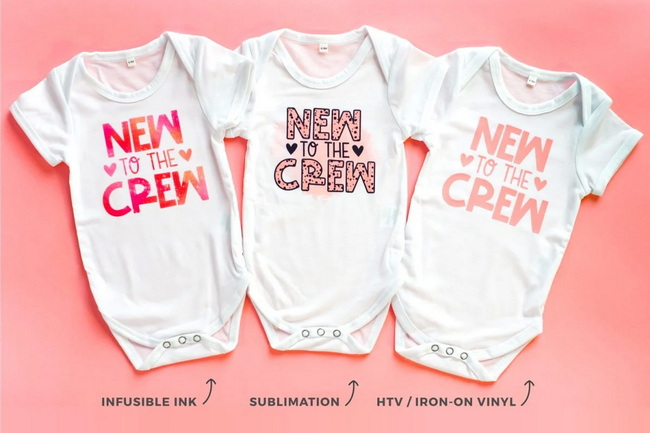
Sublimation printing is a heat-transfer process that uses special inks which turn into gas under high temperature and bond with polyester fibers or poly-coated surfaces. The resulting print becomes part of the material, creating a smooth finish without added texture or weight. [2][4][1]
In a typical workflow, the design is first printed with sublimation ink onto coated sublimation paper and then pressed onto the substrate using a heat press or sublimation oven. During pressing, the ink vaporizes, penetrates the polyester coating, and solidifies inside the fibers, resulting in vivid, durable color. [4][5][1]
This method is best suited to white or light-colored polyester fabrics and polymer-coated blanks such as mugs, tumblers, metal sheets, and ceramic tiles. To ensure long-lasting results, the substrate should generally contain at least 65 percent polyester. [5][1][2]
Heat transfer vinyl is a decoration method where colored or printable vinyl is cut into shapes or text and then fused onto a surface under heat and pressure. Unlike sublimation, the design forms a thin layer on top of the material rather than becoming part of it. [3][1][2]
The process starts with cutting the design from vinyl using a cutting machine, followed by weeding away the excess material to reveal the final artwork. The design is then positioned on the substrate and permanently bonded using a heat press or household iron at the recommended temperature and pressure. [6][1][2][3]
HTV is compatible with numerous substrates, including cotton, polyester blends, canvas, leather, wood, and certain plastics, as long as they can tolerate the transfer temperature. This flexibility makes vinyl popular among crafters and small businesses that work with varied products and darker fabrics. [7][1][2][3]
The following table summarizes the main technical and practical differences between the two methods in terms of bonding, feel, materials, and ideal use cases. [1][2][3]
Aspect | Sublimation Printing | Heat Transfer Vinyl (HTV) |
Bonding mechanism | Ink infuses into polyester fibers or poly coatings, forming a permanent part of the surface. | Vinyl adheres on top of the substrate as a thin plastic layer held by heat-activated adhesive. |
Feel and texture | Smooth, with essentially no added texture and good fabric breathability. | Slightly raised, with a more noticeable hand feel, especially over large coverage areas. |
Ideal materials | White or light-colored polyester garments and poly-coated blanks. | Cotton, blends, canvas, leather, wood, and many other substrates. |
Design complexity | Supports photo-realistic images, gradients, and intricate fine detail. | Works best for simple shapes and text; very fine elements are harder to cut and weed. |
Durability | Highly resistant to cracking and peeling, with excellent wash fastness when applied correctly. | Durable but may crack or peel over time, especially on heavily worn items. |
Compatible fabric colors | Light backgrounds only, because there is no true white ink and dark bases mute colors. | Effective on light and dark fabrics, including black garments. |
Startup cost | Requires a dedicated sublimation printer, inks, paper, and a heat press or oven. | Generally lower entry cost with a cutter, vinyl, and basic heat press or iron. |
Production workflow | Print and press once, with no weeding and minimal manual handling. | Includes cutting, weeding, and layering for multi-color designs. |
Typical applications | Tumblers, mugs, performance wear, full-color jerseys, and photo gifts. | Team shirts, slogans, monograms, tote bags, and mixed-material projects. |
At this point in the article, a comparison diagram showing a cross-section of sublimation ink inside fibers versus vinyl on top of fabric can significantly improve visual understanding for readers. [5]
Sublimation is particularly strong in scenarios where high-resolution color, soft hand feel, and long-term durability are essential. It also scales efficiently for complex designs because multi-color images do not require additional production steps once the file is prepared. [9][10][1][2][5]
On the other hand, this process is limited by its dependence on polyester or poly-coated substrates and its inability to produce opaque prints on dark backgrounds. The need for specialized equipment means that initial investment is generally higher than very basic vinyl setups. [10][1][2][5]
- High-impact color: Excellent for photos, gradients, and full-bleed artwork that must look professional.[7][1][5]
- Integrated finish: With ink locked inside the fibers, there is no added bulk, which is ideal for sportswear.[8][1][2]
- Material constraints: Requires light, polyester-rich or coated blanks to achieve durable results.[1][2]
- Higher entry barrier: Demands a compatible printer, inks, transfer paper, and consistent heat source.[2][10][1]
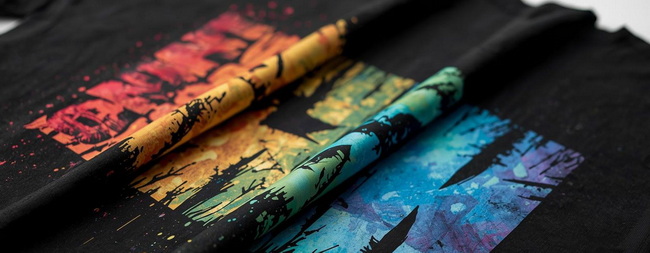
Heat transfer vinyl is attractive for users who need versatility across fabrics and want bold, solid designs on light or dark materials. It is also a practical option for personalization, such as names and numbers, where each item is slightly different. [3][1][2]
The manual steps involved in cutting, weeding, and layering can slow production and introduce variation when handling large or complex designs. Over time, heavy usage or frequent laundering may cause edges to lift or the vinyl to crack, especially on highly stretched areas. [9][10][1][2]
- Material flexibility: Works on cotton, blends, canvas, leather, wood, and many other substrates.[1][2][3]
- Dark fabric friendly: Opaque colors and specialty finishes such as metallics and glitter show well on black garments.[6][2][1]
- Manual labor: Cutting and weeding increase production time for intricate or high-volume work.[10][2][1]
- Durability limits: Can peel, crack, or lift under repeated stress or washing if application is inconsistent.[2][3]
Initial cost differs between the two technologies, but long-term value depends largely on order volume, product mix, and workflow efficiency. Sublimation often becomes more economical for full-color, polyester-based products produced at moderate to high volumes. [11][4][10][1][2]
Vinyl remains a strong choice for lower-volume personalization, mixed materials, and simple logos where the flexibility of working with diverse substrates outweighs the extra manual labor. Users should also factor in the time required for cutting and weeding when calculating the true cost per item. [4][3][10][1][2]
- Entry budget: HTV typically requires a smaller initial investment than a dedicated sublimation system.[10][1][2]
- Per-item efficiency: Sublimation is highly efficient for complex, multi-color prints once equipment and profiles are set.[5][10]
- Labor impact: Manual steps in vinyl production add hidden cost as volumes grow.[1][2][10]
A structured approach based on material, design, and expected use helps narrow down the more suitable method for specific projects. The following three-step framework supports consistent decisions for both personal and commercial applications. [4][2][1]
When the substrate is light polyester or a poly-coated blank, sublimation is typically the most durable and visually impressive option. For cotton, dark fabrics, leather, wood, or mixed materials, HTV generally offers better compatibility and visual impact. [3][2][5][1]
Photo-realistic graphics, fine lines, and soft gradients benefit from sublimation, which can reproduce these details without added production steps. In contrast, bold lettering or simple shapes with a limited color palette are well suited to vinyl, particularly when used on dark garments. [6][7][2][5][1]
Items that will be washed or handled frequently, such as sports jerseys or everyday drinkware, often gain more from sublimation's integrated finish and resistance to cracking. Occasional wear garments and short-term promotional pieces can work well with HTV while keeping costs and complexity in check. [9][2][3][10][1]
At this stage, an easy-to-follow decision tree graphic that leads users from “material” and “design type” to a recommended method can further enhance clarity. [5]
Regardless of the chosen method, consistent temperature and pressure are critical for reliable transfer quality. Inadequate or uneven heat can cause dull colors, incomplete sublimation, or poor HTV adhesion that fails during washing. [12][2][3][1]
Purpose-built presses with accurate digital temperature control, stable pressure mechanisms, and robust construction help ensure repeatable results over long production runs. For users producing at commercial scale, specialized presses, welding or fusion systems, and embossing equipment can significantly improve throughput and consistency. [13][14][12]
- Temperature stability: Prevents color shifts and incomplete transfers in sublimation applications.[12][2]
- Even pressure: Ensures uniform bonding of HTV, reducing the risk of corners lifting or early peeling.[2][3][1]
- Industrial reliability: Durable construction supports continuous use in business environments.[14][13]
Applying both technologies to common use cases makes it easier to understand their strengths and limitations in practice. The method that performs best often depends less on theory and more on each project's material, color, and end-use context. [3][1][2][5]
- Wrap-around tumblers:
Full-coverage, vibrant designs on poly-coated drinkware are generally better suited to sublimation for a seamless look and smooth finish.[1][2][5]
- Dark cotton hoodies:
Event or band merchandise made from dark cotton often benefits from HTV, which delivers bold, opaque logos and text.[2][3][1]
- Performance sportswear:
Lightweight, breathable polyester jerseys typically pair well with sublimation, which does not add bulk or restrict movement.[9][5][1]
- Leather and wood gifts:
Personalized leather notebooks or wooden signage commonly rely on HTV, provided the substrate tolerates the transfer temperature.[3][1][2]
After comparing both methods, the next step is to match technology, materials, and workflow with your goals for quality, durability, and scale. Focusing on a small set of core products and refining consistent processes for each method helps streamline production. [4][10][5][1][2]
- For sublimation-focused workflows: Standardize on light polyester garments and coated blanks, calibrate color profiles, and use a reliable heat press or oven suited to your product sizes.[5][1][2]
- For HTV-focused workflows: Build a library of commonly used vinyl colors, optimize cutting and weeding processes, and rely on a stable press for consistent adhesion.[1][2][3]
After evaluating materials, design style, and long-term durability needs, select the transfer method that best aligns with your product vision and production goals, and then pair it with high-quality heat-transfer equipment engineered for stable temperature and pressure. With the right combination of technology, workflow, and equipment, you can confidently create repeatable, professional-grade results and build a more efficient, scalable custom printing operation.[13][14][12][2][1]
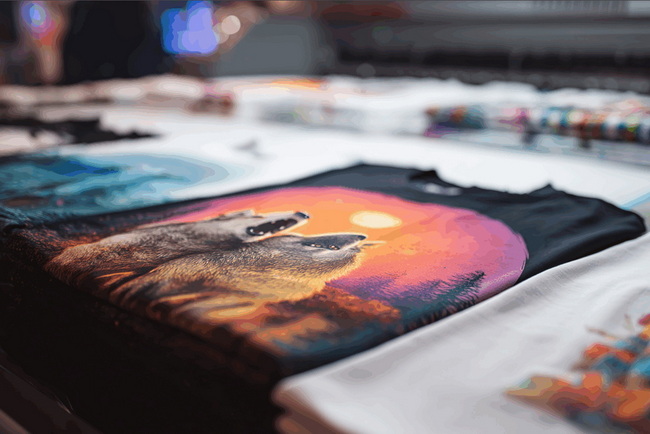
Sublimation generally offers superior longevity because the dye penetrates polyester fibers or coatings, making the design highly resistant to cracking, peeling, and frequent washing when properly applied.[9][2][1]
Standard sublimation does not bond permanently to cotton, and prints placed directly on cotton or low-poly blends tend to fade quickly unless special coatings or hybrid systems are used.[2][5][1]
For most beginners, HTV has a lower entry cost because it typically requires only vinyl, a cutter, and a basic heat source, whereas sublimation needs a compatible printer, specific inks, transfer paper, and a heat press or oven.[10][1][2]
It is possible to combine sublimation backgrounds with vinyl accents on the same item, provided the base substrate supports sublimation and the vinyl is applied within its recommended temperature and pressure range.[7][6]
A dedicated heat press with accurate digital temperature control, even pressure distribution, and durable construction is recommended for both sublimation and HTV to achieve consistent, professional-quality transfers.[13][1][2]
[1](https://makerflo.com/blogs/craft-library/sublimation-vs-vinyl)
[2](https://teckwrapcraft.com/blogs/tips/sublimation-vs-heat-transfer-vinyl)
[3](https://quality-perfection.com/blogs/news/heat-transfer-vinyl-htv-vs-sublimation-printing-which-is-right-for-you)
[4](https://dtfprintco.com/sublimation-vs-htv-guide/)
[5](https://heyletsmakestuff.com/sublimation-printing-basics/)
[6](https://leapoffaithcrafting.com/sublimation-vs-vinyl/)
[7](https://craftvinyl.ca/blogs/news/sublimation-printing-vs-vinyl-printing)
[8](https://www.xtool.com/blogs/xtool-academy/sublimation-vs-heat-transfer-vinyl)
[9](https://www.longforte.com/blogs/trending-topics/is-sublimation-better-than-heat-transfer-vinyl)
[10](https://www.visionsub.com/which-is-cheaper-htv-or-sublimation/)
[11](https://dtfprinter.com/dtf-vs-sublimation-vs-vinyl-htv-which-is-best-for-your-craft-business)
[12](http://www.digifab.com/equipment/heatpress.htm)
[13](https://www.heatpress.com)
[14](https://www.heatpressleader.com/products/)


