If you have any questions, please feel free to contact us.| Email Us: info@dcheatpress.com


Views: 222 Author: Amanda Publish Time: 2025-12-22 Origin: Site


Content Menu
● What Is a Convection Oven for Sublimation?
● Pros and Cons of Each Option
● When a Sublimation Oven Makes Sense
● When a Convection Oven Is a Good Starting Point
● When a Mug Press Is the Best Option
● Standard Mug Printing Workflow
● Typical Issues and Machine-Related Causes
● Safety and Maintenance Essentials
● Choosing the Right Equipment for Your Situation
● Take the Next Step Toward Reliable Mug Printing
● FAQs
>> 1: Which is better for beginners, a mug press or a convection oven?
>> 2: Can I use my kitchen oven for sublimation?
>> 3: Do sublimation ovens really improve quality compared with a basic convection oven?
>> 4: How many mugs can I sublimate at once in an oven?
>> 5: Is a mug press worth the higher cost?
Choosing between a sublimation oven, convection oven, and mug press determines how fast you work, how consistent your colors look, and how profitable your mug printing business can become. This guide explains how each option works, where each shines, and how to pick the right equipment for your budget and production goals. [2][3]
This article is written for small custom gift shops, print-on-demand entrepreneurs, and growing workshops that want reliable, scalable mug printing workflows. Whether you are upgrading from basic DIY tools or planning a small production line, understanding each machine will help you invest wisely. [3][2]
A sublimation oven is a purpose-built heating chamber that uses circulating hot air to transfer sublimation ink onto coated mugs, tumblers, and bottles. It surrounds the product with even heat, which is especially useful for curved and irregular shapes that do not fit into a flat press. [4][3]
- Designed specifically for sublimation, often with preset temperature ranges and accessories for drinkware. [3][4]
- Handles several mugs at the same time if they are spaced correctly, boosting throughput per cycle. [3]
- Circulated air reduces cold spots that can cause faded areas or ghosting on prints. [4][3]
Typical settings are around 380–400°F (193–204°C) and 11–13 minutes for ceramic mugs, adjusted for size and quantity. These values are a starting point and should be refined based on your own blanks and inks. [5][3]
A convection oven for sublimation is a countertop convection oven used only for sublimation mugs and tumblers, usually with shrink wrap or silicone wraps to maintain pressure. It is not originally designed for printing, but with careful setup it can deliver very good results for small studios and hobbyists. [6][2]
- Uses a fan to circulate hot air, giving more even heating than a standard home oven. [2][6]
- Can process several mugs or tumblers in one cycle if the chamber size allows. [7][3]
- Often has a lower initial cost than specialized printing equipment, which is attractive for beginners. [2][4]
Most workflows use about 350–400°F and 11–14 minutes, sometimes with rotation halfway through the cycle. Experts strongly recommend using a dedicated oven that is never reused for food after sublimation. [5][6][7][2]
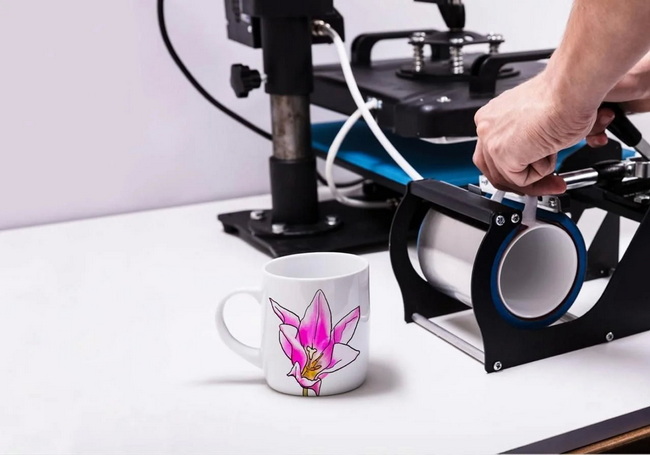
A mug press is a heat press with a curved heating element that clamps around a mug and applies controlled temperature and pressure directly to the surface. This direct contact typically allows shorter pressing times and very sharp transfers for standard ceramic mugs. [2][3]
- Direct contact heating minimizes air gaps and delivers crisp, consistent prints. [3][2]
- Many ceramic mugs can be pressed in about 3–6 minutes, depending on coating and ink. [8][6]
- The workflow is straightforward: tape, clamp, press, and cool, which helps reduce operator error. [2][3]
Some mug presses are optimized for specific sizes, so additional heating elements or attachments may be needed for tall tumblers or larger diameters. Planning these add-ons in advance avoids bottlenecks when product lines expand. [9][3]
The following overview highlights how each solution performs in terms of cost, capacity, speed, and versatility. This comparison helps you quickly match technology with your current and future mug printing needs. [7][9][3][2]
Aspect | Sublimation oven | Convection oven | Mug press |
Equipment cost | Medium to high; specialized but often bundled for sublimation users. | Low to medium; many use affordable countertop ovens dedicated to blanks. | Medium to high; quality presses and extra elements add cost. |
Capacity | Can process multiple mugs or tumblers per cycle with proper spacing. | Supports several items at once depending on size and layout. | Usually one mug at a time, except for some industrial models. |
Speed per item | 11–13 minutes, but batch processing keeps overall output competitive. | 11–14 minutes plus possible rotation, offset by multi-item capacity. | About 3–6 minutes per mug, ideal for single or small runs. |
Learning curve | Moderate; once time and spacing are dialed in, results are repeatable. | Higher; wraps, rotation, and temperature control all require testing. | Low to moderate; easy once pressure and size are set correctly. |
Shape versatility | Excellent for mugs, bottles, and irregular blanks with wraps. | Very good; any item that fits the chamber and can be wrapped. | More limited; additional elements needed for nonstandard shapes. |
Color consistency | High when temperature and airflow are stable and wraps are snug. | Moderate to high; more prone to variation if temperature is uneven. | High; direct pressure and heating reduce random inconsistencies. |
A sublimation oven is a strong choice when you need both capacity and flexibility in a compact footprint. It fits shops that handle varied drinkware orders and prefer batch processing over single-piece workflows. [4][3]
- Ideal for businesses that print multiple mugs, bottles, or tumblers in each production cycle. [3][4]
- Supports a wider range of shapes compared with many single-size mug presses. [4][3]
- Works especially well when paired with quality silicone or shrink wraps to ensure even pressure. [5][7][3]
For optimal performance, monitor internal temperature with an independent thermometer and avoid overcrowding, which can block airflow and create uneven results. These simple checks help maintain consistent color across full batches. [5][7][3]
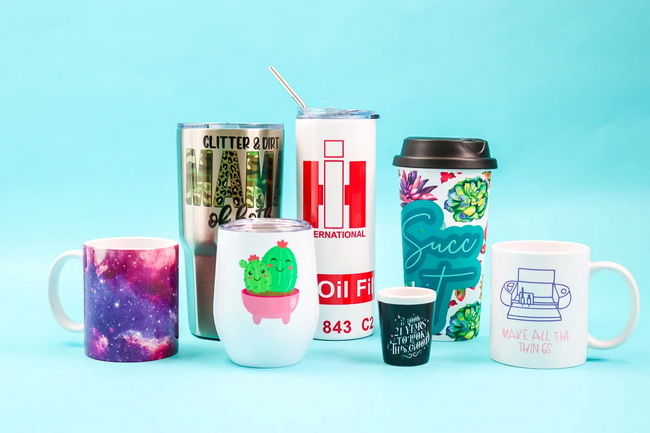
A convection oven is appealing for beginners and small studios that want to test sublimation drinkware with a low entry cost. It offers flexibility across sizes, though it demands more hands-on adjustment than a dedicated mug press or high-end sublimation oven. [7][2][4]
- Useful for early-stage shops validating demand for custom mugs and tumblers. [2][3]
- Allows experimentation with different blank sizes without buying multiple press elements. [7][3]
- Requires disciplined testing of time and temperature to avoid fading or ghosting. [5][2][7]
Always keep the oven dedicated to sublimation and clearly labeled, and track results for each new blank type to build reliable process recipes. Over time, those recipes can be standardized into shop procedures that anyone on the team can follow. [6][2][3][7]
A mug press is often the most efficient solution when you primarily sell standard ceramic mugs and want predictable, fast turnaround on small and medium-sized orders. Once dialed in, it delivers repeatable quality with minimal trial and error. [2][3]
- Well suited for online stores and kiosks focused on classic photo or logo mugs. [3][2]
- Short pressing cycles support quick shipping and on-demand personalization. [8][6]
- Fewer ancillary supplies are needed compared with oven workflows that rely on wraps. [2][3]
To maintain performance, regularly check pressure settings when changing mug sizes and clean the heating element to prevent buildup of ink residue. Consistent maintenance extends the lifespan of the machine and keeps print quality stable over time. [9][7][3]
While the equipment differs, the core steps of sublimation mug printing are similar across all three methods. Understanding the sequence helps you troubleshoot issues more systematically. [5][3][2]
- Design and print: Create artwork at 300 dpi, mirror it, and print using sublimation inks and compatible paper. [3][2]
- Prepare the mug: Use polymer-coated sublimation mugs and clean them with a lint-free cloth before taping. [10][5]
- Apply the transfer: Wrap the print tightly and secure it with heat-resistant tape; add shrink or silicone wraps for oven processes. [5][7][2]
- Heat transfer: Use the recommended temperature and dwell time for your chosen machine and blank. [5][2][3]
- Cool and reveal: Remove the mug with heat-resistant gloves, allow partial cooling, and peel the paper to reveal the final print. [2][5]
Documenting your exact settings for each substrate and machine model builds a reference library that speeds up training and reduces waste. Over time, this documentation becomes a key asset for quality control and scaling production. [3][2]
Most mug printing problems trace back to temperature control, pressure, or movement during pressing. Each equipment type influences these variables differently, so diagnosing the source becomes easier when you understand their behavior. [7][2][3]
- Faded colors: Often caused by low temperature or short dwell time; ovens may require longer cycles, while presses may need slight temperature increases within safe ranges. [5][2][3]
- Ghosting or double images: Typically due to paper movement or loose wraps; secure taping and snug pressure are especially important in ovens. [7][3][5]
- Uneven bands of color: Can result from hot or cold spots in ovens or inconsistent pressure in presses; better calibration and quality equipment reduce these defects. [4][7][3]
Adding visual examples of defects and corrections to staff training materials further improves first-time success rates. This simple step is particularly useful when onboarding new operators in a busy shop. [7][2][3]
Safe, reliable operation protects both operators and equipment while keeping output quality stable. Good practices are similar across machines but must be applied consistently to be effective. [2][3][7]
- Use dedicated ovens for sublimation only and provide adequate ventilation around all heat equipment. [6][7][2]
- Inspect wraps, pads, and heating elements regularly and replace them when they show signs of wear. [3][7]
- Verify temperature readings with an external thermometer, especially in ovens, to catch calibration drift early. [5][7]
Scheduling routine maintenance and keeping a simple logbook helps detect issues before they affect customer orders. This approach is especially valuable for workshops that run multiple shifts or machines. [2][3]
The best choice among the three options depends on your order profile, budget, and long-term product plans. Matching these factors to the strengths of each machine type makes your investment more resilient as the business grows. [4][3][2]
- If budget is tight and you want maximum flexibility across sizes, a dedicated convection oven is a practical entry point. [4][2]
- If you mainly produce standard ceramic mugs and care about speed and simplicity, a quality mug press is often the most efficient tool. [3][2]
- If you handle diverse drinkware and short production runs, a sublimation oven gives valuable capacity and shape versatility. [4][3]
- For shops planning to scale, combining a mug press for daily orders with a sublimation oven for batches offers a balanced setup. [9][3]
Revisiting this selection periodically as your customer base and order mix change helps ensure your equipment line-up remains aligned with actual demand. This mindset turns hardware decisions into part of a broader, data-driven growth strategy. [2][3]
Now that you understand how sublimation ovens, convection ovens, and mug presses differ in cost, capacity, and workflow, the next step is to match these strengths to your actual order volumes and product plans. Define your main mug sizes, typical batch quantities, and growth targets, then choose or upgrade to the equipment combination that will support consistent color, low waste, and repeatable quality as your business expands. [9][3][4][2]
For beginners focused mainly on standard ceramic mugs, a mug press is usually easier because it eliminates wraps and rotation and has fewer variables to manage. A convection oven is more flexible and often cheaper, but it requires more experimentation with time, temperature, and wrapping to achieve consistent results. [7][4][3][2]
Using a kitchen oven for sublimation is strongly discouraged because the fumes and residue from inks and wraps can contaminate cooking surfaces. If you want to use an oven method, choose a dedicated convection or sublimation oven that will never be used for food. [6][7][2]
Sublimation ovens often offer more stable temperature control, accessories, and presets tailored to drinkware, which can improve consistency and reduce testing time. A well-configured convection oven can still produce professional results, but it usually demands more manual calibration and record-keeping. [4][7][3][2]
The exact number depends on oven size, but many users successfully process two to four mugs per cycle while leaving space for airflow. When you increase the number of mugs, you may need to lengthen dwell time and consider rotating them during heating to keep results even. [5][7][3]
For shops that sell a steady volume of standard mugs, a mug press often pays for itself through faster cycles, fewer misprints, and a smoother workflow. If your product line is focused and speed matters, the added upfront investment in a reliable mug press is typically justified. [9][3][2]
[1](https://galaxy-press.com/sublimation-oven-vs-convection-oven-vs-mug-press-for-mug-printing/)
[2](https://blog.sublisnap.com/sublimation-printing-for-beginners-convection-oven-vs-mug-press/)
[3](https://sublimakersacademy.com/mug-tumbler-press-buyers-guide/)
[4](https://makerscornercrafts.com/the-best-convection-ovens-for-sublimation/)
[5](https://www.specialty-graphics.com/content/pdf/Ceramic%20Sublimation%20Coffee%20Mug%20Instructions.pdf)
[6](https://creativedye.com/can-i-use-a-convection-oven-for-sublimation/)
[7](http://www.sublimatemugs.com/why-is-a-convection-oven-better-for-sublimation/)
[8](https://www.youtube.com/watch?v=dekirRgYdXU)
[9](https://jotoimagingsupplies.com/blogs/blogs/which-is-the-best-mug-press-vs-sublimation-oven)
[10](https://www.printful.com/blog/what-is-the-best-method-of-printing-mugs)


