If you have any questions, please feel free to contact us.| Email Us: info@dcheatpress.com


Views: 222 Author: Amanda Publish Time: 2026-01-02 Origin: Site


Content Menu
● Why Raw Wood Alone Does Not Work Well
● Natural vs Engineered Wood for Sublimation
>> Choosing Between Natural and Engineered Wood
>> Natural Wood Characteristics
>> Engineered Wood Characteristics
● Main Methods for Sublimation on Wood
>> Overview of Popular Methods
>> Comparison of Wood Sublimation Methods
● Using Pre-Coated Sublimation Wood Blanks
>> Why Pre-Coated Blanks Are Ideal for Beginners
>> Step-by-Step Workflow with Pre-Coated Blanks
● Laminating Wood for Sublimation
>> Creating DIY Sublimation Blanks with Laminate
>> Step-by-Step Laminated Wood Workflow
● Using Sublimation Heat Transfer Vinyl on Wood
>> Matte-Finish Sublimation with HTV
>> Basic Sublimation HTV Process on Wood
● Polycrylic and Specialty Liquid Coatings
>> Brush-On and Spray Coatings for Custom Projects
>> General Workflow for Liquid Coatings
● Should Wood Be Painted Before Sublimation
>> When a Painted Base Improves Results
>> Tips for Painting Wood for Sublimation
● Time and Temperature Guidelines
>> Typical Settings for Sublimating on Wood
>> General Time and Temperature Ranges
● Practical Step-by-Step Workflow for Beginners
>> From Blank Wood to Finished Sublimated Piece
● Common Issues and Simple Fixes
>> Troubleshooting Typical Problems
>> Frequent Problems and Solutions
● Equipment Considerations for Wood Sublimation
>> Why Stable, Precise Equipment Matters
● Take the Next Step with Professional Wood Sublimation
● FAQs About Sublimation on Wood
>> 1. Can sublimation be done on uncoated wood?
>> 2. What temperature works best for sublimation on wood?
>> 3. Do I have to sand the wood before coating?
>> 4. Is lamination better than liquid coatings?
>> 5. Why do my sublimation prints on wood look blurry?
Sublimation on wood can produce vibrant, long-lasting prints, as long as the wood surface is properly prepared and coated so the sublimation ink can bond correctly. This guide explains every major method, from pre-coated blanks to DIY coatings, and shows how to choose materials, settings, and equipment for reliable results.
Sublimation on wood is a process where special sublimation ink turns into gas under high heat and fuses with a polyester-rich or polymer-coated layer on top of the wood. Instead of sitting on the surface like vinyl or stickers, the image becomes part of the coated layer and will not peel or crack in normal use.
Sublimation ink does not bond well with raw wood fibers, which is why a dedicated coating, laminate, or vinyl layer is needed between the wood and the ink. Once that sublimation-ready layer is in place, wooden products can be decorated with full-color photos, patterns, and text.
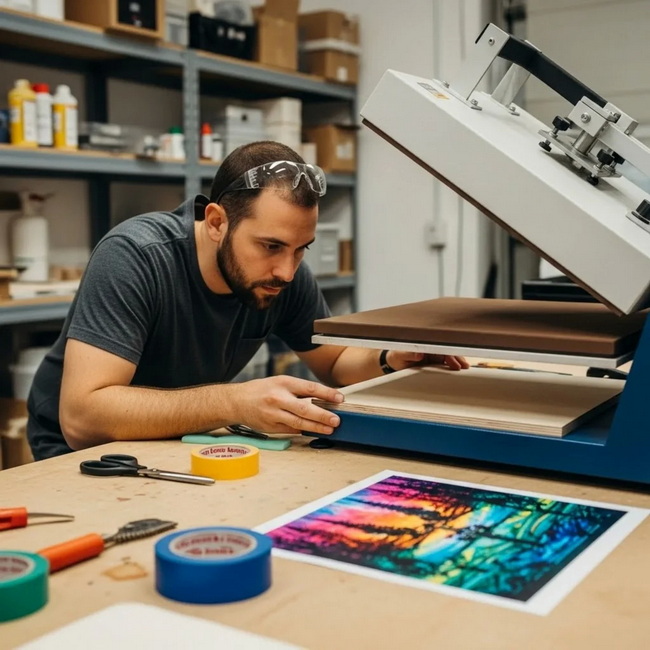
Uncoated wood is porous, uneven, and inconsistent in color, which makes sublimation results unpredictable and often dull. The wood absorbs ink irregularly, and the natural grain can break up small details or text in the design.
In addition, the moisture content in wood can cause warping or ghosting when exposed to high heat during pressing. For these reasons, professional-looking sublimation on wood almost always relies on some kind of coated or treated surface on top of the wood.
Natural and engineered wood both work for sublimation, but they behave differently under heat and coating. Selecting the right type of wood helps avoid warping, inconsistent colors, and surface defects.
Natural wood offers a rustic look but varies piece by piece, while engineered wood is flatter and more uniform. Many makers use engineered wood as a base and add coatings or decorative faces to simulate natural grain.
Natural wood has visible grain, knots, and texture, which create a warm, organic look but can interfere with fine details in printed images. Each board may differ slightly in color and density, so the same design can appear lighter or darker from piece to piece.
Because of its structure, natural wood is more likely to expand, contract, or warp under heat and humidity changes. When sublimating on natural wood, careful surface preparation and controlled pressing conditions are especially important.
Engineered wood, such as plywood or MDF, is manufactured for consistent thickness and smoothness, making it easier to coat and press. It usually has fewer bumps and grooves, so the coated surface remains even and prints look sharper.
Engineered wood can be made to look like natural wood through decorative faces or printed patterns while still offering a stable base for sublimation coatings. This makes it popular for plaques, signs, ornaments, and other high-volume products.
There are four common ways to prepare wood for sublimation, each with its own look, durability, and level of difficulty. These methods can be used on natural or engineered wood, as long as the surface is properly prepared.
Below is a practical table comparing the main approaches.
Method | Skill Level | Surface Finish | Typical Durability | Typical Use Cases |
Pre-coated wood sublimation blanks | Beginner | Glossy or satin | High with proper pressing | Photo panels, signs, ornaments, production runs |
Laminated wood (thermal sheets) | Beginner | Semi-gloss to gloss | High when bonded correctly | DIY blanks, custom shapes, small business projects |
Sublimation HTV on wood | Beginner | Matte to satin | Medium to high | Rustic signs, crafts, mixed-media décor |
Polycrylic or liquid coatings | Intermediate | Matte or gloss | Medium to high | One-of-a-kind pieces, textured or natural-grain projects |
Pre-coated wooden blanks come from the factory with a sublimation-ready polymer layer on the surface, so there is no need to paint, seal, or laminate. This makes them an excellent starting point for new users and a time-saving option for experienced sellers.
These blanks are available in different shapes, thicknesses, and finishes, including white, linen-like surfaces, and wood-grain faces. Because the coating is applied evenly, colors tend to be more vibrant and consistent than with many DIY methods.
1. Clean the coated surface with a lint-free cloth to remove dust or fingerprints.
2. Pre-press the blank for a few seconds to remove moisture and pre-heat the surface.
3. Place the printed sublimation transfer face down on the coated side and secure it with heat-resistant tape.
4. Cover with protective paper and press using the recommended time, temperature, and pressure from the blank manufacturer.
5. Remove the paper immediately after pressing and allow the wood to cool on a flat surface.
This method is efficient and predictable, which is important for sellers producing multiple identical items.
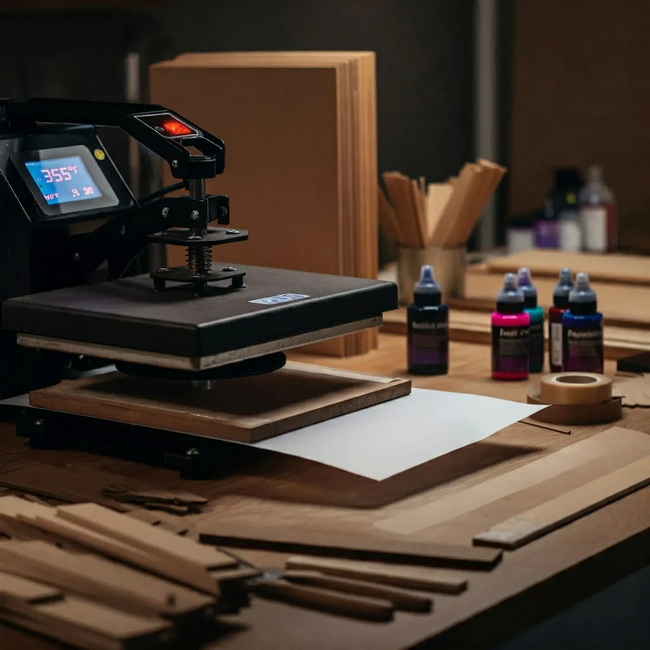
Lamination uses a clear thermal sheet or pouch to create a polyester-rich surface that can accept sublimation ink. After the laminate is pressed onto the wood, it forms a smooth, glossy or semi-glossy layer suitable for printing.
This approach is popular with makers who want to convert regular wood pieces into sublimation blanks while keeping costs relatively low. Laminated wood often works well for photo panels, signs, and wall art.
1. Prepare the wood surface
Sand the wood until smooth and remove dust with a clean cloth.
2. Apply the laminate sheet
Cut a piece of laminate slightly larger than the wood, place the adhesive side down, and cover with protective paper.
3. Press to bond the laminate
Press at the laminate manufacturer's recommended temperature and time so the adhesive fully activates and bonds to the wood.
4. Trim the edges
Allow the wood to cool, then trim off the extra laminate and smooth the edges if needed.
5. Sublimate the design
Place the printed transfer face down on the laminated surface and press again at sublimation settings for the correct time and temperature.
The resulting surface gives sharp, vivid colors and a durable finish when pressed under proper conditions.
Sublimation heat transfer vinyl (HTV) adds a matte or soft-satin layer to wood that can receive sublimation ink. This method is especially useful for projects where a high gloss is not desired.
Because many crafters already use HTV for fabric projects, this technique can fit easily into existing workflows. It works well on signs, plaques, and decorative boards where a slightly softer appearance is preferred.
1. Press the sublimation HTV onto the wood according to the vinyl manufacturer's instructions, ensuring firm adhesion.
2. Allow the HTV to cool if it is a warm-peel or cold-peel product, then remove the carrier sheet.
3. Position the sublimation transfer on top of the HTV layer, print side down, and secure it with heat-resistant tape.
4. Press at standard sublimation temperature and time settings recommended for that HTV.
5. Remove the transfer sheet and let the piece cool on a flat surface.
This process combines the flexibility of vinyl with the permanence of sublimation ink.
Brush-on finishes like polycrylic, along with dedicated sublimation coatings for wood, allow more control over texture and gloss level. These coatings can create either matte or glossy surfaces while preserving more of the wood's original character.
Results depend heavily on how evenly the coating is applied; thick spots, drips, or missed areas can lead to uneven color or visible streaks. For that reason, thin, uniform coats and adequate drying time are essential.
1. Sand the wood until it is smooth and free of rough fibers.
2. Apply one or more thin coats of the clear finish or sublimation coating, allowing each layer to dry fully.
3. Lightly sand between coats if needed to maintain a smooth surface, then remove all dust.
4. After the final coat has dried and cured as directed, press the sublimation transfer onto the coated surface at appropriate settings.
5. Inspect the finished print and, if desired, add a protective topcoat for extra durability.
Because this approach is more sensitive to technique, it is often used for custom or premium pieces rather than high-volume production.
Painting the wood before coating can greatly improve color accuracy and brightness, especially when the design contains light colors or white areas. Since sublimation ink does not include white, any “white” in the image will show as the background color.
A light or white painted base helps prevent dark or heavily grained wood from dulling the final print. Many makers prefer white paint under clear coatings when aiming for vivid, photo-quality results.
- Use a light, neutral paint color such as white or cream to keep designs bright.
- Apply thin, even coats and allow complete drying between layers.
- Lightly sand the final painted surface if needed, then clean away all dust before applying any clear sublimation coating.
This preparation step can make a noticeable difference in both color vibrancy and detail clarity.
The ideal time and temperature depend on the coating, blank, and equipment in use, but many users work within a similar range. Proper settings ensure that the ink fully transforms into gas and bonds with the coated surface.
Common practice includes using relatively high heat for a moderate duration with medium pressure on a stable, flat press. Testing on sample pieces is always recommended to fine-tune these values.
- Temperature: usually around 385–400°F (196–204°C) for coated wood surfaces.
- Time: often between 60 and 75 seconds, adjusted for thickness and coating type.
- Pressure: medium pressure to maintain even contact without crushing the wood or leaving impressions.
If prints appear faded, under-heated, or over-heated, slightly adjusting time or temperature usually resolves the issue.
A structured workflow helps new users avoid common mistakes and ensures consistent results from project to project. The steps below follow a logical order that can be adapted to any of the main preparation methods.
1. Choose an appropriate wood base, preferably a smooth, light-colored engineered wood or a high-quality natural wood piece.
2. Sand the surface, remove dust, and pre-press briefly to reduce moisture inside the wood.
3. Add a sublimation-ready layer using pre-coated blanks, laminate, sublimation HTV, or liquid coatings.
4. Print the design on sublimation paper using compatible sublimation ink and mirror the image if required.
5. Align the print on the prepared wood, tape it securely, and cover it with protective paper.
6. Press at appropriate time, temperature, and pressure based on the chosen method and materials.
7. Remove the transfer sheet, cool the wood on a flat surface, and inspect the final result for clarity and color.
Following the same process each time makes it easier to scale up from single projects to small-batch production.
Even with careful preparation, sublimation on wood can show problems such as fading, ghosting, or warping. Recognizing these issues quickly allows fast adjustments and better overall results.
Many of these problems relate to moisture content, inconsistent coating, or incorrect press settings. Minor changes in workflow can often correct them.
- Faded or pale colors: may indicate time or temperature is too low, or the surface coating is not fully compatible.
- Ghosting or double images: often caused by movement of the transfer paper, which can be reduced with extra tape and steady, immediate removal after pressing.
- Warping or bowing: commonly arises from moisture in the wood or excessive heat; pre-pressing and choosing more stable wood types reduces this.
Logging settings and outcomes for each project helps build a reliable reference for future jobs.
Reliable equipment is essential for repeatable results, especially when working with thicker or larger wooden pieces. A stable press ensures that temperature and pressure remain consistent across the entire surface.
Important features include accurate digital temperature control, even heat distribution over the platen, and adjustable pressure to accommodate various wood thicknesses. For businesses, choosing robust machines designed for extended use can significantly improve output quality and efficiency.
To turn wood sublimation from an experimental craft into a repeatable, scalable production process, focus on three elements: a suitable coated surface, consistent time and temperature control, and dependable heat transfer equipment. By combining the methods outlined in this guide with high-quality presses and related machines, it becomes possible to deliver vibrant, durable wooden products for customers in different markets and application scenarios.
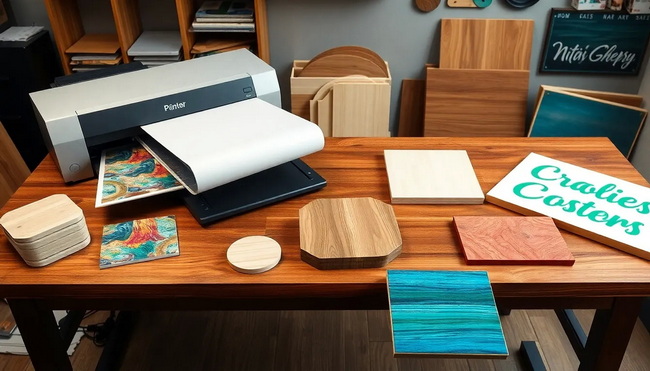
Sublimation can be attempted on uncoated wood, but results are usually dull and inconsistent because the ink cannot bond properly with the raw fibers. A dedicated coating, laminate, or vinyl layer produces significantly better color and durability.
Many makers use temperatures around 385–400°F (196–204°C) with a pressing time of roughly 60–75 seconds for coated wood surfaces. Exact settings depend on the type of coating, blank thickness, and equipment used.
Sanding is strongly recommended because a smooth surface helps coatings or laminates adhere evenly and prevents visible bumps under the final print. After sanding, dust should be removed completely so it does not get trapped under the coating.
Lamination often gives more consistent, glossy results with strong color, while liquid coatings provide more flexibility in texture and a more natural appearance. The best choice depends on whether speed, consistency, or a particular visual style is the main priority.
Blurred prints can result from over-pressing, excess moisture in the wood, or slight movement of the transfer sheet during pressing. Reducing moisture, securing the paper firmly, and fine-tuning time and temperature usually improves sharpness.


