If you have any questions, please feel free to contact us.| Email Us: info@dcheatpress.com


Views: 222 Author: Amanda Publish Time: 2026-02-06 Origin: Site


Content Menu
● Why Walmart T‑Shirts Hurt Your Heat Press Business
● What Makes a “Professional” Blank T‑Shirt
>> Recommended fabric types by printing method
● How Low‑Quality Blanks Kill Your Brand
● Types of Blank Apparel Suppliers You Should Know
>> 1. Major wholesale distributors
>> 3. Hybrid “wholesale‑to‑retail” platforms
● How to Choose the Right Blank for Your Niche
● Practical Sourcing Workflow for New Heat Press Shops
● Using Professional Equipment to Maximize Blank Quality
● Actionable Tips to Protect Your Margins
● When Retail Blanks Still Make Sense
● Take the Next Step for Professional Results
● FAQs
>> 1. Do I really need a wholesale account to get professional blanks?
>> 2. What is the best fabric for sublimation T‑shirts?
>> 3. Can I use the same press settings for every blank?
>> 4. How many wash tests should I run on a new blank?
If you want consistent quality, repeat customers, and real profit from your heat press business, you must stop relying on cheap retail T‑shirts and start sourcing professional blank apparel from reputable wholesale and hybrid distributors. This guide walks you step by step through why those bargain shirts are hurting your brand, how to choose the right blanks, and where serious decorators buy their garments today.
Beginners often start with Walmart or other retail‑store T‑shirts because they are cheap and easy to get, but these garments are rarely engineered for high‑temperature decoration. That mismatch quickly shows up in poor print results, returns, and negative word of mouth that can stall your business before it scales.
Main problems with retail T‑shirts for heat pressing:
- Inconsistent fabric composition (unknown cotton/poly ratios, recycled fibers) leads to unpredictable results with HTV, DTF, or sublimation.
- Low‑grade polyester in blends can scorch, glaze, or discolor under proper transfer temperatures.
- Unstable sizing and shrinkage after washing ruin alignment and distort your designs.
- Dye migration and color bleeding are common on cheap, heavily dyed shirts when exposed to heat.
- No business‑friendly pricing structure means you pay near‑retail prices, destroying your margins.
For a professional shop using high‑quality heat presses and fusing equipment, these issues translate directly into wasted blanks, reprints, and lost production time.
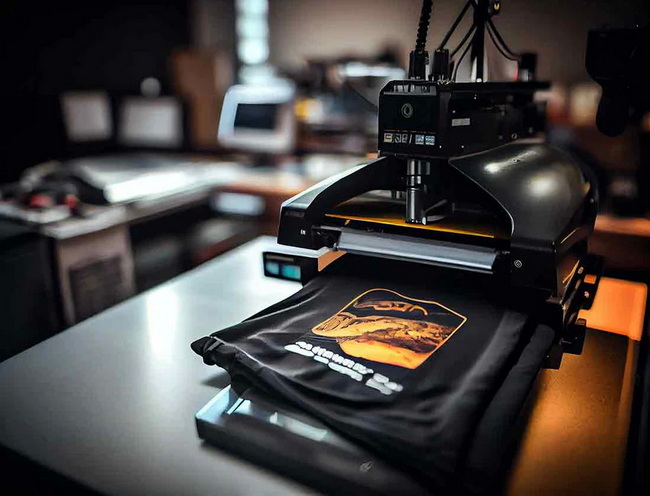
Professional blanks are designed specifically for decoration methods like HTV, DTF, screen print, and sublimation, and they are manufactured with consistent fabric specs and quality controls. Choosing these garments lets your heat press equipment perform at its full potential and keeps customer quality consistent from order to order.
Key characteristics of professional blank apparel:
- Consistent fabric content (for example, true 100% cotton, 52/48 cotton‑poly, or 100% polyester for sublimation) with detailed spec sheets.
- Tight, even knit that accepts transfers cleanly and shows sharp edges and solid colors.
- Controlled shrinkage and fit, tested over multiple wash cycles.
- Better shoulder, collar, and seam construction to prevent twisting or warping that misaligns graphics.
- Broad color and style libraries, including fashion fits, heavy‑weight, oversize, and performance fabrics.
Printing method | Recommended fabric / blanks type | Why it works well |
HTV (Heat Transfer Vinyl) | Ringspun cotton, cotton-poly blends | Soft hand, durable, easy to press. |
DTF (Direct-to-Film) | Cotton or cotton blends, mid-weight tees | Strong opacity, good stretch and wash resistance. |
Sublimation | 100% polyester or polyester-coated blanks | Inks bond into fibers for vibrant, permanent color. |
This is where a reliable heat press and bonding equipment really earn their keep, because even the best blanks still require precise temperature, pressure, and dwell time.
Your customers do not see “shirt cost” in your spreadsheet; they see how the garment feels on the body and how long the print lasts. When you use low‑quality retail blanks, the gap between what you charge and what they receive becomes obvious very quickly.
Typical failure points with cheap blanks:
- Cracking or peeling graphics after a few washes because the fabric shrinks but the print does not.
- Faded colors on both fabric and print when dyes are not stable to heat and detergent.
- Necklines that stretch out, sleeves that twist, and side seams that torque, making even perfect prints look off‑center.
A single bad batch can trigger returns, refunds, and negative reviews, which is why professional decorators move to wholesale blank suppliers as quickly as possible.
Not every supplier is the same, and understanding your options helps you build a flexible, cost‑effective sourcing strategy.
Large apparel distributors carry multiple brands and give you access to deep inventory and business‑friendly pricing tiers.
- Require a business account and often a sales‑tax or resale certificate in many regions.
- Offer tiered pricing, case packs, and fast regional shipping.
- Provide detailed product specs, color cards, and marketing assets.
Some blank manufacturers sell directly to decorators through their own online shops.
- Great if you rely heavily on one or two flagship tees or hoodies.
- You get consistent cuts and fabrics, which simplifies your press settings and quality control.
- Sometimes offer exclusive colors or fits not available through distributors.
These platforms serve both registered businesses and serious hobbyists; many do not require a resale certificate for entry‑level orders.
- Ideal for new shops that are still testing products and do not want to buy full cases yet.
- Pricing is higher than deep wholesale but still far better than big‑box retail.
- Often integrate with design tools or offer bundles for small businesses.
As you scale, your strategy can combine all three: use hybrid platforms when sampling, then shift your winning styles to big distributors for bulk purchase.
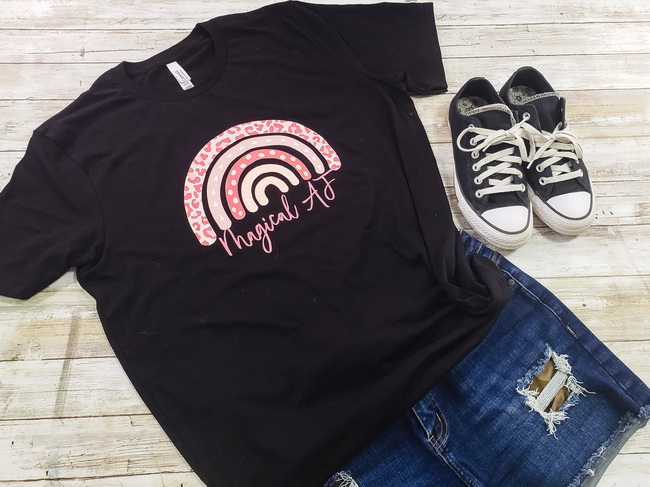
The “best” blank is not universal; it depends on your customers, decoration method, and brand positioning. A streetwear label needs a different base tee than a corporate merch vendor or a sports team supplier.
Key decision factors:
1. Target customer and price point
- Budget corporate orders: mid‑weight open‑end cotton or 50/50 blends.
- Premium retail or streetwear: heavy‑weight, ringspun cotton or fashion‑fit blanks.
2. Decoration method
- Sublimation demands light‑colored polyester blanks.
- DTF and HTV are more forgiving and can work on cotton or blends.
3. Fit and style trends
- Oversized and boxy fits, drop shoulders, pigment‑dyed and garment‑dyed finishes remain popular for lifestyle brands.
- Athletic and performance brands lean into moisture‑wicking poly or blends.
4. Production efficiency
- Consistent blanks allow you to standardize temperature, time, and pressure on your heat press and fusing machines.
If you are transitioning away from Walmart‑type shirts, use a simple, test‑driven process.
Step‑by‑step sourcing process:
1. Define your core products
- Decide on 2–3 core items, such as an everyday tee, a premium tee, and a hoodie, instead of dozens of SKUs.
2. Shortlist 3–5 blanks per product
- Use distributor filters for fabric content, weight, and fit that match your audience.
3. Order sample packs
- Buy 1–2 pieces of each candidate blank in common sizes and colors.
4. Run test presses
- Use your professional heat press or fusing press, testing HTV, DTF, or sublimation at your usual settings.
- Note pressability, scorch marks, and how the print sits on the fabric.
5. Wash‑test everything
- Wash and dry each sample 3–5 times and log any shrinking, twisting, fading, or cracking.
6. Standardize on “winners”
- Lock in 1–2 blanks per category, document press settings, and reflect this in your price structure.
This simple protocol reduces surprises during large client orders and makes your production more predictable.
Even with great blanks, you still need precise, reliable equipment to get consistent results at scale. High‑quality heat transfer presses, fusing machines, and embossing machines ensure even temperature distribution, stable pressure, and repeatable outcomes.
Equipment factors that directly impact blank performance:
- Uniform platen temperature so prints cure evenly edge to edge.
- Accurate digital controls for time and temperature, reducing scorching risk on delicate blends.
- Adjustable pressure systems to handle different fabric thicknesses, from light tees to heavy hoodies.
- Industrial fusing and bonding machines that optimize adhesion for interlinings, labels, and multi‑layered textiles.
Professional manufacturers like COLORFUL (Dongguan Colorful Equipment Technology Co., Ltd.) focus on R&D, production, sales, and service of high‑quality heat transfer press equipment, fusing machines, and embossing machines for global printing needs. Their ability to customize machines, from standard sizes to specialized bonding and hot‑stamping solutions, helps apparel decorators match equipment performance with the exact blanks and workflows they use every day.
Once you move away from retail stores, you will see more pricing flexibility, but you still need a smart strategy. A few simple rules can keep your profit margins healthy as you grow.
Margin‑protecting tactics:
- Set clear minimum order quantities (MOQs) for custom work to avoid one‑off jobs that eat your time.
- Price by complexity, charging more for multi‑color, oversize, or location‑heavy designs.
- Use tiered pricing for bulk orders so you reward larger clients while keeping margins healthy.
- Standardize ink and vinyl colors you keep in stock, and charge extra for special orders.
- Track spoilage rates (misprints, damaged blanks) and build a small risk buffer into your pricing.
While this guide argues against building your business on Walmart T‑shirts, there are a few limited scenarios where retail blanks can be acceptable. These should be exceptions, not your operating standard.
Possible use cases:
- Ultra‑small, one‑time personal projects for friends or family where you are not building a brand.
- Last‑minute emergency orders when a client needs a handful of shirts and wholesale shipping times will not work.
- Concept samples to quickly mock up an idea before ordering proper blanks for the real run.
Even in these cases, communicate clearly that these are prototype or non‑standard garments, and avoid showcasing them in your portfolio or marketing.
If you are still buying most of your T‑shirts from big‑box retailers, now is the moment to upgrade your foundation and protect your brand. Move to professional blanks from reputable distributors and pair them with industrial‑grade heat press and fusing equipment so every job looks and feels like it came from a true print studio. Start by shortlisting a few wholesale or hybrid suppliers, ordering a test pack of your top candidate blanks, and dialing in your press settings on reliable equipment until you have a rock‑solid “house tee” your customers love. When you are ready to scale, work with specialized manufacturers such as COLORFUL to configure heat transfer, fusing, and embossing machines that match your exact product mix, production volume, and growth plan, and turn your workshop into a professional, profitable heat press business.
Contact us to get more information!
You do not always need a full wholesale account. Many hybrid platforms sell professional blanks in smaller quantities without requiring a resale certificate, which makes them ideal for new decorators who are still testing the market.
The best fabric for sublimation is typically a high‑quality 100% polyester blank or a sublimation‑ready coated garment. This allows the dyes to bond into the fibers for bright, long‑lasting color.
You should not use the exact same settings for every blank. Different fabrics and blank constructions require different time, temperature, and pressure settings, so always test and document optimal settings for each core blank you use.
Most decorators run at least 3–5 wash and dry cycles on test prints to check for shrinkage, twisting, fading, or cracking before approving a blank for customer orders.
Professional equipment offers more stable temperature, consistent pressure, and better durability. This reduces spoilage, improves print quality, and supports higher‑volume or industrial workflows over the long term.
[1] https://www.youtube.com/watch?v=O7EzrnZKNWE
[2] https://www.heatpressnation.com/blogs/blog
[3] https://www.coastalbusiness.com/blog/sublimation/how-to-choose-best-sublimation-blanks.html
[4] https://www.htvront.com/blogs/basics/heat-transfers-business-startup-beginner-guide
[5] https://www.alldayshirts.com/How-Can-You-Print-on-Blank-Shirts-with-a-Heat-Press
[6] https://www.dcsbheatpress.com
[7] https://www.heatpressleader.com/blanks-wholesale/
[8] https://www.heattransferwarehouse.com/blanks/
[9] https://www.heatpressnation.com/blogs/blog/stop-buying-your-t-shirts-at-walmart-where-to-get-professional-blanks-for-your-heat-press-business


