If you have any questions, please feel free to contact us.| Email Us: info@dcheatpress.com


Views: 222 Author: Amanda Publish Time: 2026-02-14 Origin: Site


Content Menu
● What Is Siser EasyWeed Matte?
● What Is Siser EasyWeed Stretch?
● Core Comparison: EasyWeed Matte vs EasyWeed Stretch
● Application Settings and Press Workflow
● Can You Mix EasyWeed Matte and EasyWeed Stretch in One Design?
● Real‑World Use Cases for Each HTV
● When to Choose EasyWeed Matte
● When to Choose EasyWeed Stretch
● Step‑by‑Step: How to Press EasyWeed Matte vs Stretch
>> 2. Cutting and Weeding the Vinyl
>> 3. Press Settings for EasyWeed Matte
>> 4. Press Settings for EasyWeed Stretch
>> 5. Layering and Multi‑Color Designs
● Common Mistakes and How to Avoid Them
● Advanced Tip: Solving the “Show‑Through” Problem on Dark Performance Fabrics
● How to Decide Quickly: A Practical Selection Framework
● Take Action: Standardize Your Matte HTV Workflow Today
● FAQs About Siser EasyWeed Matte and EasyWeed Stretch
>> FAQ 1: Do EasyWeed Matte and EasyWeed Stretch really look the same after pressing?
>> FAQ 2: Can I always use EasyWeed Stretch instead of EasyWeed Matte?
>> FAQ 3: Which HTV is better for kids' sports uniforms?
>> FAQ 4: Can I layer EasyWeed Matte on top of EasyWeed Stretch?
>> FAQ 5: How do I prevent cracking or lifting over time?
When you want a soft, matte heat transfer vinyl (HTV) finish, Siser EasyWeed Matte and EasyWeed Stretch are two of the most popular options for apparel decorators and print businesses in 2026. Both deliver a low‑gloss look, but they behave differently in terms of stretch, application settings, and color availability, so choosing the right one depends on your fabric, design, and production workflow.

EasyWeed Matte is a variation of standard Siser EasyWeed that replaces the semi‑gloss surface with a true matte finish on a limited group of popular colors. It is designed to fit into the existing EasyWeed family, which means it shares the same general application behavior and durability as the regular product.
EasyWeed Matte is mainly offered in staple colors like Black, Red, Green, and Orange, making it ideal when you want a simple color palette with a non‑shiny finish on cotton, polyester, and cotton‑poly blends. Because it uses the same press settings as standard EasyWeed, shops that already rely on regular EasyWeed can integrate the matte version with almost no change to their production process.
EasyWeed Stretch is a thinner, lighter version of EasyWeed that adds high stretchability and a matte appearance for performance wear and flexible fabrics. It is engineered for Lycra, Spandex, and athletic garments, but still adheres reliably to cotton, polyester, and blends.
Among the EasyWeed family, Stretch is known as the thinnest film, which reduces weight on the garment and improves comfort for activewear and fitted T‑shirts. It uses a slightly different application profile, typically requiring higher temperature and firm pressure to fully bond, which decorators must account for in their press settings.
The major differences between EasyWeed Matte and EasyWeed Stretch come from flexibility, color range, and press requirements rather than the surface appearance. Visually, they look very similar once pressed, especially when used on comparable garments in the same colors.
Below is a concise comparison for fast decision‑making.
Feature | Siser EasyWeed Matte | Siser EasyWeed Stretch |
Finish | Matte finish replacing semi-gloss on selected EasyWeed colors | Matte finish very similar in appearance to EasyWeed Matte |
Thickness & Feel | Similar thickness to standard EasyWeed; solid but comfortable hand | Thinnest in the EasyWeed family; very soft, lightweight feel |
Stretchability | Moderate, comparable to regular EasyWeed | High stretch, designed for Spandex, Lycra, performance wear |
Best Substrates | Cotton, polyester, cotton-poly blends for everyday apparel | Cotton, polyester, blends plus Spandex, Lycra, neoprene, performance fabrics |
Color Gamut | Limited selection of popular colors (e.g., Black, Red, Green, Orange) | Broad color range; acts as an alternative to standard EasyWeed with more choices |
Application Settings | Similar to standard EasyWeed; moderate temperature and pressure | Requires higher temperature and firm pressure |
Layering | Layerable; works well as part of multi-color matte designs | Layerable; often used as base or detail layers on stretchy garments |
Main Use Case | Matte finish on standard T-shirts, hoodies, basic merch | Matte finish with stretch for athleisure, leggings, compression wear |
One of the most important practical differences between these two HTVs is how you press them. EasyWeed Matte can usually be pressed at the same temperature, time, and pressure that decorators already use for standard EasyWeed, which simplifies training and workflow standardization.
EasyWeed Stretch typically requires a slightly higher temperature and firm pressure for 10–20 seconds, along with a hot or cold peel depending on the supplier recommendation. Because Stretch is thinner and built for flexibility, that higher energy ensures full adhesion without lifting or edge failure on performance fabrics.
You can combine EasyWeed Matte and Stretch in the same design and still achieve a unified matte look. When both materials are pressed together using the higher Stretch settings, the finish remains visually consistent, and it is difficult to see where one product stops and the other starts.
The only real compromise is that the EasyWeed Matte portions of the design will not stretch as much as the EasyWeed Stretch segments, which becomes more noticeable on tight or highly elastic garments. On standard cotton shirts, however, this mixed approach is an effective way to fill color gaps and still deliver a full matte design.
In real production environments, EasyWeed Matte and Stretch tend to be used for slightly different project types, even though they overlap on many basic garments. Understanding typical use cases helps you build a more reliable HTV lineup and avoid product mismatches that lead to returns or complaints.
Shops that primarily print casual T‑shirts for events, schools, and promotional campaigns often rely on EasyWeed Matte for its familiar application curve and strong coverage on cotton and blends. Meanwhile, brands that specialize in sportswear or fitted apparel prefer Stretch because it moves with the fabric and avoids cracking under repeated flexing.
You should choose EasyWeed Matte when your main goal is a non‑reflective finish on mainstream garments and you want a minimal learning curve for your production team. This is especially true if you already use standard EasyWeed for other colors and want to expand into matte without changing your press recipes.
EasyWeed Matte is also a solid choice when you:
- Produce high volumes of cotton or cotton‑poly T‑shirts and hoodies.
- Need a matte finish only in core colors like black or red.
- Prefer to keep the same temperature and pressure as your existing EasyWeed workflow.
- Want a matte base layer that works well in multi‑color designs on non‑stretchy garments.
Because it behaves like standard EasyWeed, it is forgiving for newer operators and smaller shops that are still refining their press process.
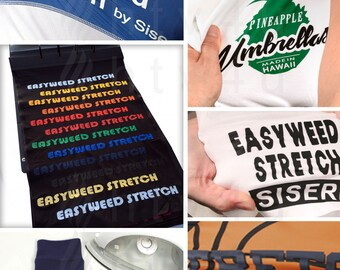
You should choose EasyWeed Stretch when the garment itself demands flexibility, or when you want the thinnest, lightest possible HTV with a matte look. This is particularly valuable for performance T‑shirts, leggings, yoga wear, and other items that are constantly stretched and compressed during use.
EasyWeed Stretch is especially appropriate if you:
- Work with Lycra, Spandex, athletic polyester, or compression fabrics.
- Need a wide color range in a consistent matte finish for branding.
- Want a softer, more premium feel that disappears into the garment.
- Are comfortable fine‑tuning your press to higher temperatures and firm pressure.
For sports teams, gyms, athleisure brands, and e‑commerce stores selling performance apparel, EasyWeed Stretch often delivers better long‑term customer satisfaction than standard HTV.
While exact settings can vary by press model and fabric, there is a typical workflow that helps decorators get consistent results with both materials. Always confirm the manufacturer's current application chart and run test presses before moving into full production.
Start by pre‑pressing your garment for a few seconds to remove moisture and smooth out wrinkles, which improves adhesion and reduces the risk of bubbles under the vinyl. Make sure the surface is clean and free of lint, especially on performance fabrics that attract dust.
Both EasyWeed Matte and Stretch use pressure‑sensitive carriers, which hold fine details in place during weeding and transferring. Use the recommended blade and perform a small test cut to confirm that the film and liner are separating cleanly at your chosen depth.
For EasyWeed Matte, set your press to the standard EasyWeed range, typically around moderate temperature with medium pressure and about 10–15 seconds of dwell time. After pressing, peel the carrier according to the supplier guidance, and check the edges to ensure full adhesion.
For EasyWeed Stretch, increase the temperature slightly and use firm pressure for 10–20 seconds to help the thin film properly bond to stretchy fibers. Many decorators prefer a hot peel for speed, though Stretch can often be peeled hot or cold depending on the fabric and the exact settings.
If you are layering EasyWeed Matte and Stretch together, adjust your workflow so that the earlier layers receive shorter presses, and the final layer receives the full time. This prevents over‑baking the initial layers while still allowing the last color to cure properly at the higher Stretch settings.
Many issues with matte HTV come from incorrect temperature, pressure, or fabric choice rather than the vinyl itself. Paying attention to a few common pitfalls will significantly improve your success rate with both EasyWeed Matte and Stretch.
Typical mistakes include:
- Using Stretch on highly textured or contaminated fabrics without proper pre‑press and cleaning.
- Applying Matte at too low a temperature, resulting in poor bonding and premature lifting.
- Stretching garments while they are still hot from the press, which can distort designs.
- Ignoring wash instructions, such as washing too hot or using aggressive detergents.
By calibrating your press, following the correct peel method, and educating customers on care, you preserve both the matte finish and the flexibility of the design.
Decorators sometimes worry that very thin HTVs, especially on dark or high‑contrast garments, may allow the fabric color to show through light designs. This risk can be higher when pressing light silver or white Stretch HTV onto navy or black performance jackets and leggings.
To minimize show‑through and maintain solid coverage:
- Choose heavier or more opaque colors when printing on very dark garments.
- Consider using EasyWeed Matte for small, non‑stretch areas if opacity is a priority and the fabric does not need high flexibility.
- Run test presses on actual garment samples to see how each material behaves before committing to bulk orders.
This test‑driven approach lets you find the best balance between opacity, stretch, and feel for each specific project.
For busy print shops and in‑house decoration teams, it helps to use a simple rule‑of‑thumb framework rather than comparing every spec individually. You can streamline your material selection by asking just a few targeted questions for each new order.
Use this quick decision workflow:
- If the garment is mostly cotton or a basic blend and the customer wants a matte look → choose EasyWeed Matte.
- If the garment is performance wear, leggings, or anything tight and stretchy → choose EasyWeed Stretch.
- If you need specific colors not available in Matte, but still want a matte design → use EasyWeed Stretch as your primary film.
- If you must combine both to achieve certain colors → press at Stretch settings and accept lower stretch in the Matte sections.
This simple flow keeps your shop consistent while still offering customers a professional matte finish tailored to their garments.
Choosing between EasyWeed Matte and EasyWeed Stretch is less about which product is better and more about which one fits your garments, designs, and production style. Once you define a standard workflow for everyday cotton jobs and a separate recipe for performance wear, you can deliver consistent, professional matte finishes with fewer misprints and returns.
If you are ready to upgrade your results, now is the time to review your main garment types, set clear press recipes for each HTV, and match them with a reliable heat press that holds stable time, temperature, and pressure. By combining the right Siser EasyWeed film with professional heat transfer equipment, you can build a repeatable, scalable matte HTV workflow that supports confident growth for your custom apparel business.
Contact us to get more information!
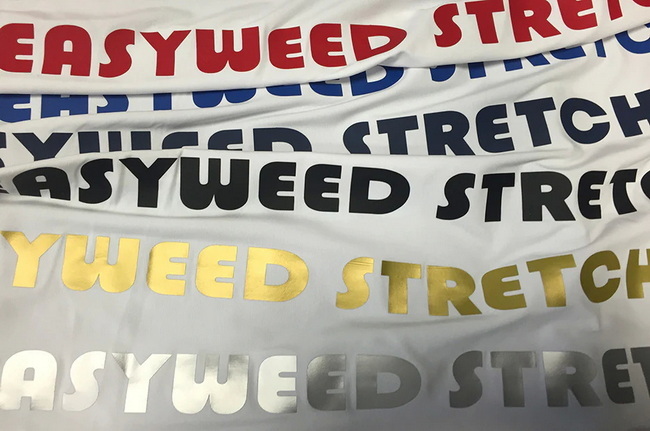
Yes, when pressed correctly in similar colors, EasyWeed Matte and Stretch have a very similar matte appearance that is difficult to distinguish even on close inspection. The main differences are in flexibility and thickness rather than surface gloss.
You can often substitute EasyWeed Stretch for Matte because Stretch adheres to all the standard EasyWeed fabrics and matches the matte look, but it requires higher temperature and firm pressure. For non‑stretch garments where you prioritize workflow simplicity over stretchability, Matte or standard EasyWeed may still be more convenient.
EasyWeed Stretch is usually the better option for kids' sports uniforms, since it is thinner, more flexible, and designed specifically for performance fabrics that are frequently stretched and washed. It delivers a soft hand and long‑lasting prints when pressed at the recommended higher temperature and firm pressure.
Yes, both materials are layerable, and you can mix them in multi‑color designs by pressing all layers according to the Stretch settings and shortening the time for the first layers. Just remember that areas made from Matte will not stretch as much as the Stretch‑only sections, especially on tight garments.
To prevent cracking or lifting, use the correct temperature, pressure, and time for the specific film, avoid over‑stretching hot garments right after pressing, and follow the recommended wash instructions. Regularly check your heat press calibration, especially if you run large batches or use thicker garments that can affect heat penetration.
1. https://www.heatpressnation.com/blogs/blog/the-heat-press-lab-siser-easyweed-matte-vs-easyweed-stretch
2. https://www.siserna.com/easyweed-stretch/
3. https://www.screenprintsupplies.com/products/htv/easyweed-20/matte-20/
4. https://heattransfervinyl4u.com/pages/what-htv-is-right-for-you
5. https://www.heattransferwarehouse.com/blog/siser-easyweed-stretch-when-to-use-it/
6. https://vinylandtullesupply.com/products/matte-black-siser-easyweed-htv-12-heat-transfer-vinyl-siser-easyweed
7. https://www.youtube.com/watch?v=09Qd69yie8o
8. https://www.youtube.com/watch?v=ShduNN6Js2s</p>


