If you have any questions, please feel free to contact us.| Email Us: info@dcheatpress.com


Views: 222 Author: Amanda Publish Time: 2026-02-05 Origin: Site


Content Menu
● What Is Siser EasyColor DTV?
● What Is Heat Transfer Paper?
● Siser EasyColor DTV vs Heat Transfer Paper: Key Differences
>> Print Quality and Color Vibrancy
>> Hand Feel, Stretch, and Comfort
>> Application Time, Temperature, and Workflow
>> Detail, Weeding, and Complex Designs
>> Fabric Compatibility and Use Cases
>> Durability and Wash Performance
● At-a-Glance Comparison: EasyColor DTV vs Heat Transfer Paper
● How to Choose: When to Use EasyColor DTV vs Heat Transfer Paper
● Step-by-Step: Basic Workflow with Siser EasyColor DTV
>> 4. Mask the Design (If Needed)
● Expert Tips to Maximize Results with EasyColor DTV
● How High-Quality Heat Press Equipment Elevates Your Results
● Take the Next Step: Upgrade Your Printing Workflow
● FAQs About Siser EasyColor DTV and Heat Transfer Paper
>> 1. Is Siser EasyColor DTV the same as heat transfer paper?
>> 2. Do I need a special printer for EasyColor DTV?
>> 3. Can EasyColor DTV be used on dark garments?
>> 4. Which lasts longer: DTV or heat transfer paper?
>> 5. Is EasyColor DTV suitable for large production runs?
If you run a custom T-shirt or garment business, choosing between Siser EasyColor DTV and traditional heat transfer paper will directly affect print quality, production speed, comfort, and long-term durability of your products. This in-depth guide compares both options so you can confidently choose the best solution for your day-to-day orders and long-term business growth.
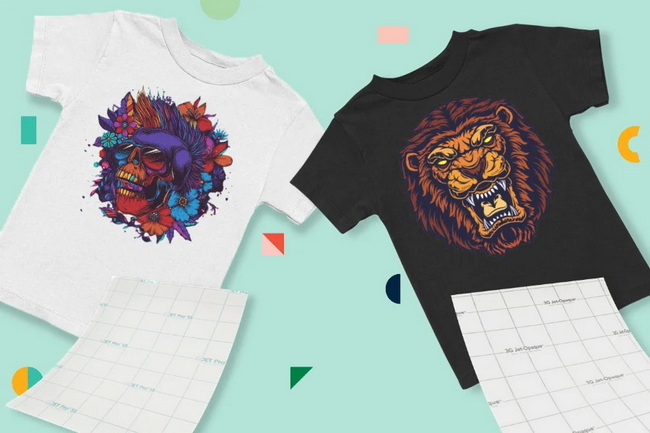
Siser EasyColor DTV (Direct to Vinyl) is an inkjet-printable heat transfer vinyl designed to work with standard desktop inkjet printers and vinyl cutters. It allows you to print full-color graphics, patterns, and even photos onto a vinyl film and then heat press them onto garments.
Key characteristics include:
- Compatible with regular inkjet printers, no special ink system required.
- Thin, soft, and stretchy after pressing, similar to premium heat transfer vinyl.
- Matte finish and bright white face for vivid color printing.
- Suitable for light and dark fabrics, including cotton, polyester, blends, and elastane.
For many small and medium-size shops, EasyColor DTV offers a professional look that is much closer to traditional HTV than to classic transfer paper. This makes it a strong upgrade for creators who want to step up from hobby-level prints to retail-ready garments.
Heat transfer paper is a coated paper that you print on with an inkjet or laser printer and then press directly onto the garment using a heat press or, in some cases, a home iron. It has been widely used for custom T-shirts, promotional items, and low-volume printing for many years.
Common features include:
- Available as light transfer paper for white or light garments, and dark transfer paper for colored or black garments.
- Typically uses standard inkjet or laser printers, depending on the paper type.
- A polymer or film layer from the paper bonds to the fabric during pressing, carrying your printed image.
While heat transfer paper is affordable and accessible, it often feels thicker on the shirt and may crack or fade faster than vinyl-based solutions when washed frequently. For long-term wear and higher-value orders, many decorators eventually look for something more premium.
Siser EasyColor DTV uses a bright white vinyl face with a matte finish, which helps achieve bold, saturated colors even on mid-tone and dark designs. It is designed to deliver professional-quality full-color images and photos with clean edges after contour cutting.
Traditional heat transfer paper can deliver good results, but there are trade-offs. Light transfer paper may look dull or washed-out on colored garments because the garment color shows through the ink. Dark transfer paper offers better opacity, but it often comes with a thicker, more plastic-like surface on the fabric.
On both white and dark T-shirts, EasyColor DTV tends to produce more balanced, vivid graphics compared with standard transfer paper.
Siser EasyColor DTV is engineered to be thin, soft, and flexible, with a hand feel that closely resembles high-quality HTV. It stretches with the garment and recovers well, making it comfortable for apparel that customers will wear regularly.
By contrast, dark transfer papers especially tend to feel thicker and stiffer. This heavier feel is often acceptable for occasional wear or promotional giveaways, but it is not ideal for everyday fashion tees or performance wear. If customer comfort and repeat wear are priorities, EasyColor DTV offers a noticeably more premium wearing experience.
One of the biggest advantages of Siser EasyColor DTV is its efficient application settings. It typically applies at around 310°F (about 154°C) for only 15 seconds with medium-firm pressure. Lower time and temperature requirements help reduce overall production time and energy consumption, especially in batch jobs.
Heat transfer papers, both light and dark, often require higher temperatures and longer pressing times, along with firm pressure, to fully bond to the fabric. Over the course of many presses, this can slow down production and increase the risk of scorching sensitive fabrics.
For shops aiming to increase throughput and maintain consistent results, EasyColor DTV's faster, lower-temperature application is a strong advantage.
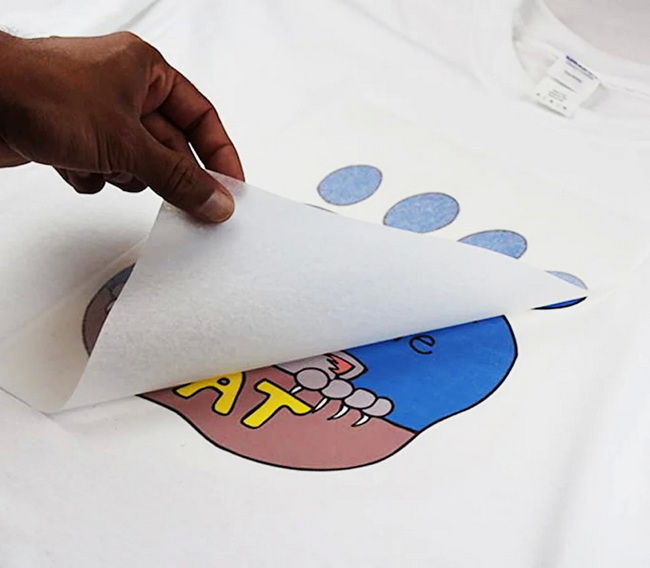
Siser EasyColor DTV works within a print-and-cut workflow, which allows you to produce complex, multi-color designs with fine details and precise outlines. After printing, you contour cut the design with a compatible cutter, weed away excess vinyl, and transfer the design with a mask if needed.
Heat transfer paper is not designed to be weeded in the same way. Most users trim around the design with scissors or a cutter, often keeping rectangular or loosely shaped blocks. This makes it difficult to achieve intricate, floating shapes and clean, professional borders around detailed artwork.
If your customers expect detailed logos, script fonts, or complex illustration-style prints, EasyColor DTV gives you far more flexibility in design and finish.
Siser EasyColor DTV is suitable for cotton, polyester, poly/cotton blends, and elastane, and works well on both light and dark colors. It is ideal for fashion T-shirts, kidswear, sportswear, and small-batch branded apparel, where feel and durability matter.
Heat transfer paper is widely used on cotton or cotton-rich garments, with specific products for light or dark fabrics. It is commonly chosen for short-term promotional shirts, event merchandise, school or club projects, and other budget-conscious applications.
For long-term brand products and online stores that rely on positive reviews and repeat purchases, EasyColor DTV often aligns better with customer expectations for softness, appearance, and wash performance.
Durability always depends on pressing technique, printer inks, garment quality, and wash care, but the underlying materials matter a lot. Because EasyColor DTV is a vinyl-based film, it generally has better stretch recovery and resistance to cracking compared to many standard heat transfer papers.
Properly applied DTV transfers, washed inside-out at moderate temperatures and dried gently, can maintain their color and elasticity over many wash cycles. Transfer papers, especially lower-cost options, tend to show fading, cracking, or edge lifting earlier when laundered frequently.
For paid orders and garments that customers will wash and wear repeatedly, higher durability can quickly justify the slightly higher material cost of DTV.
Feature | Siser EasyColor DTV | Heat Transfer Paper |
Core technology | Inkjet-printable vinyl film | Coated paper film transfer |
Printer type | Desktop inkjet printers | Inkjet or laser (paper-specific) |
Fabric colors | Works on light and dark fabrics | Light and dark versions required |
Hand feel | Thin, soft, stretchy, HTV-like | Thicker, more papery or plastic feel |
Application settings | About 310°F, 15 seconds, medium-firm pressure | Typically higher temperature and longer time |
Detail and contour cutting | Excellent with print-and-cut workflow | Limited; often rectangular or roughly trimmed |
Ideal use | Premium apparel worn frequently | Budget promotions and short-term shirts |
You can think of Siser EasyColor DTV as your premium solution and heat transfer paper as your budget tool. Each has its place, but they serve different priorities.
Use Siser EasyColor DTV when:
- You want high-end, retail-style graphics with fine detail and clean outlines.
- Customers expect a soft, flexible print for regular and comfortable wear.
- You need faster production with lower temperature and shorter pressing time.
- Your products represent your brand and must stand up to frequent washing.
Use heat transfer paper when:
- You are producing short-term promotional T-shirts or event giveaways with tight budgets.
- You are satisfied with simple rectangular or roughly trimmed prints.
- You are testing design concepts or one-off samples and want to keep material costs as low as possible.
For most growing custom apparel businesses, EasyColor DTV becomes the primary choice, while heat transfer paper remains a useful backup for specific low-cost projects.
A clear, repeatable process is essential if you want professional and consistent results. The following workflow is a practical starting point for most shops.
Create your design in vector or high-resolution raster format. If you plan to use contour cutting, set up a clear cut path in your design software so your cutter can recognize the outline accurately.
Load the EasyColor DTV sheet into your inkjet printer so that the bright white printable side receives the ink, not the backing. Use a plain paper or similar media setting, and choose a high-quality mode if you want richer colors and smoother gradients.
Once the print is dry, place the sheet into your vinyl cutter. Use a contour cut function or registration marks if your system supports them. After cutting, weed away the excess material, leaving only the design you want to transfer.
For intricate or multi-part designs, apply a transfer mask to pick up the weeded design. Use a squeegee or scraper to remove air bubbles and ensure solid adhesion between the mask and the printed vinyl.
Pre-press the garment for a few seconds to remove moisture and wrinkles. Position the masked design on the fabric, then press at around 310°F for about 15 seconds with medium-firm pressure. Follow the recommended peel instructions for the specific product you are using.
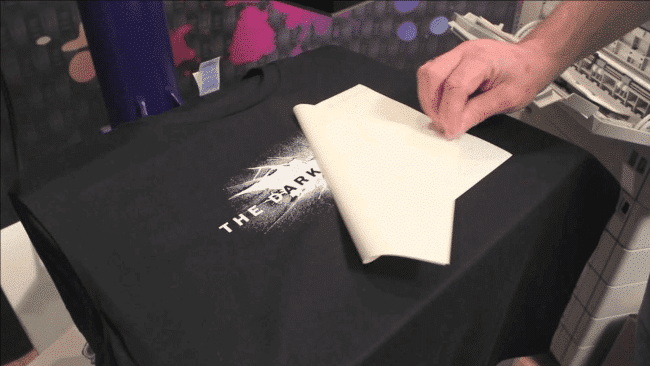
After pressing, allow the garment to cool if required, then peel the mask smoothly. Advise customers to wash garments inside-out, in cool or warm water, and to avoid harsh chemicals or high-heat drying for maximum print life.
To get the most out of EasyColor DTV in a commercial environment, pay attention to a few practical details that will help you avoid common mistakes.
- Test color settings with a small sample before full production to avoid oversaturation or color shifts.
- Allow printed sheets to dry fully before cutting to prevent smudging or ink transfer onto your cutter.
- Keep a log of press settings and outcomes for different garment types, so you can quickly repeat successful combinations.
- Store DTV sheets flat, away from humidity and direct sunlight, to maintain consistent feeding and print quality.
- Use a reliable, accurate heat press to maintain stable temperature and pressure across the platen.
These small optimizations can greatly improve consistency, reduce waste, and give your customers a more professional final product.
No matter how advanced your printable material is, inconsistent temperature, pressure, or dwell time can ruin an otherwise perfect print. High-quality heat press equipment ensures that both Siser EasyColor DTV and heat transfer paper perform to their full potential.
With a precise, industrial-grade heat press, you can maintain even heating across the platen, avoiding under-pressed corners or overcooked centers. Accurate pressure control is critical for proper vinyl adhesion and for full bonding of transfer paper films.
Reducing misprints, re-presses, and early failures not only protects your reputation, it also improves profit margins. For decorators who are scaling up or handling regular orders, investing in reliable professional presses, fusion machines, and embossing machines is a direct way to improve print consistency and customer satisfaction.
If you are ready to move beyond hobby-level transfers and want to deliver consistently high-quality results, now is the time to optimize both your materials and your equipment. By choosing Siser EasyColor DTV for premium prints and pairing it with a stable, precisely controlled heat press, you can achieve better color, softer hand feel, and more durable finishes on every garment.
Explore professional heat presses, fusion machines, and embossing equipment that match your production volume and application needs, and build a reliable setup that supports your global customers' diverse printing requirements. The right combination of materials and machinery will help you stand out, win repeat orders, and grow a sustainable custom apparel business.
Contact us to get more information!
No. Siser EasyColor DTV is a printable vinyl film, while heat transfer paper is a coated paper that transfers a film layer to the garment. DTV behaves more like soft HTV on the fabric, whereas transfer paper leaves a paper-like or film layer bonded directly to the textile.
You can use a standard desktop inkjet printer with EasyColor DTV. There is no need for specialized DTG, DTF, or sublimation printers, which makes DTV an accessible upgrade for many small and medium-size shops.
Yes. EasyColor DTV is designed for both light and dark fabrics. Its opaque white base and strong color saturation allow you to create vibrant designs even on black or deep-colored shirts.
In most cases, the vinyl-based construction of DTV offers better stretch recovery and resistance to cracking than typical transfer papers, assuming correct pressing and proper wash care. However, longevity also depends on ink quality, garment fabric, and how the garment is laundered.
Yes. When combined with a reliable cutter and professional heat press, EasyColor DTV can support batch production with consistent results. Its low temperature and short pressing time help improve throughput and reduce production bottlenecks.
1. https://www.siser.com/digital-printing/easycolor/
2. https://www.siserna.com/easycolor/
3. https://www.heatpressnation.com/blogs/blog/siser-easycolor-dtv-or-heat-transfer-paper-which-one-is-best
4. https://heattransfervinyl4u.com/blogs/news/what-is-siser-easycolor-dtv
5. https://www.coastalbusiness.com/beginners-guide-inkjet-heat-transfer-paper
6. https://www.coastalbusiness.com
7. https://www.xtool.com/blogs/how-to/use-transfer-paper
8. https://nationalsignsystems.com.au/craft-products/siser-easycolor-dtv-craft-packs-p521/
9. https://cohesivenz.co.nz/siser-easycolor-dtv-dhtsecdtv
10. https://www.thecountrychiccottage.net/siser-easycolor-dtv/


