If you have any questions, please feel free to contact us.| Email Us: info@dcheatpress.com


Views: 222 Author: Amanda Publish Time: 2025-12-22 Origin: Site


Content Menu
● What Is Heat Press (Sublimation & Transfers)?
>> How Heat Press Sublimation Works
>> Key Advantages of Heat Press Sublimation
>> Limitations of Sublimation & Transfers
>> Major Advantages of Screen Printing
>> Key Drawbacks of Screen Printing
● Screen Printing vs Heat Press: Direct Comparison
>> Performance and Cost Overview
● When Heat Press Is the Better Choice
>> Ideal Use Cases for Heat Press
>> Products That Suit Heat Press
● When Screen Printing Is the Better Choice
>> Ideal Use Cases for Screen Printing
>> Products That Suit Screen Printing
● Business Decision Framework: Choosing the Right Method
>> Step 1: Clarify Order Patterns and Artwork
>> Step 2: Evaluate Total Cost, Not Only Startup Cost
>> Step 3: Test and Measure Before Scaling
● Practical Workflow and UX Tips for Heat Press Shops
>> Improving Customer Experience
● FAQs: Screen Printing vs Heat Press
>> 1. Is screen printing or heat press more durable?
>> 2. Which method is more cost-effective for small orders?
>> 3. Which method is better for full-color photo designs?
>> 4. Can one shop successfully use both screen printing and heat press?
>> 5. How should a new customization business choose its first printing method?
Choosing between screen printing and heat press can shape your production workflow, profit margin, and brand positioning as a customization business. Both methods have clear strengths, and the smartest strategy is to match each technique to the right products, order sizes, and customer expectations.
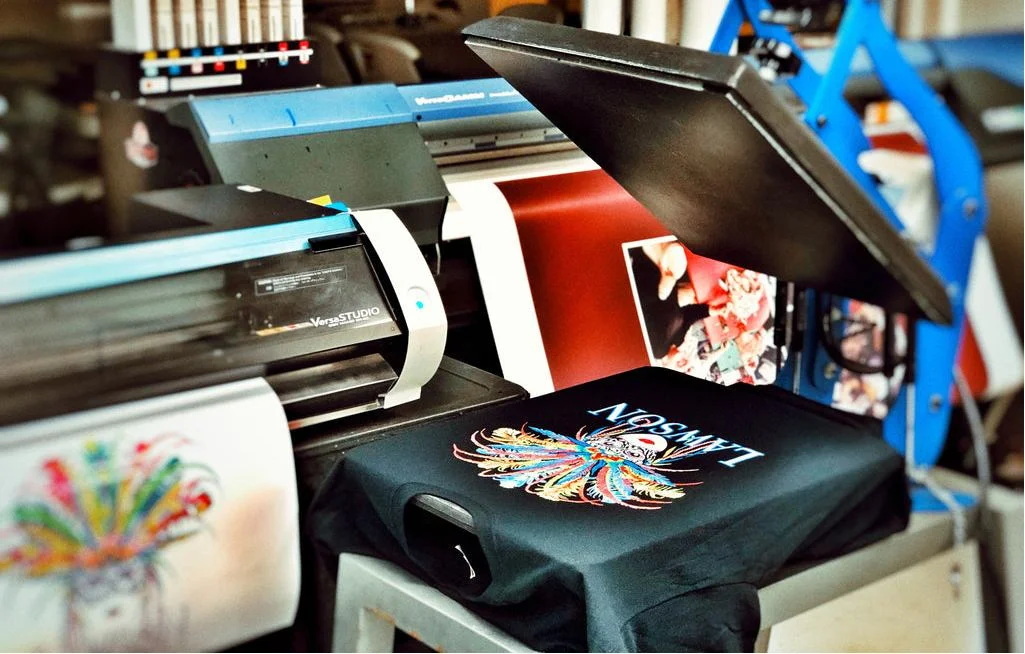
Heat press printing uses controlled heat and pressure to bond a printed transfer or vinyl film onto a substrate such as fabric, metal, ceramic, or coated blanks. The result can range from smooth, soft-hand prints to bold, glossy graphics depending on the transfer type and material.
In sublimation, special ink is printed onto transfer paper and then turned into gas under high heat so it penetrates polyester fibers or polymer-coated surfaces. Once cooled, the ink becomes part of the substrate, so the print will not crack or peel because there is no thick ink layer on top.
A typical sublimation workflow is:
1. Prepare high-resolution artwork in CMYK.
2. Print the design on sublimation paper with sublimation inks.
3. Set temperature, time, and pressure on the heat press according to the material.
4. Pre-press the blank to remove moisture and wrinkles.
5. Align and secure the transfer to the product.
6. Press, allow it to cool, then remove the paper to reveal the final print.
Well-designed presses with stable heat and pressure make it easier to repeat this process consistently across every job.
- Vibrant, full-color prints with smooth gradients and fine detail.
- Soft, almost texture-free finish on suitable polyester fabrics.
- Unlimited color options without extra setup cost for additional colors.
- Wide product range, from apparel to coated mugs, photo panels, signs, and small promotional items.
- Fast setup and short learning curve for new operators and small teams.
- Efficient for on-demand production, where designs change frequently and order sizes are small.
- Sublimation needs polyester or polymer-coated surfaces, limiting use on natural fabrics like 100% cotton.
- Prints do not cover dark garments well because the dyes are translucent.
- Per-piece pressing can be slower for very large, uniform orders compared to fully set-up screen printing.
- Some transfer films may add a noticeable layer on top of the fabric if low-quality materials are used.
Beyond sublimation, a single heat press can run numerous transfer types, including DTF, flock, metallic, glitter, and flex films, which expands your product catalog without changing the main machine.
Screen printing is a stencil-based process that pushes ink through a mesh screen onto fabric or other surfaces. Each color in the design usually requires its own screen, which must be coated, exposed, washed out, registered, and then printed and cured.
First, a mesh screen is coated with light-sensitive emulsion and dried. The artwork is placed on the screen, and the setup is exposed to light so the emulsion hardens everywhere except where the design blocks the light. The unexposed parts wash out, leaving open mesh that ink can pass through.
During printing, ink is pulled across the screen with a squeegee to force the ink through the open areas onto the product. After printing, the item is cured with heat so that the ink bonds to the substrate and achieves wash durability.
- Excellent durability on many fabrics when the ink is properly cured.
- Bold, opaque colors that cover dark garments very well.
- Very low cost per piece on medium and large runs once setup is complete.
- Versatility across substrates, including textiles, plastics, metal, wood, and some glass items.
- Access to specialty inks and effects, such as puff, metallic, neon, glow-in-the-dark, and textured finishes.
- Higher setup complexity, requiring coating, exposure, washing, and drying of screens.
- Less efficient for very small orders, because setup time and materials must be spread over fewer pieces.
- Limited flexibility for frequent design changes, especially when each job needs new screens.
- Requires more space, ventilation, and experience than many compact heat press setups.
Factor | Heat Press (Sublimation & Transfers) | Screen Printing |
Typical substrates | Polyester apparel, performance wear, and polymer-coated hard goods; many fabrics via transfers | Cotton, blends, synthetics, and various hard surfaces with the right ink system |
Design complexity | Excellent for full-color photos, gradients, and intricate artwork | Best for simple, bold logos and limited color combinations |
Color & detail | High-resolution, photographic detail and smooth gradients | Strong spot colors with crisp lines, fewer colors per design for cost control |
Print feel | Sublimation has almost no extra texture; some transfers add a thin film layer | Ink typically forms a soft layer on top of the fabric |
Durability | Very durable on polyester; transfer durability depends on film quality and process | Long-lasting prints that withstand many wash cycles when cured correctly |
Best order size | On-demand orders, personalization, and small to medium batches | Medium to large runs with recurring designs |
Setup complexity | Low; digital design and press presets | High; multiple steps with screens, chemistry, and registration |
Turnaround speed | Fast for one-offs and mixed orders; ideal for rush jobs | Very efficient once screens are ready and the job is running |
Investment level | Relatively low entry cost and modest space requirement | Higher initial investment and larger production area |
Many modern print shops blend both methods, using screen printing for staple bulk items and heat press lines for personalization, sampling, and higher-margin niche products.
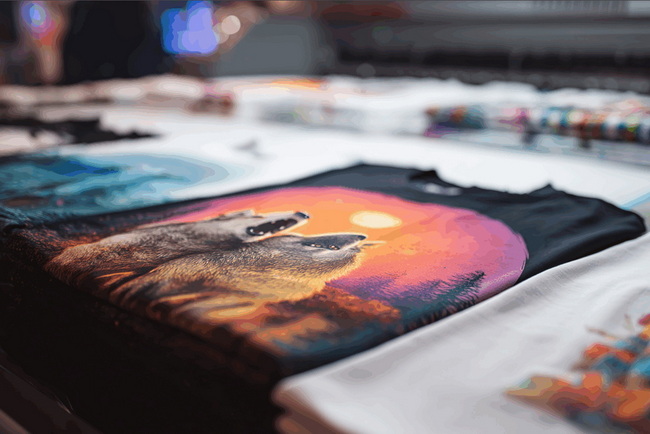
Heat press technology often delivers the best overall value when your business model emphasizes flexibility, small runs, and personalization.
- You process many small or mixed orders, such as e-commerce sales and one-off designs.
- You frequently print names, numbers, and variable data for teams, clubs, and events.
- Your catalog includes photo-based designs and complex artwork.
- You operate with limited floor space and a small team, and you need equipment that is quick to train on and easy to maintain.
- You want to launch or test new product lines without committing to full screen setups.
- Custom sports jerseys, training shirts, and fan merchandise with personalized details.
- Print-on-demand apparel for online stores, where each order may be a single piece.
- Photo gifts such as mugs, coasters, phone cases, pillows, and metal panels.
- Corporate gifts and event merchandise that require vibrant, full-color logos and graphics.
Screen printing usually becomes more attractive as your average order size and repeat volume increase.
- You regularly receive large orders with consistent artwork, such as 100–1,000+ pieces.
- Your main designs use limited spot colors and do not change very often.
- You produce uniform programs for schools, companies, and sports organizations.
- You want to drive per-piece costs as low as possible on recurring jobs.
- Large runs of basic branded T-shirts for events, tours, and campaigns.
- Bulk tote bags, hoodies, and sweatshirts with simple logos or slogans.
- Durable workwear and promotional items where solid, long-lasting prints are essential.
A structured approach helps you determine which process should be the primary engine of your customization business.
Start by tracking average order size, repeat frequency, and design complexity over a few weeks or months. If most jobs are short runs with frequently changing designs, a heat-press-centered workflow gives you better flexibility and faster payback. If most orders are bulk runs with stable artwork, screen printing may provide a higher return on investment for those lines.
It is easy to underestimate labor, spoilage, and rework when comparing methods. For heat press systems, you control costs by standardizing presets, reducing misalignment, and choosing reliable presses that keep temperature and pressure stable. For screen printing, you maximize profit when you optimize screen reuse, ink management, and curing to keep reprints and waste as low as possible.
Before adding more equipment or expanding a production line, print your best-selling designs with both methods and monitor the results over time. Collect customer feedback on print feel, color, and durability, then compare the total cost per order across methods. This data will guide decisions about adding specialized heat presses, upgrading curing equipment, or rebalancing the mix between screen printing and heat press.
Once you commit to a heat-press-driven setup, small workflow improvements can significantly enhance consistency and client satisfaction.
- Create standard presets for key garment types and transfer materials to simplify training.
- Run small test presses at the start of every new job to confirm color, adhesion, and finish.
- Pre-press garments to remove moisture, flatten seams, and improve overall quality.
- Check and maintain platens, pads, and alignment fixtures regularly to keep pressure even.
- Show realistic mockups and sample photos so customers understand the look and feel of each print method.
- Clearly label products by printing method (for example, “sublimation print” or “screen printed”) to set accurate expectations.
- Provide clear care instructions on hang tags, packaging, or order confirmation emails, explaining how to wash and dry items for maximum life.
Screen printing and heat press are not competing enemies; they are complementary tools that let your customization business serve different customer needs at different scales. Heat press systems stand out for flexible, full-color, on-demand production and personalization, while screen printing remains a powerful engine for high-volume, limited-color work.
If you want to expand your product range, shorten turnaround times, and confidently accept both small personalized orders and larger contracts, this is the right moment to review your current production mix and upgrade your heat press capabilities. Choose a professional-grade heat press solution that offers stable temperature, precise pressure control, and reliable after-sales support, and start turning more of your designs into consistent, profitable custom products today.
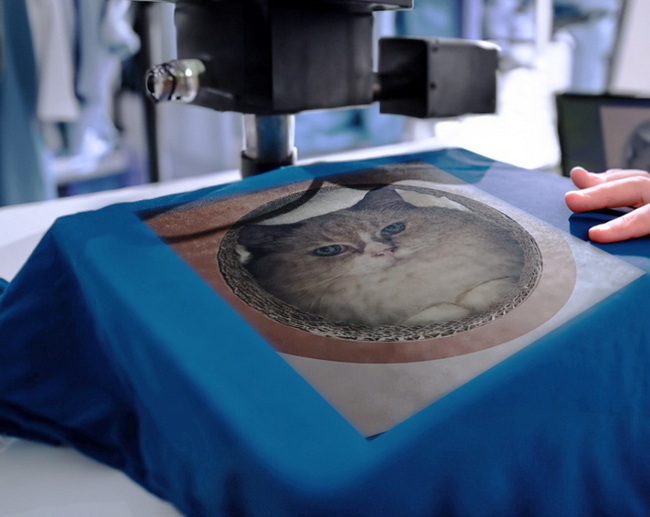
On cotton garments, well-cured screen prints are usually extremely durable and can outlast the fabric when properly cared for. On polyester garments and coated hard goods, sublimation heat press prints are also highly durable because the color becomes part of the material rather than sitting on top.
For small or one-off orders, heat press methods are typically more cost-effective because they do not require screen setup or extra pre-press steps. You can print individual designs as needed without spreading setup cost over a large quantity, which is ideal for online stores and personalized products.
Heat press using sublimation or DTF transfers is usually the better choice for full-color photo designs and complex graphics. You can reproduce gradients, shadows, and fine details without creating a separate screen for each color, and you maintain consistent results across short and medium runs.
Yes, many successful customization businesses run both processes in the same facility. They rely on screen printing for high-volume, limited-color work and use heat press systems for samples, rush jobs, personalization, and products that require full-color or photographic images. This combination offers flexibility and protects margins across different order types.
A new business should start by analyzing its expected order sizes, product catalog, and artwork type. If you expect small, diverse orders and frequent design changes, starting with a professional heat press setup is usually the most practical and scalable approach. If your strategy focuses on large, repeating orders with simple logos, screen printing may be added earlier, while still keeping at least one heat press unit for samples and personalization.


