If you have any questions, please feel free to contact us.| Email Us: info@dcheatpress.com


Views: 222 Author: Amanda Publish Time: 2026-01-30 Origin: Site


Content Menu
● How Weather Affects Printing Inks (Key Concepts)
● Winter Ink Storage Problems and Solutions
>> Why Water‑Based and Emulsion Inks Freeze
>> Best Practices for Winter Ink Storage
● Summer Heat, Direct Sunlight, and Ink Gelling
>> How Heat and Sunlight Damage Inks
>> Summer Storage and Handling Recommendations
● Humidity, Garment Moisture, and Curing Problems
>> Garment Moisture and Substrate Behavior
>> Humidity, Air‑Conditioning, and Under‑Curing
● Ordering, Stock Levels, and Logistics in Extreme Weather
>> How Much Ink to Order in Different Conditions
>> Practical Logistics Checklist
● Best‑Practice Operating Conditions for Ink Storage and Printing Rooms
>> Recommended Environmental Ranges
>> Monitoring and Maintenance Tips
● Weather‑Smart Workflows for Heat Press and Screen Printing Shops
>> Cold‑Weather Workflow Adjustments
>> Hot‑Weather Workflow Adjustments
● Integrating Professional Equipment for Weather‑Resilient Production
● Action Plan: Weather‑Proof Your Ink and Printing Workflow
● Build a Weather‑Ready Printing Setup
● Frequently Asked Questions About Printing Inks and the Weather
>> 1. How cold is too cold for storing printing inks?
>> 2. Why do my prints crack or wash out more in summer?
>> 3. How can I tell if an ink has been damaged by freezing?
>> 4. What humidity level is best for my pressroom?
>> 5. Do I really need to mix inks before every print run?
Weather changes can quietly destroy your ink performance, waste materials, and damage your reputation if you do not manage temperature, humidity, and storage correctly. This in‑depth guide explains how weather affects printing inks in winter and summer and how to protect your production with professional storage, handling, and equipment practices tailored to modern heat press and screen printing workflows.

Weather mainly affects inks through changes in temperature and relative humidity, which alter ink viscosity, drying speed, adhesion, and curing behavior on different substrates. If these conditions fall outside the recommended ranges, ink can freeze, gel, dry too fast or too slowly, and lead to weak colors, poor wash resistance, and higher reject rates.
- Low temperatures increase viscosity, making ink thicker and harder to print, especially for plastisol and water‑based systems.
- High temperatures can start the gelling process or premature curing, which thickens ink and causes clogging and rough prints.
- High humidity slows down drying and can trap moisture in garments, causing under‑curing and poor adhesion.
- Low humidity can cause ink to dry in the screen or at the nozzle, leading to streaking and clogged mesh.
Weather factor | Typical risk | Ink impact | Production symptoms |
Low temperature (winter) | Freezing, thickening | Higher viscosity, poor flow | Difficulty flooding screen, incomplete coverage, weak color |
High temperature (summer) | Gelling, premature curing | Too thick, short open time | Ink building on screen, rough prints, clogged details |
High humidity | Slow drying, moisture in garment | Poor curing, soft prints | Cracking, poor wash-fastness, peeling transfers |
Low humidity | Fast surface drying | Ink skinning, nozzle clogs | Streaks, pinholes, inconsistent color |
In winter, inks based on water and emulsions can freeze because of their high water content, and even non‑frozen inks can become too cold and viscous to print smoothly. If you ignore these changes, you may see blurry prints, poor coverage, and increased downtime while you try to restore ink flow.
Water‑based inks and emulsions contain a high percentage of water, which solidifies at low temperatures and disrupts the ink's internal structure. Freezing can separate components and permanently damage the ink, meaning that even after thawing, it may never return to its original, printable state.
- Inks stored on cold floors or near exterior walls are more likely to freeze or partially solidify.
- Repeated freeze–thaw cycles accelerate gelling, separation, and loss of consistent color strength.
- Once heavily damaged, the ink may show graininess, inconsistent opacity, or “stringy” flow during printing.
For most ink systems, a controlled environment between about 15–30°C is recommended to maintain smoothness and stable color. Keeping inks off the floor and inside insulated spaces significantly extends shelf life and reduces winter‑related failures.
- Store inks above ground level on shelves or pallets to reduce contact with cold floors.
- Use an insulated, heated room to keep storage temperatures within the recommended range and prevent condensation.
- Allow cold inks to acclimate slowly to room temperature before use, instead of heating them aggressively.
- Gently stir and test a small amount on a sample print after warming to check flow, color, and consistency.
In summer, the main risk is not freezing but excessive heat and direct sunlight, which can trigger gelling and premature curing that make inks thick, lumpy, and difficult to print. High ambient temperatures in the shop also shorten the open time of water‑based inks on screens and speed up the drying of high‑opacity systems.
When inks sit in hot trucks, near windows, or under direct sun, their temperature can rise high enough to start chemical changes that lead to a permanent increase in viscosity. Screen printing inks exposed to extreme heat can begin gelling long before they reach the press.
- Gelled ink appears thick, rubbery, and difficult to shear, even under strong stirring.
- Prematurely heated plastisol may partially cure, giving weak adhesion and poor fusion when printed and pressed.
- Water‑based inks can dry quickly in the screen, especially in hot, low‑humidity environments, leading to streaking and clogged mesh.
To keep inks stable in hot weather, you need to reduce heat exposure and limit temperature swings during storage and transport.
- Store all inks in a cool, shaded area away from windows and direct sunlight.
- Avoid leaving ink boxes in vehicles, loading bays, or on docks during peak heat hours.
- If possible, maintain pressroom conditions at under 75°F with relative humidity around 45–55 percent for stable adhesion and ink behavior.
- Before printing, thoroughly mix inks to break any “false body” or temporary thickening caused by heat and storage.
Where there is heat, there is usually humidity, and both strongly affect how inks dry and cure, especially on cotton garments used with heat presses and conveyor dryers. Excess moisture in fabric can absorb energy during curing, reduce final film formation, and leave prints soft, under‑cured, or easy to crack and peel.
Pure cotton textiles retain more moisture than cotton‑blend fabrics, so they require more heat or longer dwell times to dry fully before printing. During drying and curing, this moisture can be released, cooling the ink layer and preventing proper fusion or cross‑linking.
- 100 percent cotton tends to stay damp longer, especially in humid climates or unconditioned rooms.
- Nylon‑cotton blends usually retain less moisture and may reach curing temperature faster under the same dryer settings.
- If garments are not fully dry before printing, steam can cause bubbling, pinholes, and weak adhesion in the ink film during curing.
To reduce these risks, ensure substrates are pre‑dried at elevated temperatures, and perform multiple test prints to confirm that drying and curing parameters are correct before a long production run.
Many shops experience under‑curing problems in hot seasons when they run air conditioners or when conveyor dryers are poorly positioned relative to drafts. Cold air flowing directly onto a conveyor dryer can reduce effective curing temperatures or create uneven heating zones across the belt.
- Avoid placing dryers directly in the path of fans, vents, or open windows that blow cool air across the tunnel.
- Use temperature probes or test strips to confirm that ink films actually reach their required cure temperature in production conditions.
- When you change seasonal HVAC settings, re‑test curing to make sure the previously safe profile still produces fully cured, wash‑resistant prints.
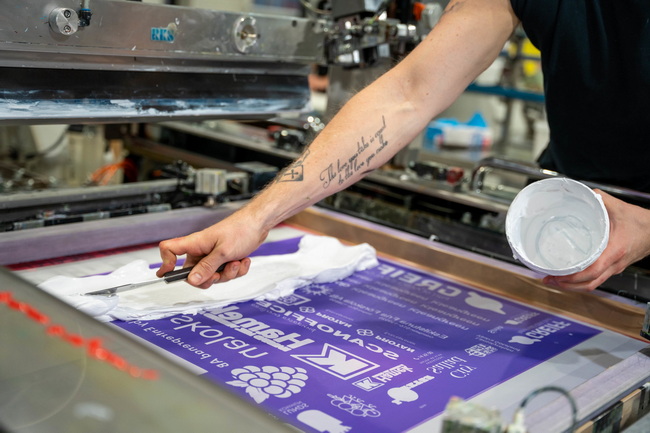
Balancing ink stock levels against storage quality is essential for both cost control and print quality across seasons. Over‑ordering in winter or summer without climate‑controlled storage can cause more losses than buying smaller, more frequent lots.
If you can maintain a stable, conditioned storage environment, ordering up to three months' supply can be cost‑effective and help you avoid stockouts. If your storage is not well controlled, shorter order cycles, such as one week of supply at a time, reduce the risk of temperature‑related spoilage.
- In climates with severe winters, plan deliveries to avoid weekends, so ink spends less time idle in cold trucks or warehouses.
- In hot regions, schedule deliveries for cooler times of day and move ink indoors as soon as possible.
- Track usage and spoilage rates seasonally so you can refine order quantities and avoid both over‑stock and emergency rush orders.
Use this quick checklist when planning ink orders in difficult weather:
1. Confirm whether your storage area is heated, air‑conditioned, and insulated.
2. Decide on stock level: up to three months for controlled rooms, one to two weeks for uncontrolled spaces.
3. Coordinate with shippers to keep transit time short and avoid extreme temperature exposure.
4. On arrival, inspect containers for signs of freezing, separation, or gelling before shelving.
5. Log batch numbers, arrival dates, and observed conditions to identify seasonal patterns.
Modern ink manufacturers often recommend specific temperature and humidity ranges for both storage and pressroom environments, which you should treat as a baseline. Keeping your room within these bands improves ink stability, color repeatability, and throughput.
While exact values depend on ink type, a typical safe range for many water‑based, UV, and conventional inks is:
- Storage temperature: around 16–28°C for UV inks, with 15–30°C commonly cited for general ink storage.
- Storage humidity: around 35–65 percent relative humidity, with some specialists recommending 55–65 percent for UV systems to avoid deterioration.
- Pressroom humidity: around 45–55 percent relative humidity and temperature below about 75°F to protect adhesion and label quality in summer.
Use accurate thermometers and hygrometers to monitor these parameters continuously and adjust HVAC or dehumidification as needed.
- Place sensors at ink storage shelves, press area, and dryer exit to detect local variations.
- Calibrate or check sensors periodically against reference instruments to avoid drift.
- Create a simple log sheet recording daily temperature and humidity, along with any print defects linked to environmental changes.
- Combine environmental monitoring with regular heat press temperature checks using tools such as digital pyrometers to verify that set temperatures match actual platen temperatures.
Shops using heat presses, screen printing presses, or hybrid workflows can integrate weather awareness into daily operations to stabilize quality and reduce rework. This is particularly important for businesses running multiple fabric types and ink systems across changing seasons.
In winter, keep both your inks and your work area warm enough that presses and garments reach consistent temperatures.
- Heat and insulate the area where you operate your heat press to reduce the time it takes to reach and maintain set temperature.
- Pre‑warm garments briefly on the press or in a dryer to remove moisture and cold before applying transfers.
- Verify heat press accuracy once or twice a year with a laser temperature gun or pyrometer, especially after major seasonal temperature shifts.
- Keep inks closed when not in use to reduce evaporative cooling and contamination in cold rooms.
In summer, focus on controlling heat and humidity around your screens, press, and drying equipment.
- Use fans or air conditioning to keep the general room comfortable but avoid blowing directly into conveyor dryers or onto open screens.
- Run shorter print runs or rotate screens to reduce time that water‑based ink sits exposed in hot, dry air.
- Keep a spray bottle, retarder, or open‑time extender on hand for high‑opacity water‑based inks that dry too quickly on screen.
- Cool down deliveries and substrates before printing if they arrive hot from trucks or outdoor storage.
Even with perfect ink storage, you still need reliable, consistent equipment to handle seasonal variations in temperature and humidity. High‑quality heat presses, welding machines, and embossing systems with stable temperature and pressure control make it easier to hit curing targets year‑round.
By pairing well‑stored inks with precision heat transfer equipment, such as modern digital heat presses that maintain uniform platen temperature, you can reduce the risk of under‑curing in winter and over‑heating in summer, even when ambient conditions change throughout the day. For growing shops, investing in robust machines designed for continuous production helps keep print quality high while your team focuses on artwork, color management, and customer service.
Use this short action plan to turn the ideas in this guide into practical steps for your shop.
1. Audit your environment
Measure and record your current storage and pressroom temperature and humidity at different times of day.
2. Improve storage conditions
Move inks off the floor, away from windows, and into insulated spaces where possible.
3. Optimize order quantities
Adjust stock levels by season: up to three months in climate‑controlled rooms, weekly orders in uncontrolled environments.
4. Standardize warm‑up and mixing routines
In winter, allow inks and garments to acclimate and always mix inks before printing in any season.
5. Validate curing and press settings seasonally
Test dryer and heat press temperatures and run wash tests whenever climate or HVAC conditions change significantly.
6. Invest in stable equipment
Upgrade to reliable, industrial‑grade heat presses and related machines that can maintain consistent temperature and pressure year‑round.
If you want consistent print quality in every season, combine correct ink handling with stable, high‑performance equipment that delivers repeatable temperature, pressure, and timing on every job. Review your current workflow today, identify where weather is creating rejects or rework, and upgrade your heat transfer, welding, and embossing equipment to robust, production‑ready machines so your shop can handle any climate with confidence and grow profitably all year round.
Contact us to get more information!
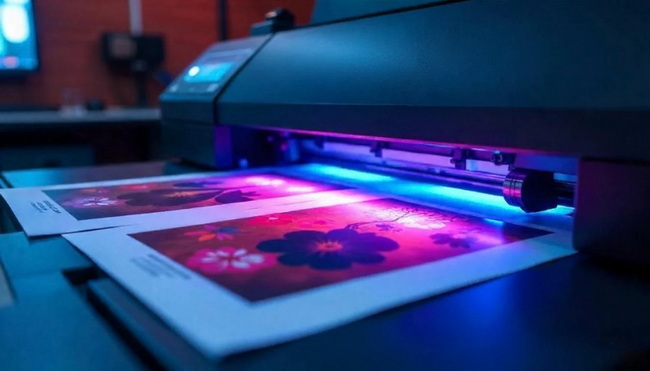
For most inks, storing them much below about 15°C significantly increases viscosity and the risk of freezing for water‑based systems. Keeping storage temperatures roughly within 15–30°C helps preserve smooth flow and predictable color.
In summer, high humidity and aggressive air‑conditioning can cool garments and ink films during curing, leading to under‑cured prints that crack or wash out prematurely. Excessive heat can also partially gel ink before it reaches full cure, weakening adhesion.
Frozen inks often show separation, grainy texture, or stringy flow even after careful mixing, and they may no longer level or cover evenly on the substrate. If test prints show blotchy color, poor opacity, or unstable viscosity, it is safer to replace the ink rather than risk a full production run.
A pressroom humidity around 45–55 percent relative humidity is a good target for many printing operations, balancing drying speed with reduced risk of static and premature ink drying. For storage, keeping humidity roughly in the 35–65 percent range helps prevent ink deterioration over time.
Yes. Mixing inks before printing helps break down false body, re‑disperse pigments, and ensure consistent color and viscosity after storage, especially in hot weather. This simple step reduces print defects and keeps your color more stable across jobs and seasons.
1. https://www.heatpressnation.com/blogs/blog/printing-inks-and-the-weather
2. https://mclogan.com/blogs/news/how-weather-effects-screen-printing-ink
3. https://hanrunpaper.com/Tutorialshow/Guidelines_for_Ink_Use_in_Cold_Weather.html
4. https://www2.zeller-gmelin.us/surviving-summer-in-the-pressroom-how-to-protect-ink-adhesion-and-label-quality/
5. https://thrivescreenprinting.com/does-the-weather-affect-screen-printing
6. https://graphics-pro.com/education/tips/5-tips-for-winter-heat-printing/
7. https://transferpapercanada.com/heat-press-best-practices/
8. https://sublicool.com/proper-roll-uv-printing-ink-storage-improve-printing-efficiency/


