If you have any questions, please feel free to contact us.| Email Us: info@dcheatpress.com


Views: 222 Author: Amanda Publish Time: 2026-01-30 Origin: Site


Content Menu
● Why Pressure Printing Is So Popular
>> Key Advantages of Pressure Printing
● Core Components: Backing Sheet, Press Sheet, and Type‑High Surface
>> The Press Sheet and Type‑High Surface
● Backing Sheet Techniques: Negative vs Positive Plates
>> Negative Stencil Backing Sheet
>> Positive Plate Backing Sheet
● Materials You Can Use for Backing Sheets
● Practical Safety and Care Tips for Pressure Printing
● Step‑by‑Step: How to Do Pressure Printing on a Heat Press
● Creative Applications in Apparel, Packaging, and Decor
● How Pressure Printing Compares to Other Printing Methods
● Best Practices for Consistent, High‑Quality Results
● How Modern Heat Press Equipment Enhances Pressure Printing Workflows
● When to Move from Experimental Pressure Printing to Production
● Turn Your Pressure Printing Ideas into Scalable Production
● Frequently Asked Questions (FAQ)
>> 1. Is pressure printing suitable for beginners
>> 2. Can I combine pressure printing with other printing methods
>> 3. What substrates work best for pressure printing
>> 4. How do I avoid damaging my wood type or linoleum blocks
>> 5. Can pressure printing be used in an industrial production environment
Pressure printing is a versatile image‑making technique that uses a backing sheet behind the print sheet and an inked, type‑high surface to create rich textures, organic patterns, and custom graphics. It is an ideal process for artists, print shops, and apparel brands that want unique results without the cost and time of carving traditional blocks.
Pressure printing is a relief printing method where you place a flexible backing sheet or plate behind your press sheet and run both across an inked, type‑high surface. The image appears because of variations in pressure and the halo of ink that forms around raised or recessed areas of the backing sheet.
The backing sheet can be paper, fabric, tape, lace, or other materials. Changes in thickness and texture create different tones, shadows, and edges. The process works over a solid inked area or any other type‑high surface.
This technique is popular for experimental printmaking, packaging mockups, and short‑run creative projects where speed and flexibility matter more than exact repeatability.
Pressure printing offers several practical and creative benefits that make it attractive for studios and small manufacturers.
- Fast image creation without carving or etching large blocks.
- Cost savings for one‑off designs, prototypes, and limited runs.
- No need to draw or think in reverse, because the backing sheet is the image.
- Easy color layering and multi‑color prints by repeating passes with different inks.
- Accurate registration between layers when the press is set properly.
For businesses using heat transfer presses and embossing machines, pressure printing becomes a low‑risk way to test patterns, textures, and placements before scaling into full production.
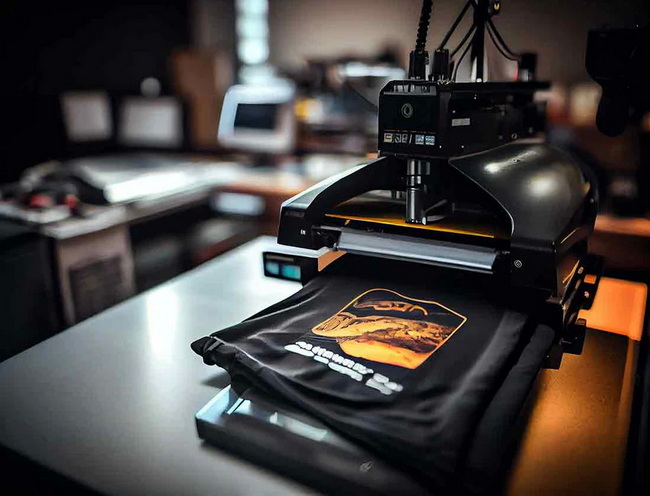
A backing sheet is a flexible sheet placed behind the press sheet to create a stencil or raised plate. It is usually cut or built up to define the shape, contrast, and detail of the final print.
- Negative stencil backing creates cut‑out areas for bold silhouettes.
- Positive plate backing builds up raised areas for more detailed images.
- It can be made from single paper, layered papers, tape, fabric, or other materials.
When printing over a solid, flat color, a positive backing often gives the best representational result, especially for logos or figurative imagery.
The press sheet is the paper or substrate that actually receives the inked image. The type‑high surface is any raised, inked area at traditional letterpress height, often a solid block, plate, or large form that carries the ink.
You can use:
- Solid inked blocks for bold, graphic backgrounds.
- Mixed type and blocks for layered word–image effects.
- Experimental surfaces for unusual textures and halos.
A negative backing sheet is created by cutting out shapes from a single sheet so the removed areas become the image.
- Delivers strong contrast with crisp edges.
- Ideal for lettering, geometric shapes, logos, and simple icons.
- Works well for quick prototypes or one‑color designs.
A positive backing sheet builds up thickness where you want the image to print.
- Produces more representational images, gradients, and textures.
- Effective when printing on solid flat color backgrounds.
- Suitable for illustration‑style work or layered textile patterns.
Because extra thickness increases overall packing, you must manage press pressure carefully to avoid damage to your printing surface.
There is almost no limit to what you can use as a backing sheet or plate, as long as it is flexible enough and safe for your press.
Common materials include:
- Paper: cut or torn paper, layered card, stencils.
- Tape: masking tape, painter's tape, washi tape for lines and blocks.
- Fabrics: lace, burlap, cotton scraps, mesh for organic textures.
- Organic elements: leaves, plants, dried flowers for natural patterns.
- Vinyl stickers: bold silhouettes, logos, and sharp shapes.
These materials can be combined to build complex images with both texture and tone in a single pass.
Pressure printing can put unusual stress on your blocks and plates, so careful setup protects both your equipment and your artwork.
- Avoid backing sheets that are too thick, which can damage the printing block.
- When printing on wood type or linoleum, use extra caution because stencils can impress into the surface.
- If a positive image adds too much packing, reduce packing layers or lower the press bed to compensate.
- Consider transferring texture onto a sacrificial block instead of tooling your primary plate.
For modern heat transfer presses and embossing machines, always follow the manufacturer's guidelines for maximum pressure, temperature, and thickness of materials to prevent wear and misalignment.
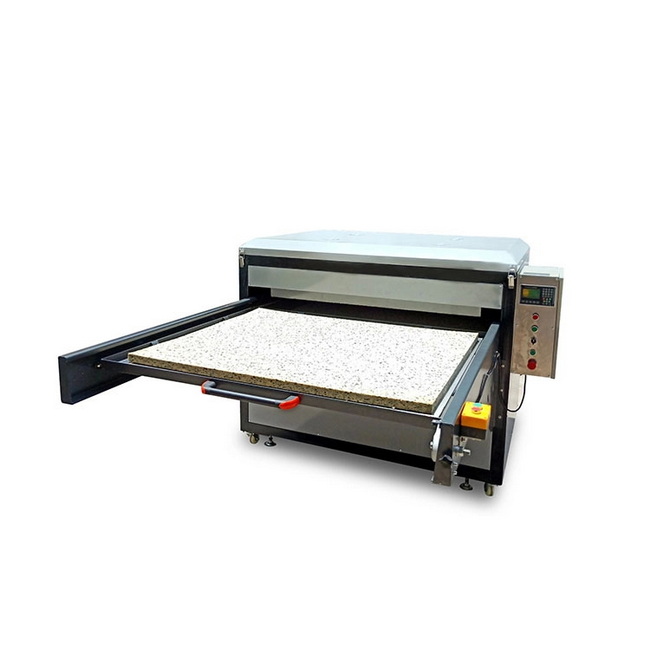
This step‑by‑step outline shows how a small studio might adapt pressure‑printing logic to a heat transfer workflow with textile substrates.
- Prepare the artwork concept
Decide if you want bold shapes or detailed textures, and choose materials accordingly.
- Cut and build the backing sheet
For a negative look, cut shapes out of paper or film. For a positive plate, layer paper, tape, or fabric to build raised areas.
- Set up the base plate or type‑high equivalent
In a traditional setup, this is the inked solid block. In a modern system, it could be a flat plate or transfer sheet that provides an even surface.
- Ink or prepare the printing surface
Apply ink evenly to the raised area, or prepare a compatible transfer medium based on product instructions.
- Stack the sandwich
Place the press sheet in position, then align the backing sheet behind it to control where pressure is increased.
- Apply pressure and heat
Use controlled, even pressure and, if using a heat transfer press, set the recommended temperature and dwell time for your materials.
- Review and refine
Peel the sheet and evaluate textures, halos, and registration. Adjust backing thickness, placement, or pressure settings as needed.
This iterative approach makes pressure printing ideal for rapid prototyping of prints before moving to full‑scale production on automated heat transfer lines.
Pressure printing is especially useful whenever you want each print to feel slightly different while still staying on brand.
Typical use cases include:
- Limited‑edition T‑shirts and sweatshirts with textured backgrounds.
- Art prints and posters that combine typography with organic patterns.
- Packaging samples with tactile surfaces for client presentations.
- Textile panels, home decor items, or small accessories with unique relief effects.
Because the backing sheet is inexpensive and easy to change, designers can experiment with multiple textures and layouts in one session before committing to final production tooling.
Printing Method | Main Tools and Surfaces | Typical Look and Feel | Ideal Use Cases |
Pressure printing | Backing sheet behind press sheet, type-high or raised surface | Soft halos, variable texture, experimental effects | One-offs, artist proofs, textured apparel |
Woodcut / linocut | Carved wood or linoleum blocks | Strong lines, repeatable bold shapes | Editions, posters, branding marks |
Screen printing | Mesh screens and stencils | Flat, opaque colors, precise placement | Medium-to-large runs, apparel, signage |
Digital printing | Inkjet or laser systems | Smooth gradients, full-color images | Short-run full-color, personalization |
Embossing / debossing | Metal or resin dies with pressure and sometimes heat | Raised or recessed texture without heavy ink | Premium packaging, labels, logos |
For workshops using modern heat transfer presses, combining pressure printing style experimentation with screen or digital transfers can create layered, premium products that stand out in crowded markets.
To get the most from pressure printing, focus on control and repeatability, even when the technique itself is playful.
- Start thin and build up. Begin with thin backing materials, then gradually add layers to avoid damaging plates and to understand your press limits.
- Test on off‑cuts. Always test your backing sheet on scrap paper or fabric before printing the full run.
- Document your setups. Record pressure settings, backing thickness, and materials so you can reproduce your best results later.
- Protect delicate type and blocks. Use protective interleaves or separate test plates when experimenting with aggressive textures or dense materials.
For industrial environments using advanced heat press equipment, pairing these craft‑level best practices with precision temperature control and stable pressure systems further improves consistency across runs.
Modern heat transfer presses, fusing machines, and embossing machines provide the controlled heat and pressure needed to translate pressure printing principles into repeatable, scalable workflows.
Key advantages of professional equipment include:
- Uniform temperature across large platens for even ink or transfer activation.
- Powerful, stable pressure that ensures consistent contact over complex textures.
- Large‑format worktables for oversize garments, banners, and fabric panels.
- Support for customized sizes and configurations to match specific products.
Manufacturers with specialized heat press and fusing solutions can tailor equipment to different textile thicknesses, transfer methods, and production volumes, helping print shops turn experimental pressure printed concepts into viable product lines.
Pressure printing is ideal for concept development and small runs, but once you validate a design, you may want to scale up.
You might consider moving to full production when:
- A pressure printed concept has strong customer response.
- The same texture or pattern needs to be reproduced thousands of times.
- You require tighter tolerances, faster cycle times, and lower cost per piece.
At that stage, a manufacturer with R&D capability, customized heat press solutions, and industrial fusing and embossing machines can help convert your experimental textures into production grade tools and processes.
If you are exploring pressure printing for apparel, textiles, or packaging, the next step is to match your creative concepts with reliable, industrial grade heat press equipment. A specialist manufacturer with customized heat transfer presses, fusing machines, and embossing solutions can help you move from experimental textures to consistent, high quality production runs.
Reach out to a professional heat press partner today to discuss your materials, sizes, and production targets, and request a free technical consultation on the best equipment configuration for your pressure printing and heat transfer projects.
Contact us to get more information!

Yes. Pressure printing is forgiving, requires minimal tools, and allows beginners to experiment with texture and shape without carving blocks or making complex screens.
Yes. You can layer pressure printed textures under or over screen prints, digital transfers, or traditional relief prints to create richer, more dimensional designs.
Uncoated papers, cotton textiles, and lightly textured stocks generally work best because they accept ink well and reveal subtle halos and textures clearly.
Keep backing sheets relatively thin, adjust packing carefully, and reduce overall pressure when testing new materials. Remove packing or lower the press bed if resistance feels excessive.
Yes, but it is typically used for development and small runs. For high‑volume production, manufacturers often adapt the aesthetic into standardized plates and run them on industrial heat transfer, fusing, or embossing equipment for efficiency and consistency.
1. https://www.heatpressnation.com/blogs/blog/pressure-printing
2. https://www.dcsbheatpress.com


