
Language

Views: 222 Author: Amanda Publish Time: 2026-01-30 Origin: Site


Content Menu
● What Are “Perfect” Heat Transfer Sizes?
● Why Heat Transfer Sizing Matters
● Core Keyword Focus for This Guide
● Standard T‑Shirt Transfer Sizes by Garment Type
>> Recommended front print ranges
● Left Chest, Full Front, and Back Print Sizing
>> Oversized back and statement prints
● Sleeve, Tag, and Specialty Transfer Sizes
● Practical Sizing Rules for Beginners
● How to Use a Printable Heat Transfer Size Guide
● Advanced Sizing: Hybrid and Gang Sheet Strategies
● Matching Transfer Sizes to Heat Press Platen Sizes
● Step‑by‑Step: Choosing the Right Heat Transfer Size
● How COLORFUL Heat Press Equipment Supports Accurate Sizing
● Action Steps: Download, Standardize, and Scale
● Final Call to Action: Build a Better Sizing System with COLORFUL
● FAQs About T‑Shirt Heat Transfer Sizes
>> 1. What is the standard print size for an adult t‑shirt front?
>> 2. How big should a left chest logo be on a t‑shirt?
>> 3. Should I use the same transfer size for youth and adult shirts?
>> 4. How do I choose the right size if my design is tall and narrow?
>> 5. What heat press size is best for full front adult prints?
Choosing the right heat transfer size for each t‑shirt is one of the easiest ways to make your prints look professional, feel comfortable, and keep customers coming back.
This enhanced guide explains the best transfer sizes and placements for infant, youth, and adult shirts, and shows how to pair those sizes with COLORFUL heat press equipment for faster, more accurate production in your workshop or factory.
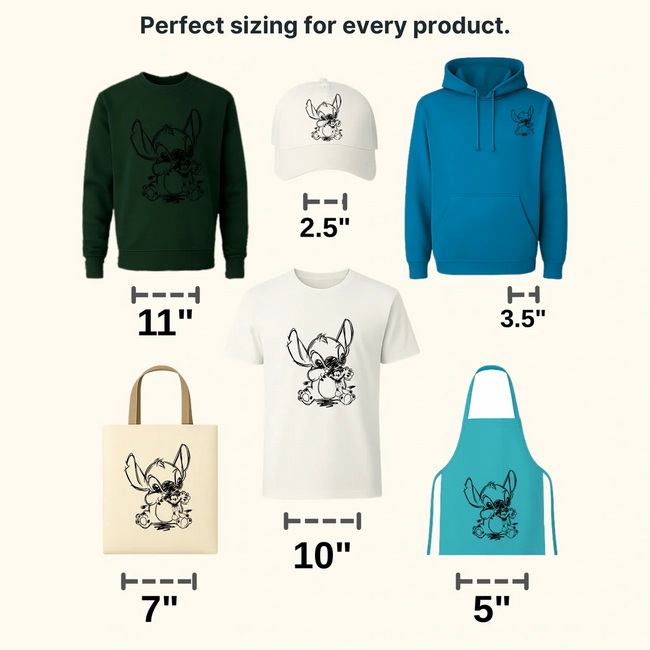
Getting “perfect sizing” means your design looks balanced on the garment, sits in the right place on the body, and fits within the printable area of your heat press platen.
In practice, that means matching three elements: shirt size, design type (left chest, full front, back, sleeve), and transfer technology (DTF, HTV, sublimation, screen‑printed transfers).
Correct transfer sizing is not just aesthetic; it directly affects comfort, durability, and brand perception of your custom apparel.
- Oversized designs on small shirts can wrinkle, crack faster, and feel heavy on the wearer.
- Undersized designs on large or oversize streetwear shirts look cheap or “lost” on the garment.
- Consistent sizing across a full size run, from youth to 5XL, strengthens your brand identity and makes repeat orders easier to manage.
For print shops using industrial presses like COLORFUL machines, consistent sizing also speeds up operator training and reduces rework.
To align with search intent and capture highly qualified traffic, this article focuses on these primary and long‑tail keywords:
- Heat transfer sizes for t‑shirts
- T‑shirt print size chart
- Left chest and full front transfer sizing
- DTF and HTV size guide for adult and youth shirts
These terms appear naturally in headings and early paragraphs to help search engines clearly understand the topic while keeping the reading experience smooth for users.
Use the following as a quick reference chart when planning your artwork. All dimensions are approximate and can be adjusted slightly based on design style and garment cut.
Garment type |
Typical full front print size (W × H, inches) |
Notes |
Infant onesie |
3–4 × 3–4 |
Keep design high on chest, avoid buttons and waist elastic. |
Toddler (2T–5T) |
4–6 × 4–6 |
Centered; avoid going too low on abdomen. |
Youth (XS–M) |
7–9 × 7–9 |
Keep at least 2 in below collar. |
Youth (L–XL) |
8–10 × 8–10 |
Works well for team or school prints. |
Adult female |
8–12 × 8–12 |
Size down slightly for slim-fit or crop tops. |
Adult male |
10–14 × 10–14 |
11 × 11 is a standard full front size for many shops. |
These ranges mirror industry norms used by transfer suppliers and print shops worldwide and work well for DTF, HTV, and screen‑printed transfers.
Different placements require different transfer sizes, even on the same shirt size.
Left chest designs are perfect for corporate uniforms, event staff shirts, and branding‑focused garments.
- Infant / toddler: 2–3 in wide
- Youth: 2.5–3.5 in wide
- Adult: 3–4 in wide, with many shops standardizing around 3.5–4 in
Vertical height usually matches or slightly exceeds width for icons plus text. Placement rule of thumb: 3–4 in below the collar seam, centered between the shirt's side seam and neckline.
Across‑chest transfers usually feature bold type or short phrases.
- Youth shirts: 8–9 in wide
- Standard adult shirts: 10–11 in wide
- Oversized streetwear tees: up to 12–13 in wide, especially on XL–3XL garments
Place the top of the design around 3 in below the collar for adult sizes and slightly closer, about 2–2.5 in, on youth shirts to keep the print from drifting too low.
Full front designs showcase artwork, illustrations, or large brand marks.
- Common “all‑purpose” size for adult tees: 11 × 11 in (square) or 11 × 13 in (portrait)
- Youth: 8 × 8 to 9 × 9 in depending on size
- Oversized streetwear: up to 12 × 16 in, limited by your press platen
Align the top of the design about 3 in below the collar on adults and 2–2.5 in on youth.
For dramatic back prints or large event designs, you can go larger while still respecting garment proportions.
- Adult standard: 11 × 11 to 12 × 14 in
- Tall or plus‑size shirts: up to 13–14 in wide and 16–17 in tall
- Youth back prints: usually between 8 × 8 and 9 × 11 in
Position the top of the back print about 4 in below the back neckline so it does not ride too high on the shoulders.
Smaller placements can add premium detail to your products without much extra material cost.
- Sleeve prints (adult): 2 × 12 in or 3 × 16 in for long sleeves, 2–3 in wide for small side logos
- Sleeve prints (youth): slightly shorter, such as 1.5–2 × 10–12 in, to match sleeve length
- Inside neck tags: 2–3 in wide, 1–1.5 in tall, placed just below the collar hem
- Bottom hem or side prints: usually 3–5 in wide, often used for brand marks or QR codes
A COLORFUL heat press with interchangeable platens or smaller auxiliary platens makes sleeve and tag prints significantly easier to align and press efficiently.
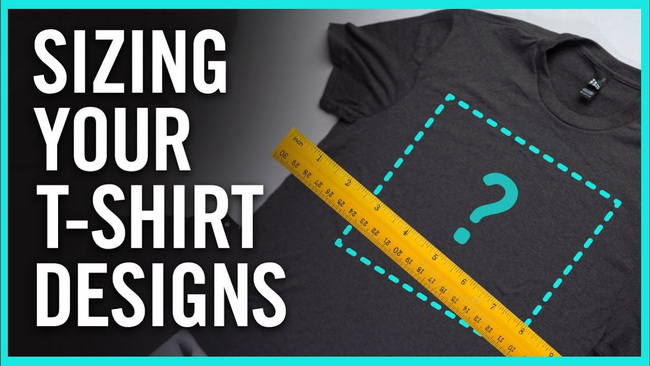
If you are just starting your t‑shirt business or training new operators, these simple rules prevent common sizing mistakes.
1. Measure the smallest shirt first in your size run and size your transfer to fit that garment.
2. Avoid printing a “standard adult” 11 × 11 in transfer on youth small shirts, as it will dominate the entire front.
3. Keep at least 2 in of margin between the edge of the design and the side seams on any garment.
4. For plus sizes (2XL and above), you can add about 1 in of width for every two sizes up if the design style allows it.
5. When in doubt, print a paper test at full scale and lay it on the shirt before sending your design to production.
These rules work across DTF, HTV, sublimation, and screen‑printed transfers, and they map well to the platen sizes on most COLORFUL heat presses.
Printable guides help you visualize placement quickly on different sizes of t‑shirts.
Here is a simple workflow to follow in your shop:
1. Print the sizing template at 100% scale on heavy paper or card stock to avoid distortion.
2. Cut out common shapes, such as 8 × 8, 10 × 10, 11 × 11 in, and label each size clearly.
3. Test on a full size run by laying the cutouts on infant, youth, and adult shirts to confirm what looks right for your brand.
4. Record your final choices in a standard operating procedure that your operators can follow for consistency.
5. Match designs to press platens by confirming that your chosen transfer sizes fit cleanly within the platen of your COLORFUL press with at least 0.5 in clearance on all sides.
You can enhance this process further by laminating your favorite templates and hanging them near each press for quick reference and training.
Once you handle basic sizing, you can reduce waste and improve margins with hybrid sizing and gang sheets.
- Hybrid sizing: Use one smaller design for XS–L shirts and a slightly larger version for XL–5XL. This keeps larger garments from looking under‑printed without overwhelming small sizes.
- Gang sheets: Place multiple sizes, such as youth left chest, adult left chest, and full front, on one large transfer sheet to save material and press time.
- Product bundles: When selling sets, for example adult plus youth, plan your gang sheet so every family member's shirt gets a proportionate, coordinated design.
COLORFUL heat press users can align large gang sheets on bigger flatbed platens, then trim individual transfers after pre‑pressing or pre‑cutting, depending on the transfer type.
Your heat press size determines the maximum transfer size you can safely press in a single hit.
Common platen sizes and recommended maximum transfer areas include:
- 9 × 12 in press: best for youth shirts, left chest, and smaller adult front prints up to around 8 × 10 in
- 15 × 15 in press: ideal for most full‑front adult prints up to roughly 14 × 14 in
- 16 × 20 in press: supports large full‑front and back prints, oversized streetwear, and long sleeve transfers
If you frequently print large sizes or gang sheets, a COLORFUL press with at least a 15 × 15 in platen gives your shop more flexibility and reduces the risk of mis‑aligned multi‑press hits.
Use this simple checklist every time you set up a new design:
1. Identify the smallest and largest garment sizes in the order, for example Youth M to Adult 3XL.
2. Decide whether you will use one size for all or hybrid sizing, such as one size for S–L and one for XL and above.
3. Choose the placement, such as left chest, full front, back, sleeve, or tag.
4. Consult your standard size chart and select a width and height range that fits the smallest garment.
5. Verify that your heat press platen can accommodate the design with at least 0.5 in margin on all sides.
6. Print a paper mockup and test it on the actual garment before committing to a full run.
7. Save final sizes and placements into your artwork templates for future reorders.
Following this process helps new staff quickly learn best practices and keeps sizing consistent across projects and operators.
As a manufacturer of professional heat press, welding, and embossing equipment, COLORFUL provides stable pressure, accurate temperature, and consistent platen surfaces, which are essential for reliable transfer results.
When you combine a clear transfer size guide with precise COLORFUL presses, you gain:
- More consistent prints across large batches and different operators
- Fewer misprints due to off‑center or crooked transfers
- Better performance with DTF, HTV, and sublimation transfers, since even heat and pressure help the entire design bond properly to the fabric
If your shop produces high volumes for export or wholesale orders, standardizing both transfer sizes and press settings across COLORFUL machines can significantly reduce downtime and returns.
To put all of this into practice in your business:
1. Create or download a printable heat transfer size guide and customize it for your most common garment types and target markets.
2. Build a standard size chart in your design software, such as presets for youth front, adult front, back, and left chest.
3. Train your team using a simple SOP that maps each size and placement to specific COLORFUL press models and platen sizes.
4. Use gang sheets and hybrid sizing strategies to improve material usage and reduce cost per print.
5. Review sizing performance regularly, including customer feedback, returns, and photos, and refine your standard chart as needed.
By treating transfer sizing as a documented, repeatable process, you turn a common beginner pain point into a real competitive advantage.
If you are ready to standardize your transfer sizes and upgrade the quality of your custom t‑shirt production, now is the perfect time to connect this sizing framework with reliable heat press equipment from COLORFUL.
Visit dcsbheatpress.com to explore COLORFUL flat heat presses, specialty platens, and automated solutions, and configure a production line where every design is sized correctly, aligned precisely, and finished with professional consistency on every shirt you ship.
Contact us to get more information!
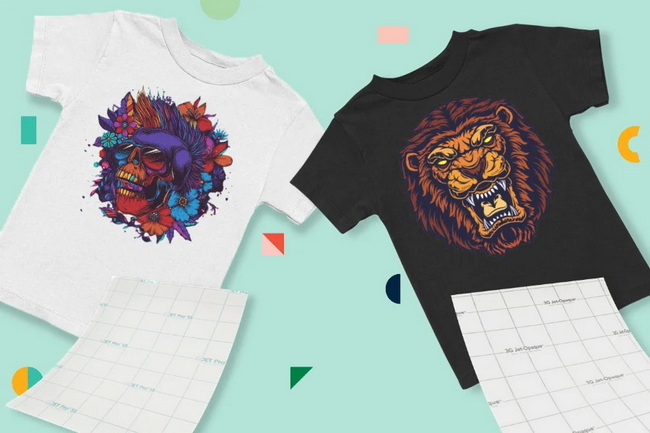
Most shops treat 11 × 11 in as a standard full front size for adult shirts because it looks balanced on S–XL and fits comfortably on a 15 × 15 in or 16 × 20 in press platen.
A typical left chest logo is 3–4 in wide on adult shirts and slightly smaller, around 2.5–3 in, on youth garments, placed about 3–4 in below the collar seam.
Using one size for all shirts is possible but often leads to oversized youth prints or under‑sized adult prints; a hybrid sizing approach with at least two sizes for the design usually looks more professional.
Measure the narrowest garment width in your size run and leave at least 2 in total margin, with 1 in on each side; then adjust the height so the design sits comfortably between the collar and lower chest without crowding the waist.
A 15 × 15 in heat press is sufficient for most standard full‑front prints, while a 16 × 20 in press gives you more room for oversized graphics and gang sheets, especially on XL–5XL garments.
1. https://www.heatpressnation.com/blogs/blog/perfect-heat-transfer-sizes-for-every-t-shirt-download-your-free-printable-guide
2. https://www.heatpressnation.com/blogs/blog/sizing-and-placement-guidelines-for-t-shirt-transfers
3. https://www.htvront.com/blogs/tutorials/vinyl-size-for-shirts
4. https://transferkingdom.com/blogs/articles/ultimate-dtf-transfer-size-chart-for-t-shirts-sweatshirts-hoodies
5. https://www.xtool.com/blogs/xtool-academy/dtf-transfer-size-chart
6. https://www.heatpressnation.com/blogs/blog/heat-transfer-paper-buyers-guide-1
7. https://weprintupress.com/blogs/news/the-ultimate-guide-to-heat-press-printing-everything-you-need-to-know
8. https://www.youtube.com/watch?v=qxqVwdKYldI
9. https://www.youtube.com/watch?v=IKeOwzkWSv8
10. https://www.youtube.com/watch?v=7rV1ZZiH_gA


