If you have any questions, please feel free to contact us.| Email Us: info@dcheatpress.com


Views: 222 Author: Amanda Publish Time: 2026-01-30 Origin: Site


Content Menu
● Why Nationwide Heat Press Warehouses Matter in 2026
● Overview of the U.S. Heat Press Fulfillment Network
● Key Benefits of Multiple Heat Press Fulfillment Centers
>> 1. Faster, More Predictable Shipping
>> 2. Improved Inventory Availability
>> 3. Flexible “Ship From Manufacturer” Options
>> 4. Better Customer Experience and Trust
● How “Ship From Manufacturer” Complements Warehouse Stock
● Smart Stock Visibility: Real‑Time Warehouse Location and Availability
● How a Distributed Network Supports Serious Heat Press Businesses
● Best Practices for Choosing a Heat Press Supplier with Strong Logistics
>> Checklist: What to Look For
● How COLORFUL Can Support Global Customers With Smarter Fulfillment
>> Example Workflow for a Global Customer
● Practical Tips to Take Full Advantage of Multi‑Warehouse Shipping
>> 1. Plan Purchases Around Your Busy Seasons
>> 2. Standardize Your Core Equipment and Consumables
>> 3. Use Live Stock Indicators Before Promising Deadlines
● Build a Faster, More Reliable Heat Press Supply Chain With COLORFUL
● FAQs About Nationwide Heat Press Warehouses
>> 1. How do I know which warehouse will ship my order?
>> 2. What does “Ships From Manufacturer” actually mean?
>> 3. Does having more warehouses always make shipping faster?
>> 4. Can I pick up heat press equipment directly from a warehouse?
>> 5. How should international buyers think about multi‑warehouse shipping?
Expanding warehouse locations and smarter fulfillment workflows can dramatically reduce delivery times, lower shipping risk, and give heat press businesses a real competitive edge in 2026.
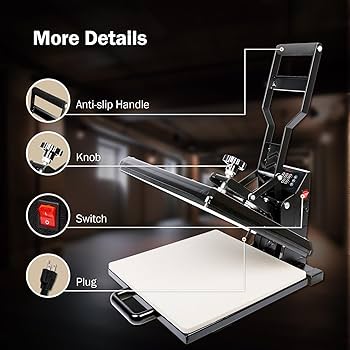
Having multiple heat press fulfillment centers across the country allows a supplier to ship from the location closest to the customer, which shortens transit time and reduces shipping costs. For busy print shops, this means less downtime waiting for equipment, blanks, or consumables and more time producing profitable orders.
When warehouses are strategically placed in different regions, they help balance inventory and reduce the risk that one facility runs out of fast‑moving items. A distributed network also adds resilience if one location faces delays due to weather, local logistics, or seasonal peaks.
A strong nationwide heat press distribution strategy usually combines a main headquarters with several regional fulfillment centers that can serve different parts of the country. One example model includes a primary facility in California supported by satellite centers in New York, Pennsylvania, and Oklahoma, with additional locations planned to further improve coverage.
By layering regional warehouses on top of a central hub, heat press suppliers can reach most U.S. customers within a few business days using standard ground services. This model is particularly attractive for small and mid‑sized shops that cannot afford long waits for replacement parts or new machines.
Region | Typical Warehouse City | Primary Coverage Area |
West | Fullerton, California | West Coast and nearby states |
Northeast | Rochester, New York | Northeast and parts of Midwest |
Mid-Atlantic | Middletown, Pennsylvania | East Coast corridor |
Central | Oklahoma City, Oklahoma | Central and Southern states |
Future/Expansion | Reno, Nevada (planned) | Western and Mountain states |
Table: Example layout of a nationwide heat press fulfillment network, combining a main hub with regional centers for faster delivery.
When orders are shipped from the closest warehouse, transit time and shipping distance usually drop significantly. For urgent orders, this can be the difference between hitting a customer's event date and missing the deadline.
Shorter delivery routes also tend to experience fewer scan events, fewer hand‑offs, and less risk of damage, which is important when moving heavy heat press equipment or sensitive printing consumables.
Even the best‑run retailers occasionally sell out of high‑demand items, especially popular heat press models, attachments, and specialty media. A multi‑warehouse strategy helps by spreading stock across several locations, which reduces the impact if one facility runs short.
Suppliers can also prioritize certain product lines in specific regions where demand is strongest, providing better support for local niches such as sports apparel, promotional items, or industrial labeling.
To back up their own warehouses, some distributors work with manufacturers to ship certain items directly from the factory when local inventory is unavailable. This hybrid model combines the speed of regional warehouses with the depth of manufacturer stock, especially for large machines or less common configurations.
This arrangement is particularly helpful for global brands like COLORFUL that offer a wide catalog of presses, welding units, and embossing machines; not every model can be stocked in large quantities at every warehouse, so manufacturer‑direct shipping fills the gap.
Customers increasingly expect real‑time visibility into stock status and shipping origin before they place an order. By offering transparent information about where an item is located and how it will ship, suppliers make it easier for buyers to set accurate expectations and plan production.
Over time, reliable shipping, clear communication, and responsive support build stronger loyalty, which is critical in B2B markets where re‑orders and long‑term relationships drive most growth.
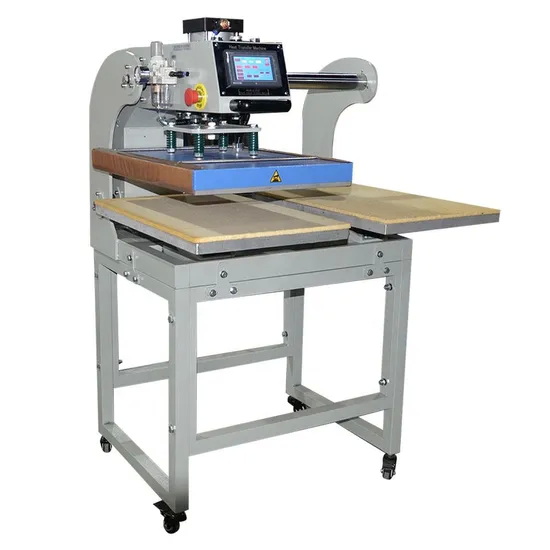
On some product pages, instead of showing a specific warehouse location, a notice such as “Ships From Manufacturer” may appear to indicate that the item will be dispatched directly from the factory. This is common for specialized heat press equipment, large‑format machines, or products that are temporarily out of stock in all warehouses.
For customers, this arrangement can still deliver competitive lead times, because the product bypasses intermediate storage and moves straight from the manufacturing line to the end user. When combined with clear tracking and proactive communication, manufacturer‑direct shipping feels seamless to the buyer.
Some modern e‑commerce sites now show live inventory information, including whether an item is in stock and at which warehouse it is currently located. This transparency allows customers to make better choices, such as selecting items that can ship from a nearby facility for faster arrival.
If no warehouse has available stock, the system can automatically flag the product as shipping from the manufacturer instead, using messaging that replaces the usual warehouse location indicator. This type of integrated stock visibility reduces confusion and saves time for both buyers and customer service teams.
Professional garment decorators, print‑on‑demand startups, and industrial users all rely on predictable lead times for equipment and consumables. A distributed warehouse and fulfillment model helps them maintain stable production schedules, reduce emergency shipping costs, and serve their own customers more reliably.
When a supplier also offers technical support, training, and repair services from the same network, it becomes easier for shops to scale from hobby‑level output to full‑time, multi‑shift production using heat presses, welders, and embossing machines.
When evaluating heat press suppliers, logistics capabilities should be considered alongside machine quality and price. Shops that plan to grow should prioritize partners with multiple warehouses, manufacturer‑direct options, and clear communication about stock and shipping.
Below is a practical checklist you can use when comparing suppliers.
- Multiple U.S. warehouses: Confirm how many fulfillment centers exist, where they are located, and which facility typically serves your region.
- Transparent stock information: Make sure the website indicates whether items are in stock and, ideally, which warehouse will ship the order.
- “Ships From Manufacturer” support: Check whether the supplier can ship directly from the factory when warehouse inventory is low.
- Reasonable standard shipping times: Ask about typical ground delivery windows for your location and the cutoff time for same‑day or next‑day handling.
- Clear backorder and pre‑order policy: For high‑demand machines, review how backorders are handled and whether you can reserve incoming stock.
- After‑sales service network: Confirm availability of technical support, parts, and warranty repairs, ideally with regional coverage.
- Integration with your workflow: Review whether order tracking, shipment notifications, and invoices fit smoothly into your business processes.
COLORFUL specializes in research, development, manufacturing, sales, and service for high‑quality heat transfer equipment, welding machines, and embossing machines, serving a global customer base with diverse printing needs. By combining this technical expertise with a strategic approach to warehousing and logistics, COLORFUL can support international users who need reliable, predictable delivery.
For global buyers outside the United States, the same principles apply: regional stock, manufacturer‑direct shipping options, and clear communication about lead times all help minimize downtime and support continuous production.
- A European print shop places an online order for a COLORFUL heat press and accessory kit.
- The system automatically checks regional stock and selects the fastest available route, either from a nearby warehouse or direct from the manufacturing facility.
- The shop receives real‑time tracking, knows when to schedule installation, and can plan incoming orders confidently around the expected delivery window.
This type of logistics planning allows COLORFUL's customers to focus on high‑value tasks—design, marketing, and production—while the supply chain runs quietly in the background.
Custom apparel and printed product businesses often experience peak periods during holidays, school seasons, and promotional campaigns. Planning major equipment purchases and large consumable orders a few weeks ahead of these peaks lets you use standard shipping from the nearest warehouse rather than paying for urgent air freight.
If your supplier provides estimated stock arrival dates, you can also place early orders for popular items that tend to sell out, such as high‑end presses or specialized accessories.
Using the same heat press models and core consumables across your production line simplifies inventory management. When all operators use compatible platens, pads, and pressure ranges, you can order in bulk and rely on multiple warehouses to replenish stock as needed.
Standardization also makes it easier to use “Ships From Manufacturer” when a nearby warehouse is out of stock, because you know any replacement machine or part will fit seamlessly into your existing setup.
Before you promise a delivery date to your customer, quickly check your supplier's stock status and warehouse location for any critical machines or materials you need. If the item shows as in stock at a nearby facility, you can confidently commit to shorter turnaround times.
When you see a “Ships From Manufacturer” notice, allow a bit of extra margin in your timeline to account for the longer route and any customs handling if the product is coming from overseas.
If you want to reduce downtime, speed up deliveries, and support continuous production in your printing business, partnering with a supplier that understands both equipment and logistics is essential. COLORFUL combines high‑quality heat transfer, welding, and embossing machines with a service‑oriented approach that supports global customers from purchase through long‑term use.
Contact COLORFUL today to discuss your regional shipping options, recommended equipment configurations, and how a smarter fulfillment strategy can support your next stage of growth.
- Visit: dcsbheatpress.com to explore the latest COLORFUL equipment lineup.
- Request a quote: Share your location, product interests, and timeline to receive tailored shipping and configuration suggestions.
- Talk to an expert: Ask for guidance on scaling from a single heat press to a multi‑machine production environment with reliable logistics support.
Contact us to get more information!
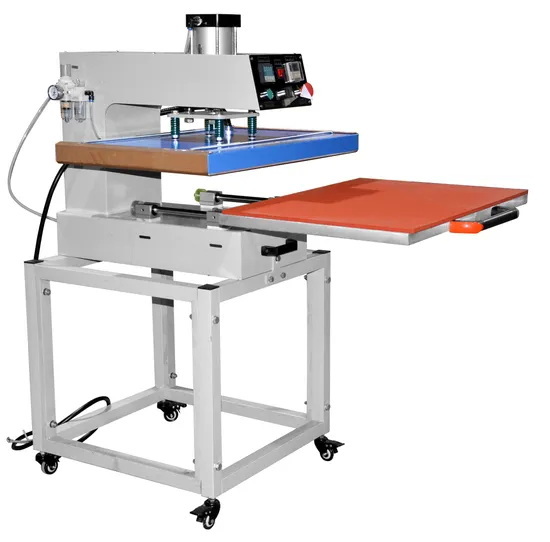
Many suppliers indicate the stock location on the product page or during checkout, showing whether an item is available in specific warehouses or flagged as “Ships From Manufacturer.” In practice, your order will usually ship from the facility closest to your shipping address that has the item in stock.
“Ships From Manufacturer” means the product will leave directly from the factory or a manufacturer‑controlled facility instead of a retailer's warehouse. This is often used for large machines, special configurations, or items that are temporarily out of stock in all regional warehouses.
More warehouses generally reduce average transit time, but speed also depends on carrier performance, order processing time, and when you place the order. Well‑run multi‑warehouse networks still need strong internal systems and clear communication to consistently deliver quick handling.
Some warehouses are strictly fulfillment centers and do not accept walk‑in customers, while others offer local pickup by appointment. Because policies vary, it is important to check with the supplier in advance rather than assuming that every location functions as a retail outlet.
International customers benefit when suppliers combine regional distribution centers with manufacturer‑direct shipping, because it offers more flexibility and better lead times. For global brands like COLORFUL that support worldwide clients, the goal is to route each order through the fastest and most reliable channel based on the buyer's location.
1. https://www.heatpressnation.com/blogs/blog/more-warehouses-across-the-country


