If you have any questions, please feel free to contact us.| Email Us: info@dcheatpress.com


Views: 222 Author: Amanda Publish Time: 2025-12-22 Origin: Site


Content Menu
● Why Craft Retailers Use Mini Press Techniques
● 10 Essential Mini Heat Press Techniques
>> 1. Use Heat-Resistant Tape for Precise Placement
>> 2. Use a Separate Timer for Accurate Dwell Times
>> 3. Apply Firm, Even Pressure
>> 4. Protect Surfaces with a Heat-Resistant Mat
>> 5. Match Temperature to Transfer Material
>> 6. Follow the Correct Peeling Method
>> 7. Preheat and Prepare the Substrate
>> 8. Press Large Designs in Overlapping Sections
>> 9. Use Pressing Pillows and Specialty Supports
>> 10. Rotate and Reposition the Press Gently
● Advanced Mini Press Use Cases for Retail and Craft Businesses
>> Personalization Zones That Large Presses Miss
>> On-Site Customization and Live Demonstrations
>> Reducing waste on Difficult Garments
● Mini Heat Press Settings and Practical Checklist
>> Example Settings for Common Transfer Types
>> Mini Heat Press Pre-Press Checklist
● Safety and Maintenance Tips for Mini Heat Presses
>> Routine Cleaning and Storage
● When to Use a Mini Heat Press vs. a Full-Size Press
● Turn Your Mini Press Skills into Real Business Growth
● FAQ: Mini Heat Press Techniques
>> 1. What can a mini heat press do that a regular heat press cannot?
>> 2. How do I choose the right temperature level on a mini heat press?
>> 3. Why do my designs sometimes peel after washing?
>> 4. Do I really need a heat-resistant mat and heat-resistant tape?
>> 5. Is a mini heat press enough for a small printing business?
A mini heat press has become an essential tool for modern craft retailers, small apparel brands, and print-on-demand sellers that need to decorate small or hard-to-reach areas with precision. This guide explains how to use a mini press correctly, improves the structure for easier reading, and adds practical retail-oriented techniques while keeping the language clear and consistent. [1][2][3]
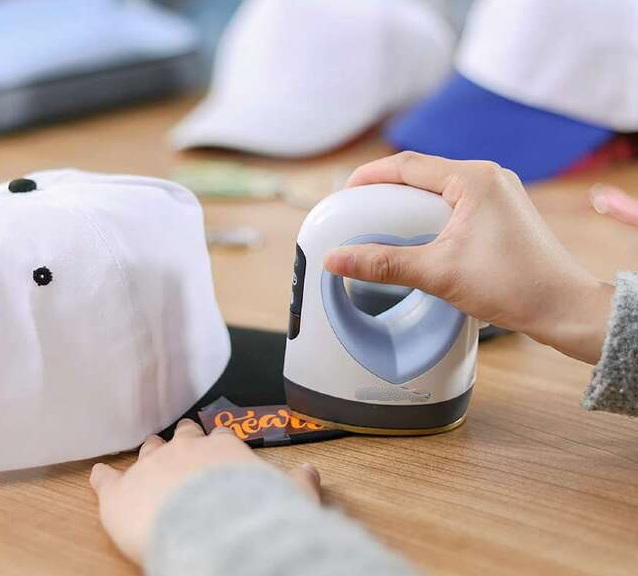
A mini heat press is a compact, handheld heat transfer device designed to apply vinyl, DTF, sublimation, and other transfers onto localized areas instead of whole garments. Unlike traditional clamshell or swing-away presses, a mini press is moved by hand over the design, so pressure control, stability, and surface preparation are especially important for consistent results. [2][3][1]
- Ideal for pockets, cuffs, collars, and plackets on shirts and jackets. [1][2]
- Useful for childrenswear, baby items, and pet accessories with small decoration zones. [3][1]
- Effective on caps, tote corners, backpacks, and sides of shoes. [2][1]
- Excellent for neck labels, size tags, and branding marks for fashion or retail lines. [4][3]
For craft retailers and boutique print shops, mastering mini press techniques expands product variety, improves finishing quality, and reduces waste from scorched or misaligned designs. Because mini presses are light and portable, they also support on-site personalization at markets, pop-ups, and events, allowing retailers to sell unique products in real time. [5][4][1]
- Faster one-off customization without always running a large flat press. [3][1]
- Lower risk of damaging zippers, buttons, or seams when decorating small areas only. [1][2]
- More upsell opportunities with names, initials, badges, and small logos on existing items. [4][1]
Because the mini press moves across the surface, there is always a risk that the transfer will shift before it fully bonds. Using heat-resistant tape to secure the design is one of the easiest ways to keep alignment accurate, especially on curved or contoured areas such as sleeves, caps, and tote bag corners. [6][2][1]
- Apply small strips of tape to the edges of the transfer, avoiding the printed image. [6][1]
- Check placement with a ruler or alignment guide before pressing. [3][6]
- For multilayer designs, tape each layer separately and remove old tape between presses to reduce marks. [4][1]
Many mini presses have simple or limited timing options, so relying only on built-in indicators can lead to inconsistent dwell times. A separate timer—such as a digital kitchen timer or smartphone app—helps avoid under- or over-pressing, which can cause poor adhesion, color changes, or surface shine. [6][1][3]
- Set the timer according to the transfer manufacturer's recommended time range. [3][6]
- Start slightly shorter and add a brief final touch if needed rather than over-pressing in one cycle. [1][3]
- Record optimal times for each material in a simple press log that staff can reference quickly. [4][3]
Because pressure is applied by hand, uneven force is one of the most common causes of poor mini press results. Rocking, tilting, or pressing harder on one side than the other can leave cold spots, cause partial adhesion, or create visible lines around the design. [2][1][3]
- Hold the mini press vertically with a stable grip and avoid rocking the plate during pressing. [2][1]
- Place a pressing pillow or pad under seams, zippers, and buttons so the print area stays flat. [7][1]
- Practice on scrap fabric to understand how much firm pressure your materials require. [6][3]
A heat-resistant mat or silicone pad under your project protects the work surface and helps keep the substrate level during pressing. Even when a mini press has an insulated base or automatic shutoff, the mat adds an extra layer of safety and improves consistency across different table types. [1][2][3]
- Choose a mat large enough so garments are fully supported and do not hang off the edge. [3][4]
- Use a Teflon or protective sheet on top of the transfer to reduce scorching and shine. [7][6]
- Always return the mini press to its stand or base when not actively pressing. [2][1]
Mini presses often use simple temperature levels instead of exact degree settings, so matching those levels to the specific transfer and fabric combination is important. If the temperature is too low, the adhesive may not cure properly; if it is too high, fabrics can scorch or inks can blur. [8][6][2][3]
- Check manufacturer instructions for recommended temperature and time for each HTV, DTF, or sublimation film. [6][3]
- Perform a short test on scrap material, especially for polyester, blends, and delicate garments. [2][3]
- When no chart is available, start at a medium setting and adjust time or temperature gradually. [8][3]
Different transfer films require hot, warm, or cold peel conditions, and ignoring these instructions can cause cracking, lifting, or stretching of the design. Using the correct peel method is just as important as using the correct temperature and time. [1][3][2]
- Confirm peel type in the transfer documentation before starting production. [3][6]
- Test a small corner; if the carrier resists strongly, allow more cooling before peeling fully. [1][3]
- For delicate or stretchy fabrics, prefer warm or cold peel to reduce stress on the fibers. [2][1]
Preheating the substrate helps remove moisture and wrinkles so adhesive can bond evenly. Moisture trapped in fabric can cause bubbling, uneven color, and reduced wash durability, especially in humid environments. [4][3][1]
- Pre-press garments for 3–5 seconds to smooth wrinkles and evaporate moisture. [3][1]
- Clean rigid surfaces such as wood and metal, and remove dust before pressing. [1][3]
- Use a lint roller on garments with visible fibers to prevent interference with adhesion. [4][3]
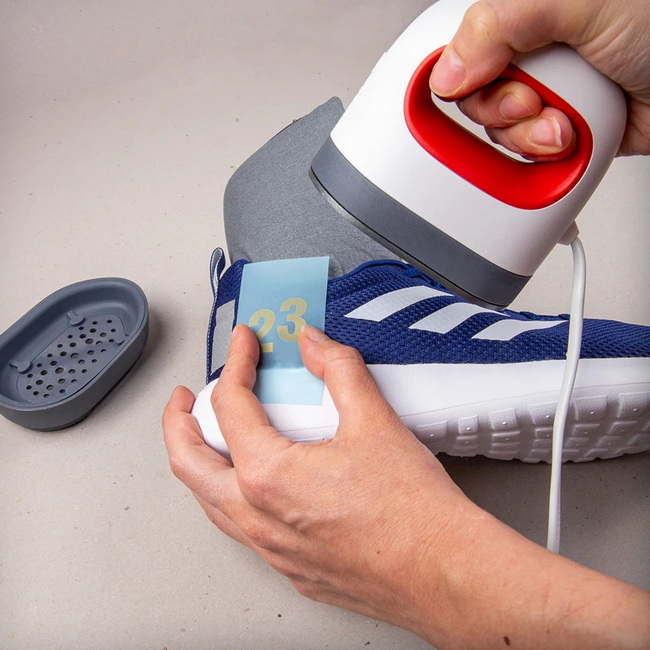
Because the platen on a mini press is small, larger designs must be divided into multiple sections that slightly overlap. If the sections are not overlapped correctly, unpressed lines can appear; if overlapped too much, the design can be over-pressed in some areas. [6][2][3][1]
- Mentally divide the image into a grid and press each block for the full dwell time. [3][1]
- Follow a consistent pattern, such as left-to-right and top-to-bottom, to ensure complete coverage. [2][1]
- Avoid pressing any area at full time more than twice to prevent over-baking inks or adhesive. [6][3]
Pressing pillows, foam pads, and curved forms allow the mini press to maintain even pressure across complex surfaces. These tools are especially useful when working on caps, inner pockets, layered garments, and items with hardware or seams. [7][1][2]
- Place a pillow inside hoodies and bags so seams and zippers sink below the print surface. [7][1]
- Slide a curved form or pillow inside caps and hats to support the print area. [1][2]
- Use thinner pillows for small zones to maintain strong, consistent contact pressure. [7][6]
Careful rotation and repositioning of the mini press can help achieve even heat coverage on detailed or multi-part designs. Heavy dragging can cause marks or shifting, so controlled movement is the best approach. [2][3][1]
- Lift and reposition the press in small arcs instead of sliding it aggressively over the design. [1][2]
- Maintain the same pressure level and dwell time in each position. [3][1]
- For complex prints, use a shorter second pass to secure edges without damaging the center. [6][3]
Beyond basic applications, a mini heat press supports specialized products and services that can differentiate a small business. Focusing on these use cases helps convert simple designs into higher-value, personalized items. [5][4][1]
Mini presses are ideal for tiny print zones that are difficult or unsafe to access with a large platen. Using them strategically allows businesses to add fine details that justify higher prices. [4][2][3][1]
- Neck labels and size tags for private-label fashion and sportswear. [4][3]
- Monograms and initials on cuffs, pockets, and shirt plackets. [2][1]
- Small logos or badges on caps, beanies, and shoe sides. [1][2]
The portability of a mini press makes it suitable for live personalization at craft fairs, pop-up shops, and in-store events. Live customization attracts attention, encourages customers to stay longer, and increases perceived value. [5][1]
- Offer names or short phrases on tote bags, caps, or sleeves while customers watch. [5][1]
- Host workshops where participants bring blank items and pay for transfers applied on site. [3][1]
- Display sample items showing mini-pressable areas near the checkout or workshop table. [4][1]
Using a full-size press on complex garments can lead to scorching, impressions of seams, or misalignment, which often turn into scrap. A mini press reduces these risks by heating only the target area, making premium garments safer to decorate. [7][6][2][1]
- Lower reject rates on jackets, performance wear, and structured bags. [7][6]
- Targeted re-pressing of failing corners or edges without re-pressing the whole design. [6][3]
- Better control when decorating items made from multiple materials with different heat tolerances. [4][3]
Standardized settings and a simple checklist help turn mini press work into a repeatable process that can be taught to different operators. While exact values vary by brand and product, using structured guidelines gives a strong starting point. [6][3][4]
Transfer Type | Fabric Type | Typical Temp Level | Time per Section | Peel Type | Notes |
Standard HTV | Cotton / cotton blends | Medium to high | 10–15 seconds | Warm or cold | Pre-press to remove moisture; apply firm pressure and peel slowly. |
Stretch HTV | Sportswear and stretch knit | Medium | 15–20 seconds | Warm | Avoid overheating to preserve stretch and softness. |
DTF Transfer | Cotton / poly blends | Medium to high | 15–20 seconds | Warm or cold | Use firm pressure; re-press through paper if edges lift. |
Sublimation | Polyester / coated blanks | High | 25–40 seconds | Hot removal of paper | Use protective paper to avoid ghosting and stray ink. |
PU Patch / Emblem | Caps, bags, workwear | Medium to high | 15–25 seconds | Usually cold | Combine with a pressing pillow and increased pressure. |
These ranges are generalized and should always be checked against current transfer and garment supplier recommendations for best results. [6][3]
A short, repeatable checklist makes it easier for operators to maintain consistent quality across different orders and materials. [4][3]
- Confirm fabric type and transfer compatibility for each job. [3][6]
- Prepare the work surface with a heat-resistant mat and keep the area clear. [1][3]
- Pre-press the garment or blank for a few seconds to remove moisture and wrinkles. [1][3]
- Position the design, use heat-resistant tape, and verify alignment with a ruler. [6][1]
- Set the temperature level and dwell time according to product guidelines. [3][6]
- Press in overlapping sections with firm, even pressure across the entire design. [2][1]
- Peel the carrier as specified (hot, warm, or cold) and inspect edges and corners. [1][3]
- If needed, cover with a protective sheet and perform a short final press to seal. [6][3]
Safe operation and regular maintenance protect operators and extend the life of mini presses, which is important in busy craft studios and retail environments. Applying clear safety practices also builds trust when demonstrating equipment in front of customers. [8][1][3]
Mini presses heat small metal plates to high temperatures, so careless handling can cause burns or damage nearby items. Implementing simple habits reduces these risks significantly and keeps the workspace safe. [8][2][1][3]
- Place the mini press only on its insulated base or a heat-resistant stand when idle. [2][1]
- Keep the power cord away from the hot plate and from walkways where it could be pulled. [3]
- Use heat-resistant gloves and avoid touching the heated surface after use. [8][3]
Residue from vinyl, adhesive, and sublimation paper can build up on the plate and interfere with heat transfer. Regular, gentle cleaning prevents this residue from affecting future jobs and helps maintain smooth contact with materials. [4][3]
- Clean the soleplate only when cool using a non-abrasive cloth; avoid metal tools and harsh chemicals. [4][3]
- Unplug the press after each session and store it in a dry, dust-free location. [4][3]
- Inspect the casing and power cord periodically, and replace the unit if cracks or exposed wires appear. [8][3]
Mini and full-size presses complement each other rather than directly replacing one another. Understanding the strengths of each type helps shops design efficient workflows and deliver consistent results across different product lines. [1][3][4]
- Use a full-size heat press for large chest prints, backs, and bulk production runs on flat garments. [3][4]
- Use a mini heat press for edges, collars, pockets, caps, and small personalization zones. [2][1]
- Combine both to cover broad designs with the large press, then finish details with the mini press. [1][4]
When these mini heat press techniques are applied consistently, they help craft retailers and small print shops deliver clean, durable prints on even the most challenging areas of garments and accessories. This combination of precise placement, optimized settings, and safe operation supports better product quality, higher customer satisfaction, and stronger repeat sales. [1][3][4]
If you are ready to expand from basic hobby projects to more advanced, revenue-generating customization, now is an excellent time to standardize your mini press workflow and pair it with reliable professional heat transfer equipment. Review your current process, choose compatible presses and accessories, and start building a more efficient, scalable setup that lets you offer confident, high-margin personalization on every order. [3][4]
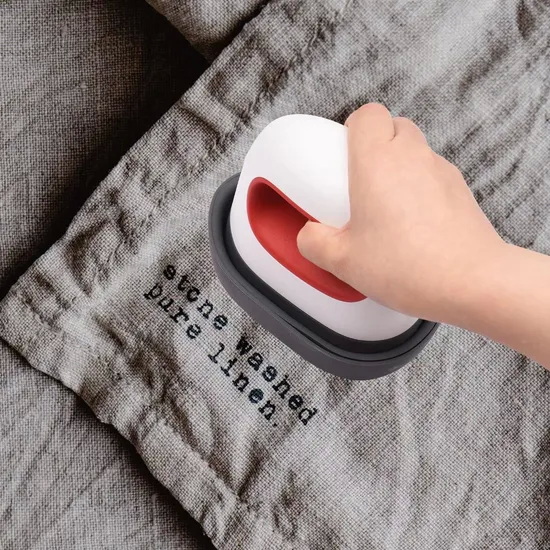
A mini heat press can decorate very small, curved, or obstructed areas such as pockets, cuffs, collars, caps, and shoe sides where a large platen cannot reach safely. It also allows targeted re-pressing of specific areas without reheating an entire garment. [2][4][1][3]
The most reliable approach is to follow the temperature and time recommendations from the transfer manufacturer and match those values to the closest available level on your mini press. Always perform a test press on similar material before large runs and adjust gradually if adhesion or fabric reaction is not ideal. [2][6][3]
Peeling after washing often indicates insufficient time, low pressure, incorrect temperature, or peeling the carrier at the wrong stage. Reviewing the transfer instructions and strictly following the recommended time, pressure, and peel method usually improves wash durability. [6][1][3]
A heat-resistant mat protects your table and helps keep the garment flat, while heat-resistant tape keeps the transfer from moving as you press. Using both reduces the likelihood of misalignment, ghosting, and accidental damage, especially on small or curved items. [6][1][3]
A mini heat press is excellent for small, detailed work and on-site personalization but is usually not sufficient on its own for high-volume production. Most growing businesses use a mini press alongside at least one full-size press to handle large designs and batch orders efficiently. [4][1][3]
[1](https://galaxy-press.com/mini-press-techniques-tips/)
[2](https://teckwrapcraft.com/blogs/tips/how-to-use-mini-heat-press)
[3](https://www.vevor.com/diy-ideas/heat-press-guide/)
[4](https://galaxy-press.com/ultimate-t-shirt-press-machine-guide/)
[5](https://www.tiktok.com/@lopotech/video/7511623568396946695)
[6](https://www.allprintheads.com/blogs/news/how-to-use-a-heat-press-machine-7-easy-steps-to-get-started)
[7](https://colmanandcompany.com/blog/2021/07/how-to-use-the-galaxy-mug-press/)
[8](https://www.htvront.com/blogs/tutorials/how-to-use-h1-mini-heat-press)


