If you have any questions, please feel free to contact us.| Email Us: info@dcheatpress.com


Views: 222 Author: Amanda Publish Time: 2026-01-29 Origin: Site


Content Menu
● Core Features and Benefits of VersiFlex
>> Hybrid 3‑in‑1 Decorating Concept
>> Self‑Weeding, No‑Cut Transfers
>> Soft Hand and Wash Durability
>> Versatility on Garments and Hard Goods
● How VersiFlex Works in Practice
>> Heat Press Requirements and Calibration
● VersiFlex vs Other Print Methods (DTF, HTV, DTG, Sublimation)
>> Overview Table: Where Each Method Wins
>> VersiFlex vs DTF (Direct‑to‑Film)
>> VersiFlex vs HTV (Heat Transfer Vinyl)
>> VersiFlex vs DTG (Direct‑to‑Garment)
>> VersiFlex vs Traditional Sublimation
● When VersiFlex Is (and Is Not) the Best Choice
>> Ideal Use Cases for VersiFlex
>> Limitations You Should Plan For
● Practical Setup and Production Tips
>> Before You Invest: Checklist
>> Day‑to‑Day Production Best Practices
● Is VersiFlex Really an “All‑in‑One” Solution?
● Strategic Takeaways for Business Owners
● FAQ
>> 1. Is VersiFlex a completely new decoration technology?
>> 2. Can VersiFlex print on dark garments?
>> 3. How many washes can VersiFlex prints typically withstand?
>> 4. Do I need a special heat press for VersiFlex?
>> 5. Is VersiFlex better than sublimation for hard goods?
Sawgrass VersiFlex is a 3‑in‑1 hybrid decorating system that combines the strengths of DTF, DTG, and sublimation in a single workflow. Instead of printing directly to fabric or only to coated blanks, it uses a special VersiFlex transfer film and Sawgrass sublimation inks to create bright, self‑weeding transfers.
The system is designed to work on light‑colored cotton, blends, and select uncoated hard surfaces such as wood and certain ceramics, which are typically outside the range of traditional sublimation alone. For many small and mid‑size shops, that makes VersiFlex a bridge between garment printing and hard‑goods decoration in one compact footprint.
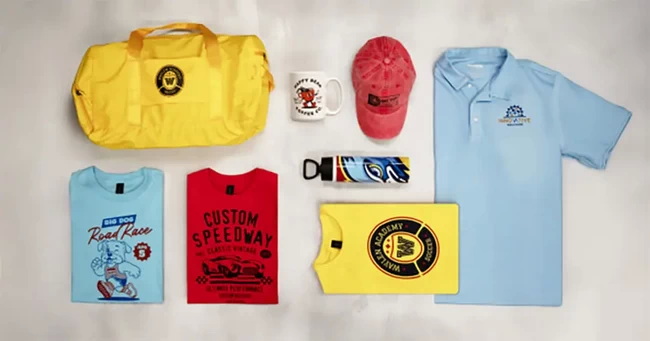
VersiFlex is built to deliver a combination of DTF‑like versatility, DTG‑like softness, and sublimation‑level color from one system. Instead of maintaining three separate printers, you pair a Sawgrass printer, VersiFlex inks, and VersiFlex transfer media to cover a wide mix of products.
For shop owners, this hybrid model reduces the learning curve, simplifies maintenance, and lowers the barrier to adding new product lines like light cotton apparel plus uncoated gifts and decor.
A standout VersiFlex feature is its self‑weeding technology, where only the printed design transfers to the substrate. There is no need for contour cutting or manual weeding, even on intricate artwork.
Because the background film stays on the carrier, you avoid halos and unwanted edges that are common with basic transfer papers. This significantly speeds up production and improves consistency on complex logos, gradients, and fine text.
VersiFlex transfers are engineered to feel integrated with the fabric rather than sitting on top like many vinyl‑based products. The finish has a soft hand that resists cracking and peeling when applied and laundered correctly.
When production parameters are followed, VersiFlex prints can deliver wash performance that suits most fashion, promo, and everyday wear applications at this price level. For many garment lines, that makes it a practical balance between softness, color, and durability.
VersiFlex is optimized for light‑colored cotton and cotton blends, a space where standard sublimation normally cannot print without polyester content or a coating. At the same time, the system can decorate uncoated woods and suitable hard substrates, expanding beyond textile work.
This dual focus means one setup can produce T‑shirts, tote bags, light fabric merch, and selected hard‑good items, reducing the need for multiple specialized printers in a small studio or startup shop.
While specifics vary by media and press, the VersiFlex workflow typically follows these steps:
1. Design in compatible software and send the job through the Sawgrass print environment using VersiFlex print settings.
2. Print onto the approved VersiFlex transfer paper with the correct ink profile for optimal color and release.
3. Position and press the still‑active transfer onto the substrate with a high‑pressure, calibrated heat press.
4. Peel hot immediately after pressing, which speeds production and reduces waiting time between presses.
Timing and press calibration are critical, because the ink must still be active when it is transferred from paper to substrate. Consistent technique helps maintain edge sharpness and color vibrancy.
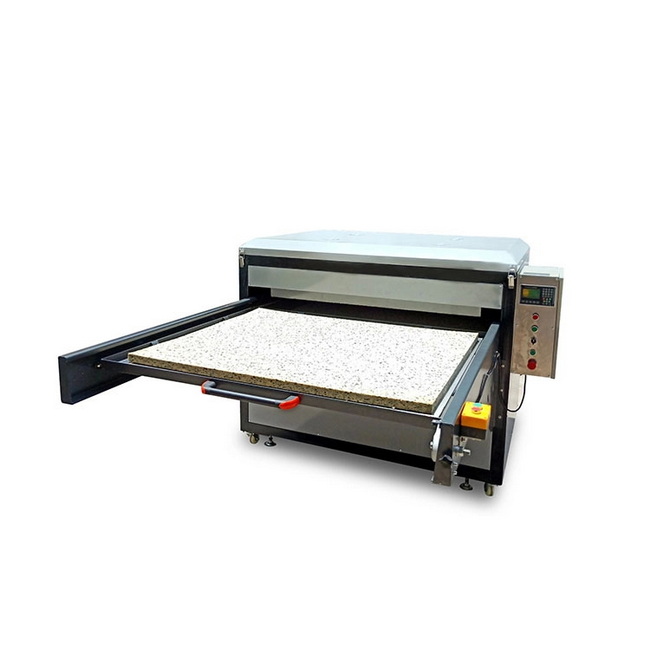
VersiFlex is more demanding than basic HTV when it comes to press quality and calibration. To get reliable results, you need a high‑pressure heat press with accurate, even temperature and adjustable pressure control.
Shops that use uneven or under‑powered presses can experience inconsistent adhesion, dull color, or partial transfers. To avoid costly misprints, it is essential to:
- Calibrate temperature across the platen with a thermometer or heat strips.
- Verify consistent pressure, especially on auto‑open or large‑format presses.
- Follow the recommended time, temperature, and pressure window for each substrate.
Suggested chart placement: insert a small parameter chart here summarizing typical VersiFlex settings (time, temperature, pressure ranges) for light cotton, blends, and wood. This visual helps users quickly reference production parameters.
Print Method | Best For | Strengths | Limitations |
VersiFlex | Light cotton, blends, selected uncoated hard goods | Self-weeding, soft hand, one system for textiles and some hard goods | Limited to light colors, requires quality heat press, not ideal for heavy industrial wash demands |
DTF | Light and dark garments, varied fabrics | Full color including white, strong durability, works on many garment types | Requires powder and curing, more complex maintenance and ventilation |
HTV | Simple logos, names, one- to few-color designs | Low entry cost, easy layering, good opacity on darks | Cutting and weeding required, less efficient for photorealistic full-color art |
DTG | Premium cotton apparel with detailed artwork | Very soft feel, high resolution, good for on-demand prints | Higher equipment cost, maintenance intensive, prefers cotton, needs pretreatment |
Sublimation | Polyester garments, coated mugs, metal, blanks | Superb color and durability on poly or coated surfaces | Requires polyester or coating, limited on cotton and uncoated materials |
DTF is known for printing on both light and dark garments using CMYK plus white ink and a hot‑melt adhesive powder to bond the film to fabric. It often excels in durability and flexibility on a wide range of fabrics, but requires dedicated curing equipment, good ventilation, and careful maintenance.
VersiFlex, by contrast, does not use white ink or adhesive powder, focusing on light‑colored substrates and a cleaner, transfer‑based workflow. It trades DTF's dark‑garment strength for a simpler system that can also reach selected hard goods without an additional printer.
HTV remains excellent for bold, simple designs, custom names, numbers, and spot‑color graphics. However, it requires cutting and weeding every design, which adds significant labor for fine details and multi‑color artwork.
VersiFlex's self‑weeding, full‑color transfers eliminate cutting and weeding, making it far more efficient for detailed logos, gradients, and photos on light‑colored garments. The trade‑off is that VersiFlex is more specialized and depends heavily on press calibration, whereas basic HTV can be more forgiving.
DTG offers high‑resolution, soft prints on cotton, especially for fashion or premium apparel. It can print on dark garments with pretreatment and white ink, but requires more intensive maintenance, controlled environments, and higher initial investment.
VersiFlex gives a DTG‑like soft feel on light garments but uses a transfer workflow instead of direct printing. For smaller shops that cannot justify DTG pricing or maintenance, VersiFlex offers a more approachable path into soft, full‑color prints, provided dark‑garment coverage is not the primary requirement.
Traditional sublimation is unmatched for polyester garments and coated blanks, delivering extremely vibrant, durable, and wash‑fast prints. Its main limitation is the need for polyester or a dedicated sublimation coating on the substrate.
VersiFlex effectively extends sublimation‑quality color to light cotton and some uncoated materials by using a transfer film to carry the ink. It does not replace sublimation for all poly products but fills the gap where cotton and uncoated items are a priority without adding another ink set.
VersiFlex is particularly well‑suited for shops that:
- Focus on light‑colored cotton T‑shirts, fashion tops, and tote bags.
- Want one system to bridge apparel and select hard‑good products like uncoated wood and gift items.
- Need self‑weeding, full‑color transfers for detailed designs without vinyl weeding.
- Prefer a compact, hybrid system rather than managing separate sublimation and DTF or DTG printers.
For these shops, VersiFlex can streamline training, cut down on consumable SKUs, and open new product categories without a large equipment footprint.
VersiFlex is not intended to replace every technology in every production environment. Key limitations include:
- Light‑color focus: no white ink means dark garments are better suited to DTF, DTG, or white‑toner solutions.
- Press dependency: results are highly dependent on a stable, high‑quality heat press; underpowered presses can cause failures.
- Wash‑life ceiling: performance is solid for general consumer use, but not tailored to extreme industrial or workwear demands.
Recognizing these boundaries allows you to position VersiFlex as a strategic addition rather than a universal replacement, especially in multi‑technology shops.
Use this quick checklist to evaluate whether VersiFlex fits your current operation:
1. Product mix: are most of your orders light‑colored garments and light‑use promo items.
2. Press quality: do you already own a reliable, high‑pressure, even‑heat press, or are you ready to upgrade.
3. Space and budget: would a single hybrid system be easier to manage than multiple specialized printers.
4. Skill level: are your operators comfortable with time‑sensitive workflows and consistent process control.
If you answer “yes” to most of these, VersiFlex is likely to integrate smoothly into your production environment.
To maximize consistency and reduce waste, print shops commonly adopt these practices with hybrid and transfer workflows:
- Standardize press settings per substrate and document them near the press.
- Run small test runs whenever you change garment brands, fabric blends, or hard‑good suppliers.
- Track wash feedback from customers on key product lines to refine time and temperature within the recommended window.
- Train staff on hot‑peel timing and peeling technique, as both affect edge quality and softness.
Suggested chart placement: include a simple flowchart outlining the VersiFlex production process from design to final quality check. This helps new operators visualize the workflow at a glance.
From a strategic perspective, VersiFlex is best understood as a high‑versatility core system rather than a literal all‑in‑one replacement for every print technology. It covers light‑colored garments and selected hard substrates with self‑weeding, soft‑hand transfers, but leaves dark garments and ultra‑high‑wash industrial use cases to other methods.
For startups and growing shops, VersiFlex can act as the central platform around which you later add DTF, DTG, or specialized sublimation capacity as your product range and volumes expand. This staged approach balances investment risk with the ability to say “yes” to a wide range of customer requests early on.
For many print entrepreneurs, the key strategic insights are:
- VersiFlex delivers strong value when you need one system that does light garments and selected hard goods very well.
- It does not eliminate the need for dark‑garment solutions like DTF, DTG, or white‑toner in markets with heavy demand for black and deep‑color apparel.
- Your heat press quality and calibration discipline directly determine whether you see VersiFlex at its best or struggle with inconsistent results.
If versatility, soft full‑color prints on light cotton, and the ability to branch into uncoated hard products are near the top of your priority list, VersiFlex can be a strong centerpiece in a modern print shop.
If you are currently comparing VersiFlex with DTF, HTV, DTG, or standard sublimation, now is the moment to map your real product mix and profit goals against what each technology can deliver. Clarify your primary substrates, volume expectations, and wash‑life requirements, then request detailed application guides and sample prints from your preferred supplier before committing to any one system. For shops that are ready to build a calibrated, professional‑grade heat‑press workflow around VersiFlex, schedule a consultation, review complete equipment bundles, and choose the configuration that aligns with your long‑term product roadmap instead of just your next project.
Contact us to get more information!
Yes. VersiFlex is described as a new hybrid system that blends core advantages of DTF, DTG, sublimation, and HTV‑style flexibility while minimizing many of their individual limitations. It uses a dedicated transfer media and workflow designed specifically for this platform.
No. VersiFlex does not use white ink and is positioned for light‑colored garments and compatible substrates. Dark apparel is still better served by DTF, DTG, or white‑toner systems that can lay down an opaque base layer.
When applied according to the recommended settings and washed under standard conditions, VersiFlex transfers are designed to maintain color and adhesion over a significant number of wash cycles. For most fashion and promotional garments, this level of durability is adequate for normal consumer use.
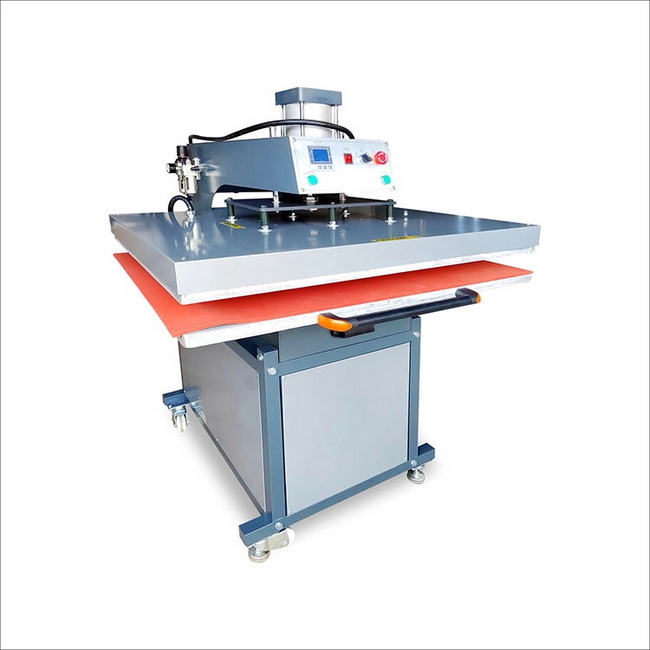
You need a high‑pressure, accurately calibrated heat press with even heat distribution and manual pressure adjustment to get reliable VersiFlex results. Entry‑level or uneven presses can cause issues such as incomplete transfer, dull color, or premature edge failure.
Not in every case. Traditional sublimation still leads on polyester garments and coated blanks, while VersiFlex expands coverage to light cotton and some uncoated materials. In many shops, the two technologies are complementary rather than direct competitors, and each can be used for the products it handles best.
1. https://www.heatpressnation.com/blogs/blog/is-sawgrass-versiflex-the-ultimate-all-in-one-solution
2. https://www.heatpressnation.com/products/sawgrass-virtuoso-sg1000-versiflex-hybrid-decorating-system
3. https://www.heatpressnation.com/blogs/blog/choosing-the-right-print-method-for-your-business-sublimation-vs-versiflex-vs-white-toner-vs-dtf
4. https://themagictouch.eu/introducing-sawgrass-versiflex-the-future-of-3-in-1-decorating/
5. https://www.coastalbusiness.com/sawgrass


