If you have any questions, please feel free to contact us.| Email Us: info@dcheatpress.com


Views: 222 Author: Amanda Publish Time: 2025-12-24 Origin: Site


Content Menu
● What You'll Learn in This Guide
● What Is a Frosted Glass Sublimation Mason Jar?
● Tools, Materials, and Press Settings
>> Essential Materials and Equipment
>> Recommended Time, Temperature, and Pressure
● Step-by-Step Sublimation Mason Jar Tutorial
>> Step 1 - Design and Print Setup
>> Step 2 - Clean and Prepare the Jar
>> Step 3 - Align and Tape the Transfer
>> Step 4 - Load the Jar into the Heat Press
>> Step 5 - Pressing, Cooling, and Peel
>> Step 6 - Final Assembly and Inspection
● Pro Tips to Avoid Common Issues
>> Prevent Faded and Washed-Out Prints
>> Minimize Ghosting and Blurry Seams
>> Handle Curved Areas and the Handle Zone
● Creative Uses and Business Applications
>> Design Ideas That Suit Frosted Glass
>> Integrating Jars into a Product Line
>> Cleaning and Maintenance Recommendations
>> 1. What time and temperature should I start with for a frosted glass sublimation mason jar?
>> 2. Can I use a tumbler press instead of a mug press?
>> 3. Why does the design look lighter on frosted glass than on ceramic mugs?
>> 4. How can I avoid ghosting on the seam of the jar?
>> 5. Are sublimated frosted glass mason jars dishwasher safe?
Sublimating a SubliCraft frosted glass mason jar is an effective way to produce premium custom drinkware for gifts, merchandise, and small-batch orders. This guide refines the process into clear steps, practical tips, and expert settings so you can achieve professional results with a mug press or tumbler press.
By following this tutorial, you will learn how to choose the right materials, set accurate time, temperature, and pressure, avoid common printing defects, and integrate the process into a small business workflow. The content is organized for both beginners and experienced decorators who want consistent, repeatable outcomes.
A frosted glass sublimation mason jar is a glass jar coated with a sublimation-ready layer that permanently bonds with sublimation ink when exposed to heat and pressure. This coating allows full-color transfers that resist peeling and cracking, unlike surface-level vinyl decals.
These jars commonly range from 12 oz to 17 oz, often including a lid and reusable straw, and are shaped for use with cylindrical mug presses or tumbler presses. The frosted finish creates a soft, matte look, which works especially well for colorful designs and high-contrast graphics.

For reliable results on a frosted glass sublimation mason jar, prepare the following:
- Sublimation-ready frosted glass mason jar in your desired capacity.
- Sublimation printer with compatible sublimation ink.
- Sublimation transfer paper matched to your printer and ink.
- Heat-resistant tape for securing the transfer.
- Mug press or tumbler press with a straight-wall heating element appropriate for the jar diameter.
- Protective accessories such as heat-resistant gloves, blowout paper, and a heat-safe surface.
Each item contributes to consistent transfer quality; mismatched paper, ink, or equipment often leads to color shifts or partial transfers. Using a straight-wall element is especially important to maintain even contact around the curved glass wall.
For many SubliCraft frosted mason jars in a mug press, a reliable starting point is:
- Temperature: approximately 375-385°F (190-196°C).
- Time: about 120-125 seconds.
- Pressure: medium, firm enough for full contact without stressing the glass.
When using a tumbler press, decorators frequently use similar temperatures but press in two cycles, rotating the jar halfway through to balance heat around the full circumference. Always adjust these values according to the specific instructions for the blanks you use and perform test presses before large runs.
Start by preparing your artwork in design software with the document size matched to the printable area of the jar. Keep important elements away from the very top and bottom where the glass begins to curve, as these regions can receive less even pressure. Set the resolution to around 300 DPI and mirror the design so it appears correctly once transferred to the jar.
When printing, select the correct media type, sublimation profile, and a high-quality print mode suitable for detailed graphics. Use the coated side of sublimation paper and make sure colors appear vivid on the printout, even if they will later soften slightly when viewed through the frosted glass.
Remove the lid and straw from the frosted mason jar before any heat process. Wipe the outer surface with a lint-free cloth or alcohol wipe to eliminate dust, fingerprints, and oils that can block sublimation dye from bonding with the coating.
Let the jar dry completely before taping the transfer. Even a small amount of residue or moisture can create tiny white dots or uneven patches in the final print, especially visible on light or gradient backgrounds.
Trim the printed transfer so its edges are straight and close to the artwork, which simplifies alignment on the cylindrical surface. Position the design face-down on the jar, then secure one edge with heat-resistant tape to create a hinge.
Wrap the paper tightly around the jar, press out trapped air along the seam, and tape the opposite edge securely so the paper does not shift. Add tape along the top and bottom edges to maintain full contact, particularly important on frosted glass where minor gaps can show as faded bands.
Preheat the mug press or tumbler press to the selected temperature before inserting the jar. Place a sheet of blowout paper between the transfer and heating element if you want to protect the press from stray ink.
Position the jar so the main design sits in the center of the heating area and keep the handle away from direct heating contact. Adjust the pressure so the press closes firmly but not excessively; over-tightening can risk damaging the glass while under-tightening can cause light spots or uneven lines.
With the jar in place, start the timer and press for the chosen time and temperature, maintaining steady pressure throughout the cycle. Avoid opening the press mid-cycle, as changes in contact or temperature can cause banding or partial transfers.
When the cycle ends, carefully open the press using heat-resistant gloves and place the jar on a heat-safe surface to cool for a short period. Once the glass is cooler but still warm, remove the tape and peel the paper in a smooth motion to reveal the transferred design.
After the jar has cooled to a safe handling temperature, reinstall the lid and straw. Inspect the print closely for signs of ghosting, faded edges, or gaps around the seam that may indicate pressure or alignment issues.
Note any imperfections so you can adjust settings or taping technique for the next batch. Taking clear photos of successful results also helps document your optimal process and supports marketing or portfolio use.
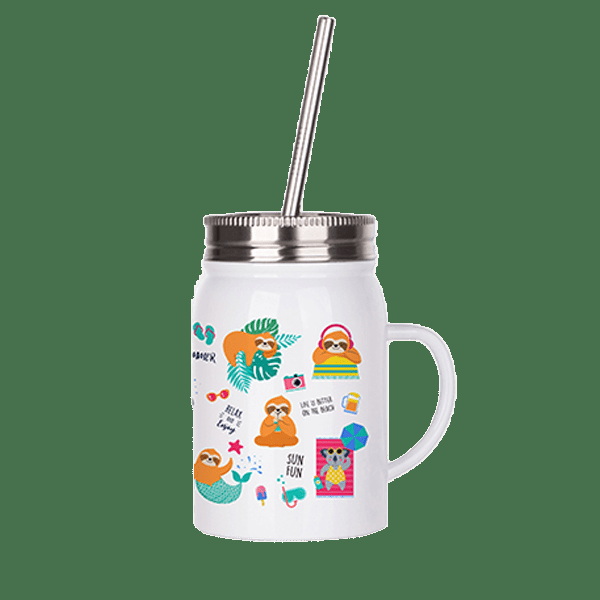
If colors appear weak or dull, check that you are using sufficient time and temperature within the recommended range for your specific jar. Often, slight increases in dwell time or pressure can significantly deepen color saturation on frosted surfaces.
Also confirm you are printing with high-quality sublimation ink and the correct paper side, as incorrect combinations can reduce color density. Intentionally vibrant designs with strong contrast tend to show better through the frosted coating than very subtle tones.
Ghosting commonly arises from transfer movement during pressing or while lifting the hot jar out of the press. Wrapping the paper tightly, using multiple strips of tape, and pushing out air along the seam all help keep the transfer firmly in place.
Avoid sliding the paper across the surface during removal; instead, peel it in one smooth motion once the jar has partially cooled. Consistent seam placement and firm tape at the overlap edge also reduce the risk of ghosted outlines.
The region near the handle and the jar's top and bottom curves can be more challenging to press evenly. Try to keep critical text and fine details away from these higher-risk zones, concentrating them in the flatter central band of the jar.
When setting up your press, position the main design directly in the most consistent heat area of the element, with the handle centered away from contact. This alignment helps avoid uneven heating and patchy color around the handle side.
Frosted glass complements designs that emphasize color blocks, silhouettes, and bold typography, as the matte look softens transitions and highlights strong shapes. Seasonal themes, outdoor motifs, and retro-style artwork often work particularly well on this type of surface.
You can build themed series by producing matching sets, such as drinkware for camping, holidays, or events. Coordinated collections increase perceived value and make it easier to upsell sets rather than individual pieces.
For small businesses, frosted mason jars fit naturally alongside tumblers, mugs, and other sublimation drinkware. Offering them as premium or limited-edition items can help differentiate your catalog and justify slightly higher pricing.
Pairing these jars with custom packaging, coasters, and reusable straws creates bundled products that appeal to gifting and event markets. Highlighting process photos or short videos that show the sublimation workflow also builds trust with potential buyers.
Glass retains heat, so always wear heat-resistant gloves when removing jars from the press and moving them to a cooling surface. Keep the work area clear of obstacles and ensure that children or bystanders cannot accidentally touch hot equipment.
Inspect each blank for chips or cracks before pressing; compromised glass can pose a safety risk when subjected to heat and pressure. Using a stable, level press also reduces the chance of jars slipping or tipping during operation.
To protect both the frosted coating and the sublimated design, hand washing with mild detergent and a non-abrasive cloth is usually recommended. Avoid harsh scrubbers or aggressive chemicals that could dull the finish over time.
If the blank manufacturer allows dishwasher use, they typically specify top-rack placement, but hand washing still tends to provide the best long-term appearance. Clear care instructions included with each jar can reduce complaints and extend product life in customer hands.
If you are ready to produce reliable, high-quality frosted glass sublimation mason jars on a consistent basis, this is the ideal moment to upgrade your production setup. Review your current equipment, identify where better temperature stability, pressure control, or workflow efficiency is needed, and invest in professional heat transfer solutions that match your growth plans.
By combining the techniques in this guide with robust, production-ready machinery, you can turn custom frosted mason jars into a profitable, repeatable offering for your brand or business. Take the next step now by planning your equipment roadmap, standardizing your settings, and building a product line that reflects the quality you want your customers to remember.
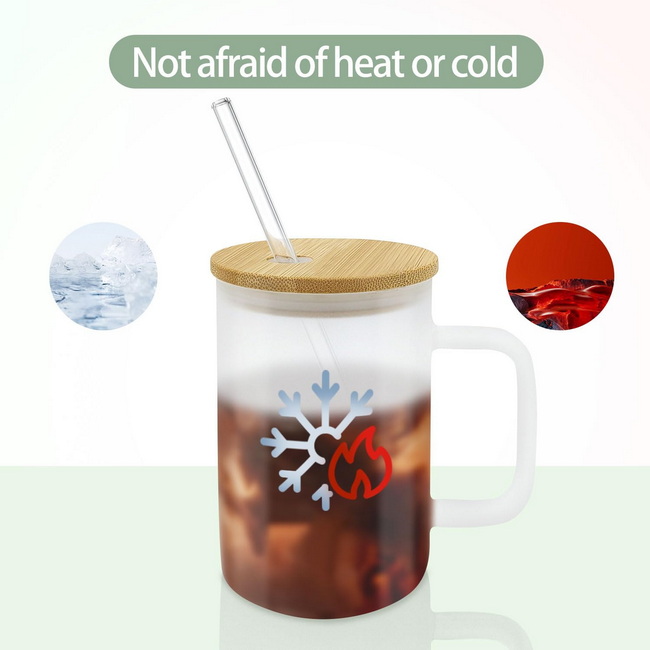
A common starting point for many frosted glass sublimation mason jars is around 375-385°F for approximately 120-125 seconds with medium pressure in a mug press. Always confirm the latest recommendations for the specific blanks you are using and perform test presses to fine-tune results.
Yes, many users successfully press frosted mason jars in a tumbler press at similar temperatures, often using two pressing cycles and rotating the jar 180 degrees between cycles for even coverage. The key is to set the diameter adjustment so the element maintains consistent contact without squeezing the glass too tightly.
Frosted glass naturally diffuses light and slightly mutes colors, so designs can appear softer compared to the same artwork on glossy ceramic. Using more saturated colors, ensuring correct pressure, and verifying that time and temperature are adequate all help produce richer results.
To reduce ghosting, wrap the transfer tightly, remove air along the seam, and secure the overlap with several pieces of heat-resistant tape. Do not allow the paper to slide while the jar is hot; instead, peel it off in a controlled motion after a short cooling period.
Dishwasher safety depends on the specific blank, but many suppliers recommend hand washing to preserve the frosted coating and sublimation print. When dishwasher use is allowed, it is generally limited to the top rack, and clear care instructions should be communicated to customers.


