If you have any questions, please feel free to contact us.| Email Us: info@dcheatpress.com


Views: 222 Author: Amanda Publish Time: 2026-01-01 Origin: Site


Content Menu
● What Is Tumbler Customization?
● Essential Tools and Materials
● Method 1: Sublimation Tumblers
● Method 4: Rhinestone Tumblers
● Method 5: Laser-Engraved Tumblers
● Method 6: Hydro-Dipped Tumblers
● Method 7: 3D Tumbler Toppers
● Method 8: Etched Tumblers with Paint Stripper
● Method 11: Waterslide Decals
● Method 12: Hand-Painted and Sculpted Tumblers
● How to Choose the Right Tumbler Method
● Practical Safety and Quality Tips
● Business Tips for Selling Custom Tumblers
● Combining Methods for Advanced Designs
● Action Steps: Start Your First Custom Tumbler
● Take Your Tumbler Projects to the Next Level
>> 1. Which tumbler customization method is best for beginners?
>> 2. How long does epoxy need to cure on a tumbler?
>> 3. Can custom tumblers be put in the dishwasher?
>> 4. Is a special printer required for sublimation tumblers?
>> 5. Are UV DTF and waterslide decals the same?
Custom tumblers have become one of the most profitable and versatile DIY products for gifts, small businesses, and branding projects. This guide walks through beginner-friendly and advanced methods to customize tumblers, plus pro tips to help you choose the right technique for your design and budget.
Tumbler customization is the process of adding personalized designs, colors, textures, and finishes to blank cups using techniques like sublimation, epoxy, vinyl, engraving, and decals. Crafters and small businesses use these methods to create one-of-a-kind drinkware for retail, corporate gifts, and personal use.
Well-designed custom tumblers can:
- Increase brand visibility for small businesses.
- Command higher prices when combined with premium finishes like glitter, rhinestones, or engraving.
Before choosing a method, it helps to understand the core tools used across most tumbler projects.
Key tools:
- Heat press or sublimation oven for sublimation wraps and transfers.
- Craft cutting machines (Cricut, Silhouette) for vinyl stencils and decals.
- Two-part epoxy resin, mixing cups, and a tumbler turner for smooth, glossy finishes.
- Laser engraver or etching setup for permanent designs on metal tumblers.
Core consumables:
- Sublimation paper and ink.
- Glitter in multiple cuts, from ultra-fine to chunky.
- Vinyl sheets (permanent, printable, or holographic).
- UV DTF or waterslide decal sheets.
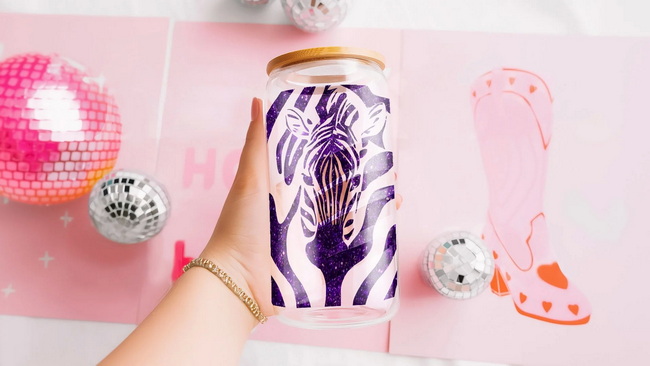
Sublimation tumblers are coated with a special polymer surface that accepts sublimation ink and permanently bonds the design into the cup. The result looks like a full-color print that will not peel, crack, or fade under normal use.
Basic workflow:
1. Design your artwork and size it to fit the tumbler template.
2. Print using a sublimation printer, sublimation ink, and sublimation paper.
3. Wrap and tape the design tightly around the tumbler to avoid air gaps.
4. Press in a tumbler heat press or sublimation oven at the recommended time and temperature.
5. Remove the wrap while warm and allow the tumbler to cool.
Why crafters like sublimation:
- Seamless full-wrap designs, gradients, and photos.
- High production speed once designs are prepared, ideal for business orders.
Epoxy tumblers use a clear two-part resin that cures into a hard, glass-like coating over paint, glitter, decals, or other decorations. This method is popular for high-gloss custom cups that feel premium and durable.
Core steps:
1. Prep and sand the tumbler, then clean with rubbing alcohol.
2. Apply base paint if needed for color coverage.
3. Mix epoxy according to the manufacturer's instructions and apply a thin, even coat while the tumbler spins on a turner.
4. Add glitter, inks, or decals, then seal with additional epoxy layers.
5. Lightly sand between coats if needed for a perfectly smooth surface.
Best use cases:
- High-end gifts, wedding tumblers, and limited-edition designs.
- Combining multiple techniques, such as vinyl, alcohol inks, and waterslide decals under epoxy.
Glitter tumblers are technically a type of epoxy tumbler, but they are popular enough to deserve their own spotlight. In this style, glitter provides the main visual impact, and epoxy seals it in for a smooth finish.
How to glitter a tumbler:
1. Prime the tumbler in a color close to your glitter shade.
2. Apply adhesive (such as Mod Podge or a very thin epoxy layer).
3. Sprinkle glitter evenly while rotating the tumbler.
4. Let it dry, then seal with clear spray or epoxy.
5. Add decals or rhinestones and finish with final epoxy coats.
Expert tips:
- Use extra-fine glitter or mix sizes for smoother coverage and depth.
- Apply multiple thin glitter layers instead of one thick coat to avoid clumps.
Rhinestone tumblers are covered with individually placed stones to create a fully “blinged-out” surface. This method is time-intensive but creates a highly eye-catching finish.
Key points:
- Use strong, clear-drying rhinestone adhesive designed for hard surfaces.
- Work in small sections to prevent glue from drying before stones are placed.
- Choose stone sizes based on coverage, using larger stones for faster coverage and smaller ones for detailed patterns.
Ideal for:
- Statement pieces, luxury gifts, and niche styles where customers want maximum sparkle.
Laser engraving uses a laser beam to remove coating or mark metal, revealing a contrasting design that is permanent and scratch-resistant. Engraving works especially well on stainless steel or powder-coated tumblers.
Basic engraving flow:
1. Secure the tumbler in a rotary or fixture compatible with your laser.
2. Import your design into the laser software and size it to the tumbler.
3. Set material and power settings for coated metal or stainless.
4. Run a test and then engrave the final design.
Benefits:
- Ultra-durable personalization that will not peel, even with daily use.
- Professional look for corporate branding, awards, and outdoor applications.
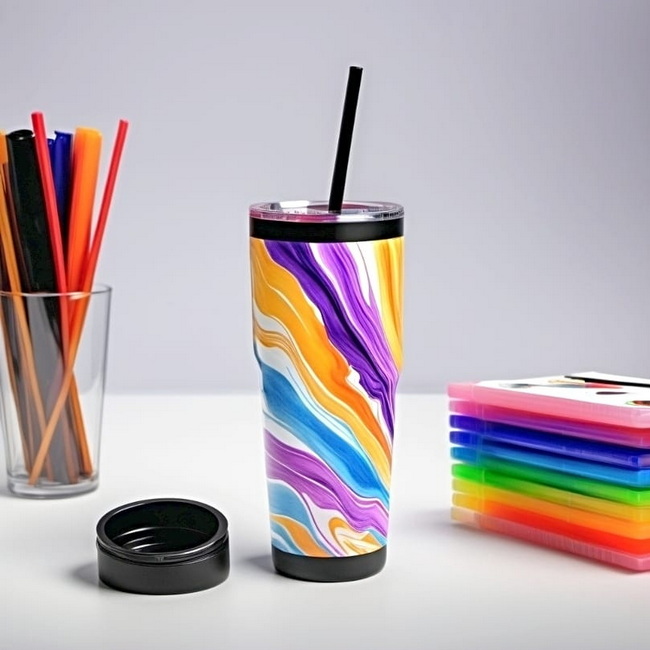
Hydro dipping uses floating paints on water to create organic, marbled effects that are nearly impossible to repeat exactly. Each tumbler comes out with a unique swirl pattern.
Typical steps:
1. Prime or choose a light-colored powder-coated tumbler.
2. Drop hydro-dip or marbling paints onto water and swirl to create a pattern.
3. Dip the tumbler through the paint layer to transfer the design.
4. Rinse off excess and let dry, then seal with epoxy or clear coat.
Best for:
- One-of-a-kind designs, psychedelic patterns, and bold color mixes.
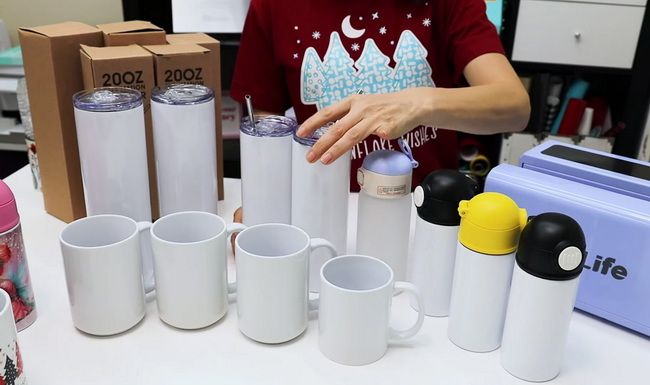
Instead of decorating the tumbler body, 3D toppers focus on the lid with faux whipped cream, ice, fruits, and themed miniatures. These toppers are often built with UV resin and lightweight decorative pieces.
Key elements:
- UV resin for quick curing and strong adhesion.
- Faux ice, clay charms, or resin pieces for dimension.
- Optional glitter or pigment powders to add depth and shine.
Practical tip:
- Keep the drinking path clear and ensure the lid can still be used safely and cleaned.
This method imitates laser etching on powder-coated tumblers using vinyl stencils and a paint stripper. It will not be as precise as a laser, but it is more accessible for beginners and lower budgets.
Process overview:
1. Cut and apply a vinyl stencil design to the tumbler.
2. Mask surrounding areas with painter's tape.
3. Apply a compatible paint stripper over the exposed areas.
4. Wait for the coating to lift, then clean and remove the stencil to reveal the design.
When to use:
- Budget-friendly alternative to a laser for simple text, logos, or shapes.
Vinyl decals are one of the fastest ways to personalize tumblers with names, quotes, or simple graphics. Permanent adhesive vinyl adheres well to stainless steel, acrylic, and coated surfaces.
How it works:
1. Cut your design from adhesive vinyl using a craft cutter.
2. Weed out excess vinyl and use transfer tape to carry the design.
3. Apply to a clean tumbler surface and burnish firmly.
4. Optionally seal with epoxy for extra durability.
Advantages:
- Low-cost entry point, ideal for beginners and personalization at events.
- Easy to combine with glitter, paint, or sublimation backgrounds.
UV DTF (direct-to-film) decals are pre-printed adhesive transfers designed for hard surfaces like glass and metal. They feel close to a printed design but require no special printer at home if you buy pre-made sheets.
Key characteristics:
- Extremely strong adhesion, similar to a permanent label.
- Fine detail and full color for complex art.
- Often used on glass cans and smooth tumblers.
Best use:
- Fast production runs where you need detailed full-color graphics without a sublimation printer.
Waterslide decals use a special paper that releases the printed film in water and allows it to slide onto the tumbler. This method works with standard inkjet printers when combined with a clear sealer.
Basic steps:
1. Print your design on waterslide paper and let it dry.
2. Seal with a clear acrylic spray to prevent ink running.
3. Cut around the design, soak in water, then slide it onto the tumbler.
4. Smooth out bubbles and let it dry, then optionally seal with epoxy.
Great for:
- Detailed illustrations, photos, or layered designs over painted or glitter bases.
Hand-painted and clay-sculpted tumblers add artisanal character and can command higher prices due to the time and skill involved. These styles are often favored by artists selling limited editions.
Ideas:
- Acrylic hand-painted scenes, characters, or abstract art sealed with clear coat or epoxy.
- Polymer-clay or sculpted resin details built around the tumbler for 3D landscapes or characters.
Positioning:
- Market as collectible art pieces with clear care instructions and limited runs.
With many options available, beginners often struggle to pick the best technique for a first project. The guide below offers a quick decision helper.
Goal / Scenario | Recommended Method(s) | Why it works |
Fast personalization with names | Vinyl decals, UV DTF | Low setup, quick application. |
Full-color wrap with photos | Sublimation, UV DTF | Seamless and vibrant prints. |
Premium glossy “glass-like” finish | Epoxy, glitter epoxy | High-end look and feel. |
Ultra-durable corporate branding | Laser engraving, etching | Will not peel or scratch. |
One-of-a-kind artistic pieces | Hydro dip, hand-painted, sculpted | Organic and unique results. |
For crafters building a small business, starting with sublimation or vinyl offers a good balance between speed, cost, and scalability. Epoxy and rhinestones can then be added for premium upsell products.
Working with heat, chemicals, and resins requires basic safety practices to keep projects and workspaces safe. Good technique also improves finish quality and reduces wasted blanks.
Safety essentials:
- Always work with epoxy and paint in a well-ventilated area and wear gloves.
- Follow manufacturer guidelines for heat presses and ovens to avoid overheating or warping tumblers.
Quality control tips:
- Keep a “test” tumbler for checking new settings or products before full production.
- Document your time, temperature, and pressure settings for consistent results on future batches.
Custom tumblers are a strong product line for crafters who want to monetize their skills. Focusing on niche designs and reliable quality helps small shops stand out.
Business recommendations:
- Use niche themes, such as sports teams, professions, hobbies, or local pride, instead of only generic patterns.
- Offer tiered pricing: basic vinyl or sublimation for entry level, epoxy and rhinestones as premium upgrades.
Customer experience:
- Share clear care instructions, such as avoiding dishwashers and using gentle hand-washing, to preserve the finish and reduce returns.
- Showcase customer photos and reviews to build trust and demonstrate real-world use.
Many of the strongest designs combine two or more techniques on the same tumbler. Layering methods allows crafters to create complex looks that are difficult for competitors to copy.
Popular combinations:
- Glitter + vinyl + epoxy: glitter base, vinyl name or logo, sealed in epoxy.
- Sublimation base with rhinestone accents around logos or text.
- Laser-engraved pattern with UV DTF or waterslide accents on unengraved areas.
When combining methods, always plan the order of application, starting with paint or sublimation, then decals and rhinestones, and finally epoxy or sealer. This prevents damage to existing layers and keeps the final surface smooth and durable.
To move from ideas to actual results, the following simple path can help structure a first project.
1. Pick your base method
- Beginners can start with sublimation, vinyl decals, or basic glitter epoxy.
2. Prepare your workspace
- Set up ventilation, tools, and a stable area for curing or cooling.
3. Practice on 1–2 test tumblers
- Record what works, such as designs, settings, and timing.
4. Refine and scale
- Once the process feels comfortable, standardize it for gifts, events, or small-batch sales.
For makers already comfortable with one technique, the next level is to experiment with combination designs and limited edition releases to increase perceived value.
Custom tumblers offer a powerful way to express creativity, build a brand, and create products that customers truly value. To get the best results, choose one core method, master the basics, and then upgrade your designs by combining techniques, refining your workflow, and standardizing your quality. If you are ready to improve speed, consistency, and results for sublimation and heat-based projects, explore professional-grade heat transfer equipment and presses that match your production needs, and start turning your tumbler ideas into polished, profitable products today.
For most beginners, sublimation or vinyl decals are easy starting points because they are more forgiving and require fewer finishing steps than epoxy.
Cure times depend on the brand, but many crafting epoxies require several hours for handling and up to 72 hours for a full cure before heavy use or washing.
Sublimation-only designs are often more heat-resistant, but epoxy, vinyl, glitter, and rhinestone tumblers should be gently hand-washed to preserve the finish as long as possible.
Sublimation requires a dedicated sublimation printer with sublimation ink and compatible paper, along with specially coated sublimation tumblers.
They are different. UV DTF uses pre-printed adhesive transfers designed for hard surfaces, while waterslide decals rely on water-activated film and typically require sealing and sometimes epoxy.


