If you have any questions, please feel free to contact us.| Email Us: info@dcheatpress.com


Views: 222 Author: Amanda Publish Time: 2025-12-31 Origin: Site


Content Menu
● What Is a Sublimation Tumbler?
● Are Sublimation Tumblers Dishwasher Safe?
● Basic Daily Cleaning (Hand Wash Routine)
● Deep Cleaning for Stains and Odors
>> Weekly or As‑Needed Deep Clean
● Preparing a New Tumbler Before First Use
>> Before Sublimation Printing
● How Cleaning Affects Design and Insulation
>> Long‑Term Performance and Appearance
>> Recommended Cleaning Frequency
● Recommended Tools and Cleaning Products
● Special Tips for Different Drinks
● When to Replace a Sublimation Tumbler
>> Signs It Is Time to Replace
● Clear Care Instructions You Can Provide to Customers
>> Sample Care Card (Adaptable Template)
● Protect Every Tumbler You Use and Sell
● FAQs About Cleaning Sublimation Tumblers
>> 1. Can sublimation tumblers go in the dishwasher?
>> 2. What is the safest way to clean the printed design area?
>> 3. How do I remove coffee stains from the inside?
>> 4. Why does my tumbler still smell after washing?
>> 5. Is bleach safe to use on sublimation tumblers?
Keeping sublimation tumblers clean while protecting their prints depends on gentle hand washing, suitable cleaning products, and avoiding excess heat or harsh chemicals. This approach preserves color vibrancy and helps maintain the stainless steel body and insulation performance for long‑term use.
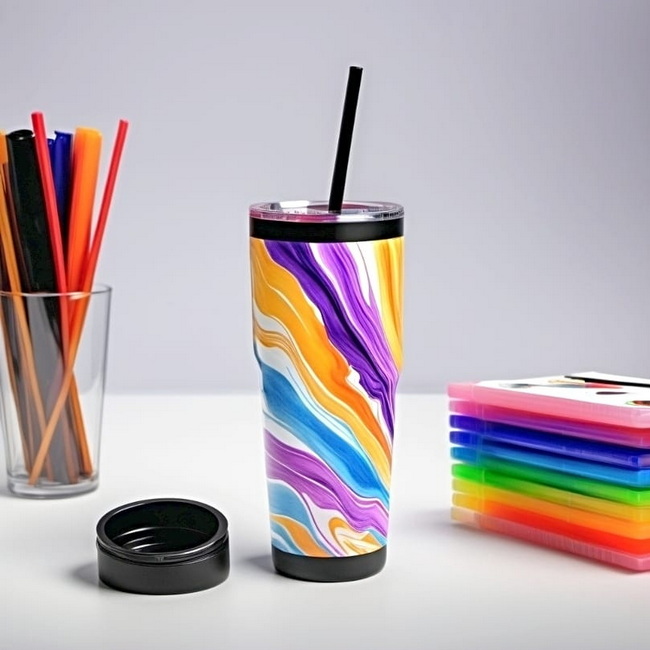
A sublimation tumbler is an insulated cup, usually stainless steel, coated with a special polymer layer that bonds permanently with sublimation ink under heat and pressure. This coating allows vivid, full‑color designs that do not peel like vinyl, but the surface can still be damaged by improper cleaning and abrasion.
- Most models feature a double‑wall, vacuum‑insulated stainless steel structure with BPA‑free lids and reusable straws.
- The design is embedded into the coating rather than sitting on top, so strong chemicals or rough tools can still dull, scratch, or cloud the finish over time.
In most cases, dishwashers are not recommended for sublimation tumblers, even when some are advertised as “top‑rack safe.” High‑heat cycles and aggressive detergents can gradually fade prints, weaken the coating, and compromise the vacuum seal.
- Repeated dishwasher use can cause color fading, micro‑cracking around edges, or a cloudy appearance on the printed surface.
- Excessive heat exposure may reduce insulation efficiency, so drinks do not stay hot or cold for as long as intended.
Best practice: Treat sublimation tumblers as hand‑wash only, unless specific testing and labeling confirm dishwasher safety and you are willing to accept faster cosmetic wear.
Daily cleaning should be fast, simple, and gentle to protect the design while keeping the tumbler hygienic.
1. Rinse immediately after use
Rinse the tumbler with warm water as soon as possible after finishing your drink to prevent residue, stains, and odors from setting inside.
2. Add mild dish soap
Use a small amount of mild, non‑abrasive dish soap with warm (not boiling) water. Avoid chlorine, bleach, or aggressive degreasers that can dull the coating.
3. Use a soft sponge or cloth
Clean the inside and outside with a soft sponge, soft cloth, or a bottle brush with gentle bristles. Do not use steel wool, magic erasers, or scouring pads on the printed surface.
4. Clean the lid, gasket, and straw
Remove the lid, silicone gasket, and straw, then wash each piece separately with warm soapy water. A narrow straw brush is ideal for internal straw cleaning and vent channels.
5. Rinse thoroughly
Rinse the tumbler and accessories in clean water until no soap film remains, paying attention to threads, gasket grooves, and drinking edges.
6. Dry completely
Dry all parts with a soft towel, or air‑dry upside down on a rack with the lid removed. Proper drying reduces the risk of trapped moisture, mold, or lingering odors.
Even with regular washing, coffee, tea, and flavored drinks can leave stains or odors inside the tumbler over time.
1. Treat stains with baking soda paste
- Sprinkle a small amount of baking soda into the tumbler.
- Add just enough warm water to form a light paste and gently scrub the inside with a soft bottle brush. This helps lift brown rings and light staining.
2. Use a short vinegar deodorizing soak
- For persistent odors, fill the tumbler about halfway with warm water and add one to two tablespoons of white vinegar.
- Let it sit for 10–15 minutes, then rinse thoroughly to remove any remaining smell.
3. Deep‑clean lid and gasket
- Soak the lid, gasket, and straw in warm, soapy water with a small amount of baking soda for 15–20 minutes.
- Scrub gently with a soft brush and rinse well to remove trapped residue around seals and vents.
4. Final rinse and complete drying
- Rinse all parts with clean water and dry fully before reassembly.
- Ensure the gasket is completely dry before putting it back in place to reduce moisture buildup.
Avoid long‑term soaking of the exterior print in vinegar or strong solutions; keep deeper cleaning products mostly inside the cup to minimize risk to the coating.
Avoiding specific mistakes helps protect both the sublimation coating and the vacuum structure.
- Do not put non‑certified tumblers in a dishwasher, especially on high‑heat or sanitize cycles.
- Do not soak the tumbler for many hours or overnight in very hot water, as water and heat can stress seams and coatings.
- Do not use steel wool, scouring pads, gritty powders, or sharp tools on the printed surface.
- Do not clean with bleach, oven cleaner, or strong solvents that can discolor stainless steel and weaken the polymer coating.
- Do not boil the tumbler, place it on a stovetop, or expose it to open flame or direct heating elements.
New tumblers may contain dust, oils, or factory residue that should be removed before drinking from them or before applying a sublimation print.
- Wash the tumbler, lid, gasket, and straw with warm water and mild dish soap.
- Rinse thoroughly and dry with a soft towel or air‑dry before filling with any beverage.
1. Inspect the surface for dents, chips, or visible coating flaws.
2. Wash the exterior with warm soapy water, rinse, and dry completely.
3. Wipe the surface with a lint‑free cloth lightly dampened with isopropyl alcohol to remove invisible oils.
4. Run a lint roller over the exterior to pick up dust and loose fibers before taping your design.
Cleaning habits have a direct impact on how long the tumbler's print stays bright and how well it holds temperature.
- Gentle hand washing generally helps maintain vibrant colors and a glossy finish for a long service life.
- Avoiding dishwashers and extreme heat reduces stress on both the coating and the vacuum seal, helping the tumbler retain heat and cold more effectively.
Consistent, careful cleaning minimizes scratches, cloudiness, and seal failures, improving everyday use and customer satisfaction.
How frequently to clean depends on what you put in the tumbler and how often you use it.
- After each use: Quick rinse and full wash with mild soap, especially for coffee, tea, dairy, and sugary drinks.
- Weekly: Deeper interior cleaning with baking soda or a short vinegar soak for regular users.
- After long storage: Rewash before drinking if a tumbler has sat unused for weeks or months.
The right tools make cleaning more effective while protecting the coating and print.
Item | Purpose and Benefit |
Soft sponge or cloth | Gently cleans exterior and interior without scratching the design. |
Soft bottle brush | Reaches the bottom and corners of tall, narrow tumblers. |
Straw cleaning brush | Cleans inside reusable straws and tight lid channels. |
Mild dish soap | Removes oils, flavors, and residue without harming the coating. |
Baking soda | Gentle abrasive and deodorizer for interior stains and lingering smells. |
White vinegar | Helps neutralize odors when used in short soaks and rinsed thoroughly. |
Isopropyl alcohol (91%) | Prepares exterior surfaces before sublimation by removing oils and residue. |
Some beverages require extra attention to keep both the tumbler and its smell under control.
- Coffee and tea
Rinse promptly after drinking and use baking soda deep cleaning regularly to prevent dark rings and flavor buildup.
- Carbonated drinks
Clean the lid, gasket, and straw carefully to remove sticky residue that can affect seals and vents.
- Dairy, smoothies, and protein shakes
Do not leave these drinks sitting for long periods; wash as soon as possible to avoid strong odors and bacterial growth.
- Colored juices and sports drinks
Rinse quickly after use to reduce staining and sugar film on the interior surface.
Even with great care, there will be a point when replacement is safer and more practical than continued use.
- Drinks no longer stay cold or hot for long, indicating a weakened vacuum seal.
- Deep dents, cracks, or structural damage affecting the inner wall or stability.
- Severe rust, pitting, or flaking on interior stainless surfaces.
- Extensive coating damage or large areas of peeling that make cleaning difficult or unhygienic.
If you sell custom sublimation tumblers, clear, concise care instructions help reduce complaints and returns.
You can adapt the following style of care card text for packaging inserts, product pages, or after‑sale emails:
- Hand wash only with mild dish soap and warm water.
- Do not soak for long periods; avoid bleach and abrasive scrubbers.
- Not recommended for dishwashers or microwaves; avoid exposure to extreme heat.
- Clean lid, gasket, and straw separately and allow all parts to dry fully before reassembly.
Consider adding this as a printable mini‑card graphic or downloadable PDF so customers can easily keep or reprint it.
If you want every sublimation tumbler to keep its color, shine, and performance as long as possible, now is the time to refine your cleaning and care routine. Use gentle, consistent hand washing, the right tools, and clear care instructions for yourself and your customers. Then, review your current tumblers and workflows, update your cleaning steps where needed, and create or print easy‑to‑follow care cards so every tumbler you use or sell stays in great condition for the longest possible time.
Some products are labeled as top‑rack dishwasher safe, but regular dishwasher use still increases the risk of print fading and seal damage. For best long‑term results, treat sublimation tumblers as hand‑wash only.
The safest method is to use warm water, a small amount of mild dish soap, and a soft sponge or cloth, applying light pressure and avoiding abrasive pads or harsh chemical cleaners.
Create a light paste with baking soda and warm water, gently scrub the interior with a bottle brush, and rinse thoroughly. Repeat as needed for stubborn stains and then allow the tumbler to dry completely.
Lingering odors often come from residue trapped around the lid, gasket, or straw. Deep clean these components separately and use a short vinegar‑and‑water deodorizing soak inside the tumbler before rinsing thoroughly.
Bleach and chlorine‑based cleaners are not recommended because they can damage stainless steel surfaces and the polymer coating. Mild dish soap, baking soda, and short vinegar soaks are safer options.


