If you have any questions, please feel free to contact us.| Email Us: info@dcheatpress.com


Views: 222 Author: Amanda Publish Time: 2025-12-22 Origin: Site


Content Menu
● Main Factors That Influence Your Heat Press Choice
>> Your Product Mix and Printing Methods
>> Your Daily and Weekly Production Volume
● Understanding the Main Types of Heat Press Machines
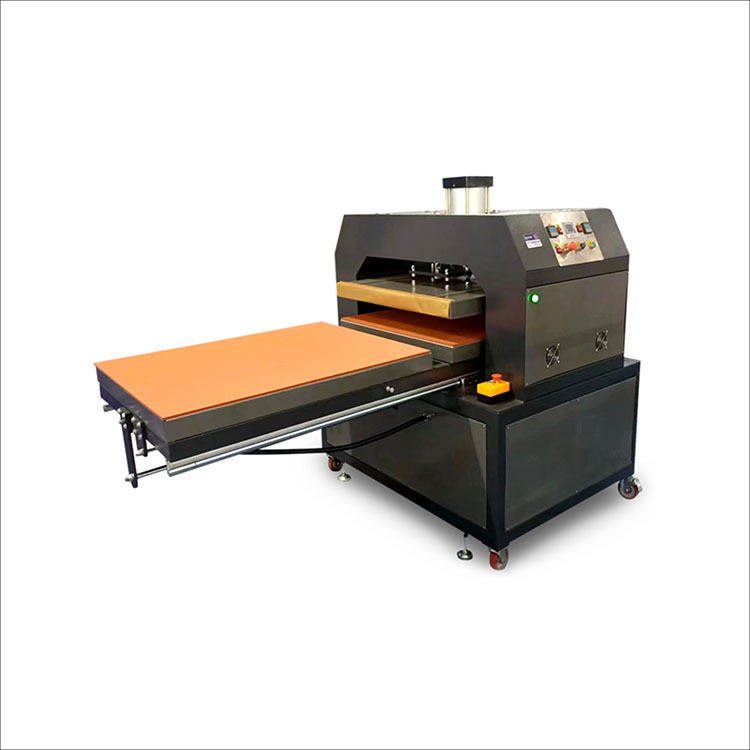
>> Drawer or Slide-Out Heat Press
>> Automatic and Pneumatic Heat Press
● Comparing Key Heat Press Types
● Choosing the Right Platen Size for T-Shirt Printing
>> When Interchangeable Platens Make Sense
● Heat Distribution, Temperature Control, and Reliability
● Pressure System and Adjustability
● Features That Improve Productivity and User Experience
>> Essential Features for a T-Shirt Business
>> Helpful Extras for Higher Throughput
● Build Quality, Warranty, and Long-Term Value
● Budget Planning and Total Cost of Ownership
● Step-by-Step Framework for Choosing a Heat Press
● Upgrade or Expand Your Production
● FAQ: Heat Press Machines for Custom T-Shirt Businesses
>> 1. What size heat press is best for a T-shirt business?
>> 2. Is a clamshell press good enough for serious production?
>> 3. When should I consider an automatic or pneumatic heat press?
>> 4. How do I know if a heat press has good heat distribution?
>> 5. Can one press handle T-shirts, hoodies, and bags?
Selecting the right heat press machine is one of the most important decisions for any custom T-shirt business because it directly affects print quality, production speed, and long-term profitability. A well-matched press helps you reduce misprints, handle more orders, and deliver consistent results across different garments and materials.[1][2]
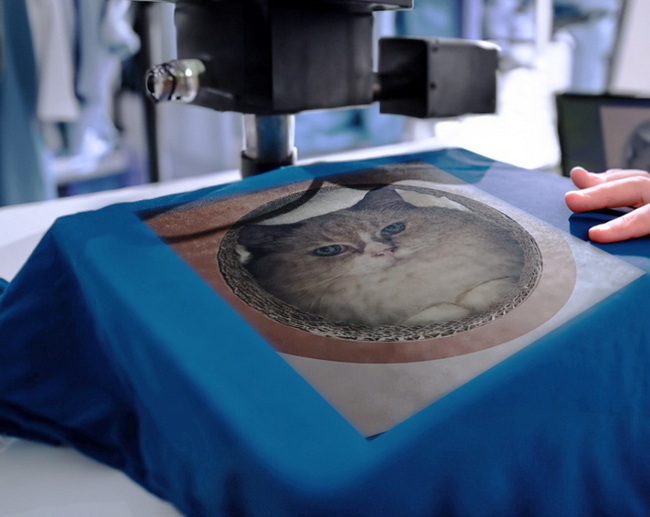
This guide is written for custom apparel entrepreneurs who want a clear, practical framework for choosing or upgrading a professional heat press. It is especially useful for small studios and growing brands that are moving from hobby-level equipment to more reliable, production-ready machines.[2][1]
Understanding your business model and production needs will narrow down your options much faster than simply browsing catalogs. By clarifying products, volume, and workspace, you can focus on machines that truly support your growth instead of buying on price alone.[3][2]
The types of products and printing methods you use will shape which press designs and features are necessary.[2]
- If you mainly produce short-run cotton T-shirts, a standard flat press with a medium platen size is usually enough.[3]
- If you mix hoodies, tote bags, sportswear, and special transfers such as DTF, HTV, and sublimation, you benefit from more precise pressure control and flexible platen options.[2]
Thinking ahead about future product lines helps you pick a press that will not limit your catalog later.[2]
Your average order volume determines whether a basic manual press is sufficient or whether a semi-automatic or automatic system makes more sense.[2]
- Very low volumes can be managed with a compact manual press, even in a tight home studio.[2]
- As your shop moves toward dozens or hundreds of shirts per day, better ergonomics, automation, and consistent pressure become crucial for operator comfort and quality control.[4]
Matching press capability to real production volume reduces both overtime and machine downtime.[3]
Different heat press types suit different workflows, workspaces, and safety requirements. Knowing their strengths and limits helps you avoid expensive trial and error.[5][6]
A clamshell heat press has a top platen that opens and closes on a rear hinge, similar to a clam.[5]
- It is compact and easy to place, which makes it popular for home studios and small shops with limited space.[5]
- It is usually more affordable than more complex designs, but can be less comfortable when working with thick garments, and the hot platen stays close to the loading area.[6]
This design is common for entry-level T-shirt operations that prioritize simplicity and footprint.[3]
A swing-away or swing-arm press moves the top platen completely away from the lower platen during loading.[5]
- The clear loading area makes it easier to position garments and reduces the risk of accidental contact with the heated platen.[5]
- It generally offers very even pressure across the entire platen, which is ideal for thick items like hoodies or multi-layer prints.[6]
The trade-off is the need for extra side or front clearance to swing the platen, which must be considered in your layout.[5]
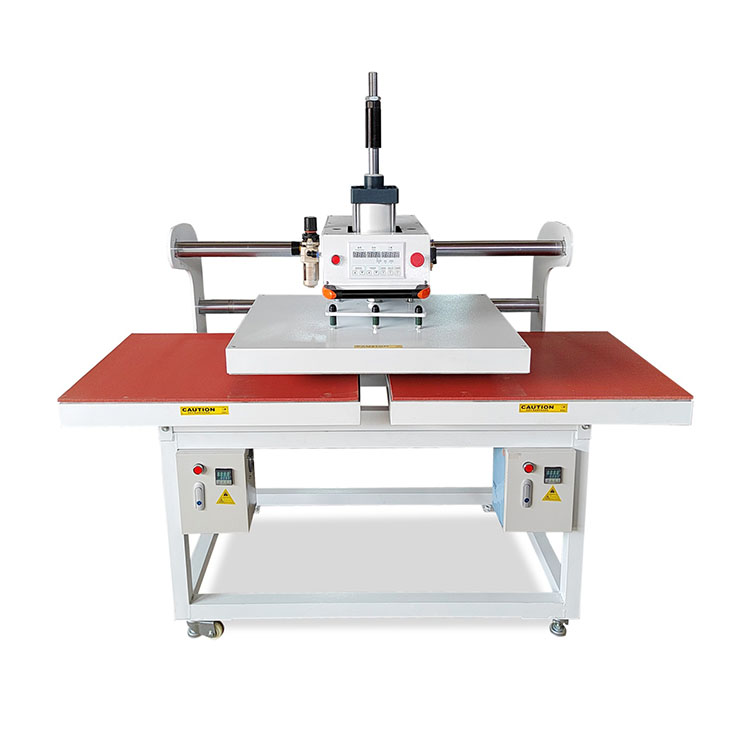
Drawer presses combine either a clamshell or swing-away top with a slide-out lower platen.[7]
- Pulling the platen toward the operator allows more comfortable garment loading and better visibility when aligning designs.[7]
- Keeping hands farther from the hot platen can improve safety and reduce fatigue during long pressing sessions.[8]
This style suits shops that want higher throughput and safer handling without moving directly to a fully automatic system.[8]
Automatic and pneumatic presses use mechanical or air-powered systems to close, open, and maintain pressure with minimal manual effort.[2]
- They offer highly repeatable time, temperature, and pressure, which is important when you run the same transfer recipes all day.[4]
- They reduce operator strain in high-volume environments, though they require a higher investment and sometimes an air compressor.[2]
These machines are widely preferred in commercial shops where consistency and throughput are more critical than the lowest purchase price.[3]
Heat press type | Space needed | Pressure quality | Typical cost level | Best suited usage |
Clamshell | Very compact; minimal side clearance. | Good on flat T-shirts; less ideal for very thick items. | Low to medium. | New businesses, home studios, event printing. |
Swing-away | Needs side or front swing zone. | Very even pressure across the platen. | Medium to high. | Mixed garments, precision and safety focused shops. |
Drawer/slide-out | Requires front clearance for the sliding platen. | Same as base press; easier, safer loading. | Medium. | Medium-volume operations seeking ergonomics. |
Automatic/pneumatic | Larger footprint; heavier frame. | Highly consistent and repeatable pressure. | High. | Commercial, high-volume production runs. |
This comparison helps you quickly match your main constraints and goals to a suitable press category.[2]
The size of the heat press platen determines what designs you can press and how efficiently you can handle larger garments. A well-chosen size also reduces repositioning and misalignment issues during busy production times.[9][3]
- Small platens around 9" × 12" or 11" × 15" work for small designs, youth T-shirts, and on-site personalization but are limited for large graphics.[10]
- A 15" × 15" platen is widely seen as a practical minimum for serious T-shirt businesses because it accommodates most standard front and back prints.[3]
- Larger formats such as 16" × 20" allow more freedom for oversized prints, hoodies, and plus-size garments.[11]
When space and budget allow, choosing a larger platen often pays off in versatility and long-term flexibility.[3]
Some presses support interchangeable lower platens for sleeves, youth sizes, or unusual items.[11]
- Swapping platens can give you professional control over placement and tension without buying multiple full machines.[11]
- It is also helpful when you want to add new products like sleeves, labels, or specialty panels to your line.[1]
For growing businesses that plan to diversify, this is an efficient way to expand capabilities progressively.[1]
Reliable heat distribution across the platen is essential for durable and consistent transfers. Inconsistent temperature often leads to peeling designs, color shifts, or partially transferred graphics that fail wash tests.[12][2]
- Higher-quality presses tend to use heavier platens and well-designed heating elements that maintain a stable surface temperature.[2]
- Digital temperature control and a sufficient temperature range help you follow the correct settings for HTV, DTF, and sublimation.[12]
Testing with heat strips or an infrared thermometer can reveal whether the corners and center of the platen are within an acceptable temperature tolerance.[12]
Just like temperature, even and adjustable pressure plays a major role in transfer quality. If pressure is too low or uneven, edges and seams may not bond properly; too high, and delicate fabrics can be damaged.[12][2]
- Well-engineered presses have durable hinges and frames that keep pressure uniform across the entire surface.[5]
- Clear adjustment mechanisms, and in some cases pressure readouts, make it easier to repeat the same settings for recurring jobs.[4]
This is particularly important when switching between thin polyester shirts, thicker hoodies, and items with seams or zippers.[5]
Beyond basic specifications, certain usability features can significantly boost productivity and reduce operator fatigue. Focusing on these details often has more impact on daily operations than small differences in wattage or peak temperature.[3][2]
- Digital time and temperature controls to precisely follow vendor-recommended pressing instructions for each transfer type.[10]
- Stable, easy-to-adjust pressure that allows fast changes between different garment thicknesses.[2]
- Safety-oriented design that keeps hands as far as possible from the hot platen while loading and unloading.[5]
These basics should be considered non-negotiable for any professional or semi-professional setup.[2]
- Auto-open or semi-automatic release reduces the risk of over-pressing and frees the operator to prepare the next shirt during pressing.[4]
- Slide-out drawers or swing-away mechanisms improve ergonomics and visibility when aligning designs, which also helps reduce misprints.[7]
- Memory presets for time and temperature simplify switching between different transfer products during a single shift.[4]
When production scales up, these features help maintain a steady rhythm and consistent quality from shift to shift.[3]
A heat press is a long-term production tool, so build quality and after-sales support matter just as much as specifications. Many decorators find that higher-quality presses give better uptime and fewer issues under constant daily use.[4][2]
- A sturdy frame, solid welds, and heavier platens are indicators that the press is designed for repeated heating and cooling cycles.[2]
- Transparent warranty terms and responsive support give confidence that any technical issues can be resolved without long gaps in production.[4]
Factoring in service quality along with the purchase price provides a more realistic picture of total cost of ownership.[3]
While entry-level presses can get your business started, they may not always be the most economical option in the long run. Downtime, inconsistent results, and frequent replacements can end up costing more than an initial investment in a more robust machine.[12][2]
- Consider not only the purchase price but also the expected lifespan, availability of spare parts, and potential resale value.[4]
- Also include the indirect costs of misprints, rework, and lost orders when the press cannot keep up with peak demand.[3]
Seeing your heat press as a core production asset rather than a disposable tool leads to more sustainable equipment choices.[2]
A structured approach reduces confusion when comparing many models and brands. The following sequence can be used as a checklist during research and purchasing.[2]
1. Define your main products and materials
Focus on the garments and substrates that bring most of your revenue, then identify any near-term expansion plans.[2]
2. Estimate realistic daily and weekly production volume
Use recent sales or forecasted campaigns to decide whether you need manual, semi-automatic, or automatic equipment.[4]
3. Measure your available workspace and power capacity
Map where the press will sit and ensure there is room for doors, drawers, or swing arms to move safely.[5]
4. Shortlist a small number of candidate presses
Filter by platen size, type, feature set, and budget before looking in detail at each model.[3]
5. Compare support, warranty, and user feedback
Read about reliability, common issues, and support experiences to understand how each option performs under real-world conditions.[12]
Taking notes through this process helps you move from broad wish lists to a confident, data-backed purchasing decision.[2]
If you are planning to upgrade or expand your custom T-shirt production, this is the right moment to move from research to concrete planning. Use the framework in this guide to define your requirements, then consult a trusted equipment supplier to match you with a press that fits your product mix, volume, and growth goals. By taking action now and choosing a reliable, well-supported heat press, you create a stronger foundation for consistent quality, higher output, and long-term success in your apparel business.[4][3][2]
For most professional or semi-professional setups, a 15" × 15" press is considered a practical minimum for standard front and back prints. Businesses that handle larger garments or designs often prefer 16" × 20" models for extra flexibility.[11][3]
A clamshell press can support serious production if it offers good heat distribution, stable pressure, and robust construction. However, shops working with thicker garments or longer shifts sometimes move to swing-away or drawer designs for better ergonomics and consistency.[6][5]
Automatic or pneumatic presses become attractive when your daily volume rises and you need consistent results with less manual effort. They help reduce operator fatigue and make it easier to maintain uniform pressure and timing across large batches.[4][2]
You can check heat distribution by reviewing the manufacturer's specifications and by testing with heat strips or an infrared thermometer across the platen surface. Uniform readings across the center and corners indicate better performance for demanding transfer work.[12][2]
Yes, a well-built flat press with the right platen size and adjustable pressure can handle T-shirts, hoodies, and many flat bags. Interchangeable platens and careful pressure adjustments make it easier to move between different product types without sacrificing quality.[11][2]
[1](https://galaxy-press.com/how-to-choose-the-heat-press-machine-for-custom-t-shirt-business/)
[2](https://www.allprintheads.com/blogs/news/heatpress-buyers-guide)
[3](https://www.bucketsofink.com/page/heat-press-machine)
[4](https://assets.stahls.com/stahls/content/images/landing-pages/heat-press-buying-guide/HeatPress-BuyingGuide-EBook.pdf)
[5](https://www.coastalbusiness.com/blog/swing-away-heat-press-vs-clamshell.html)
[6](https://www.spiralbinding.com/clamshell-vs-swing-away-heat-press-differences)
[7](https://www.youtube.com/watch?v=Hrb4sttl0cU)
[8](https://www.youtube.com/watch?v=LiCfb2F1lWc)
[9](https://www.heatpressnation.com/collections/15-x-15-heat-presses)
[10](https://www.youtube.com/watch?v=H5I4hHnbICg)
[11](https://galaxy-press.com/ultimate-t-shirt-press-machine-guide/)
[12](https://ninjatransfers.com/pages/how-to-pick-a-heat-press-machine)


