If you have any questions, please feel free to contact us.| Email Us: info@dcheatpress.com


Views: 222 Author: Amanda Publish Time: 2025-12-30 Origin: Site


Content Menu
● What Are Heat Press Marks On Polyester Tees
● Why Polyester Is So Sensitive To Pressure
● How Pressing Pillows Reduce Press Marks
● Choosing The Right Pressing Pillow Size
● Step-By-Step: Sublimating A Full-Front Polyester Tee With Minimal Marks
● Step-By-Step: Sublimating Small Chest Logos Without Square Marks
● Recommended Settings To Avoid Heat Press Marks On Polyester
● Troubleshooting: When Press Marks Have Already Appeared
● Other Tools That Help Prevent Marks
● How Professional Heat Presses Improve Consistency
● Take The Next Step: Build A Reliable, Mark-Free Polyester Pressing Workflow
● FAQ About Avoiding Heat Press Marks On Polyester
>> 1: Why are heat press marks more obvious on polyester than cotton?
>> 2: Can pressing pillows completely eliminate marks on all polyester shirts?
>> 3: Is it better to lower temperature or pressure to avoid marks?
>> 4: Can shiny press marks be fixed once they appear?
>> 5: How can settings be standardized for large runs of polyester tees?
Polyester T-shirts can be sublimated without visible press marks when the right combination of pressing pillow, temperature, pressure, and protective materials is used for each print job. This guide explains how pressing pillows work, why polyester is sensitive to pressure, and how professional heat press equipment helps decorators achieve consistent, mark-free results on everything from full-front prints to small chest logos.[1][2][3]
Heat press marks are shiny, flattened, or slightly discolored rectangles that appear on polyester garments after pressing. They usually follow the outline of the upper platen, seams, or transfer edges and are especially visible on darker or lightweight shirts.[4][1]
Polyester fibers soften and deform under heat, so deep press lines often become permanent and cannot be fully removed by washing or repressing.[4]
Polyester is a thermoplastic fiber that softens when heated, so it tends to “remember” the shape forced into it by a heat press. When the platen compresses seams, collars, or the garment edge, those high-pressure zones become shiny or indented compared with the surrounding fabric.[3][4]
Excessive temperature, too much pressure, or long dwell times increase the risk of scorched zones, color shift, and visible outlines around the transfer.[5][6]
Pressing pillows are heat-resistant foam or padded inserts that sit under or inside a garment to even out pressure during pressing. By raising the print area and allowing bulky seams or collars to sink into the pillow, the upper platen no longer bites into those hard edges, so marks are dramatically reduced.[2][7][3]
Multi-size pillows can target trouble spots like folds, shoulders, and button plackets, and they are especially effective on thin polyester where even small pressure variations show on the surface.[2]
Selecting the correct pillow size is important for both print quality and garment protection. The aim is to support the full transfer area while avoiding unnecessary fabric under the platen that could pick up extra marks.[7][2]
Key guidelines include:
- For large front prints, use a mid-size pillow slightly larger than the transfer, positioned fully under the print zone.[2]
- For small chest logos, use the smallest pillow that still covers the design, placed near the top of the shirt so seams and collar fall off the pillow edge.[7][2]
- For youth or slim-fit polyester tees, a pillow close to the body size can keep the shirt flat while still isolating sensitive areas from direct pressure.[8]
This workflow helps decorators sublimate a large design on a polyester T-shirt while reducing press marks.[9][2]
- Prepare the artwork and transfer
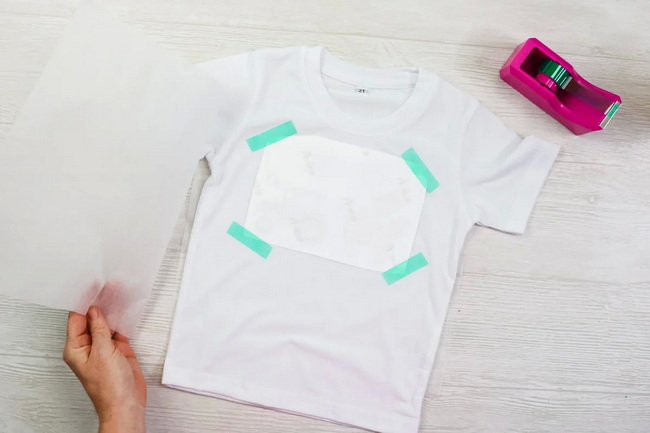
Trim the printed sublimation transfer close to the image edge to remove large blank borders that can leave press lines. Ensure the artwork is correctly mirrored according to the sublimation system being used.[1][9]
- Pre-press the shirt
Use a lint roller on the front of the polyester tee to remove fibers and dust that might cause specks. Lightly pre-press for a few seconds to drive out moisture, improving color consistency and reducing uneven blotching.[10][7]
- Insert the pressing pillow
Slide a mid-size pressing pillow inside the shirt so it sits directly under the area where the design will be placed. Check that seams, hems, and the collar fall off the pillow edge so they do not create high-pressure lines.[7][2]
- Protect the pillow and platen
Wrap the pillow with parchment or protective paper to prevent sublimation dye from migrating into the foam during production. Place another sheet of protective paper on top of the transfer to protect the press platen from stray ink.[1][2][7]
- Set temperature, time, and pressure
For many polyester garments, a range around 280–300°F (approximately 138–149°C) is safer than higher temperatures, as long as transfer curing instructions are followed. Adjust the machine to medium pressure, particularly when using pillows, to avoid flattening the foam and compressing the fabric too aggressively.[3][10][2]
- Press and release
Lock the press and maintain consistent pressure for the full recommended time without opening mid-cycle to prevent ghosting. Open the press smoothly at the end of the cycle and peel the transfer according to the paper or ink supplier's directions.[9][10]
- Inspect the result
Compare garments pressed with and without a pillow; the image should appear vivid, and any remaining marks around the design should be faint at normal viewing distance.[2]
Smaller logos can be prone to visible outlines because platen pressure is concentrated in a limited area. A correctly sized pillow and tuned pressure usually prevent these marks.[11][2]
Recommended process:
- Position the smallest pressing pillow inside the shirt under the chest logo area so that the collar and shoulder seams sit off the pillow.[2]
- Wrap the pillow with parchment or protective paper to avoid dye contamination when pressing multiple pieces.[7][2]
- Align the trimmed logo transfer and secure it with heat-resistant tape to minimize movement and prevent ghosting around the edges.[1]
- Reduce pressure slightly compared with thicker cotton settings, then run a test garment to confirm color density and edge clarity.[5][10]
If faint marks remain around the trimmed edges, temperature or pressure is likely set higher than necessary and should be reduced gradually until the balance between color vibrancy and fabric appearance is acceptable.[3][2]
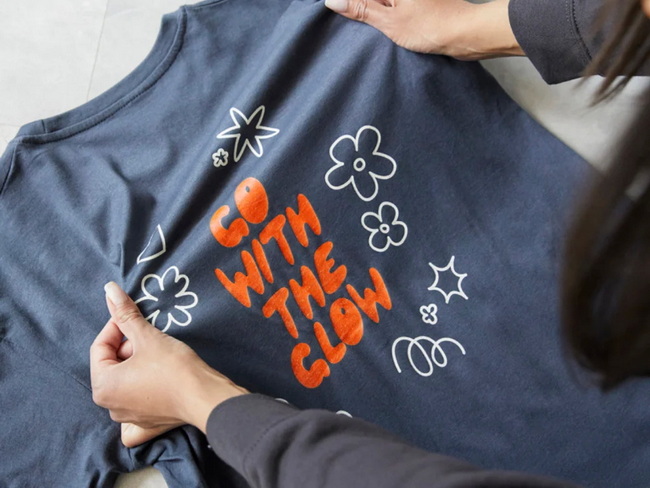
Exact figures depend on the transfer system, ink, and garment type, but decorators can operate within safe ranges and refine settings through testing.[10][3]
Core recommendations:
- Start at the lowest effective temperature that fully cures the transfer and delivers solid color, following supplier guidelines.[3]
- Use medium pressure when working with pressing pillows so that the foam is engaged but not crushed, protecting the fabric texture.[2]
- Avoid extending dwell time beyond published specifications, because extra time increases the chance of shine and glazing on polyester fibers.[5][10]
For lightweight or sensitive polyester, some shops reduce temperature slightly and add a few seconds of time, which can be gentler than using very high heat for short cycles.[10][3]
Deep marks on polyester are hard to eliminate completely, but several methods may reduce their visibility in non-critical situations. Any corrective technique should be tested on a sample or inconspicuous area first.[4]
Common approaches include:
- Soft re-pressing: Using an iron or a small press at a lower temperature and lightly pressing around the scorch edge in a circular motion to soften and blend the line.[12]
- Gentle chemical aids: In some cases, diluted peroxide or mild cleaners can help with slight discoloration, though they carry a risk of additional damage or bleaching.[4]
Because polyester has a strong memory, preventing press marks through appropriate pillows, pressure, and temperature is more reliable than attempting to repair them after the fact.[4]
Pressing pillows are central to controlling pressure, but other accessories also contribute to mark-free polyester pressing.[3][2]
Useful additions include:
- Heat-resistant foam or pads that can be cut to custom shapes and inserted behind specific print zones or around hardware.[1][7]
- Cover sheets such as parchment or non-stick specialty sheets that protect the fabric and transfer while moderating direct heat.[3]
- Specialty or interchangeable platens designed for sleeves, pockets, or youth garments, which help keep seams and zippers away from the primary heat area.[13]
These tools give decorators more control over pressure distribution, which is critical for high-volume polyester production.[10][1]
Stable, precise equipment makes it easier to maintain the narrow process window needed for mark-free polyester pressing. Entry-level presses may struggle with temperature uniformity and consistent pressure, both of which affect fabric appearance.[13][10]
Higher-quality presses typically offer:
- More accurate and uniform temperature across the platen, enabling lower, safer settings without under-curing transfers.[10]
- Reproducible, adjustable pressure with clear indicators that make it easier to set and maintain true medium pressure for pillow use.[10][2]
- Optional platens and accessories that isolate seams, zippers, and buttons from the main pressing area, reducing localized marks.[13]
These features help shops cut scrap rates, improve finished garment appearance, and standardize workflows for sublimated polyester tees.[13][10]
Consistently clean, mark-free polyester prints depend on disciplined process control, the right accessories, and reliable heat press equipment. By standardizing settings, using correctly sized pressing pillows, and aligning accessories with garment types, decorators can greatly reduce scrap and deliver a more professional finish on every order.[2][3][10]
Shops that want to improve quality and efficiency can evaluate their current process, document proven settings for different polyester styles, and upgrade to presses that offer stable temperature, repeatable pressure, and compatible platens for pillow use. For teams ready to optimize sublimation or transfer production on polyester garments, reaching out to a technical sales or application support specialist is the most direct way to match equipment, accessories, and workflows to real production goals.[13][10]
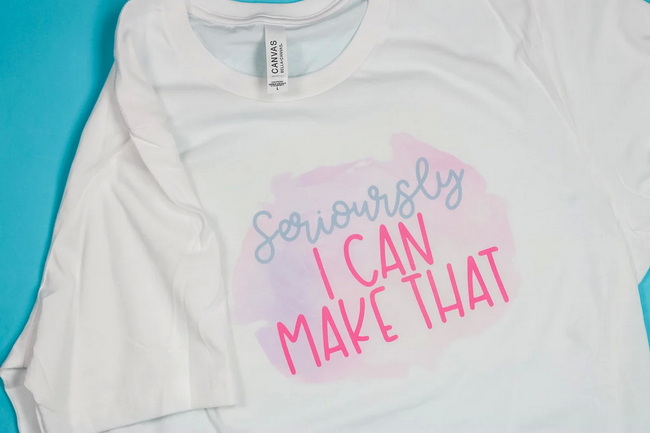
Polyester is a thermoplastic fiber, so it softens under heat and retains the pressure pattern of the platen, seams, or transfer edges much more strongly than natural fibers. Cotton generally recovers its surface texture more easily after pressing, so marks are often less visible or fade after washing.[4][3]
Pressing pillows can greatly reduce or almost eliminate marks when combined with correct pressure and temperature, but they cannot compensate for extreme heat or heavy over-pressure. On very sensitive or dark polyester, slight shine or texture changes may still appear if process settings remain too aggressive.[6][3][2]
Many decorators first lower pressure to a true medium level while using a pillow, then carefully adjust temperature within the transfer supplier's recommended range. Pressure that is too low can cause poor transfer or ghosting, so the goal is to find a balanced combination that cures ink without crushing the fibers.[5][3][10][2]
Deep, shiny marks on polyester are difficult to remove completely and may remain visible for the life of the garment. Light re-pressing at a lower temperature or cautious use of mild cleaning agents sometimes softens edges, but these methods should be considered last-resort mitigation rather than standard practice.[12][4]
A practical approach is to run controlled tests on sample garments, recording temperature, pressure, time, and pillow usage that produce vivid color with minimal marks. These parameters can then be documented, reused across similar orders, and supported by stable, calibrated presses that maintain the same process conditions from garment to garment.[10][2]
[1](https://www.thecountrychiccottage.net/preventing-heat-press-marks/)
[2](https://www.youtube.com/watch?v=dXMGhAvpRpQ)
[3](https://www.education.sanmar.com/decorator-relations/avoiding-heat-press-marks-on-polyester/)
[4](https://madmonkeytransfers.com/blogs/news/remove-heat-press-marks)
[5](https://www.reddit.com/r/cricut/comments/1co9uvt/heat_press_marks_on_polyester_blend/)
[6](https://www.reddit.com/r/heatpress/comments/1n5ti08/how_to_avoid_these_marks_on_polyester/)
[7](https://www.thecountrychiccottage.net/sublimation-pillow-covers/)
[8](https://www.youtube.com/watch?v=z9wO2JrypOc)
[9](https://www.youtube.com/watch?v=SzyFsf85uvk)
[10](https://www.transferexpress.com/videos/how-to-heat-press-on-polyester)
[11](https://www.youtube.com/watch?v=hiPnKIxkVHk)
[12](https://blog.transferexpress.com/how-to-fix-scorched-polyester/)
[13](https://www.youtube.com/watch?v=O7kERApWbv4)


