If you have any questions, please feel free to contact us.| Email Us: info@dcheatpress.com


Views: 222 Author: Amanda Publish Time: 2026-01-05 Origin: Site


Content Menu
● What Is DTF Printing Profitability?
● Key Factors That Make DTF Profitable
● DTF Profit Margins: Realistic Numbers
>> Example: Custom T‑shirt order
● Start‑Up Costs and ROI Timeline
>> Equipment and setup investment
>> Profit and payback estimates
● DTF vs Screen Printing: Where DTF Wins on Profit
● Market Trends: Why DTF Demand Is Growing
● How to Maximize DTF Profit in Your Shop
>> 1. Control your true cost per print
>> 2. Optimize workflow and labor
>> 3. Position DTF strategically in your product mix
● When Outsourcing DTF Transfers Makes Sense
● Potential Challenges and How to Protect Your Profit
>> Technical and maintenance risks
>> Market competition and pricing pressure
● Turn DTF Profit Potential Into Reality
>> Q1. How much can I realistically earn per DTF print?
>> Q2. How long does it take to recover DTF equipment costs?
>> Q3. Is DTF more profitable than screen printing?
>> Q4. What are the main risks that can hurt DTF profit?
>> Q5. Is DTF demand still growing or already saturated?
How profitable is DTF printing really? For small and medium apparel businesses, DTF can achieve 60–75% profit margins on typical T‑shirt orders, especially for short runs and print‑on‑demand workflows.[1][2][3]
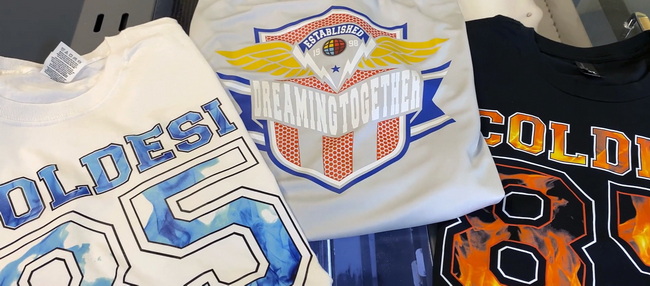
Direct‑to‑Film (DTF) printing is a digital process where designs are printed onto a special film, coated with adhesive powder, cured, and then heat‑pressed onto garments or other substrates. This workflow removes the need for screens, cutting, or weeding, which dramatically reduces setup time and makes small orders highly profitable.[2][1]
For custom apparel shops, average DTF costs often fall between about 1–5 USD per print, while retail selling prices frequently reach 20–30 USD per decorated garment, creating very attractive margins when priced correctly.[3][2]
DTF's profit potential comes from low per‑print costs, flexibility on fabric types, and strong demand for short‑run custom designs.[4][1]
- Low material cost per print: Typical all‑in DTF cost (ink, film, powder, power, labor, maintenance) can range roughly from 1–5 USD per finished transfer, depending on size and complexity.[5][3]
- High selling price: Transfers or finished T‑shirts can often sell for 20–30 USD, meaning per‑piece profit can reach 15–25 USD on many orders.[2][3]
- Short‑run efficiency: With no screen setup, single‑piece or 10–50‑piece orders remain profitable, unlike traditional screen printing where small orders often lose money.[6][2]
Because DTF is ideal for low‑minimum, full‑color designs, it aligns perfectly with modern print‑on‑demand and online custom T‑shirt business models.[7][4]
Industry breakdowns of DTF costs per print typically look like this.[1][5]
Cost component | Typical range per print |
Ink | 0.10–0.50 USD |
DTF film | 0.30–1.00 USD |
Adhesive powder | 0.05–0.15 USD |
Electricity | 0.10–0.50 USD |
Labor | 0.50–2.00 USD |
Maintenance allocation | 0.05–0.30 USD |
Estimated total | ~1.10–4.45 USD |
Some providers report that a transfer costing under 1 USD in materials can be sold at 6 USD or more, yielding margins above 500% on the transfer alone. Other calculators show per‑square‑inch costs in the range of 0.05–0.20 USD, again supporting high margins on typical T‑shirt‑sized designs.[8][3][1]
A 10–500 piece T‑shirt scenario helps illustrate margins.[2]
- Average selling price per shirt: 25 USD
- Blank shirt cost: 5 USD
- DTF transfer cost: about 1.5 USD per shirt
This yields about 18.5 USD profit per shirt (roughly 74% margin) across small, medium, and even large orders when using DTF transfers at that cost level. In contrast, small screen‑printing orders can be barely profitable or unprofitable due to setup; they only gain an advantage on very large runs (e.g., 500+ pieces).[6][2]
Entry‑level to mid‑range DTF setups span a wide cost range, but many small businesses can launch within a relatively low capital budget.[5][1]
- DTF printer: approximately 1,500–7,000 USD depending on size, speed, and features.[1]
- Heat press / curing equipment: from a few hundred dollars up to 5,000 USD for larger ovens and pro systems.[5]
- Initial consumables & software: film, powder, ink, RIP software, basic cleaning solutions, often a few hundred dollars more.[5]
Some guides describe broader DTF startup ranges of about 3,000–20,000 USD when factoring in workspace, higher‑end equipment, and inventory, still modest compared with other print technologies.[9][5]
One profitability analysis shows that in‑house DTF printing, when done consistently, can generate tens of thousands of dollars in profit in the first year, with average profit per print in the 15–25 USD range in some business models. Another cost study notes that with optimized consumables, efficient labor, and solid pricing, shops can reach strong ROI within the first 12–18 months.[8][1][5]
For a small apparel brand combining online orders, local events, and B2B work (teams, schools, clubs), consistent monthly order volume makes it realistic to recover equipment costs quickly and then scale profit.[7][1]
Screen printing's strength lies in bulk runs with hundreds of identical pieces, whereas DTF excels from single pieces up to around 100‑piece orders.[6][2]
- For small orders (1–25 units), DTF typically runs at about 1.05–1.95 USD per piece, while screen printing can cost 5–10 USD per piece once setup is included.[2]
- For medium orders (50–100 units), DTF remains competitive at similar 1.05–1.95 USD per piece, while screen printing may drop to 1.5–2.8 USD.[2]
- For large orders (500+ units), screen printing can reach 0.6–1.2 USD per piece, giving it an edge in very high‑volume jobs.[2]
This means that most modern custom printers profit more by using DTF for low‑to‑medium volumes and adding screen printing later only when stable large orders justify the investment.[6][2]
DTF also enables profitable print‑on‑demand and micro‑niche operations, since there is no need to hold large pre‑printed inventory. Shops can offer:[4][7]
- Small custom batches for local brands, influencers, and teams.[3]
- On‑demand drops for e‑commerce stores without tying up cash in stock.[4][7]
- Personalized names, numbers, and complex multi‑color graphics with almost no extra setup.[10][1]
This versatility translates directly into more orders, higher customer satisfaction, and better average profit per hour of production.[1][6]
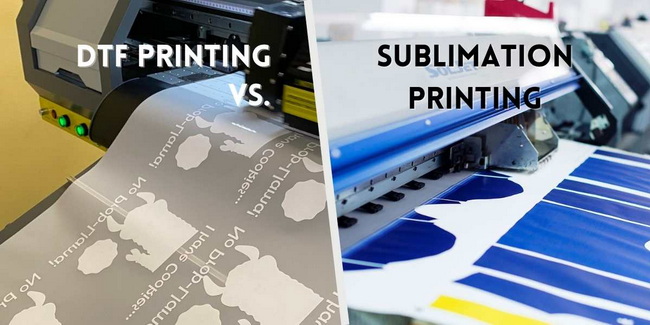
The global DTF market is expanding rapidly as brands shift to customized, on‑demand production.[7][4]
- One research report estimates the global direct‑to‑film printing market at around 2.72 billion USD in 2024, projected to reach about 3.92 billion USD by 2030, with a healthy compound growth rate.[4]
- Another forecast notes that growth is tied to rising e‑commerce apparel sales and the popularity of personalized T‑shirts and promotional products.[11][7]
T‑shirts remain the dominant DTF end product, driven by fashion brands, merchandise creators, and promotional agencies seeking fast turnaround and durable, vibrant prints. These macro trends support long‑term profitability for shops that invest in quality equipment and efficient workflows.[11][4]
Knowing the exact, all‑in cost for each print is essential to pricing correctly.[1][5]
- Track ink consumption, film usage, and powder application per typical gang sheet.[5]
- Allocate a small amount of maintenance, cleaning solutions, and electricity into each print's cost.[5]
- Benchmark against industry ranges (about 1–5 USD per print) and adjust suppliers or settings if your costs are much higher.[3][5]
With a clear cost baseline, it becomes easier to design pricing tiers that protect margins even when offering discounts for volume orders.[1][5]
Even when material costs are low, wasted time erodes profit.[10][1]
- Standardize RIP settings and artwork templates so operators can move from design to print quickly.[1]
- Use gang sheets to place multiple designs on a single film run, spreading film and labor costs across many transfers.[12][5]
- Maintain a clean, well‑calibrated printer to reduce clogs, misprints, and rework.[5][1]
Investing in training and consistent procedures often yields significant gains in hourly production and overall ROI.[10][1]
Profitable shops rarely sell “just a print”; they sell solutions.[6][1]
- Offer premium packages: DTF front print + sleeve logo + neck label for higher ticket orders.[1]
- Combine DTF apparel with upsells like hats, tote bags, and accessories printed using the same transfers.[3]
- Use DTF to test new designs in small batches before committing to bulk runs or wider marketing campaigns.[7][4]
This approach lets you capture more value per customer while using the same equipment and consumables.[6][1]
Not every business needs to own a DTF printer from day one. Many brands and print shops start by outsourcing custom DTF transfers to specialized suppliers and only invest in their own machines once volume is stable.[8][1]
With reputable transfer providers, you can:
- Focus on sales and design while a partner handles film printing and curing.[8]
- Order only what you need, when you need it, without tying up cash in equipment.[8][7]
- Maintain strong margins by pressing outsourced transfers onto blanks, especially at small and medium batch sizes.[3][8]
Later, when your order volume and product range grow, bringing DTF in‑house can further expand profit by lowering per‑transfer cost and giving you complete control over quality and lead times.[8][1]
DTF systems require consistent maintenance, and neglect can quickly reduce print quality and output.[5][1]
- Daily checks, regular cleaning, and using quality inks and films help prevent clogging and downtime.[1][5]
- Planning for annual maintenance costs in the hundreds of dollars range keeps surprises out of your profit model.[8][5]
Shops that treat maintenance as part of production, not an afterthought, maintain stable margins and reliable delivery times.[10][1]
As DTF grows, more competitors enter the market with aggressive pricing.[11][7]
- Differentiate with fast turnaround, design support, and consistent quality instead of only lowering price.[4][6]
- Build recurring revenue via team contracts, school programs, corporate clients, and subscription or bulk agreements.[11][7]
By focusing on value and relationships, you can sustain healthy prices even in crowded markets.[13][6]
To actually capture DTF profitability rather than just reading about it, businesses should move through a simple set of steps.[1][5]
1. Calculate current cost per print with real numbers for materials, labor, power, and maintenance.[5]
2. Define pricing tiers that protect margins at low, medium, and high volumes.[2][1]
3. Standardize workflow (design setup, printing, powdering, curing, pressing) to reduce errors and idle time.[10][1]
4. Choose your investment path: start with outsourced transfers or commit to an in‑house DTF setup based on cash flow and forecasted volume.[8][1]
5. Scale through niches such as local brands, schools, corporate apparel, or online micro‑niche stores where on‑demand DTF creates clear value.[7][4]
A disciplined approach to cost control, workflow, and customer targeting is the difference between a busy DTF shop and a truly profitable one.[6][1]
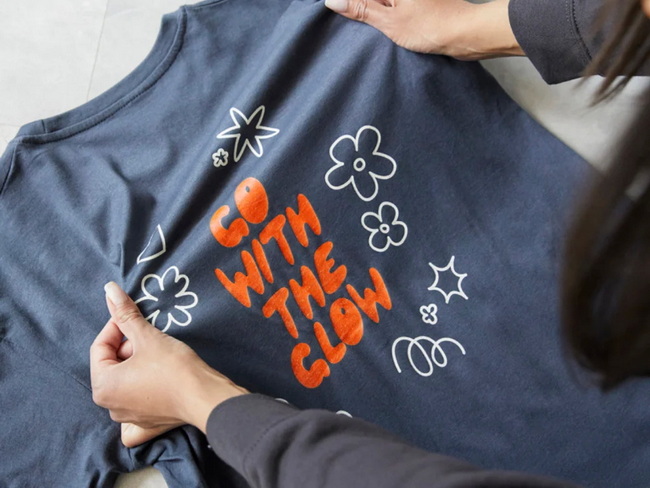
Most small businesses see 1–5 USD in cost per print and commonly charge 20–30 USD for a finished T‑shirt, leading to roughly 15–25 USD gross profit per piece on typical retail orders.[3][2][5]
Depending on your initial investment (often 3,000–20,000 USD) and monthly volume, many shops recover equipment costs within the first 12–18 months by maintaining solid pricing and consistent order flow.[9][8][1]
For small and medium orders, DTF is often more profitable because it avoids screen setup costs and is efficient even for one‑off jobs; screen printing only pulls ahead on very large, repeat runs.[10][6][2]
Poor maintenance, low‑quality consumables, under‑pricing, and inefficient workflows can drive up per‑print costs and cause reprints, directly reducing profit margins.[1][5]
Industry forecasts show the DTF printing market continuing to grow steadily through 2030, driven by e‑commerce, personalization, and demand for short‑run, high‑quality apparel, indicating room for well‑run businesses to enter.[11][7][4]
[1](https://axotransfers.com/blogs/news/cost-analysis-is-dtf-printing-profitable)
[2](https://www.sam-ink.com/blogs/samink/dtf-printing-vs-screen-printing-complete-cost-comparison-2025)
[3](https://eazydtf.com/blogs/blog/dtf-printing-for-small-businesses-cost-analysis-and-roi)
[4](https://www.grandviewresearch.com/industry-analysis/direct-film-printing-market-report)
[5](https://www.mtutech.com/Blog-DTF-Printer/DTF-Printing-Cost-Analysis-Breaking-Down-Price-Per-Print-840.html)
[6](https://coldesi.com/dtf-printing/is-dtf-printing-more-profitable-than-screen-printing/)
[7](https://fastdtftransfer.com/blogs/news/global-direct-to-film-printing)
[8](https://www.xtool.com/blogs/xtool-academy/dtf-printing-costs)
[9](https://perfecpresshtv.com/blogs/news/making-money-with-custom-dtf-transfers-in-2024)
[10](https://www.mtutech.com/Blog-DTF-Printer/DTF-Printer-vs-Screen-Printing-Which-Offers-Higher-ROI-1813.html)
[11](https://imperialdtf.com/blogs/insider/how-one-technology-is-transforming-the-global-apparel-industry)
[12](https://coldesi.com/dtf-printing/take-control-of-your-profits-by-printing-dtf-gang-sheets-in-house/)
[13](https://highqualitytransfers.com/blogs/news/high-quality-dtf-transfers-vs-screen-printing-the-2025-profit-breakdown)
[14](https://www.heatpressnation.com/blogs/academy/how-profitable-is-DTF)
[15](https://www.tissus-print.com/en/blog/dtf-printing-price-the-real-cost-explained-with-our-profitability-calculator)
[16](https://www.linkedin.com/pulse/forecasting-future-in-depth-analysis-dtf-garment-printer-wtivc)
[17](https://www.reddit.com/r/CommercialPrinting/comments/1deeoms/dtf_pricing_structure/)
[18](https://aestheticbk.com/blogs/news/future-of-dtf-printing)
[19](https://www.youtube.com/watch?v=O5dNkVUplac)
[20](https://www.youtube.com/watch?v=VWFtV6t1GeI)
[21](https://www.facebook.com/groups/1258524414671225/posts/1891670294689964/)


