If you have any questions, please feel free to contact us.| Email Us: info@dcheatpress.com


Views: 222 Author: Amanda Publish Time: 2025-12-28 Origin: Site


Content Menu
● What Are Heat Press Pillows?
● Why Heat Press Pillows Matter in Custom Printing
● How Heat Press Pillows Actually Work
● When to Use Heat Press Pillows
● Printing Methods That Benefit Most
>> Sublimation
● Step‑by‑Step: How to Use Heat Press Pillows
● Comparing Results: With vs. Without Heat Press Pillows
● Choosing the Right Heat Press Pillow Set
>> Buying Tips
● Advanced Workflow Strategies for High‑Volume Production
● Business Impact of Heat Press Pillows
● FAQs About Heat Press Pillows
>> 1. Are heat press pillows necessary for every project?
>> 2. Do I need to change my heat press settings when using a pillow?
>> 3. How long do heat press pillows last before replacement?
>> 4. Can I use the same pillow for HTV, sublimation, and screen transfers?
>> 5. What's the best way to keep pillows clean?
Heat press pillows are one of those understated tools that can transform the efficiency and output quality of any customization business. Whether you print T‑shirts, hoodies, or corporate apparel, mastering the use of these pillows can mean the difference between an average finish and a professional‑grade product. In this comprehensive guide, we'll explore what they are, how they work, and why every high‑volume printing operation should be using them.
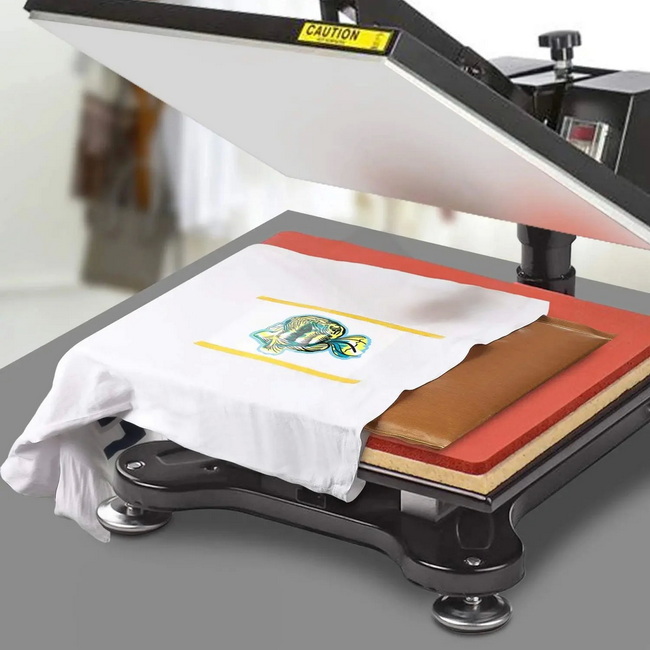
A heat press pillow is a heat‑resistant cushion designed to be placed under a garment during the heat transfer process. Constructed with a Teflon (PTFE) outer layer and a high‑density foam core, these pillows evenly distribute pressure and help achieve smooth, precise transfers. Their ability to adapt to garment contours ensures that logos, graphics, and lettering adhere evenly across seams and raised areas.
Common pillow sizes range from compact sleeves and pocket formats to larger 16" x 20" options suitable for full‑front designs. The flexibility these pillows offer allows operators to handle a wide array of substrates, from thin polyester T‑shirts to thick, zippered jackets.
Even the most advanced heat press machines can struggle when garments feature seams, buttons, or texture differences. Heat press pillows effectively absorb these inconsistencies. As the foam compresses, thicker sections of fabric sink in while the print surface remains elevated, creating a level application zone.
- Even pressure: Guarantee consistent transfer quality even on uneven surfaces.
- Improved adhesion: Reduce the risk of peeling or incomplete adherence on corners and edges.
- Fewer scorch marks: Protect delicate materials from excessive heat concentration.
- Enhanced flexibility: Enable printing on more garment types and accessories.
- Professional results: Produce a clean, polished output ready for customers or retail shelves.
For businesses, this directly translates into higher customer satisfaction, fewer reprints, and greater production reliability.
At their core, heat press pillows regulate pressure and temperature consistency. The foam's compressible nature allows garments to settle so that the print zone stays flat and positioned close to the upper platen. This ensures that heat and pressure are applied uniformly across the entire design.
From a technical viewpoint:
- Pressure equalization prevents “cold spots” where transfers might fail to bond.
- Thermal buffering minimizes scorching, particularly on sensitive or blended fabrics.
- Adhesive optimization ensures vinyl and sublimation inks cure properly, improving durability through washing and wear.
Heat press pillows should be used whenever your item presents uneven thickness or textured surfaces that could disrupt the pressing process. They act as a safeguard for both delicate fabrics and machine components.
- Polo shirts, jackets, or hoodies with zippers and seams.
- Bags, totes, or clutches featuring rivets and straps.
- Textured fabrics such as ribbed cotton, fleece, or canvas.
- Quilted garments or multi-layered composites.
- Any print area surrounded by buttons, pockets, or uneven stitching.
By integrating pillows strategically, print houses can dramatically expand the types of products they customize.
Heat press pillows support several major thermal transfer techniques used in apparel and hard‑surface decoration. Each method gains specific advantages when used with pillows.
They maintain consistent temperatures and contact pressure, ensuring that the dye fully converts to gas and bonds with polyester fibers for vibrant, lasting results.
Pillows help HTV adhere evenly, reduce press marks, and prevent print edges from folding or wrinkling around seams and zippers.
With plastisol or water‑based transfers, pillows assist in even curing, minimizing cracking or peeling and extending the life of printed garments.
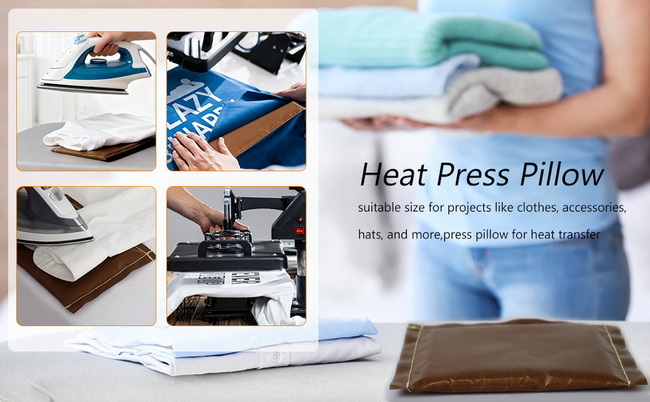
Follow these simple steps to achieve consistent professional results.
1. Select the appropriate pillow size. Match the pillow size to your design area. Oversized pillows may diffused pressure; undersized ones may cause uneven contact.
2. Position the pillow. Place it directly on the lower platen, ensuring it sits flat.
3. Lay the garment. Smooth the garment over the pillow, aligning seams or zippers so they sink in.
4. Adjust settings. Increase pressure slightly compared with flat pressing, since the pillow absorbs some force.
5. Pre‑press briefly. This removes moisture and wrinkles for cleaner application.
6. Apply the transfer. Align design, press according to material settings, and peel as directed.
7. Inspect the result. Check for even adhesion, edge security, and absence of marks.
This method not only prevents manufacturing defects but also creates repeatable consistency across multiple operators or shifts.
| Feature | Without Pillows | With Pillows |
|---|---|---|
| Pressure distribution | Uneven on seams and zippers | Smooth, even coverage |
| Risk of incomplete transfer | High | Minimal |
| Fabric protection | Possible scorching | Safe temperature buffer |
| Visible press marks | Common | Significantly reduced |
| Range of printable products | Limited | Vastly expanded |
Data from industry practitioners shows that shops integrating pillows report up to 30% fewer rejected items and better overall visual quality control.
Not all pillows are created equal. Selecting high‑quality, Teflon‑coated pillows provides better longevity and ease of cleaning. The best sets usually include multiple sizes suitable for both small logos and large full‑front designs.
- Material: Opt for non‑stick, PTFE‑coated surfaces to prevent melted adhesive buildup.
- Heat resistance: Check temperature ratings up to 220°C.
- Compression resilience: Ensure the foam quickly rebounds after each press cycle.
- Size variety: Invest in a set covering sleeves, pockets, and chest designs for maximum flexibility.
Properly maintained, quality pillows can last through thousands of cycles.
Even though heat press pillows simplify printing, incorrect use can still reduce quality. Keep an eye out for these common pitfalls:
- Ignoring pressure recalibration after adding a pillow, leading to incomplete adhesion.
- Using overly large pillows that spread pressure too thin.
- Neglecting pre‑pressing, which may leave residual moisture causing bubbling under transfers.
- Pressing with worn or damaged pillows, which can transfer debris or uneven pressure to garments.
Routine inspection and proper setup will ensure reliable output every time.
As production scales, integrating heat press pillows efficiently across multiple workstations becomes essential.
- Pre‑staging: Prepare pillows per product category, minimizing equipment downtime.
- Standardization: Create documented recipes (time, temperature, pressure, pillow type) for recurring jobs.
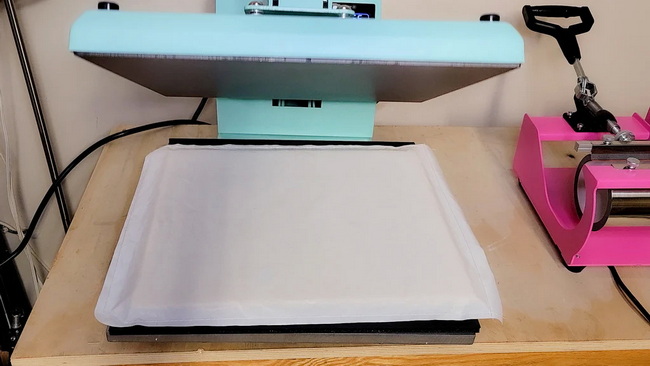
- Accessory pairing: Combine pillows with protective cover sheets to prevent platen staining and fabric shine.
- Regular maintenance: Keep surfaces clean and check foam density periodically.
These small operational tweaks often translate into measurable reductions in misprints and turnaround times.
Businesses that implement heat press pillows frequently see tangible improvements in output quality and profitability. By reducing waste, enhancing material handling, and unlocking new product types, companies position themselves competitively in the growing customization market.
- Lower defect rates: Consistent pressure reduces costly reprints.
- Expanded product catalog: Confidently print on heavier fabrics, accessories, and layered garments.
- Elevated reputation: Deliver polished finishes that drive repeat orders and customer loyalty.
- Higher price points: Justify premium pricing with superior craftsmanship.
For manufacturers serving sportswear, fashion lines, or promotional products, the operational flexibility gained from using heat press pillows cannot be overstated.
Ready to take your heat transfer quality to a professional level? Upgrade your customization setup today with precision‑engineered heat press machines and accessories from COLORFUL. Visit dcsbheatpress.com to explore a complete range of high‑performance solutions designed for global businesses seeking accuracy, reliability, and superior finish standards. Your perfect press starts here—equip your production line with the best.
No. They are essential mainly for garments with seams, zippers, and textured areas. Flat T‑shirts or smooth fabrics generally press well without one.
Yes. Because pillows absorb part of the pressure, slightly increase pressure and adjust time if necessary to achieve full transfer adhesion.
Quality commercial pillows can withstand hundreds or even thousands of uses. Replace them if they lose shape, burn, or develop surface damage.
Absolutely. Good‑quality Teflon pillows are multipurpose and compatible across various heat transfer technologies.
Allow them to cool, then wipe gently with a lint‑free cloth. Avoid sharp tools or solvents that might scratch or degrade the non‑stick coating.


