If you have any questions, please feel free to contact us.| Email Us: info@dcheatpress.com


Views: 222 Author: Amanda Publish Time: 2025-12-29 Origin: Site


Content Menu
● What Is Heat Press Maintenance and Why It Matters
● Safety First: Heat Press Maintenance Precautions
● Essential Daily and Weekly Maintenance Tasks
>> Daily Tasks
>> Weekly Tasks
● How to Clean Your Heat Press Properly
>> Cleaning the Heating Platen
>> Cleaning the Control Housing
● Checking for Loose Parts and Alignment
● Proper Lubrication for Smooth Performance
● How to Transport and Store Your Heat Press Safely
● Troubleshooting Common Heat Press Problems
● Advanced Maintenance: Calibration, Pads, and Protective Covers
>> Temperature and Pressure Calibration
● Maintenance Differences by Press Type
● When to Seek Professional Support
● Stay Proactive: Maintain Today, Print Better Tomorrow
● Frequently Asked Questions (FAQ)
>> 1. How often should I clean my heat press?
>> 2. Can I use oven cleaner on the heat platen?
>> 3. Why does my heat press heat up slowly?
>> 4. How can I test temperature accuracy?
>> 5. Is it safe to store my heat press closed?
Regular heat press maintenance is key to achieving consistent printing results and maximizing your equipment's lifespan. Whether you run a busy custom apparel shop or use your press for small-batch projects, preventive care ensures reliable performance, energy efficiency, and professional outcomes every time.

Heat press maintenance involves the regular cleaning, inspection, and calibration of your machine. A well-maintained press keeps temperature, pressure, and timing accurate, which directly impacts print quality and production consistency.
Key reasons to prioritize maintenance:
- Achieve consistent, high-quality prints.
- Reduce downtime and lower repair costs.
- Extend the lifespan of critical components.
- Maintain safety and operational efficiency.
Proper maintenance not only protects your investment but also safeguards your business reputation by preventing defective prints and delays.
Before beginning any maintenance, always follow these essential safety steps:
1. Turn off and unplug the heat press completely.
2. Allow the platen and frame to cool to room temperature.
3. Keep liquids, flammables, and clutter away from the workspace.
4. Only reconnect power if a cleaning or calibration step requires heat.
Stay cautious when accessing internal components. Never bypass safety switches or remove protective covers while the press is energized.
A structured maintenance routine keeps your press in top condition and helps identify wear before it becomes a problem.
- Wipe dust and debris from all surfaces.
- Inspect the power cord and plug for damage or looseness.
- Open and close the press to confirm smooth mechanical movement.
- Verify that controls, timers, and displays function properly.
- Deep clean the exterior frame and lower platen.
- Check handle joints, screws, and fasteners for loosening.
- Listen for unusual noises that may signal parts needing lubrication.
- Inspect gas shocks, rails, or swing mechanisms for alignment.
Using a digital or printed checklist helps operators perform these steps consistently, especially in multi-operator environments.
Dirt, adhesive residue, and lint can affect heat transfer consistency. Keep your press clean using the following methods.
- Mix warm water with mild detergent.
- Use a damp cloth to wipe the housing, arms, and platen base.
- Pull out the lower platen or drawer to clean behind and underneath.
- Rinse with a cloth dampened in plain water, then dry thoroughly.
Avoid harsh chemicals or abrasives that can damage coatings and safety markings.
Residue buildup on the platen can cause uneven heating or garment staining.
- Heat the platen to approximately 200°F (93°C).
- Apply a heat press-safe platen cleaner to a soft cotton cloth.
- Gently rub in circular motions to remove build-up.
- Wipe clean with a dry cloth and allow to cool.
Important: Never use oven cleaners or industrial degreasers—they can permanently damage the platen's coating.
- Unplug the press and remove the back or side access panel.
- Use a vacuum or compressed air to clear dust from vents and circuitry.
- Avoid dislodging wires or connectors.
- Reinstall the cover before reconnecting power.
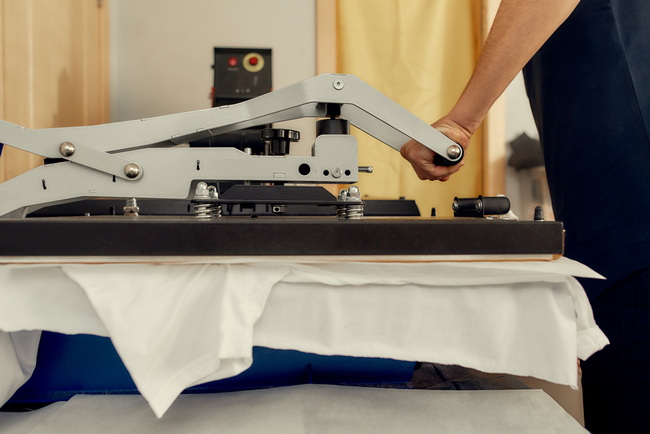
Frequent use gradually loosens mechanical connections. Regular inspection ensures safe and stable operation.
- Inspect the handle, lever, and hinge for wobble.
- Tighten acorn nuts or bolts as needed for smooth action.
- Confirm the handle opens automatically when released.
- Tighten Allen screws in the handle and latch assembly.
- Check the auto-open mechanism if the press fails to release properly.
- Loosen the pressure knob and adjust alignment if designs appear off-center.
- Secure all mounting bolts firmly.
- Confirm drawer rails move smoothly without grinding.
- Tighten the main shaft nut just enough for fluid movement.
- Avoid over-tightening, which can lead to stiffness and part stress.
Lubrication reduces friction and prevents wear in moving components.
- Apply WD-40 or light spray oil on gas shocks to eliminate squeaks.
- Use lithium grease on main shafts or stabilizer bars in swing-away presses.
- Wipe away any excess lubricant to avoid soiling garments or platen covers.
Over-lubrication attracts dust—always use a conservative amount.
Mismanagement during transport or storage often causes alignment issues or frame damage.
- Power off and cool the machine completely.
- Release pressure before closing.
- Secure the handle or upper platen with zip ties.
- Lift from sturdy base points rather than the control box or arm.
- Store the press covered and open to relieve pad pressure.
- If closed, loosen the pressure knob fully.
- Keep units in a cool, dry environment to prevent corrosion.
Regular maintenance prevents most issues, but some errors still occur.
- A standard 16×20 press should reach 300°F within 20 minutes.
- Plug directly into a 15–20 amp grounded outlet.
- Avoid power strips or low-gauge extension cords.
- Use a surface thermometer to compare platen readings to the display.
- Variances over ±15°F suggest calibration or sensor issues.
- Grinding drawers often indicate loose or dirty rails.
- Auto-open failure can stem from worn springs or misaligned magnets.
- Pressure inconsistencies often mean pad wear or platen misalignment.
- Timer resets or flickering displays may point to internal overheating.
If problems persist, contact technical support for guided troubleshooting or component replacement.
For professional print environments, advanced upkeep ensures precision and durability.
- Check the platen temperature monthly at three or more points.
- Adjust the digital control offset for accurate readings.
- Test pressure and timing using sample garments or test transfers.
- Replace silicone pads showing cracks, hard spots, or burns.
- Use Teflon sheets or non-stick covers to protect future prints.
- Clean or swap platen pads periodically for even pressure distribution.
Press Type | Key Components to Inspect | Primary Maintenance Focus |
Clamshell | Handle, hinges, and gas shocks | Tighten joints, lubricate, and verify motion. |
Swing-Away | Main shaft, pivot arm, stabilizer bar | Grease moving parts and check for smooth swing. |
Drawer/Slide-Out | Rails, bearings, and mounting screws | Clean rails, re-lubricate, and tighten hardware. |
Create model-specific checklists to simplify tracking and routine inspections.
Call for professional service if you notice:
- Uneven heating after calibration or cleaning.
- Burnt smells, flickering displays, or tripped breakers.
- Severe misalignment following transport or impact.
Timely support prevents more serious and costly damage to the unit.
A clean, well-adjusted heat press ensures flawless production and prolongs machine life. Take a moment today to review your maintenance schedule, replace worn components, and verify calibration.
If your current equipment struggles with power accuracy, alignment, or throughput, now is the perfect time to upgrade to a higher-quality heat press or professional heat transfer solution—equipment designed for precision, durability, and effortless operation. Visit your trusted supplier to discover the latest technology built for consistent, high-volume performance.
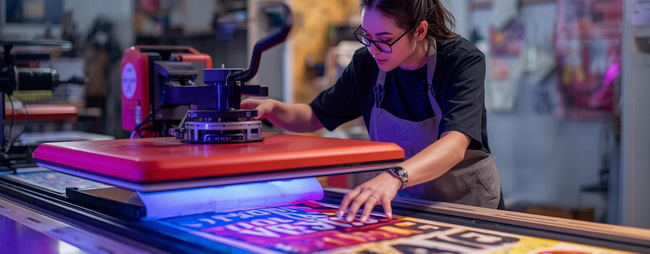
Light cleaning should be done daily, while deep platen and control housing cleaning should occur weekly or after heavy use.
No. Oven cleaners are too harsh and can damage platen coatings. Always use dedicated heat press platen cleaners.
Check the power source. Plug directly into a 15–20 amp wall outlet and avoid extension cords. A failing heating element may also cause delays.
Use a thermometer or temperature strip to measure the platen's surface. A difference greater than 10–15°F from the display may need recalibration.
Yes, but only if the pressure is fully released. Open storage prevents wear on pads and hinges for long-term equipment health.


