If you have any questions, please feel free to contact us.| Email Us: info@dcheatpress.com


Views: 222 Author: Amanda Publish Time: 2025-12-21 Origin: Site


Content Menu
● Why Start a Heat Press Business in 2025?
● Core Keyword Focus and Article Structure
● Market Overview: Profit Potential of Heat Press Businesses
● Printing Techniques That Use a Heat Press
>> DTF (Direct-to-Film) Printing
>> White Toner Laser Transfers
● Industries and Niches for a Heat Press Business
>> Major Application Industries
● How to Define Your Target Market and Customers
● Print Transfers Yourself or Use Ready-to-Press Transfers?
>> Comparing the Two Approaches
● Essential Equipment and Supplies for a Heat Press Business
>> Printers and Imaging Systems
>> Consumables and Supporting Tools
● How to Choose the Right Heat Press for Your Business
>> Choosing Sizes and Attachments
● Quality, Durability, and Technical Support
>> Heat Distribution and Build Quality
>> Importance of After-Sales Service
● Practical Startup Steps: From Idea to First Orders
>> Step 1: Validate Your Product Ideas
>> Step 2: Configure Your Production Setup
>> Step 3: Select and Launch Sales Channels
● Where to Learn and How to Avoid Design Copyright Issues
● Plan Your Heat Press Setup and Discuss Your Equipment Needs
● FAQs
>> (1) How much does it cost to start a heat press T-shirt business?
>> (2) Is a heat press business still profitable in 2025?
>> (3) Which printing method is best for beginners?
>> (4) How should I price my custom heat press products?
>> (5) How do I decide what size heat press to buy?
Starting a heat press business in 2025 is one of the most accessible ways to enter the booming custom apparel and merchandise market, thanks to relatively low startup costs and steadily growing global demand for personalized products. With the right printing method, equipment, and niche strategy, small studios and home-based shops can tap into a global heat press machine market that is projected to grow steadily over the next decade.[1][2][3][4]
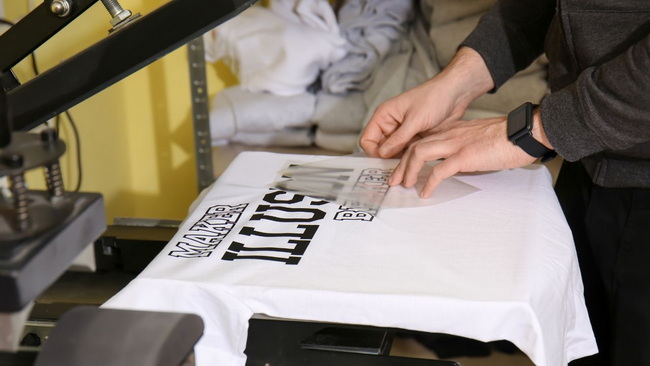
The global heat press and related equipment market is expected to grow from around 1–1.5 billion USD in the mid-2020s to more than 2 billion USD by 2033, driven by demand for customized apparel, promotional products, and DIY crafts. This growth creates strong opportunities for new entrepreneurs who can offer fast turnaround, consistent quality, and niche-focused products.[3][4][5]
Key reasons a heat press business is attractive in 2025 include:[2][1]
- Low entry barrier compared with many other printing methods.
- Scalability from home-based side hustles to full production workshops.
- Diverse revenue streams across apparel, gifts, corporate branding, and events.
This guide focuses on the core topic of how to start a heat press business, including long-tail themes such as starting a heat press T-shirt business, heat press startup costs, and choosing the right heat press machine for small business. These topics are woven naturally into headings and body text to build topical authority without over-repeating specific phrases.[6][1][2]
The headings follow the journey of a new business owner: understanding the market, selecting printing methods, choosing niches, defining customers, building an equipment list, and finally launching and scaling.[1][6]
The heat press equipment segment that serves dye-sublimation and apparel decoration is part of a broader digital textile and customization market that continues to expand. Industry analyses indicate that heat press machines and related systems represent a market worth hundreds of millions of dollars today, with forecasts pointing to strong growth in the coming years.[4][5][7][3]
Profitability depends on several controllable factors:[8][1]
- The niche you choose and how clearly you serve it.
- Your average order size, pricing, and upsell strategy.
- Your equipment quality and production efficiency.
Selecting the right printing technique is a foundational decision, because it defines your equipment needs, consumable costs, and the kinds of products you can sell. Each major method has its own ideal use cases and trade-offs.[6][1]
Sublimation uses special inks and transfer papers to infuse dye into polyester fabrics and polymer-coated hard goods. It produces vibrant colors, detailed images, and durable prints on suitable substrates.[5][1][6]
Sublimation is ideal for:[1][6]
- Performance sportswear and polyester T-shirts.
- Mugs, metal plates, keychains, and coated tumblers.
The main limitation is that it requires high polyester content or polymer coatings, making it less suitable for 100% cotton garments.[5][1]
DTF printing creates full-color transfers on film that are then heat pressed onto garments and textiles. It delivers photo-realistic detail, strong opacity on dark fabrics, and very good wash durability when properly cured.[9][8][1]
A typical DTF setup includes:[9][1]
- A DTF printer with CMYK plus white ink.
- A powder shaker and curing unit or integrated device.
- A stable flat heat press for application.
DTF works well for small-to-medium batch orders across cotton, polyester, blends, and many specialty textiles.[8][1]
HTV uses colored or specialty vinyl sheets that are cut, weeded, and pressed onto garments. It is popular among crafters and small shops because equipment costs are relatively low and the process is straightforward.[6][1]
HTV is best suited for:[1][6]
- Simple text, numbers, and logo designs.
- Personalization such as names on jerseys.
The manual weeding required for complex designs makes it less efficient for very large volumes.[1]
Plastisol transfers are screen-printed designs produced on transfer sheets and applied later with a heat press. This separates screen production from final application and suits high-volume work where screen printing is cost-effective.[8][9]
They are commonly used for:[9]
- Bulk orders for brands and large events.
- Programs where designs are printed in advance and pressed on demand.
White toner printers enable printing on transfer sheets for both light and dark garments as well as some rigid substrates. These systems can handle detailed designs, but the hardware and toner are more expensive than basic sublimation or entry-level DTF setups.[9][1]
They are well suited to lower-volume, high-variety design workflows where ease of use and flexibility are more important than the lowest cost per print.[1]
Heat press businesses that focus on specific industries or customer groups generally achieve stronger brand recognition and more predictable orders than those trying to sell everything to everyone.[2][1]
- Personalized gifts: Photo shirts, mugs, cushions, and keepsakes for birthdays, weddings, and holidays.[6][1]
- Apparel and fashion: Streetwear, fitness apparel, limited drops for influencers, and custom hoodies.[2][1]
- Retail and boutiques: Local clothing shops and concept stores needing small production runs and fast reorders.[1]
- Corporate and organizations: Staff uniforms, event shirts, promotional bags, and client gifts.[2]
- Events and entertainment: Concert merchandise, festival gear, sports events, and fan items.[2]
- Schools and non-profits: Fundraiser shirts, club apparel, campaign merchandise, and volunteer wear.[2]
- Hospitality and tourism: Branded aprons, hotel and resort wear, and souvenir items.[2]
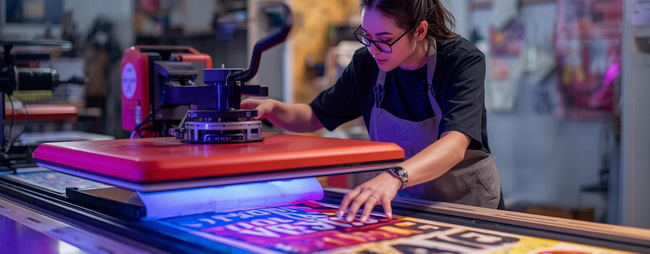
Clarifying your target market is one of the most effective ways to improve both marketing and production planning. Instead of only thinking about “T-shirts,” define who you serve and why they choose your products.[6][1]
Key points to consider:[1][2]
- Market trends in apparel and merchandising in your region and online.
- Your own interests and skills, which help keep motivation high.
- The demographics and typical buying behavior of your ideal customer.
- The competitive landscape, including local shops and online sellers.
- The scalability of the niche from one-off orders to recurring contracts.
A strategic decision early in a heat press business is whether to produce transfers in-house or rely on ready-to-press transfers from third-party suppliers. Both models can work well, and many businesses eventually use a mix of the two.[9][1]
Printing transfers yourself can lower your per-print costs and give you full control over color management and production timing. However, it requires higher initial investment, more technical knowledge, and ongoing maintenance.[8][9][1]
Buying ready-to-press transfers keeps startup costs lower and simplifies workflow, since you mainly focus on pressing and finishing garments. The trade-off is a higher cost per transfer and dependence on supplier lead times, which can reduce flexibility for rush orders.[10][9]
Once you know your niche and printing method, you can finalize your equipment and consumables list for a lean but capable setup.[6][1]
- Sublimation printers for polyester garments and polymer-coated hard goods.[5][1]
- DTF printers for full-color transfers compatible with various fabrics.[8][1]
- White toner printers for flexible transfer printing on diverse substrates.[1]
Choosing the right system depends on expected order volumes, types of products, and required color accuracy.[6][1]
The heat press is the central piece of equipment, and its quality directly affects print consistency and durability. Important decisions include configuration (clamshell, swing-away, or draw), platen size, and whether you need specialized attachments such as cap or mug platens.[11][8][6]
A professional supplier can help match heat press models to your core products—for example, recommending specific platen sizes for adult shirts, children's garments, caps, or mugs.[11][2]
Blanks must match your chosen printing technique to achieve reliable results.[5][1]
- DTF transfers work across cotton, blends, polyester, and various fabric accessories.
- Sublimation requires polyester or polymer-coated surfaces for successful transfers.
Carefully managing blank inventory by size, color, and fabric type helps avoid waste and stockouts.[6][1]
Consumables include inks, toners, transfer papers, films, powders, and protective sheets. Supporting tools such as heat-resistant tape, Teflon sheets, and lint rollers also improve consistency and reduce misprints.[11][5][1]
Choosing a heat press should be driven by your products and workflow, rather than by the most popular model name or the lowest price.[11][6]
Consider these questions before comparing specific models:[11][2]
- What are your main product types—T-shirts, mugs, hats, or a mix?
- What maximum print size do you need for typical designs?
- What daily and peak volumes do you expect?
Documenting these points helps align your investment with realistic production needs.[11][2]
Key features to evaluate include:[4][11]
- Stable and accurate temperature control.
- Consistent and adjustable pressure.
- Uniform heat distribution across the platen.
- Ergonomic design and safety features for daily use.
For T-shirt-heavy operations, features like slide-out platens and threadable bases can significantly speed up loading and unloading.[11][6]
For general apparel work, a 15"×15" or 16"×20" press typically covers most common designs and garments. If you plan to sell mugs, bottles, or tumblers, consider a mug press with multiple heater sizes or interchangeable attachments to support different diameters and heights.[11][6][1]
The long-term success of a heat press business depends heavily on equipment reliability and the availability of support when issues occur.[2][11]
Professional-grade presses use carefully engineered heating elements and platens to minimize temperature variation, which reduces defects and helps ensure consistent adhesion. Durable frames, robust hinges, and quality electronic components also reduce downtime and extend service life.[4][5][11]
Responsive technical support, clear documentation, and access to spare parts can make the difference between quick recovery and extended production interruptions. Businesses that rely on repeat orders from corporate clients and events benefit especially from having dependable support channels.[2][11]
Following a structured startup plan can speed up your journey from concept to real sales and repeat customers.[6][1]
Research platforms such as Etsy and major marketplaces to see what designs and product types are selling well. Pay attention to reviews and customer questions to identify gaps in quality, sizing, or delivery time that you can improve.[1][2][6]
Decide whether to start with ready-to-press transfers or invest immediately in your own printing system, and then design a workspace layout that keeps blanks, transfers, and packing materials close to the press. Standardize pressing parameters for each material and post them near the press for easy reference.[9][11]
Combine one or more online channels with local opportunities:[2][1]
- An online shop or marketplace presence for broader reach.
- Direct outreach to local businesses, teams, and organizations for recurring bulk orders.
This combination helps balance one-off consumer orders with more stable B2B demand.[2]
Staying informed and using legally safe artwork are both essential to protecting your brand and avoiding disputes.[1][2]
- Follow recognized educators and manufacturers through blogs, webinars, and tutorial videos for up-to-date practices.[12][11]
- Use stock platforms, vector sites, and public domain resources that allow commercial use, and keep records of licenses.[1]
- Ask your equipment and consumable suppliers for recommended settings and troubleshooting guides.[11]
Launching a heat press business requires clear decisions about printing methods, target customers, and equipment quality, but the process becomes much easier when you work with a specialized manufacturer that understands the entire workflow from R&D to after-sales support. If you are planning to start or upgrade your heat press operation, now is the right time to review your niche, expected order volume, and workspace, then discuss the most suitable heat press machines and accessories with a professional supplier so your business can grow confidently from your very first orders.[11][2]
A small, home-based heat press T-shirt business can often be started with a budget ranging from several hundred to a few thousand US dollars, depending on whether you purchase only a press and ready-to-press transfers or also invest in your own printer. Additional costs such as blanks, packaging, basic design software, and online platform fees should be included in your planning.[10][6][1]
Industry data shows continued growth in demand for personalized apparel, events merchandise, and branded products, which supports the profitability of well-managed heat press businesses. Profitability tends to improve significantly when you specialize in clear niches, streamline workflows, and develop recurring relationships with organizations and corporate clients.[3][5][8][2]
Beginners with limited budgets often find it easiest to start by combining a reliable flat heat press with either HTV or ready-to-press DTF transfers from reputable suppliers. As experience and order volume grow, investing in DTF or sublimation printing in-house can reduce per-item costs and provide more control over production times and design options.[10][8][1]
Pricing should factor in all direct costs—blanks, transfers or ink, packaging, and labor—plus a portion of overhead and platform fees. Researching comparable products on your chosen sales channels and adding premiums for speed, quality, or customization options can help position your pricing competitively yet sustainably.[6][2][1]
For general T-shirt printing, a press in the 15"×15" to 16"×20" range is versatile enough for most standard front and back designs. If your product plan includes hats, mugs, or tumblers, choosing equipment with compatible attachments or dedicated specialty presses lets you expand into those items without completely changing your setup.[11][6][1]
[1](https://www.htvront.com/blogs/basics/heat-transfers-business-startup-beginner-guide)
[2](https://www.stahls.co.uk/blog/start-a-print-business-in-2025.html)
[3](https://www.accio.com/business/trend-of-heat-press-machines)
[4](https://www.verifiedmarketreports.com/product/heat-press-machine-market/)
[5](https://www.grandviewresearch.com/horizon/statistics/dye-sublimation-printing-market/product-type/heat-press-equipment/global)
[6](https://www.innotransferstextiles.com/how-to-start-a-t-shirt-business-with-heat-press/)
[7](https://www.verifiedmarketresearch.com/product/heat-press-market/)
[8](https://www.heatpressnation.com/blogs/blog/big-profit-low-risk-in-2025)
[9](https://www.youtube.com/watch?v=-vB6RgXIfEY)
[10](https://www.youtube.com/watch?v=LFPYsH3FJMo)
[11](https://www.youtube.com/watch?v=GF_ZmwMB_bc)
[12](https://www.youtube.com/watch?v=gfNqau8sJm0)


