If you have any questions, please feel free to contact us.| Email Us: info@dcheatpress.com


Views: 222 Author: Amanda Publish Time: 2025-12-26 Origin: Site


Content Menu
● What Is Sublimation Printing?
● DTF vs Sublimation: Side-by-Side Overview
● DTF Printing: Equipment, Process, Pros, and Cons
>> DTF Printing Workflow (Step by Step)
>> Limitations of DTF Printing
● Sublimation Printing: Equipment, Process, Pros, and Cons
>> Sublimation Equipment Essentials
>> Sublimation Printing Workflow (Step by Step)
>> Advantages of Sublimation Printing
>> Limitations of Sublimation Printing
● Cost, Maintenance, and Learning Curve
>> Maintenance and Daily Operation
● Print Quality, Durability, and Customer Experience
● When to Choose DTF vs Sublimation
>> When Sublimation Is the Better Fit
● Take the Next Step for Your Printing Business
>> 1. Does sublimation last longer than DTF on clothing?
>> 2. Which is easier for beginners: DTF or sublimation?
>> 3. Can one printer handle both DTF and sublimation?
>> 4. Can sublimation print on dark cotton T-shirts?
>> 5. Which method is more profitable for a new custom apparel shop?
When comparing DTF vs sublimation printing, the right choice depends on your materials, budget, print volume, and the finish you want on the final product. DTF offers strong material versatility and excellent coverage on dark garments, while sublimation excels at soft, durable, photo-quality prints on light polyester and coated hard goods.[1][2]
Direct-to-film (DTF) printing is a digital transfer method where your design is printed onto a PET film, coated with adhesive powder, cured, and then heat-pressed onto the final item. Because the print sits on the fabric surface with a white underbase, it can decorate dark garments and many non-polyester materials.[3][4]
Key characteristics of DTF:
- Works on many materials such as cotton, blends, polyester, nylon, and some treated leather.
- Uses CMYK plus white ink so designs stay vivid and opaque on dark or colored substrates.[4]
- Uses a transfer-based workflow: print to film, apply powder, cure, then press with a heat press.[3]
For optimal bonding and color accuracy, a high-quality heat press with precise temperature, time, and pressure control is essential, especially in medium-to-high production environments.[5]
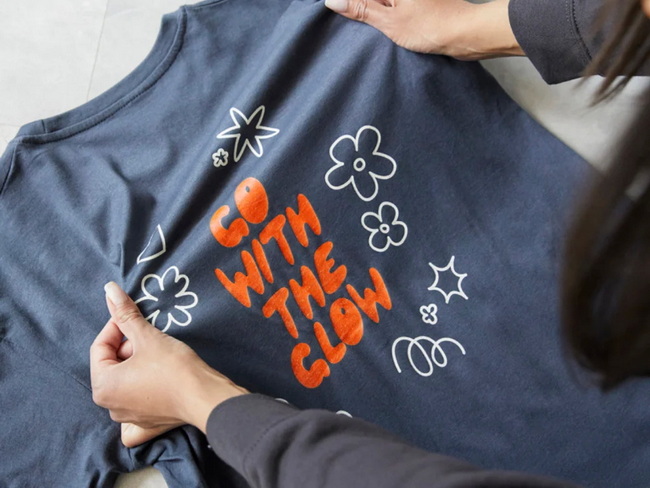
Sublimation printing uses special sublimation ink and transfer paper to move designs into polyester fibers or polyester-coated blanks with heat and pressure. Under high heat, the ink turns to gas and bonds with the surface, so there is no raised texture or film on top of the material.[2][6]
Core traits of sublimation:
- Best on light-colored polyester fabrics and polyester-coated items like mugs, tumblers, and metal panels.[2]
- Uses no white ink, so designs rely on the blank's base color and do not show well on dark substrates.[2]
- Prints feel soft and breathable because the ink becomes part of the fabric instead of sitting on top.[6]
This makes sublimation ideal for sportswear, photo gifts, and products that must withstand frequent washing without cracking or peeling.[2]
Aspect | DTF Printing | Sublimation Printing |
Core method | Print on PET film, add adhesive powder, cure, then press onto the substrate. | Print on sublimation paper, then gasify ink into polyester surface with heat. |
Compatible materials | Cotton, blends, polyester, nylon, and various fabric-based goods. | Polyester fabrics and polyester-coated hard goods only. |
Garment color support | Works on light and dark garments using white ink underbase. | Best on white or light colors because there is no white ink. |
Look and feel | Slightly raised, film-like or rubbery texture on top of fabric. | Absolutely smooth surface with no added texture. |
Color and detail | Strong opacity and vivid color, including bright designs on dark garments. | Photo-like gradients and smooth blends, ideal for detailed images. |
Durability | Durable when pressed correctly but can crack or peel with harsh washing. | Embedded in substrate, so it resists fading, peeling, and cracking. |
Equipment cost | Entry-level systems usually require a higher upfront investment. | True sublimation setups can start under a thousand dollars. |
Maintenance | Higher; white ink and powders require frequent use and cleaning. | Lower; printers are more forgiving for intermittent use. |
Workflow complexity | Multi-step: print, powder, cure, press, peel. | Simpler: print, tape, press, peel. |
Ideal use cases | Dark cotton apparel, mixed fabrics, fashion and streetwear. | Sportswear, team jerseys, mugs, tumblers, and photo gifts. |
This overview helps frame the decision so you can align the printing method with your catalog, budget, and long-term growth plans.[1]
A reliable DTF setup includes more than just a printer, and each component affects print quality and consistency. Key pieces include a CMYK plus white ink printer, RIP software, compatible PET films, adhesive powder, a curing unit, a heat press, and proper ventilation.[9]
A stable heat press with accurate temperature and pressure helps reduce defects, improve adhesion, and maintain consistent color from batch to batch.[5]
The DTF workflow combines digital printing with a heat-activated adhesive layer. A typical sequence looks like this:[9]
1. Prepare and mirror the design in RIP software.
2. Print CMYK first, followed by white ink, onto the correct side of the PET film.[3]
3. While the ink is still wet, apply adhesive powder evenly and remove excess.[9]
4. Cure the powdered film in a controlled heat source until the powder melts into a smooth adhesive layer.[9]
5. Position the film on the garment and press with the heat press at the recommended temperature, time, and pressure.[3]
6. Peel the film at the specified temperature and optionally repress to soften the feel.[9]
Stable temperature and consistent pressure are crucial to avoid partial adhesion or early peeling during washing.[5]
DTF stands out for its versatility, especially on fabrics that other digital methods struggle to cover. It supports detailed, full-color designs on both light and dark garments without pretreatment in many cases.[4]
DTF also enables short-run and on-demand production, giving decorators flexibility to handle small custom orders alongside larger batches.[1]
DTF requires higher initial investment and more demanding daily maintenance than many basic sublimation setups. The presence of white ink and adhesive powder increases the risk of clogs and residue, so consistent cleaning habits are essential.[7][1]
The finish of DTF prints can feel less natural, with a noticeable film layer that some customers may perceive as heavier than other print methods.[4]
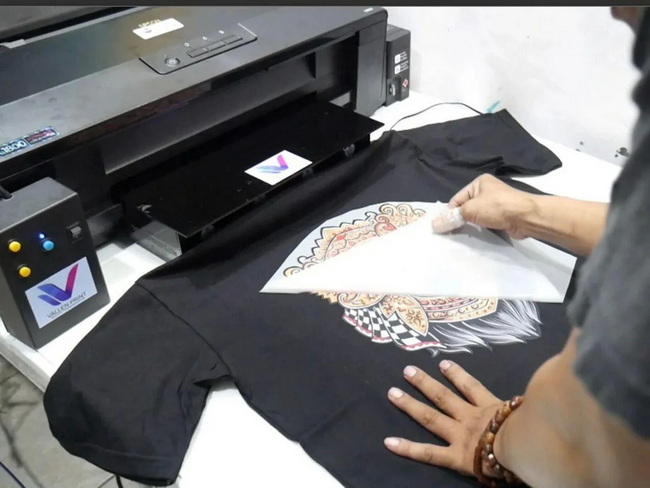
Sublimation systems typically rely on a dedicated sublimation printer, compatible inks and paper, a heat press or oven, and simple accessories such as heat-resistant tape and gloves. This equipment list is shorter and often more affordable than a full DTF setup, which helps new decorators enter the market.[1][2]
A dependable heat press still plays a central role, especially for larger garments and flat substrates where uniform heat and pressure determine color vibrancy and sharpness.[6]
Sublimation uses a solid-to-gas phase change to embed ink into polyester materials. A typical process looks like this:[2]
1. Create and mirror the design in design software.
2. Print the design onto sublimation paper using sublimation ink.
3. Secure the transfer onto the polyester fabric or coated blank using heat-resistant tape.[10]
4. Use a heat press or oven at the recommended temperature and time to convert the ink to gas and bond it with the substrate.[2]
5. Remove the paper to reveal the print, which now lives inside the surface rather than on top.[6]
Because there is no adhesive powder or curing step, the sublimation workflow is straightforward and easy to repeat once settings are dialed in.[2]
Sublimation is known for its extremely soft feel, since the ink becomes part of the polyester fiber. This quality makes sublimated garments comfortable for daily wear, sports, and active lifestyles.[6][2]
Sublimation prints show excellent durability against fading, peeling, and cracking, making them well suited to products that undergo frequent washing or outdoor use.[6]
Sublimation is limited by material requirements, working best only on polyester or polyester-coated surfaces. Cotton and most untreated natural fabrics do not bond well with sublimation inks, which restricts product options.[2]
Designs also depend heavily on the base color of the blank, since sublimation inks are translucent and there is no white ink to support dark garments.[2]
DTF tends to carry higher upfront cost because the process requires specialized printers, curing equipment, powder, films, and ventilation support. In return, the method scales effectively for high-volume garment production once the workflow is established.[1]
Sublimation, by contrast, allows many shops to start with a smaller budget by using a compact printer and a single heat press, then expanding into more presses and specialty attachments as demand grows.[1]
DTF systems usually demand regular printing, ink circulation, and manual cleaning to prevent clogs, especially in the white channels. Consistent routines are important, and many shops prefer to run DTF equipment daily rather than occasionally.[7]
Sublimation printers are generally more forgiving, though periodic test prints and basic maintenance still help keep nozzles clear and color stable over time.[2]
DTF prints provide strong opacity and vibrant color, particularly on dark garments, but carry a noticeable surface layer that changes the hand feel of the fabric. This can be an advantage for bold, graphic-heavy designs but may feel heavier than more integrated methods.[4]
Sublimation offers smooth gradients, photographic detail, and a finish that does not alter the texture of the fabric, which many customers appreciate for sportswear and daily wear.[2]
DTF garments tend to last longer when washed inside out, in cool or lukewarm water, on gentle cycles, and dried at low heat or air-dried. Excessive heat and aggressive washing can accelerate cracking or peeling of the film over time.[2]
Sublimation prints benefit from similar care but are more resistant to surface damage because the ink is embedded rather than sitting on top, reducing the risk of flaking during wash cycles.[6]
DTF is a strong choice for shops that focus on cotton or dark garments and need flexibility across different fabric compositions. Businesses emphasizing graphic streetwear, workwear, and fashion items benefit from the method's ability to handle bold designs on various textiles.[8][4]
It also suits production environments that can justify regular operation, strict maintenance routines, and investment in higher-end heat press equipment to maintain consistent output.[1]
Sublimation excels in catalogs built around polyester sportswear, team jerseys, and performance apparel where comfort and breathability matter. It is also a natural fit for mug, tumbler, and photo-gift businesses that rely on coated hard goods.[6][2]
Because the startup costs are lower and the workflow is simpler, sublimation is well suited to beginners and small shops that prefer a gradual path to scaling production.[1]
Choosing between DTF and sublimation is ultimately about aligning technology with your customers, materials, and growth strategy. Now is the time to define your core product line, decide whether fabric versatility or ultra-soft polyester prints matter more, and build a production setup that supports consistent, scalable output.[1][2]
Review your current catalog and upcoming product ideas, then map them against the strengths of each method so you can commit confidently to the solution that will power your business for the next few years. Once you have identified the right direction, act quickly to upgrade your equipment, refine your workflow, and turn that decision into a competitive advantage in your market.[8][1]

Both methods can be long-lasting, but sublimation usually offers better resistance to cracking or peeling because the ink is embedded in polyester fibers rather than sitting on the surface. DTF prints remain durable when properly pressed and washed gently, yet they are more susceptible to surface wear over time.[6][2]
Sublimation is generally easier for beginners thanks to its simpler, powder-free workflow and lower maintenance demands. DTF requires managing white ink, adhesive powder, curing, and stricter cleaning routines, which makes it better suited to shops that can commit to frequent production.[7][2]
Some printers can be converted or used in different modes, but switching ink types and configurations often introduces reliability risks. Most experienced decorators recommend dedicated systems for each technology to maintain stable color, reduce clogging, and protect equipment warranties.[7][6]
Sublimation does not work directly on dark cotton because the inks are translucent and only bond effectively with polyester. To decorate dark cotton garments with vibrant color, decorators typically rely on DTF or other transfer methods instead.[4][2]
Profit potential depends on your target market and product mix, not just the printing method. Sublimation can be highly profitable for polyester sportswear and photo gifts, while DTF delivers strong margins on dark cotton apparel and varied fabrics, especially once the equipment investment is recovered.[8][1]
[1](https://printify.com/blog/dtf-vs-sublimation/)
[2](https://www.shopify.com/blog/sublimation-vs-dtf)
[3](https://www.xtool.com/blogs/xtool-academy/dtf-printing)
[4](https://www.xtool.com/blogs/xtool-academy/dtf-vs-sublimation-printing)
[5](https://eagledtfprint.com/blogs/news/best-heat-press-for-dtf-transfers)
[6](https://www.conde.com/Understanding-DTF-and-Sublimation-Printing-Key-Differences-and-Applications.asp)
[7](https://lawsonsp.com/blogs/education-and-training/direct-to-film-dtf-faq)
[8](https://mclogan.com/blogs/news/dtf-printing-vs-sublimation-printing-a-detailed-comparison)
[9](https://aestheticbk.com/blogs/news/dtf-printing-process)
[10](https://www.printful.com/blog/dtf-vs-sublimation)
[11](https://dtgpro.com/ciccategory/dtfpro-heat-presses)
[12](https://www.youtube.com/watch?v=CwYnlQkf6J8)


