If you have any questions, please feel free to contact us.| Email Us: info@dcheatpress.com


Views: 222 Author: Amanda Publish Time: 2026-01-05 Origin: Site


Content Menu
● Why Heat-Pressed Jerseys Dominate Modern Sports
● Core Concepts For This Jersey Guide
● HTV And Other Transfer Methods For Jerseys
● Essential Equipment For Professional Jersey Customization
● Threadable Platens, Pillows, And Foam
● Step-By-Step Jersey Production Workflow
>> Preproduction: Roster Data, Design, And Proofs
>> Material Check And Test Press
>> Cutting And Weeding Names And Numbers
>> Pressing Order And Layering Settings
● Heat Settings, Pressure, And Fabric Protection
● Managing Dye Migration And Color Stability
● Layout, Sizing, And League Requirements
● Organizing Team Orders For Speed And Accuracy
● Professionalism, Communication, And Customer Experience
● Pricing And Profitability For Jersey Customization
● Upgrade Your Jersey Production System
● Frequently Asked Questions About Custom Heat-Pressed Sports Jerseys
>> (FAQ 1) What is the best material for custom names and numbers on jerseys?
>> (FAQ 2) How hot should a heat press be for jerseys?
>> (FAQ 3) How do I avoid pressing through both layers of a jersey?
>> (FAQ 4) How can I prevent dye migration on dark or sublimated jerseys?
>> (FAQ 5) What should I include in a team jersey quote?
Custom sports jerseys are one of the fastest ways for decorators to move from hobby income to serious, repeat team contracts. With the right heat press, materials, and workflow, you can deliver professional names and numbers that match what players see on televised games.[1]

Many professional and semi-professional teams now rely on heat-pressed names and numbers instead of sewn tackle twill for speed, consistency, and cost control. Heat transfer vinyl (HTV) and modern digital transfers allow short runs, late roster changes, and last-minute reprints with far less waste.[1]
For decorators and small shops, jersey customization offers:
- High perceived value per garment, especially for fan replicas and club teams.
- Scalable workflows that can move from 10 jerseys to 200+ with the same basic setup.
- Strong opportunities for recurring orders from leagues, schools, and corporate teams.[1]
This guide focuses on custom sports jerseys, heat press jerseys, and HTV names and numbers for business use. It covers materials, equipment, workflow, pricing considerations, and quality control so teams can trust your shop season after season.[1]
Key concepts covered:
- HTV and related transfer types for jerseys
- Heat press setup and platen strategy
- Material compatibility and dye migration control
- Number and name layout, sizing, and approvals
- Business practices that support long-term team relationships[1]
Heat transfer vinyl remains the most common solution for custom names and numbers on polyester jerseys, especially for team sports. It delivers opaque, sharp lettering and can be cut on desktop vinyl cutters for flexible production.[1]
Popular jersey transfer options include:
- Standard HTV: Suitable for solid names and numbers on many light or dark jerseys.
- Sub-block / anti-bleed HTV: Formulated to block dye migration on sublimated or deeply dyed polyester.
- Printable HTV / DTF: Useful when logos or multicolor graphics are combined with names and numbers.[1]
When building a scalable jersey workflow, focus on consistent film thickness, stretch, and wash durability so different batches feel similar on the body.[1]
A reliable workflow for custom jerseys starts with the right combination of vinyl cutter and heat press. The goal is to maintain accurate cutting, pressure, and temperature across repeated presses.[1]
For player names and numbers, an efficient cutting station should provide:
- A vinyl cutter with accurate tracking for long names and large back numbers.
- Software templates or design files with standardized font sizes and placements by sport.
- Weeding tools that support fast removal of counters in letters and small details.[1]
A 24 inch class cutter is often sufficient for most jersey work and can handle long names and full-width numbers for adult sizes.[1]
For jerseys, the most important heat press features are:
- Even heat and pressure across the platen for consistent adhesion.
- A threadable or split-platen design to isolate the print area and avoid pressing through both layers.
- Accurate digital controls for temperature, time, and pressure, especially when working near the limits of synthetic fabrics.[1]
If a fully threadable press is not available, pressing pillows or foam pads can help lift the application area and avoid seams and buttons.[1]
Jerseys usually have seams, trims, and mesh that can interfere with even pressure if both layers are pressed at once. A threadable lower platen or a splitter stand allows the jersey to slide over the platen so only the front or back layer sits under the heated plate.[1]
When a threadable setup is not available:
- Use pressing pillows under the print area to raise the fabric away from seams and hems.
- Apply foam pads and adjust pressure, targeting roughly 50–60% compression so the transfer film receives firm, even contact.[1]
This method helps avoid box marks, uneven adhesion, and glossy pressure marks on delicate fabrics.[1]
This section lays out a repeatable workflow that can be scaled for single jerseys or full team orders.[1]
Before handling any jerseys:
1. Collect a roster spreadsheet that includes:
- Player names
- Numbers
- Sizes and positions such as front, back, sleeves, or shorts
2. Confirm font style and size in line with the league and level of play.
3. Generate a PDF proof with front and back mockups and request written approval before ordering blanks.[1]
Locking these details early helps prevent costly replacement jerseys and disputes.[1]
Jerseys are often made from polyester or polyester blends, sometimes with sublimated patterns. Always check the care label and, when possible, test a scrap or inside hem.[1]
- Perform a test press with a small piece of HTV on a hidden area to confirm:
- No scorching or shine
- No melting or fabric distortion
- No dye bleeding during or after pressing[1]
If dye migration occurs, switch to sub-block HTV designed to resist bleeding from sublimated or heavily dyed fabrics.[1]
Once proofs are approved:
- Import the roster into the design software and use variable data or naming templates to generate each name and number.
- Arrange numbers and names to maximize material usage on each HTV roll.
- Cut all elements, then weed systematically, grouping each player's elements in labeled folders or trays.[1]
Accurate labeling significantly reduces mistakes when pressing large team orders.[1]
When using common HTVs such as easy‑weed style films, a typical approach is:
- Pre-press the jersey for a few seconds to remove moisture and smooth wrinkles.
- Position the back number first and apply a short tack press to fix it in place.
- Add the player name above the number and press for the full recommended time.
- Peel hot or warm according to the HTV's instructions.[1]
Short tack presses for the first layer help protect both the fabric and the transfer when multiple layers are needed.[1]
Before packing:
- Confirm spelling, number, and placement against the approved roster.
- Check for incomplete edges, lifting corners, or scorch marks.
- Verify that front and back prints align visually across the entire set of jerseys.[1]
A simple checklist at this stage can catch most issues before the jerseys reach the customer.[1]
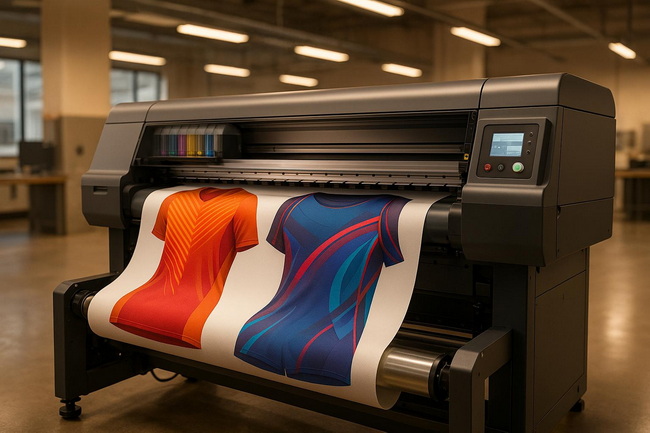
Each HTV brand has its own recommended settings, but jerseys require extra attention because of their synthetic composition. Polyester can be sensitive to higher temperatures and may show shine or heat marks if pressed too long or too hot.[1]
Best practices include:
- Use manufacturer settings as a starting point and adjust after test presses.
- Reduce press time slightly when layering multiple pieces and rely on short tack presses for early layers.
- Use a non-stick sheet or parchment to shield the fabric and any existing prints or logos.[1]
Consistent temperature and pressure across the entire order help avoid variations in feel and durability.[1]
Dye migration occurs when the dyes in a polyester jersey move into the transfer, causing it to shift color over time. This is especially noticeable on white or light-colored numbers applied to red, maroon, or black jerseys.[1]
To reduce migration risk:
- Choose sub-block or anti-bleed HTV specifically formulated for dyed polyester.
- Avoid unnecessarily high heat or long dwell times that activate dyes in the fabric.
- Let sample jerseys rest for 24–48 hours after pressing and inspect them before approving a large production run.[1]
Educating customers about dye migration and showing sample solutions can build trust and help with decision making.[1]
Different sports and leagues often specify minimum sizes and positions for numbers and sometimes names. Failing to follow these rules can lead to rejected uniforms or penalties, especially in competitive leagues.[1]
Practical tips:
- Maintain a reference chart with common standards for:
- Back numbers
- Front numbers
- Sleeve or short numbers
- Player names and sponsor logos
- Build reusable templates in design software for each sport and age group.
- Review league documentation or past sample jerseys when working with a new club.[1]
This preparation speeds up design decisions and reduces revisions during the proofing stage.[1]
A structured process allows large team orders to be pressed without errors or wasted time. A predictable workflow also reassures clients.[1]
A simple organization system can include:
- One spreadsheet row per player with name, number, size, and special notes.
- A label on each jersey showing the player's name and size.
- Individual folders, envelopes, or trays containing each player's cut and weeded transfers.[1]
Completed jerseys can be moved to a separate checked area to prevent mixing with unpressed garments.[1]
Technical quality must be supported by professional communication and service. Many teams reorder every season, so a reliable experience can secure long-term relationships.[1]
Ways to strengthen service:
- Use a clear, branded invoice and quote template with transparent line items.
- Share lead times, revision limits, and payment terms in writing before production.
- Maintain prompt, friendly contact around proofs, changes, and delivery updates.[1]
Satisfied teams are more likely to recommend your shop to other clubs and leagues in their network.[1]
A structured pricing model helps ensure that every jersey order remains profitable. Complex customization and multiple print zones can quickly reduce margins if they are not priced properly.[1]
Consider basing pricing on:
- Base jersey cost: Blank garment and any official patches supplied by the client.
- Decoration zones: Separate pricing for back numbers, front numbers, player names, sleeve numbers, and sponsor logos.
- Rush and setup fees: Additional charges for short deadlines, small quantities, or new artwork setup.[1]
An internal table that links the number of decoration zones per jersey to a recommended retail price can keep quotes consistent.[1]
To turn jersey customization into a steady, high-value segment of your business, focus on refining both equipment and process. An integrated setup with a reliable heat press, jersey-safe HTV, organized data management, and clear proofing steps creates consistent results for every team order.[1]
Now is the right time to:
- Review and standardize your heat press settings, platens, and accessories for sports jerseys.
- Build or refine your roster and proofing templates so every team order follows the same clear path.
- Develop a simple, transparent pricing structure for names, numbers, and sponsor logos that protects margins.
By implementing these steps and positioning your shop as a specialist in custom sports jerseys, you can attract more team contracts, increase repeat orders, and grow a stable, long-term revenue stream in the sports market.[1]
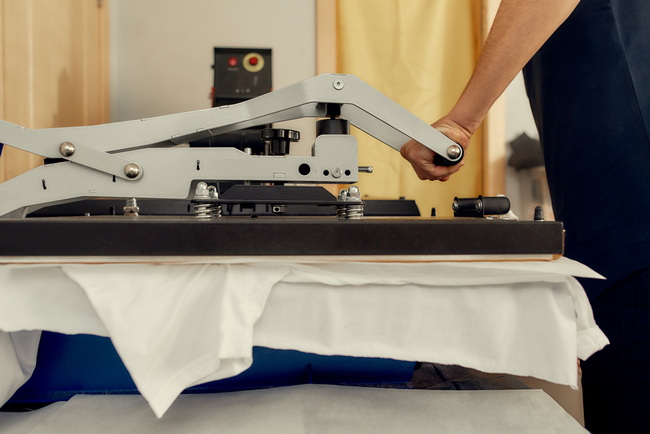
For most team jerseys, heat transfer vinyl (HTV) with good stretch and wash resistance is a practical and reliable choice. For sublimated or deeply dyed polyester, sub-block or anti-bleed HTV helps prevent dye migration into white or light designs.[1]
Many standard HTVs press in a general range around 285–320 °F, but the exact settings should follow the instructions provided for the specific film. Jerseys are usually synthetic, so test presses are important to avoid scorching or shine.[1]
A threadable heat press or splitter-style stand allows only the front or back of the jersey to sit on the platen. If this is not available, pressing pillows or foam pads inside the jersey can raise the print area and prevent seams and hems from affecting pressure.[1]
Using an anti-bleed or sub-block HTV designed for polyester and avoiding extreme heat or long dwell times can significantly reduce dye migration. Testing a sample jersey and checking it again after 24–48 hours is a good way to confirm stability before full production.[1]
A comprehensive team jersey quote should show the blank jersey cost, the number and type of decoration zones such as back number, front number, name, sleeve numbers, and sponsor logos, plus any rush fees or artwork setup charges. Clear lead times, proofing stages, and payment terms should also be included.[1]
[1](https://www.heatpressnation.com/blogs/academy/make-it-to-the-business-big-leagues-with-custom-sports-jerseys)


