If you have any questions, please feel free to contact us.| Email Us: info@dcheatpress.com


Views: 222 Author: Amanda Publish Time: 2025-12-23 Origin: Site


Content Menu
● Who this guide is for and key terms
● How each print method actually works
>> Sublimation printing: permanent color on polyester
>> White toner printing: flexible on fabrics and hard goods
>> DTF printing: film-based transfers for apparel
● Business-oriented comparison: sublimation vs white toner vs DTF
>> Key differences across methods
● When sublimation fits your business model
>> Ideal use cases for sublimation
● When white toner fits your business model
>> Ideal use cases for white toner
● When DTF fits your business model
● Practical selection guide: matching method to products
>> Step-by-step decision process
● Process control and quality tips for all three methods
● Take the next step for your printing business
● FAQs: Sublimation vs White Toner vs DTF
>> (1) Which print method is most profitable for a small apparel business?
>> (2) Can one heat press handle sublimation, white toner, and DTF?
>> (3) Is white toner still worth considering if DTF is available?
>> (4) How do ongoing maintenance needs compare?
>> (5) What if my business eventually needs more than one method?
This guide is written for apparel decorators, promotional product shops, and startup print-on-demand brands evaluating sublimation printing, white toner printing, and direct-to-film (DTF) printing. It focuses on how each method affects cost, durability, material compatibility, and scalability so you can make a confident, ROI-driven investment decision.
Core focus phrases used throughout this article include sublimation printing, white toner printing, DTF printing, and choosing the right print method for your business, aligned with how real buyers research printing solutions. By structuring these terms into clear headings and concise explanations, the content remains readable for users while signaling strong topical relevance to search engines.
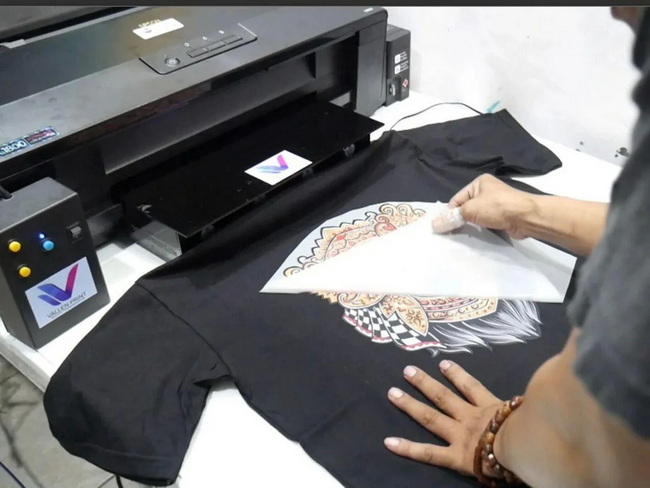
Understanding the core mechanics of sublimation, white toner, and DTF helps you connect the technology to the final product quality and suitable substrates. Once you see how each process transfers color and white onto different materials, it becomes much easier to choose the right print method for your business.
In sublimation printing, special dye-based ink is printed onto transfer paper and then heated until the ink turns into gas and bonds with polyester fibers or polymer-coated surfaces. Because the dye actually penetrates the surface, the resulting image is highly durable with virtually no feel on the fabric or coated blank.
This process works best on white or very light substrates made from polyester or those with a dedicated polymer coating, such as certain mugs, metal panels, and tiles. Dark garments and uncoated natural materials are not suitable, which is the main limitation of sublimation despite its excellent color and softness.
White toner printing uses a laser or LED printer that can output white toner along with CMYK onto a specialized transfer sheet. The transfer is typically combined with an adhesive sheet under heat and then applied to the final garment or substrate using a heat press.
Because the system prints white as an underbase, it can decorate both light and dark garments, including cotton, blends, and some synthetics. In addition, the same technology can be used on certain uncoated hard goods such as wood or specific plastics, expanding the range of items you can offer.
DTF printing produces transfers by printing CMYK plus white ink directly onto PET film, coating the wet ink with adhesive powder, curing it, and finally pressing the film onto the garment. The cured adhesive and ink form a flexible, stretchable layer that bonds to the fabric when pressed under heat and pressure.
DTF is highly appealing for apparel because it works on cotton, polyester, blends, and many specialty fabrics in both light and dark colors. With properly maintained equipment and correct press settings, DTF prints can achieve strong wash durability and a relatively soft hand feel compared with older transfer technologies.
For busy shop owners, a clear side-by-side view makes it easier to translate technical differences into business decisions. The table below summarizes the main dimensions that matter when choosing the right print method for your business.
Dimension | Sublimation Printing | White Toner Printing | DTF Printing |
Core technology | Dye turns to gas and bonds with polyester or polymer coating. | White and CMYK toner fused on transfer media then onto substrate. | Pigment inks printed on PET film, powdered, cured, and heat-pressed. |
Best products | Polyester apparel, sportswear, coated mugs, metal panels, hard-surface gifts. | Cotton and poly garments, dark apparel, selected uncoated hard goods. | Cotton, polyester, blends, and stretchy garments for fashion or workwear. |
Fabric color limits | White and light colors only for true quality results. | Works on light and dark fabrics due to white toner underbase. | Works on light and dark fabrics with white ink underbase. |
Print feel | Essentially no hand on fabric; ink inside fibers. | Noticeable film, especially on solid or large areas. | Soft, flexible hand when process is tuned correctly. |
Durability | Very high on suitable polyester or coated blanks. | Good durability when artwork and press settings are optimized. | Strong durability with proper curing and pressing. |
Equipment cost | Generally lower printer cost, plus a quality heat press. | Higher printer and software cost, but broad substrate range. | Mid-to-high depending on system size and automation. |
Maintenance | Inkjet; requires regular use to avoid clogs. | Toner-based; more tolerant of idle periods. | Inkjet with white ink; needs steady maintenance. |
Ideal business fit | Niche premium polyester apparel and coated gifts. | Mixed catalogs with garments and hard goods. | Apparel-focused brands needing scalability. |
Sublimation is a strong choice when your catalog focuses on polyester-rich products or specialized coated blanks and your buyers care about ultra-soft feel and vivid color. Within these conditions, it is often one of the most efficient and profitable methods you can choose.
- Sports jerseys, training wear, and athleisure made from polyester or high-poly blends where breathability and comfort are critical.
- Personalized home and office gifts such as mugs, photo panels, and ornaments that use dedicated sublimation-coated substrates.
- All-over prints and edge-to-edge graphics on polyester garments using larger format presses or multi-station systems.
The main advantage of sublimation is a permanent image embedded into the surface, which resists cracking, peeling, and fading under normal use when applied to compatible substrates. At the same time, the lack of hand feel makes the finished garment or product feel premium and comfortable.
However, sublimation cannot produce opaque graphics on dark fabrics and is fundamentally tied to polyester or polymer coatings. For shops that rely on cotton garments or uncoated natural materials, this becomes a significant limitation in product variety.
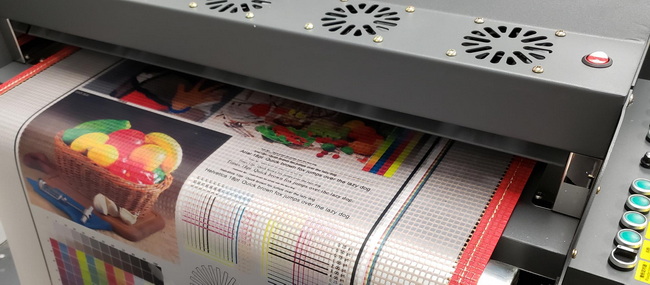
White toner printing is particularly attractive for decorators who need to serve diverse clients and substrates with one main print engine. Its ability to print white and full color onto both garments and certain hard goods makes it a flexible core technology.
- Mixed orders of cotton and polyester T-shirts and hoodies in both light and dark colors for schools, clubs, and local brands.
- Branded gifts or awards on compatible uncoated materials such as wood or some specialty surfaces.
- Low-volume or on-demand jobs where the printer may sit idle between orders, favoring the stability of toner.
White toner can reproduce detailed, full-color artwork, including gradients and small type, without cutting or weeding, which simplifies production for complex designs. The technology also tolerates irregular usage patterns better than many inkjet systems, which is useful for small or seasonal shops.
On the other hand, the print layer is a surface film, so large solid graphics can feel heavier than sublimation or well-tuned DTF transfers. The equipment cost, including RIP software to manage white and color channels, is also higher than entry-level sublimation setups.
DTF suits businesses that see apparel as their primary revenue driver, especially where most orders involve cotton, blends, or mixed fabrics. It is particularly relevant if you plan to scale beyond hobby level into consistent, volume-oriented production.
- Fashion and streetwear brands needing vibrant prints on cotton or cotton-rich garments, including dark colors.
- Online and print-on-demand businesses fulfilling many different designs in low to medium quantities.
- Transfer sellers who produce and ship DTF transfers to other decorators rather than pressing every garment in-house.
DTF delivers a relatively soft, flexible print that can stretch with the garment when properly cured and pressed. It also provides strong wash resistance, making it suitable for everyday apparel that needs to withstand frequent laundering.
The main downsides involve system complexity and maintenance, especially for white ink circulation and curing consistency. Shops must commit to regular cleaning and color management to maintain output quality and avoid premature equipment issues.
A structured approach prevents you from choosing equipment based on trends rather than actual business needs. The following steps help translate your product list into a clear printing strategy.
1. List the main products you sell or plan to sell, such as T-shirts, hoodies, mugs, plaques, or performance wear.
2. For each item, note the fiber content (cotton, polyester, blend) and typical garment or substrate color.
3. Mark which methods can handle that combination: sublimation for light polyester and coated goods, white toner for mixed fabrics and some hard goods, DTF mainly for apparel of many types.
4. Estimate volume and profit potential for each category, then prioritize the print method that covers the highest revenue segment with the fewest compromises.
5. Align the chosen method with appropriate heat press capabilities, including platen size, pressure control, and cycle times needed for your expected workload.
This exercise makes it clear whether you should start with a polyester-focused system, a generalist garment and hard-goods system, or an apparel-scaled solution. It also reduces the risk of buying equipment that cannot support your real product mix.
Regardless of the technology you choose, consistent process control is crucial to maintaining quality and profit margins. Small improvements in calibration and documentation often have a large impact on repeatability and customer satisfaction.
- Calibrate heat press temperature and pressure regularly to ensure you are hitting the recommended settings for each transfer type.
- Keep a documented log of time, temperature, pressure, and peel instructions for each product line to minimize trial and error.
- Maintain a clean environment around your printer and press area to reduce dust, fibers, or moisture interfering with transfers.
- Track real production cost per piece, including inks or toner, media, blanks, and labor, so pricing reflects your true costs.
- Verify fabric content and color before choosing sublimation, white toner, or DTF for each job to avoid incompatible matches.
These habits support consistent print quality and reduce rework, especially when combined with reliable, even-heating presses and well-maintained printing equipment. Over time, they also form the basis for training new operators and scaling production.
Choosing the right print method for your business is ultimately about aligning technology with your products, customers, and growth plans rather than chasing trends. Review your current catalog and target market, decide whether sublimation, white toner, or DTF best fits your top-selling items, and then invest in the appropriate printer and heat press combination with a clear plan for process control and pricing. If you are ready to move from research to action, evaluate equipment packages and professional-grade heat presses that match your chosen method, and schedule a consultation with a specialist who can help configure a complete, scalable solution for your production goals.
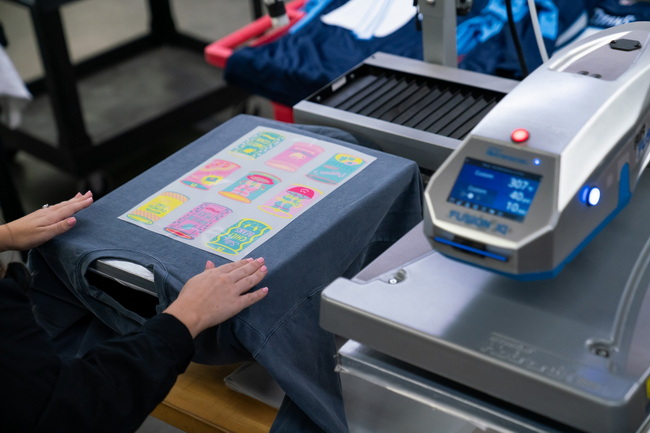
For a small apparel-focused shop working mainly with cotton and blends, DTF is often attractive because it handles many fabric types and colors with good durability. However, if your niche is primarily polyester sportswear or coated gifts, sublimation can be more profitable due to strong perceived value and relatively low entry cost.
A quality flat heat press with accurate and stable controls can usually handle all three transfer types, provided you follow the recommended settings for each. Many decorators successfully use the same press for sublimation paper, white toner transfers, and DTF films by adjusting temperature, time, pressure, and peel instructions.
White toner remains relevant because it excels in certain scenarios, particularly when you need to decorate both garments and select uncoated hard goods with a single print engine. DTF is often stronger for apparel-only operations, while white toner provides useful flexibility for mixed material catalogs.
Sublimation and DTF both rely on inkjet systems that require regular printing and maintenance to keep nozzles clear, with white ink in DTF demanding special attention. In contrast, white toner printers typically tolerate longer idle periods because of their toner-based engine, which can be easier for low-frequency users.
Many established decorators operate more than one technology, for example combining sublimation with DTF or DTF with white toner to cover a wider range of products. The key is to start with the method that aligns with your primary product and customer segment, then add a second system once volume and demand justify the investment.


