If you have any questions, please feel free to contact us.| Email Us: info@dcheatpress.com


Views: 222 Author: Amanda Publish Time: 2025-12-26 Origin: Site


Content Menu
● What Sublimation Really Needs To Work
● Why Sublimation Fails On Untreated Cotton
>> How the chemistry conflicts with cotton
>> What you actually see after washing
● Three Main Ways To “Sublimate” On Cotton
>> 1. Use a Polyester-Cotton Blend
>> 2. Apply a Sublimation Coating To Cotton
>> 3. Use Sublimation-Ready Heat Transfer Vinyl (HTV)
● Step-By-Step: How To Print Sublimation Designs On Cotton
>> Step 1: Choose and Prepare Your Garment
>> Step 2: Create and Print Your Sublimation Transfer
>> Step 3: Pretreat Cotton When Needed
>> Step 4: Position and Secure the Transfer
>> Step 5: Press With Appropriate Heat and Time
>> Step 6: Cool, Inspect, and Finish
● Durability, Wash Care, and Realistic Expectations
>> Recommended Care For Cotton Sublimation Workarounds
>> What Typically Lasts Longest
● Comparing Cotton Printing Methods For Business Use
>> Overview of Common Cotton Printing Approaches
● Take Action: Choose The Right Cotton Printing Setup For Your Goals
● FAQs About Sublimation On Cotton
>> 1. What happens if I sublimate directly on 100% cotton?
>> 2. Is it better to sublimate on cotton or polyester?
>> 3. Can I sublimate on dark cotton shirts?
>> 4. How long do cotton sublimation workarounds last in the wash?
>> 5. What should I choose if I want soft cotton shirts with vivid, photo-quality prints?
Sublimation on cotton is possible, but it always depends on workarounds like blends, coatings, or vinyl, and each method comes with clear pros and cons. The key to success is matching the right fabric and workflow to your quality, durability, and business goals.
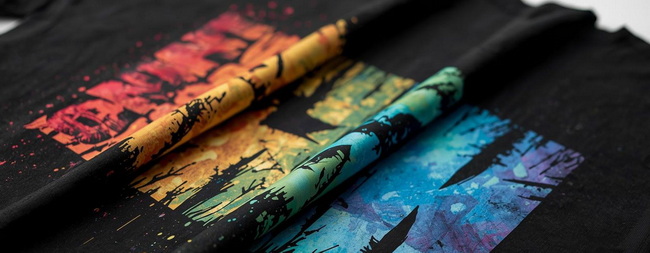
Sublimation dyes turn into gas under high heat and then bond to polymer-based fibers such as polyester, not to natural fibers like cotton. Without a compatible polymer, the ink cannot form a permanent chemical bond and instead sits weakly on or in the fibers.
When a sublimation print is pressed onto 100% cotton with no pretreatment, the result often looks bright at first but fades quickly in the wash because the ink has nothing solid to lock into. This is why cotton sublimation is best understood as a “hack,” while true sublimation is fundamentally a polyester-based process.
- Sublimation ink is engineered to interact with synthetic polymers, not plant-based cellulose.
- Polyester fibers accept and hold the gaseous dye inside the fiber structure, so the print feels soft and resists cracking, peeling, and fading.
Cotton fibers are made of cellulose and do not contain the polymers needed for a strong sublimation bond. In practice, this means the color sits more loosely, so detergent, water, and friction remove the dye over repeated washes.
On a 100% cotton shirt with no extra treatment, the design may look crisp and vivid right after pressing. After a few laundry cycles, however, the colors usually become dull or washed out, and fine details can lose clarity. Even gentle laundering cannot fully compensate for the lack of a proper chemical bond.
Even though cotton on its own is not sublimation-friendly, several practical methods allow you to place a sublimation design onto a cotton shirt or cotton-rich garment. Each method changes the surface the ink bonds to while keeping cotton present for comfort or branding.
A poly-cotton blend introduces enough polyester for genuine sublimation while preserving a soft feel similar to cotton. A blend with at least 60 percent polyester generally delivers noticeably better color and durability than lower polyester percentages.
In a 60/40 polyester-cotton shirt, the ink can penetrate the polyester fibers, so the design becomes more permanent and wash-resistant than it would on pure cotton. Lower-poly blends such as 50/50 can still work, but prints tend to look more vintage or muted because only part of the fiber content bonds with the dye.
1. Pros of poly-cotton blends:
- Softer and more breathable than many 100 percent polyester garments.
- No additional coating or vinyl layer is required in the design area.
2. Cons of poly-cotton blends:
- Colors are typically less intense than on 100 percent polyester shirts.
- The garment label cannot claim “100 percent cotton,” which may matter in some markets.
Special sublimation coating sprays or liquids can be applied to cotton to create a thin, polymer-rich film that mimics a polyester surface. The sublimation dye then bonds to this film instead of to the underlying cotton fibers.
When applied evenly and cured correctly, a coating can support relatively bright and detailed prints on cotton garments, especially on white or very light colors. However, the print area often feels slightly stiffer or glossier than the rest of the fabric because of the added film.
1. Benefits of using coating on cotton:
- Allows the use of 100 percent cotton garments while still working with sublimation designs.
- Can be targeted only to the design area so the rest of the shirt retains its original feel.
2. Limitations and trade-offs:
- Uneven application can cause patchy color, banding, or edges where the coating line is visible.
- Long-term durability depends heavily on product quality, application technique, and wash routine.
- The treated area usually does not feel exactly like unprinted cotton.
Another popular workaround is to apply a sublimation-compatible HTV or similar film to the cotton garment and then sublimate onto that film. In this case, the vinyl (or similar material) provides the polymer surface the ink needs.
Typically, the vinyl is cut and weeded to shape, pressed onto the shirt, and then used as the base for a sublimation transfer. White sublimation HTV or white glitter HTV is especially useful on dark shirts because it both provides a bright base and blocks the shirt color from showing through.
1. Advantages of sublimation on HTV:
- Works on 100 percent cotton and on dark-colored shirts.
- Supports very vivid colors and fine detail when correctly pressed.
2. Disadvantages of sublimation on HTV:
- The design area has a clearly defined vinyl edge and a different surface feel from the surrounding fabric.
- Large solid blocks of HTV can feel heavier and less breathable than direct garment printing.
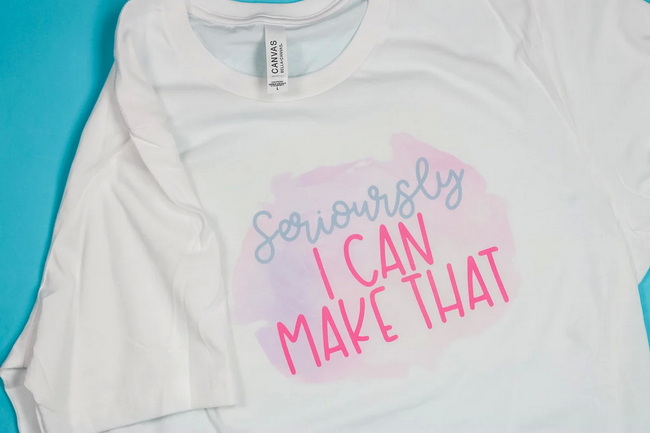
This general workflow can be adapted to blends, coatings, or HTV, and it assumes the use of a quality heat press and proper sublimation supplies.
- Decide whether you will use a poly-cotton blend, a cotton shirt with sublimation coating, or a cotton shirt with sublimation-compatible HTV.
- Use a lint roller to remove loose fibers and dust from the print area.
- Pre-press the garment briefly to remove moisture and smooth out wrinkles.
- Design your artwork in your preferred software and mirror it before printing.
- Use sublimation ink and compatible paper, and select appropriate print settings for vivid, accurate color.
- Trim the transfer to reduce excess paper, while keeping enough margin to avoid ink near the press edges.
If you are printing on a cotton shirt with coating or HTV, this is where you prepare the surface.
For sublimation coating:
- Apply the coating evenly across the intended print zone, following the coverage guidelines from the coating manufacturer.
- Level the coating with a brush or foam roller if required, and allow it to dry and cure as instructed before pressing.
For sublimation-compatible HTV:
- Cut and weed the vinyl design.
- Position it on the shirt and press it according to the recommended temperature, time, and pressure.
- Allow the HTV to cool or peel according to its specifications so the surface is ready for sublimation.
- Place a protective sheet or card stock between the front and back layers of the shirt to guard against dye bleed.
- Align the sublimation transfer design-side down on the coated or vinyl surface, or on the polyester-rich area in the case of blends.
- Tape the transfer in place with heat-resistant tape to prevent shifting and ghosting during the press cycle.
Typical ranges for many shirt setups include temperatures in the high 300s Fahrenheit and press times around half a minute to a minute, though exact settings should always follow the recommendations for the specific blank, coating, or HTV.
Maintain consistent, medium pressure and ensure the press is heating evenly across the platen, as hot or cool spots can cause uneven color or incomplete transfers. Protect both the press platen and the garment with clean protective sheets wherever necessary.
- Remove the transfer carefully right after pressing, keeping the paper steady to avoid smearing.
- Lay the garment flat and allow it to cool without stretching or distorting the design area.
- Inspect the print for banding, dull spots, or blurred edges that could signal uneven coating, moisture, or pressure issues.
Durability for cotton-focused sublimation methods is influenced by whether the ink bonds directly to polyester fibers or to a workaround surface. Understanding this helps set realistic expectations for customers and for your own product standards.
- Wash garments inside out in cool or warm water with mild detergent.
- Avoid bleach or aggressive stain treatments in the print zone.
- Air dry when possible or use low-heat tumble drying to reduce stress on any coated or vinyl surface.
Direct sublimation on high-polyester garments tends to deliver the longest-lasting, softest results because the ink becomes part of the fiber. Cotton paired with HTV or coatings can still perform well when cared for correctly, but heavy stretching, high-heat drying, or harsh detergents may shorten the life of the design.
If long-term washability on cotton is a critical promise for your brand, it is worth evaluating technologies such as direct-to-film transfers, direct-to-garment printing, or screen printing as alternatives for cotton-heavy product lines.
When cotton is non-negotiable and you need consistent, repeatable quality, it helps to compare sublimation-related workarounds against other established printing methods.
Method | Works On 100% Cotton | Feel On Fabric | Color & Detail Quality | Typical Use Case | Durability With Care |
Sublimation on poly-rich blends | Partially (needs poly in blend) | Soft, no extra film in design area | Very good on higher polyester content | Branded apparel, lightweight performance styles | High |
Cotton with sublimation coating | Yes | Slightly stiffer or glossier in print area | Vibrant when application is even | Small runs, experimental or niche cotton projects | Medium to high, product-dependent |
Sublimation onto HTV on cotton | Yes | Noticeable vinyl layer | Excellent for full-color designs | Custom shirts, special-effect finishes | Medium to high |
Direct-to-film (DTF) transfers | Yes | Thin, flexible film | High, suitable for detailed art | Small and medium brands needing versatility | High |
Direct-to-garment (DTG) | Yes | Soft, especially on light shirts | High, good for gradients and photos | Fashion lines, on-demand apparel | High |
Screen printing | Yes | Slight ink layer, generally soft | Excellent for bold, simple graphics | Large bulk runs, logos, and text designs | Very high |
For many cotton-heavy catalogs, DTF or DTG often become the primary production technologies, with sublimation reserved for polyester garments and hard-surface blanks. Sublimation-on-cotton hacks then fill a secondary role for special projects or smaller, customized orders.
If you want to create cotton products that look professional and hold up in real-world use, the most important step is to choose a printing and pressing setup that matches your actual volume, fabric mix, and quality requirements. Instead of relying on trial and error with random hacks, invest in a stable, well-controlled heat press and a clearly defined path for cotton, blends, and polyester. With the right equipment and method, you can deliver consistent, durable, and profitable results on shirts, accessories, and more.
(1) The initial print can look bright, but the design typically fades quickly in the wash because the ink does not chemically bond to the cotton fibers.
(2) Even with gentle washing, long-term color retention is usually poor when no coating, blend, or vinyl is involved.
(1) For true sublimation, polyester is the better choice because it provides the polymer structure the ink needs to bond permanently.
(2) Cotton can still be used, but it always requires workarounds that add coatings or films, and the result is different from pure sublimation on polyester.
(1) Sublimation alone does not show well on dark garments because the dye is translucent and the shirt color overwhelms the design.
(2) To decorate dark cotton, use white sublimation-compatible HTV, specialty films, or alternative processes like DTF or screen printing.
(1) Blends with higher polyester content usually provide the most reliable performance over repeated washes.
(2) Coatings and HTV can last well when applied and cared for correctly, but they are more sensitive to high heat, aggressive detergents, and heavy stretching.
(1) Direct-to-garment or direct-to-film solutions are often the most suitable for bright, detailed prints on soft cotton fabrics.
(2) These methods avoid the need for coatings or vinyl in many cases, while still providing strong color and professional durability when set up correctly.


