If you have any questions, please feel free to contact us.| Email Us: info@dcheatpress.com


Views: 222 Author: Amanda Publish Time: 2025-12-20 Origin: Site


Content Menu
● What Is Polyester And How It Reacts To Heat
● Key Benefits Of Heat Pressing On Polyester
● Main Heat Transfer Methods For Polyester
>> DTF, Sublimation, And HTV At A Glance
>> Sublimation Printing On Polyester
>> HTV (Heat Transfer Vinyl) On Polyester
● Performance Comparison For Polyester Projects
>> Scoring Matrix For Polyester Printing
● Recommended Temperature, Time, And Pressure For Polyester
>> Typical Settings For Polyester Garments
● Step-By-Step Workflow For Safe Polyester Pressing
>> 2. Use A Teflon Cover Sheet
>> 3. Add A Heat Press Pillow For Uneven Garments
>> 5. Cool And Inspect The Result
● Practical Tips To Avoid Scorching Polyester
● Care Instructions For Printed Polyester
● How To Choose Between DTF, Sublimation, And HTV
● Equipment And Workflow Considerations For Polyester Printing
● Optimize Your Polyester Heat Press Line
● FAQs About Heat Pressing Polyester
>> 1. Will a heat press damage polyester fabric?
>> 2. What temperature range is safest for polyester?
>> 3. Is DTF or sublimation better for sportswear?
>> 4. Why does polyester sometimes look shiny after pressing?
>> 5. How can I extend the life of prints on polyester?
Yes, you can safely heat press polyester fabric as long as you control temperature, time, and pressure and choose a suitable transfer method such as DTF, sublimation, or HTV. With optimized settings and proper Heat Transfer Press Equipment and tools, polyester can deliver durable, vibrant prints for sportswear, workwear, and promotional apparel.
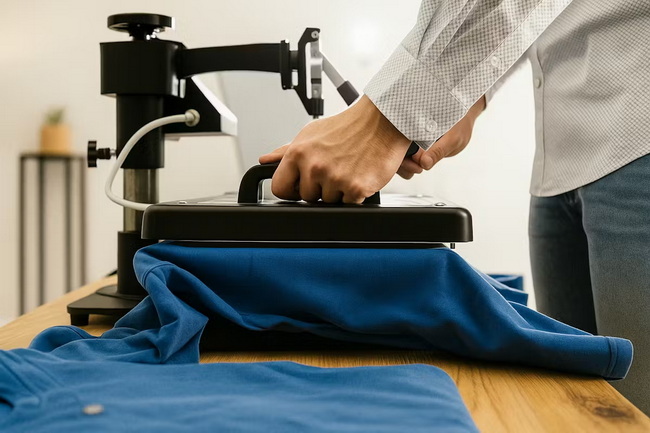
Polyester is a synthetic fabric made from thermoplastic fibers that soften and can deform when exposed to excessive heat. Because of this thermoplastic nature, polyester is prone to shining, scorching, or shrinking if pressed with too high a temperature or for too long.
At controlled temperatures, polyester accepts transfers very well and becomes a reliable base for professional garment decoration. When heat is mismanaged, however, the fibers can melt or glaze, causing permanent damage to the garment.
When the process is correctly configured, heat pressing polyester offers clear benefits for printing businesses and brands. Polyester dominates in performance and sportswear, making it a high-value segment for decorators.
- Lightweight performance: Polyester is widely used for breathable, quick-dry garments in sports and activewear.
- Vibrant color output: DTF and sublimation methods can produce photo-level detail and rich colors on polyester fabric.
- Strong durability: When applied with correct settings, sublimation and DTF provide excellent resistance to cracking and fading over repeated washing.
Different transfer technologies behave differently on polyester, so method selection should match fabric color, design complexity, and production volume. The three core methods are DTF printing, sublimation printing, and HTV.
| Method | Best For | Fabric Color | Feel On Fabric | Typical Use |
|---|---|---|---|---|
| DTF printing | Mixed fabrics, full-color logos | Light & dark | Slightly film-like, flexible | Fashion prints, logos, low–mid runs |
| Sublimation | High-polyester garments | Light/white | No hand, fully breathable | Sportswear, team kits, all-over prints |
| HTV | Simple designs, names, numbers | Light & dark | Thicker vinyl feel | Basic personalization and DIY projects |
DTF (Direct-To-Film) prints a design onto a coated film, applies hot-melt powder, cures it, and then transfers that image onto polyester under heat and pressure. This dual-stage process allows printers to prepare transfers in advance and press them on demand.
- High versatility: DTF works on polyester, cotton, blends, and many specialty fabrics, which simplifies inventory and production.
- Outstanding detail: It delivers photo-realistic prints and solid opacity on dark garments.
- Durable and flexible: Good stretch and resistance to cracking are achievable when curing and pressing parameters are correctly set.
Sublimation uses special inks that turn into gas under heat, migrate into the polyester fibers, and solidify within the fabric structure. The print becomes part of the fiber rather than a layer sitting on top.
- Best match to 100% polyester or high-polyester blends, especially in light or white shades.
- Exceptional softness: The finished garment stays fully breathable and has virtually no noticeable print texture.
- Long-term color stability: Sublimated graphics stay vibrant for many wash cycles when the process is controlled.
HTV involves cutting designs from colored or special-effect vinyl, weeding away excess material, and pressing the vinyl onto polyester using a heat press. Each color usually requires a separate layer.
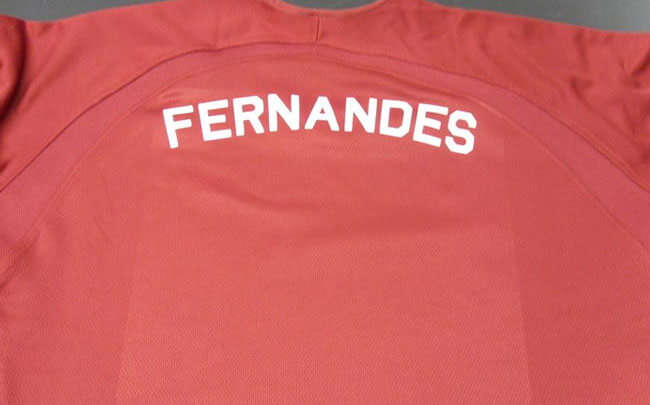
- Good for simple graphics such as player names, numbers, and basic logos on polyester garments.
- Higher labor cost due to weeding, especially when designs are intricate or multi-colored.
- More noticeable texture: Multiple vinyl layers create a thicker, more plastic feel than DTF or sublimation prints.
When focusing specifically on polyester, the relative strengths of DTF, sublimation, and HTV become clearer across quality, feel, and business efficiency.
| Criterion | DTF | Sublimation | HTV |
|---|---|---|---|
| Fabric versatility | 10 | 8 | 9 |
| Print quality | 10 | 9 | 7 |
| Texture / hand feel | 9 | 10 | 8 |
| Durability | 9 | 9 | 7 |
| Unit cost (per order) | 10 | 10 | 7 |
| Ease of use | 9 | 10 | 7 |
| Overall score | 9.5 | 9.3 | 7.5 |
DTF stands out for overall versatility, especially when you handle mixed polyester and cotton orders. Sublimation remains the most comfortable and breathable solution on light polyester, while HTV is better reserved for simple personalization or DIY applications.
Because polyester is more sensitive to heat than cotton, correct settings are crucial for preventing scorching and gloss marks. The suitable range depends on the transfer technology and specific materials.
- Dye-sublimation: 320–420°F (160–215°C), 45–80 seconds, medium to heavy pressure according to fabric thickness.
- DTF printing: 280–300°F (140–150°C), 10–15 seconds, medium to heavy pressure to activate the adhesive.
- HTV: About 320°F (160°C), 15–20 seconds, heavy pressure to ensure full vinyl bonding.
Starting at the lower end of these ranges and increasing gradually after test presses helps avoid unnecessary heat stress on polyester fibers.
Begin by configuring the press for the transfer type and garment you are using. A short pre-press removes excess moisture and flattens wrinkles, creating a more stable surface. Position the garment so that collars, seams, and zippers are kept away from the main pressing zone whenever possible.
A Teflon cover sheet is highly recommended when pressing polyester because it prevents direct contact between the platen and the fabric. It also helps distribute heat more evenly, which reduces the risk of scorching or shiny marks on sensitive polyester surfaces.
Garments with buttons, seams, or thick panels benefit from a heat press pillow placed beneath the print area. This accessory raises the print zone and ensures that pressure is applied evenly, improving transfer quality and avoiding cold spots.
Align the transfer using basic guides or rulers for consistent placement over multiple garments. Apply the correct combination of temperature, time, and pressure for DTF, sublimation, or HTV, then follow the specific hot-peel or cold-peel instructions provided with the transfer material.
After pressing, let the garment cool on a flat surface to stabilize the fibers and adhesive. Inspect all edges of the print; if slight lifting appears, re-press briefly with a Teflon sheet to ensure full adhesion without over-heating the polyester.
Fine-tuning the process around polyester helps reduce defects and rework. Even experienced operators benefit from a checklist approach when changing fabrics or transfer types.
- Always run test prints when working with new polyester fabrics, inks, or films, even if the supplier provides standard settings.
- Start with the lowest recommended temperature and increase only when adhesion or color density is insufficient.
- Avoid pressing for longer than necessary, since extended exposure to heat can cause shining, color distortion, or texture changes in the fabric.
Once polyester garments are decorated, proper end-user care becomes essential to maintain print and fabric quality. Providing care labels or printed guides reduces complaints and returns.
- Wash garments inside out with mild detergent to reduce abrasion on the printed area.
- Avoid bleach and aggressive chemicals that can attack both the ink and the polyester fibers.
- Use low-heat tumble drying or hang-drying whenever possible to prolong the life of both fabric and print.
- Do not iron directly over prints; if ironing is needed, protect the area with a pressing cloth.
Each method offers a different balance of quality, feel, and efficiency, so selection should reflect your typical order types and fabric mix. Combining multiple methods often gives the most flexibility.
- DTF is ideal when you need full-color graphics on dark or mixed polyester garments, or when you want to stock transfers for on-demand application.
- Sublimation is the best option for light or white polyester sportswear where comfort and breathability are top priorities.
- HTV fits simple personalization jobs such as names and numbers, especially in small runs or local team orders.
Consistent success with polyester requires both appropriate transfer technology and well-designed equipment. Reliable machines provide stable heat, uniform pressure, and user-friendly controls, which directly impacts print quality.
- Use a heat press with accurate digital control for temperature, time, and pressure to stay within safe ranges for polyester.
- Keep platens clean and free of adhesive residues that can mark or stain polyester fabrics.
- Standardize print recipes by garment and method, and keep them visible at each station to simplify staff training and reduce mistakes.
If your business is working with polyester sportswear, uniforms, or promotional apparel, upgrading to precise, stable heat transfer equipment is one of the fastest ways to improve consistency and reduce waste. By combining appropriate transfer methods with reliable presses, you can protect delicate polyester fabrics, reduce misprints, and deliver better results to demanding customers.
Now is the right time to review your current setup, standardize parameters for DTF, sublimation, and HTV on polyester, and equip your team with machines designed for accurate temperature control and even pressure. Reach out to your preferred professional heat transfer equipment supplier to discuss your polyester applications, request tailored configuration advice, and plan a heat press solution that supports long-term growth in sportswear and custom apparel markets.
Correctly configured settings will not damage polyester; issues such as melting or glazing usually occur only when temperature or pressing time is too high. Using protective accessories like Teflon sheets and pillows significantly reduces the risk of visible marks or shine on the fabric.
For most transfer types, working within approximately 280–320°F (140–160°C) is safer for polyester than using very high settings. The exact value should still follow the recommendations of your DTF film, sublimation paper, or HTV manufacturer, combined with your own test results.
Sublimation generally offers the softest, most breathable result on light or white polyester sportswear because the ink becomes part of the fiber. DTF is better when you need vivid logos or graphics on dark polyester garments or on a mix of fabric types.
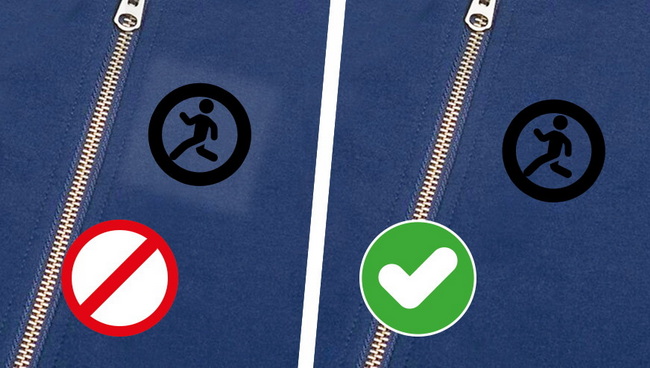
A shiny box around the pressed area often indicates that the fibers were compressed or partially melted under too much heat and pressure. Reducing temperature or pressure, using a Teflon sheet, and minimizing pressing time can help avoid this effect on future jobs.
Ensure that transfers are properly applied and then advise end users to wash garments inside out, avoid bleach, and dry on low heat. Following these steps allows high-quality DTF and sublimation prints on polyester to maintain their color and flexibility for many wash cycles.


