If you have any questions, please feel free to contact us.| Email Us: info@dcheatpress.com


Views: 222 Author: Amanda Publish Time: 2025-12-23 Origin: Site


Content Menu
● What Is a Heat Transfer Method?
>> How Inkjet Heat Transfer Paper Works
>> Pros of Inkjet Transfer Paper
>> How White Toner Transfers Work
>> Pros of White Toner Transfers
>> Cons of White Toner Transfers
● Supacolor-Style Hybrid Transfers
>> Key Advantages of Hybrid Transfers
● DTF vs Other Methods: Strategic Comparison
>> At-a-Glance Method Comparison
● Practical Decision Framework for Shops
>> Step-By-Step Selection Checklist
● Essential Heat Press Settings and Best Practices
● Upgrade Your Heat Transfer Equipment
>> 1. Which heat transfer method lasts the longest?
>> 2. What is the best method for dark cotton shirts?
>> 3. Do I need different heat presses for different methods?
>> 4. How can I reduce cracking and peeling on transfers?
>> 5. What is the most cost-effective method for beginners?
Choosing the right heat transfer method is critical for print quality, production efficiency, and long-term profitability in any custom apparel or product decoration business.
Heat transfer methods use heat, pressure, and time to move ink, toner, or adhesive from a carrier sheet or film onto a final substrate such as fabric, wood, metal, or ceramic. Instead of printing directly onto the product, you first create a transfer, then bond it with a heat press for consistent, repeatable results.[1]
Key elements that influence performance include:
- Ink or toner chemistry (dye, pigment, toner, plastisol, etc.)
- Carrier media (paper, film, or transfer sheet)
- Substrate compatibility (cotton, polyester, blends, hard goods)
- Heat press quality and settings for temperature, pressure, and time.[1]
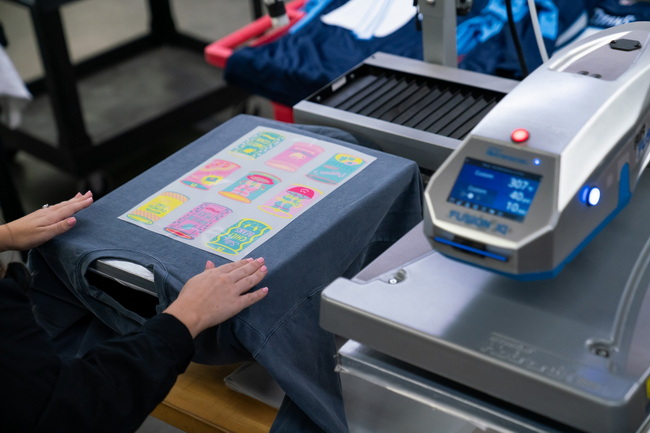
Direct-to-film (DTF) has become popular because it supports full-color prints on many fabrics with excellent durability. However, other methods may be more efficient or profitable depending on your product types, order sizes, and long-term equipment strategy.[1]
Situations where non-DTF methods often win:
- Polyester sportswear that needs ultra-soft, no-feel prints (sublimation)
- Mixed product lines including mugs, panels, and hard goods (sublimation or white toner)
- Low-budget startups needing entry-level equipment (inkjet transfer paper)
- Premium branded apparel where consistency and speed are vital (hybrid transfers).[1]
Inkjet transfer paper remains one of the most accessible ways to start printing custom apparel with a standard desktop inkjet printer and a reliable heat press.[1]
- Print a mirror image of your design on special light or dark transfer paper with pigment or dye-based ink.
- Position the transfer on the garment and press with controlled heat and pressure.
- Peel according to paper type (hot, warm, or cold) to reveal the finished print.[1]
- Very low startup cost using common inkjet printers and affordable transfer papers.
- Beginner-friendly workflow with a simple print–cut–press process.
- Good versatility on fabrics when using the correct paper type for light or dark garments.[1]
- Lower durability: Prints are often “promotional quality” and may crack or fade with frequent washing.
- Heavier hand feel on dark fabrics due to the opaque transfer layer.
- Limited professional perception compared with higher-end methods used by premium brands.[1]
- Short-run custom gifts, event shirts, and test designs.
- Startup brands validating graphics and niches before investing in more advanced technology.[1]
Sublimation printing uses special inks that turn into gas under heat and bond at the molecular level with polyester or polymer-coated surfaces. This produces permanent, ultra-soft prints with no noticeable edge or film.[1]
- Print the design on sublimation transfer paper using sublimation ink.
- Place the print against a polyester garment or coated substrate and press at a higher temperature.
- The ink turns into gas, penetrates the surface, then solidifies as the substrate cools.[1]
- Outstanding durability because designs are embedded into the substrate rather than sitting on top.
- Vivid, photo-quality color ideal for sportswear, signage, flags, and promotional products.
- Zero hand feel, making it excellent for performance apparel and activewear.[1]
- Material restrictions: Requires polyester or polyester-coated items and works best on white or very light colors.
- Specialized equipment such as a dedicated sublimation printer, inks, and compatible blanks.[1]
- Team jerseys, athleisure, and performance wear where comfort and breathability are critical.
- Hard-surface products like mugs, metal panels, and coated gift items.[1]
White toner transfers use a laser printer with white toner and a transfer system to produce full-color graphics, including white, on dark garments and many hard substrates.[1]
- Print your design (including white) with a white-toner-enabled laser printer on transfer media.
- In many systems, a secondary “A/B” sheet bonding step carries only the toner to the final substrate.
- Press the transfer onto fabric or a hard substrate and peel according to specific paper instructions.[1]
- High versatility on cotton, polyester, blends, and uncoated hard substrates like wood and metal.
- No cutting or weeding even for complex, multicolor artwork.
- Professional-grade appearance with vibrant, opaque prints on both light and dark materials.[1]
- Higher equipment cost than entry-level inkjet systems due to specialized laser printers.
- Technique sensitivity, requiring practice with pressing parameters for consistent, high-quality results.[1]
- Small shops that need one printer to handle shirts plus various hard goods.
- Designs that demand opaque white and fine details on dark garments.[1]

Hybrid transfers (often supplied as premium custom transfers) combine digital printing with screen-printed adhesives to create production-ready transfers requiring only a heat press for application.[1]
- Superior durability and wash-fastness comparable to screen printing when correctly applied.
- Fast, easy application with no in-house printing, cutting, or weeding.
- Broad fabric compatibility, including cotton, polyester, and blends used in fashion, workwear, and promo items.[1]
- Higher cost per transfer than many do-it-yourself methods, especially at very low volumes.
- Lead times and re-ordering that depend on external suppliers for each new batch.[1]
- Established brands and print shops needing repeatable quality at scale without managing print production.
- Businesses that prefer to invest in reliable heat presses rather than full in-house print systems.[1]
Although this guide encourages looking beyond DTF, many decorators still benchmark alternatives against DTF's capabilities. A clear comparison helps build a diversified production strategy instead of relying on one technology for every job.[1]
Method | Core Strength | Typical Substrates | Durability (Wash) | Hand Feel | Startup Cost Level |
Inkjet Transfer Paper | Low-cost customization | Cotton, cotton blends | Lower, promo-grade | Heavier on darks | Low |
Sublimation | Vivid, permanent prints | Polyester, coated hard goods | Excellent | No feel | Medium |
White Toner Transfers | Versatile, opaque full-color | Cotton, polyester, hard goods | Medium to high | Slight film | Medium-high |
Supacolor-Style Transfers | Premium quality and fast production | Cotton, polyester, blends | High | Soft, flexible | Medium (outsourced) |
DTF (reference) | Flexible, detailed apparel printing | Many fabrics including dark garments | Excellent | Soft, flexible | Medium-high |
This table makes it easier to match each method to specific product types, budgets, and expectations without overwhelming readers. It also supports search engines in understanding topical relevance and comparative intent.[1]
Successful decorators do not ask “Which method is best overall?” but “Which method is best for this product, this customer, and this budget?”. A simple decision framework reduces guesswork and helps prioritize equipment investments.[1]
1. Define your core products
- Decide whether you focus on apparel only or also on mugs, panels, signs, and accessories.
- Clarify whether your niche is fashion, workwear, sportswear, or promotional giveaways.
2. List fabric and substrate types
- Mostly cotton and blends → consider inkjet paper, white toner, hybrid transfers, or DTF.
- Mostly polyester and coated items → sublimation becomes a primary choice.
3. Clarify durability and feel expectations
- Premium retail and uniforms require high durability and a soft, flexible feel.
- Short-term events can accept lower wash resistance in exchange for lower cost.
4. Balance budget vs outsourcing
- Limited capital: outsource premium transfers and focus on quality heat presses.
- Higher capital: combine in-house DTF or white toner with dedicated sublimation for added range.
5. Plan for scalability and maintenance
- Complex print systems need regular use and daily maintenance routines.
- Outsourced transfers plus robust presses scale quickly with less technical risk.[1]
Regardless of the transfer type, consistent heat press performance determines whether results look professional and survive repeated washing. Even small errors in temperature, time, or pressure can cause fading, lifting, or poor adhesion.[1]
- Temperature: Follow recommended ranges; sublimation usually runs hotter than toner-based or film transfers.
- Time: Over-pressing can scorch fibers, while under-pressing leads to weak bonding.
- Pressure: Even, appropriate pressure across the platen is crucial for edge-to-edge adhesion.[1]
- Pre-press garments to remove moisture and wrinkles before applying transfers.
- Use quality protective sheets to safeguard both transfers and platens.
- Test settings on sample pieces whenever changing substrate, transfer type, or batch.[1]
Every method in this guide depends on one foundation: stable, precise, and durable heat transfer equipment that can deliver the right temperature, pressure, and time on every press. If your goal is to produce vibrant, long-lasting prints for customers around the world, the smartest investment is a professional-grade heat press, fusion system, or embossing machine matched to your transfer workflows.[1]
If you are ready to turn knowledge into real production results, now is the time to act:
- Choose a high-quality heat press sized for your most common garments and products.
- Add specialized fusing or embossing solutions where you need higher pressure, precision, or texture.
- Build a flexible setup that supports inkjet paper, sublimation, white toner, hybrid transfers, and DTF as your business grows.[1]
Take the next step by reviewing your current production mix, defining future goals, and upgrading to equipment that can support consistent, global-ready heat transfer output for years to come.[1]
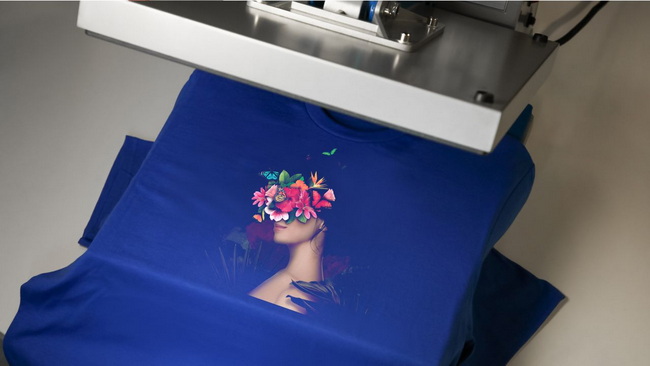
Sublimation typically offers the longest-lasting prints because the dye becomes part of the polyester substrate rather than forming a surface layer. High-quality DTF, white toner, and hybrid transfers can also deliver excellent wash durability when applied with correct temperature, pressure, and time.[1]
For dark cotton, DTF, white toner transfers, and premium hybrid transfers are usually better options than sublimation or basic inkjet transfer paper. These approaches provide opaque color, including white, and better stretch and feel than most standard dark transfer sheets.[1]
Most modern flat heat presses can handle multiple transfer methods as long as they offer precise control of temperature, pressure, and dwell time. Specialty products such as mugs, caps, and plates may require dedicated presses or add-on attachments to achieve reliable results.[1]
Cracking or peeling often stems from incorrect press settings, inadequate pre-pressing, or low-quality media. Use recommended parameters, remove moisture from garments, and follow washing instructions such as turning garments inside out and avoiding harsh detergents.[1]
Inkjet transfer paper is usually the lowest-cost entry point because it works with standard inkjet printers and one reliable heat press. As volumes grow, many shops layer in sublimation, white toner, or outsourced premium transfers to improve durability, expand product range, and increase profit margins.[1]


