If you have any questions, please feel free to contact us.| Email Us: info@dcheatpress.com


Views: 222 Author: Amanda Publish Time: 2025-12-25 Origin: Site


Content Menu
● What Is the Best Sublimation Heat Press?
● Best Sublimation Heat Presses for Different Needs
>> Professional Heat Press for Apparel
>> Sublimation Heat Press for Tumblers and Mugs
>> Portable Sublimation Heat Press Options
>> Multi-Function and Hat Heat Press Machines
● Best Heat Press Types by Use Case
● How to Choose the Best Sublimation Heat Press in 2025
>> Match Heat Press Type to Your Products
>> Choose the Right Heat Press Size and Capacity
>> Temperature, Time, and Pressure Control for Sublimation
>> Build Quality, Warranty, and Technical Support
● Sublimation Oven vs Heat Press for Tumblers
>> Advantages of Sublimation Ovens for Tumblers
>> When to Choose a Mug or Tumbler Press Instead
● Step-by-Step Guide to Buying a Sublimation Heat Press
>> Step 1: Clarify Your Business Profile
>> Step 2: Shortlist Candidate Presses
>> Step 3: Compare Lifetime Cost, Not Just Price
>> Step 4: Plan Your Workflow Around the Press
● Pro Setup, Safety, and Maintenance Tips
● Take the Next Step Toward a Smarter Sublimation Setup
● FAQs About Sublimation Heat Presses
>> 1. What temperature should a heat press be set at for sublimation?
>> 2. Can a regular iron replace a sublimation heat press?
>> 3. Is a multi-function heat press suitable for beginners?
>> 4. Is a sublimation oven necessary if a mug press is already available?
>> 5. How long can a good sublimation heat press last?
Choosing the best sublimation heat press in 2025 comes down to matching press type, size, and reliability with the products you sell and your growth plans. Reliability, even heat, and consistent pressure matter more than brand hype if professional results and fewer misprints are the goal.
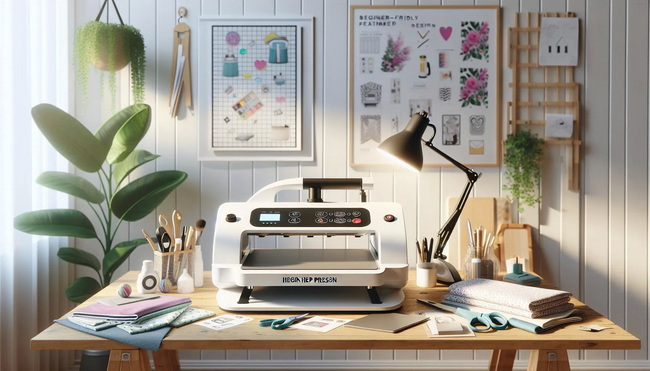
The best sublimation heat press is the one that fits your core product range, intended production volume, and available workspace. A machine that delivers stable temperature, accurate timing, and uniform pressure will outperform cheaper, inconsistent alternatives over the long term.
For apparel and flat items, a professional swing-away or high-quality clamshell press remains the most versatile option. For drinkware and other hard substrates, a dedicated tumbler or mug solution, or a sublimation oven, often provides far better efficiency than trying to press everything on a single flat machine.
Different users need very different “best” presses, depending on whether the focus is hobby crafting, side-hustle sales, or full-time production. Organizing options by use case makes it easier to choose a machine that fits current needs and still has room to grow.
Use the table below as a quick decision aid to connect your main product line with a suitable press category. This approach also helps identify when two specialized machines may be smarter than one general-purpose option.
A professional swing-away or high-end clamshell press is ideal for T-shirts, hoodies, and other flat polyester garments. These machines usually offer larger platens, higher pressure, and more even heat distribution across the pressing surface.
For sellers who frequently work on thick items such as hoodies, plaques, or layered garments, a swing-away mechanism provides extra clearance and better safety when loading and unloading. It is also easier to achieve consistent contact between platen and substrate when pressing higher-value apparel orders.
Mug and tumbler presses are designed to wrap heat evenly around cylindrical drinkware. They can be equipped with different heater sizes and attachments to handle various diameters and heights.
For straight tumblers and standard mugs, a dedicated drinkware press often offers an efficient balance of cost, footprint, and output. When dealing with tapered shapes or higher volumes, however, a sublimation oven can quickly become the more productive option.
Portable presses and compact flat presses are valuable for craft fairs, workshops, or situations where equipment needs to move frequently. They are also suitable as secondary units for quick, small jobs such as labels, pockets, and children's garments.
While portable models are not ideal for heavy production or full-coverage adult garments, they can significantly increase flexibility. Many users adopt them as a starter solution and later convert them into backup or on-site presses once a larger main machine is in place.
Multi-function presses, often sold with multiple interchangeable attachments, allow experimentation with mugs, hats, plates, and flat items using a single base unit. They are attractive for users who want to test several product categories before committing to dedicated machines.
Hat presses, whether stand-alone or attachment-based, feature a curved platen that matches the shape of caps and structured hats. For brands selling high volumes of caps, a dedicated hat press usually offers better consistency, ergonomics, and speed than an attachment alone.
Primary need | Recommended type | Best for | Key strengths | Main limitations |
Professional apparel production | Swing-away or premium clamshell press | Growing brands, frequent orders | Even heat, strong pressure, safe loading | Heavier, needs more space, higher upfront cost |
Straight tumblers and mugs | Dedicated tumbler or mug press | Drinkware-heavy shops | Consistent wraps, optimized for cylinders | Less suitable for tapered shapes and large batches |
Events, markets, workshops | Portable flat press | On-site personalization | Lightweight, quick setup, easy to transport | Small platen, not ideal as sole production press |
Mixed product testing | Multi-function press with attachments | Experimenting with new substrates | Flexible, multiple product types on one base | Attachments may be slower and less durable |
Caps and headwear | Dedicated hat press | Sports teams, merch brands | Curved platen, better alignment, fast repetition | Narrow use, requires separate flat press for shirts |
Modern buyers are not just chasing the lowest price; they are looking for presses that support automation, smart control, and consistent quality. A clear decision framework helps avoid overbuying, underbuying, or choosing a machine that does not fit the actual product mix.
The following criteria focus on real-world usage rather than purely technical specifications. This reduces the risk of ending up with a press that looks good on paper but fails under busy, day-to-day production conditions.
Start by listing core products such as T-shirts, hoodies, straight tumblers, tapered tumblers, caps, and flat panels. Mark each category as core, experimental, or future, based on how central it is to your business plan.
Choose a main press that aligns with core items first. Secondary attachments, portable presses, or ovens can then be strategically added to handle experimental or future product lines without compromising the main workflow.
Press size should reflect your largest regular design, not the absolute maximum design that might be used once. Oversizing the platen adds cost and space requirements without necessarily improving output.
Small platens suit pockets, children's items, and small blanks, while medium to large platens (commonly in the 12 × 14 inch to 16 × 20 inch range) support full front shirt designs and more complex layouts. When planning, remember to account for margin space needed for alignment and safe handling.
A reliable sublimation heat press needs predictable control over temperature, time, and pressure. Digital controllers with clear displays allow precise duplication of successful settings across runs.
The machine should reach and sustain the high temperatures typically required for sublimation, while maintaining even heat across the platen or heater. Adjustable pressure is essential so that both thin garments and thick blanks can be pressed accurately without over-compression or under-contact.
Build quality is a core part of long-term value. Look for a sturdy frame, solid hinges, well-finished platens, and wiring that inspires confidence rather than concern.
Warranty length and clarity matter just as much as the number of years advertised. Transparent policies, available spare parts, and responsive support can prevent minor issues from turning into prolonged downtime during peak seasons.
For drinkware sellers, the choice between a tumbler press and a sublimation oven has a significant impact on throughput and consistency. Each option has clear strengths for particular business models.
A dedicated tumbler press is adequate for lower volumes or primarily straight drinkware, while a sublimation oven can handle larger batches and more complex shapes. Understanding the trade-offs helps prevent bottlenecks as sales grow.
Sublimation ovens can process multiple tumblers or mugs in a single cycle, making them attractive for businesses handling batches or wholesale orders. This reduces repetitive loading and unloading that would otherwise exhaust operators.
The surrounding heat in an oven often provides more uniform coverage around curved or tapered surfaces. This improves the quality of full-wrap designs and reduces defects such as fading at the edges or uneven color.
Press-based solutions remain useful when personalization runs are small, custom, and varied. In such cases, the ability to quickly press a single piece may matter more than batch capacity.
Tumbler and mug presses also take up less space, and they are typically more affordable as an entry point. They are a practical step for newer sellers or those with limited room to house additional equipment.
A structured buying process helps ensure that any chosen press aligns with actual needs and future plans. Working through defined stages reduces the risk of impulse purchases or upgrades that happen too soon.
The following steps can be adapted to fit both new businesses buying their first machine and established shops considering a second or replacement press.
Begin by listing core, secondary, and potential future product types. For each, estimate expected monthly volume and whether orders will usually be single-piece custom designs or batch runs.
Measure available workspace, including height and depth for swing-away motions or drawer movements. Note the location of outlets and any existing ventilation or cooling systems that will affect where the press can be safely placed.
Use product requirements to build a shortlist of a few press categories and models that match type, size, and temperature capability. Exclude any option that cannot safely handle the largest core item envisioned for the next two years.
At this stage, focus on essential technical compatibility, while also noting approximate price ranges. The goal is to narrow the field enough to justify deeper research on only the most suitable candidates.
Lifetime cost includes energy usage, maintenance, potential repair expenses, and the financial impact of any downtime or defects. A higher-priced but more durable press can be cheaper in the long run than a budget machine that fails prematurely.
Factor in how consistently a press performs at production temperatures and how often it needs recalibration or adjustment. Predictable, stable performance saves time and materials, which directly increases profitability.
Before finalizing a purchase, outline how orders will move through the workspace. Identify where blanks will be staged, where printed transfers will be kept, and where finished products will cool and be packed.
Consider whether it makes sense to separate apparel and drinkware workflows using different machines. This can reduce bottlenecks in busy periods and help team members specialize in specific press types for higher efficiency.
Proper setup and basic maintenance can significantly extend the lifespan of a sublimation heat press. It also enhances consistency, reduces the risk of injury, and cuts down on avoidable misprints.
A new press should be treated as a professional tool that requires calibration and routine checks, rather than a plug-and-play device. A few extra minutes at the beginning of each shift can prevent costly issues later in the day.
Allow the press to reach operating temperature and stabilize before starting production work. Use test prints and scrap materials to confirm that chosen time, temperature, and pressure settings deliver clean, vivid transfers.
If possible, verify temperature consistency across the pressing surface with a thermometer or test strips. Adjust pressure and placement until edges, corners, and center areas all show equivalent color density.
Keep the area around the press clear of clutter, cords, and flammable materials. Ensure that operators understand how hot surfaces behave and where pinch points or moving parts are located.
Heat-resistant gloves, mats, and tools can greatly reduce the risk of burns when handling hot substrates. Proper training and clear procedures should be established before new team members work with the press.
Inspect cables, plugs, and control panels regularly to spot any signs of wear or damage. Clean platen surfaces when cool and check that pressure adjustments still move smoothly.
Keeping a simple log of issues, settings, and maintenance activities makes it easier to spot patterns as the press ages. Such records are also helpful when requesting support or making warranty claims.
Selecting the right sublimation heat press is one of the most important decisions for any craft or print business. Once product types, volume expectations, and workspace constraints are clear, it becomes much easier to choose an appropriate press type and size.
Now is the ideal time to review your catalog, define which items generate the most profit, and decide whether a flat press, drinkware solution, or a combination of specialized machines will support your goals best. Use the decision criteria and step-by-step framework in this guide to shortlist a small group of candidate presses, then move forward with the machine that aligns most closely with long-term plans and quality standards. Move to the next step right now!
Many sublimation blanks respond well to high temperatures in a range commonly used across the industry, but the exact value depends on the coating and substrate. Always follow the specific time and temperature recommendations provided by the blank manufacturer, and adjust only when tests clearly show a need.
A regular household iron usually cannot deliver steady, even heat and pressure over a wide enough area. This often leads to inconsistent transfers with faded sections, patchy coverage, or incomplete bonding.
For professional or repeatable results, a purpose-built heat press is the appropriate choice. An iron may suffice for very small tests or practice work, but it is not a sustainable solution for serious production.
A multi-function press can be suitable for beginners who want to explore several product categories with a single investment. It provides a flexible way to learn what sells before committing to multiple specialized machines.
However, the attachments may not match the performance and durability of dedicated presses under heavy, long-term use. As sales grow, many users eventually add or switch to separate units for apparel, drinkware, and hats.
A mug press can be sufficient if only small quantities of straight mugs or tumblers are produced. It allows efficient personalization when orders are mostly one-off or low volume.
A sublimation oven becomes appealing when higher batch capacity or greater flexibility with tapered shapes is required. Choosing between the two depends on how many drinkware pieces are processed in a typical week.
The lifespan of a sublimation heat press depends on build quality, frequency of use, and maintenance habits. A well-made machine that is kept clean, properly calibrated, and not overloaded can remain in service for many years.
Cheaper models may show wear sooner, particularly in critical areas such as hinges, heating elements, and electronics. Investing in a robust design with clear support options increases the chances of long-term reliability.


