If you have any questions, please feel free to contact us.| Email Us: info@dcheatpress.com


Views: 222 Author: Amanda Publish Time: 2025-12-25 Origin: Site


Content Menu
● What Makes a Sublimation Product a Best-Seller in 2025
● Core Categories of Profitable Sublimation Products
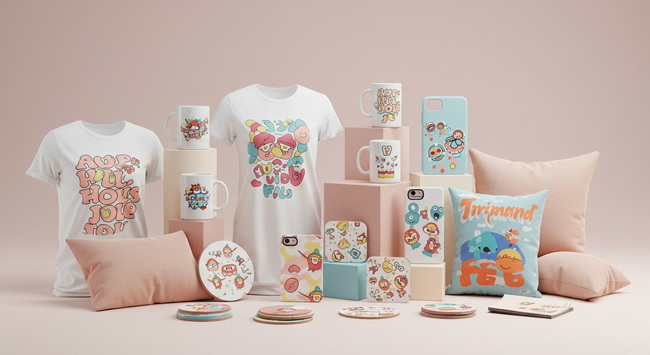
>> Drinkware: High-Demand, High-Perceived-Value Products
>> Apparel: From Everyday Shirts to Custom Activewear
>> Bags, Pouches, and Travel Items
>> Small Gifts, Accessories, and Low-Risk Add-Ons
● Emerging and Low-Competition Sublimation Ideas
>> Niche Product Directions You Can Explore
● How to Choose the Right Sublimation Products for Your Business
>> A Practical Framework for Product Selection
>> Balancing Trend-Driven and Evergreen Products
● From Design to Finished Sublimation Product: A Smooth Workflow
>> Standardized Workflow for Quality and Efficiency
>> Adapting Settings for Different Sublimation Products
● The Role of Professional Heat Transfer Equipment in Scaling
>> Why Equipment Quality Directly Affects Profit
>> Matching Equipment Types to Product Categories
● Build a Stable, Scalable Sublimation Product Line
● FAQs
>> 1. What types of sublimation products are most suitable for beginners?
>> 2. How can I decide which sublimation products to focus on first?
>> 3. What factors most affect the quality of a sublimation product?
>> 4. How do I avoid wasting blanks when testing new sublimation products?
>> 5. When is the right time to upgrade to more advanced equipment?
Best-selling sublimation products in 2025 continue to revolve around personalized drinkware, apparel, and home décor, but real profit comes from niche positioning, smart product selection, and reliable heat transfer equipment. This enhanced guide focuses on product trends, practical workflows, and the role of professional heat presses to help you build a scalable sublimation business.

Not every trendy item becomes a sustainable best-seller. The products that perform best combine everyday usability, emotional value, and design flexibility. Successful sellers look beyond generic lists and match products to their audience, branding, and production capacity.
To evaluate whether a product can be a long-term best-seller, consider:
- How often the product is used in daily life.
- Whether it can be easily personalized or sold in themed collections.
- Whether your equipment can reproduce consistent, high-quality results.
Sublimation drinkware remains a cornerstone of many sublimation businesses because it offers high perceived value and strong repeat purchase potential. Customers expect vivid prints and durable finishes, so quality control is critical.
Popular drinkware directions include:
- Tumblers in multiple sizes and shapes for different drinks and age groups.
- Mugs and camper mugs for everyday use and gifting.
- Glass cups and bottles for trend-focused, younger demographics.
For consistent color and wrap quality on drinkware, stable temperature and pressure across the heating surface are essential, which depends heavily on the design and build quality of your heat transfer equipment.
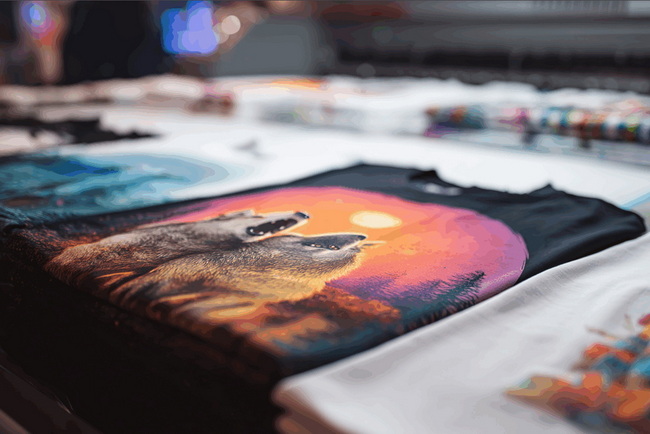
Sublimation apparel benefits from ongoing demand across casualwear, teamwear, and promotional clothing. Polyester or high-poly blends are preferred for bright, long-lasting prints.
Commonly profitable apparel directions include:
- Custom shirts for events, local businesses, and fan communities.
- Activewear and athleisure with all-over or panel-based prints.
- Baby and kids apparel for gifts and milestone occasions.
When working with apparel, consistent pressing reduces color shifts and ghosting, especially on larger prints. A stable flat press with even heat distribution significantly improves reliability when scaling orders.
Bags are practical, visually impactful, and frequently used in daily life, which makes them attractive for both retail customers and corporate buyers. Flat surfaces and clear print areas also make them efficient from a production perspective.
Profitable bag categories include:
- Tote bags for readers, shoppers, and branded merchandise.
- Makeup pouches and zipper bags for beauty, school, and travel.
- Luggage tags and related travel accessories for frequent travelers.
These items also work well in bundles, such as combining tote bags with drinkware and small accessories for themed gift sets.
Home and office décor products help customers personalize their environment and make thoughtful gifts. They are ideal for sellers who want to build cohesive seasonal collections.
Key décor directions include:
- Coasters, towels, pillow covers, and blankets.
- Photo panels using slate, acrylic, or metal blanks.
- Desk accessories such as mouse pads and small organizers.
Home décor products often involve larger printing areas, which makes stable pressure, accurate temperature, and repeatable timing especially important. Consistent equipment enables reliable color reproduction across multiple pieces in a set.
Small-format sublimation products act as entry-level purchases for new customers and add-on items that increase average order value. Their size and low blank cost make them ideal for testing new designs and niches.
Common examples include:
- Keychains, magnets, and small accessories.
- Business cards and premium contact cards.
- Seasonal items such as ornaments and small gift tags.
These products are particularly effective when sold in themed sets or used as bonuses in larger orders.
Many smaller sublimation categories are not yet saturated and can be ideal for brands that want to specialize rather than compete only on high-traffic items. Focusing on a narrow category can help build a recognizable brand and loyal repeat buyers.
Examples of promising niche paths include:
- Stationery and office supplies such as pencils, pens, and organizers.
- Pet-focused items such as pet tags, dog shirts, and bandanas.
- Tech-related products such as wireless charger covers and night lights.
When entering a lower-competition niche, it is important to research pricing, understand customer expectations, and ensure that your equipment setup can handle both small and larger runs as demand grows.
Choosing products based only on popularity lists can lead to crowded competition and thin margins. A structured approach helps align your product line with your brand and resources.
You can follow a simple four-step framework:
1. Define your core audience segment and their typical buying occasions.
2. Identify product types they use frequently and value emotionally.
3. Check whether your current or planned equipment can reliably support those products.
4. Prioritize items that can be sold in sets or recurring collections.
This approach helps you narrow down the list of potential products to a focused, profitable core catalog rather than trying to produce everything at once.
A healthy sublimation catalog usually mixes evergreen best-sellers with trend-based items. Evergreen products deliver steady sales throughout the year, while trend-driven designs and product types create spikes and social buzz.
To keep this balance:
- Maintain a stable base of core items such as drinkware, shirts, and a few home décor products.
- Use niche or seasonal items to test new audiences and design directions with limited risk.
- Track which products generate repeat orders and build mini collections around them.
A well-structured workflow ensures consistent quality, minimizes waste, and supports scaling. Standardizing each step also makes it easier to train team members or outsource parts of production later.
A typical sublimation workflow includes:
1. Preparing or licensing high-resolution artwork at suitable dimensions.
2. Printing with sublimation inks on compatible transfer paper.
3. Securing the print to the blank with heat-resistant tape to avoid shifting.
4. Pressing at the correct temperature, time, and pressure based on substrate and coating.
5. Inspecting the finished product for banding, fading, ghosting, or misalignment.
The more consistent your equipment is across temperature, pressure, and timing, the easier it becomes to maintain quality standards across multiple product categories.
Different substrates respond differently to heat and pressure. To maintain consistent results across varied products, you need to adapt the pressing profile while keeping the workflow systematic.
Consider these guidelines when working with multiple product types:
- Use documented presets for major substrate groups such as ceramics, fabrics, and coated metals.
- Keep test logs for each new blank type or supplier to minimize trial and error.
- Revisit settings whenever you change printers, inks, or paper types.
When your equipment can maintain stable output, adjustments become more predictable, and you can confidently introduce new products without compromising reliability.
Behind every consistent sublimation business is a reliable heat transfer setup. Entry-level equipment can be suitable for testing and very small batches, but limited temperature stability and uneven pressure often show up as print defects.
Common issues caused by unstable or undersized equipment include:
- Uneven colors across large prints or full wraps.
- Ghosting or blurred edges due to inconsistent contact.
- Increased reject rates that directly reduce profit margins.
Investing in robust heat transfer equipment tailored to your main product categories helps protect your brand reputation, reduce rework, and unlock higher-volume opportunities.
Different sublimation products require different machine configurations, especially as order volume grows. Matching equipment to product type leads to better quality and faster turnaround.
You can think about equipment pairing in these ways:
- Flat presses for shirts, bags, flat panels, and many home décor items.
- Specialized presses or attachments for mugs, tumblers, caps, and irregular substrates.
- Larger-format or industrial presses for bulk runs, oversized prints, and embossing or fusing operations.
Choosing equipment that can grow with your catalog helps you transition smoothly from small-batch production to more structured, industrial-level workflows.
If you are ready to move beyond small experiments and build a stable, scalable sublimation product line, now is the time to refine your catalog and optimize your production setup. Choose a focused set of best-selling and niche products that truly match your audience, and pair them with reliable, professional heat transfer equipment that can support consistent quality and future growth.
Use this enhanced guide as a blueprint to review your current product mix, identify gaps and opportunities, and plan your next equipment and workflow upgrades so that your sublimation business can grow confidently and sustainably.
Beginners benefit from flat, forgiving products that allow simple alignment and have wide appeal. Examples include tote bags, mouse pads, coasters, and basic mugs. These items help new sellers learn settings, workflow, and design sizing without excessive risk.
Beginners can later expand into more complex products such as full-wrap tumblers, all-over shirts, and larger décor items once they have mastered consistent pressing and color management.
Start by identifying the audience you understand best, then list their daily needs and typical gift occasions. Look for products they use frequently, such as drinkware or apparel, and choose two or three core items from that list.
Next, compare these options with your available equipment and budget. Prioritize products that fit your current setup but can also be scaled with more advanced equipment later.
Several elements combine to determine the final quality, including artwork resolution, printer and ink choice, substrate coating, and pressing conditions. Poor quality in any one of these areas can result in dull colors, banding, or peeling.
Stable, well-designed heat transfer equipment is especially important because even the best artwork and blanks cannot compensate for inconsistent temperature or pressure during pressing.
When adding new products, start with a small batch of test blanks and document each set of settings used. Adjust one variable at a time, such as time or temperature, instead of changing multiple parameters simultaneously.
Keep physical samples and notes so that once you find the ideal combination, you can quickly reproduce it for future orders without repeating the entire testing process.
It may be time to upgrade when you frequently run into capacity limits, see recurring quality issues at higher volumes, or want to expand into products that your current equipment cannot handle reliably. Another sign is when your reject rate starts noticeably impacting profit.
Planning an upgrade before peak seasons or before launching major new product lines helps you transition smoothly, avoid bottlenecks, and maintain service quality for your customers.


