If you have any questions, please feel free to contact us.| Email Us: info@dcheatpress.com


Views: 222 Author: Amanda Publish Time: 2026-01-02 Origin: Site


Content Menu
● What Is Heat-Resistant (Sublimation) Tape
● Why Heat-Resistant Tape Matters for Sublimation and HTV
● Key Criteria for Choosing Heat-Resistant Tape
>> Temperature Rating and Stability
>> Adhesive Behavior and Residue
>> Tape Width and Application Style
>> Compatibility with Heat-Press Setups
● Leading Craft-Grade Heat-Resistant Tape Options
>> Clear Sublimation Tape for Clean Results
>> Branded Strong Heat-Resistant Tape
>> Multi-Size Blue Heat-Resistant Tape
>> Soft-Tack Teal Sublimation Tape
● Craft Heat-Resistant Tape Feature Comparison
● From Hobby Crafts to Small-Scale Production
● Step-by-Step: How to Use Heat-Resistant Tape Effectively
>> Step 1 – Prepare the Blank and Design
>> Step 2 – Position and Secure the Transfer
>> Step 3 – Press with Appropriate Settings
>> Step 4 – Remove Tape and Inspect
● Expert Tips to Reduce Tape Marks and Ghosting
● Clear, Targeted Call to Action
● Frequently Asked Questions (FAQ)
>> Q1. Can I use painter's or masking tape instead of heat-resistant tape for sublimation
>> Q2. What temperature rating should I look for in heat-resistant tape
>> Q3. Why is my heat-resistant tape leaving marks on shirts or mugs
>> Q4. How much tape should I use for a tumbler or mug wrap
>> Q5. Is a higher-temperature industrial tape always better than regular sublimation tape
Choosing the best heat-resistant tape for crafts is critical if you want sharp, vibrant sublimation, HTV, and other heat-transfer results without ghosting, shifting, or sticky residue. This guide is structured and written to be easy to read while also meeting the expectations of serious crafters and small production studios.
Heat-resistant tape, often called sublimation tape or heat tape, is a specialized adhesive tape engineered to maintain adhesion and stability at high temperatures used in sublimation, HTV, DTF, and other heat-transfer workflows. It is specifically formulated so that it does not melt, curl, or burn when exposed to the typical temperature and pressure ranges of heat presses and ovens.
- It can withstand common press ranges of about 350–425°F (roughly 175–220°C) without deforming or releasing adhesive.
- Quality heat-resistant tape removes cleanly, leaving no residue or staining on blanks such as tumblers, T-shirts, ceramics, and coated metal panels.

Using a tape that is not designed for high temperatures increases the risk of scorching, adhesive bleed, or partial transfers, which can ruin an entire project or production batch. Correct tape choice is therefore part of basic quality control for any heat-transfer workflow.
- Sublimation and HTV often run at high temperatures and medium to high pressure, so the tape must tolerate the same conditions while keeping the transfer firmly in place.
- Clean removal is especially important on glossy blanks and bright fabrics, where even minimal residue, ghost marks, or tape sheen will be noticeable.
When evaluating heat-resistant tape for crafts or small production, it is helpful to compare products using clearly defined criteria instead of only looking at the roll price. This improves both print quality and cost control.
A tape's maximum temperature rating must match or exceed the highest settings you use for your projects. Exceeding that rating can cause discoloration or adhesive migration.
- For typical sublimation on mugs, tumblers, and polyester garments, a rating of at least 400°F is recommended.
- For more demanding or industrial use, higher temperature ratings provide a margin of safety and more consistent behavior across repeated press cycles.
The adhesive should be strong enough to lock the transfer in place, yet engineered to release cleanly once the pressing cycle is finished. This balance is essential for both hard and soft substrates.
- Look for explicit claims of no residue and verify them against user feedback or small in-house tests.
- Avoid tapes known for staining, yellowing, or leaving glossy marks on fabrics, especially on light colors.
Different project types benefit from different tape widths, so understanding how you usually work helps you choose correctly. The goal is to secure the transfer without covering too much of the printed area.
- Narrow tapes around 0.35–0.4 inch are well suited for detailed designs, smaller graphics, and projects where space around the artwork is limited.
- Wider tapes around 0.8–1 inch are useful for full-wrap tumblers, larger panels, and prints where the transfer must be held firmly over a large surface.
The total length of the roll and the cost per foot have a direct impact on operating cost, particularly for frequent users and small studios. Comparing unit cost rather than only roll price makes budgeting more precise.
- Longer rolls reduce the number of changeovers and can better support continuous production workflows.
- Calculating the cost per foot or per meter makes it easier to compare different brands and pack sizes fairly.
Heat-resistant tape must work reliably with the specific press type and pressure system used in your workspace, whether it is a compact craft press or a more advanced machine. Matching the tape to the hardware helps maintain consistent quality.
- Clamshell, swing-away, and small flat presses generally work well with craft-grade sublimation tapes that are tuned for the typical time and temperature profiles.
- Larger format presses and continuous production environments may benefit from higher temperature tapes and more durable backing materials.
The following sections highlight several widely used craft-grade heat-resistant tapes, describing their characteristics in a neutral and practical way. Each option has its own balance of color, width, temperature tolerance, and cost.
Clear sublimation tape is designed to be unobtrusive while still providing strong hold. Its transparency makes it easy to see registration marks and edges of the transfer.
- The clear backing helps reduce the risk of visual contamination or color cast on bright blanks.
- A typical configuration is a narrow width combined with a longer roll, giving good value for repeated use.
Branded strong heat-resistant tapes, often associated with popular craft machine ecosystems, are designed to integrate smoothly into those workflows. Their color and packaging reflect the brand identity.
- A tinted backing, such as purple, can make the tape more visible during positioning, which some users find helpful for alignment.
- These tapes are usually sold in shorter rolls at a higher cost per foot, reflecting the convenience and brand positioning rather than raw material cost.
Some blue-tinted heat-resistant tapes are offered in multiple widths and roll lengths, which appeals to users with varied project types. Having several sizes in the same product line simplifies inventory.
- Narrow widths are ideal for small graphics and intricate shapes, while wider versions secure wraps, larger panels, or multiple small pieces at once.
- Mid-range pricing and higher temperature ratings make this style of tape suitable for both craft and light commercial use.
Teal-colored sublimation tape with slightly lower tack can be a good fit when working with delicate blanks or surfaces that do not tolerate overly aggressive adhesives. The softer tack still provides adequate hold during pressing.
- The distinctive color improves visibility on common substrates like white mugs, stainless steel tumblers, and light fabrics.
- Multi-pack options at competitive unit pricing make this kind of tape attractive for users who perform frequent mug and tumbler projects.
The table below summarizes key features of several typical craft-grade heat-resistant tapes, using generalized descriptors so that you can quickly identify which properties match your own needs.
Brand Type | Color | Typical Widths | Approximate Max Temperature | Typical Roll Length | Relative Cost per Foot | Ideal Use Case |
Clear craft tape | Clear | Narrow, around 0.375 in | Around 400–425°F | Long rolls | Low to moderate | Clean, clear crafts and strong value over time |
Branded strong tape | Purple tint | Around 0.8 in | Around 400°F | Shorter rolls | High | Branded craft setups and occasional projects |
Multi-size blue tape | Blue tint | From narrow to wide (about 0.4–1.57 in) | Up to the mid-400°F range | Medium to long rolls | Low to moderate | Mixed-size projects and higher-temperature workflows |
Soft-tack teal tape | Teal | Around 0.8 in | Upper 300s to mid-400°F | Long rolls, often multi-packs | Low | Budget-friendly mug and tumbler runs |
This view can help you narrow down a shortlist of tapes that match your preferred temperature range, blank type, and production volume.
Modern crafting environments range from single-project hobby spaces to compact studios running multiple presses. As workflows become more complex, tape selection becomes part of a broader process design.
- In a simple home setup, consistency in tape choice improves predictability, so you can reuse the same settings across multiple projects.
- In a small studio or workshop, standardizing on one or two proven tapes across machines simplifies training, reduces misprints, and makes troubleshooting easier.
For users who operate advanced heat-press, welding, or embossing machines, it is beneficial to treat tape selection as a technical parameter that should be tested and documented alongside time, temperature, and pressure.
A clear, repeatable method for taping transfers can reduce errors across both simple and complex projects. The following steps focus on practical actions that are easy to follow and teach.
1. Clean the surface of the blank with a lint-free cloth; for hard substrates, a light wipe with suitable cleaner can remove oils and dust.
2. For fabrics, perform a short pre-press to remove moisture and smooth out wrinkles before applying the transfer.
1. Align the printed transfer on the blank using center marks, rulers, or registration guides if available.
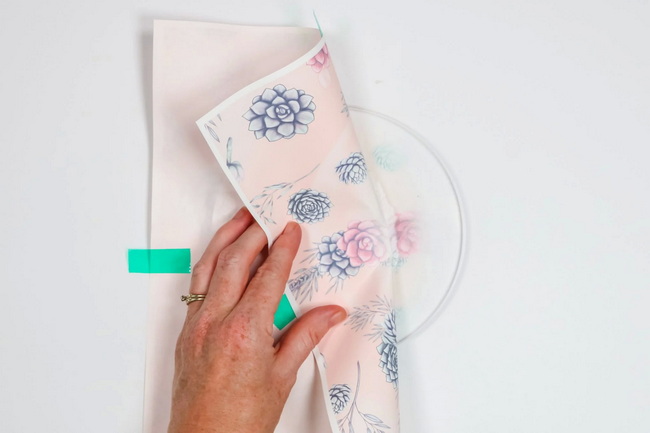
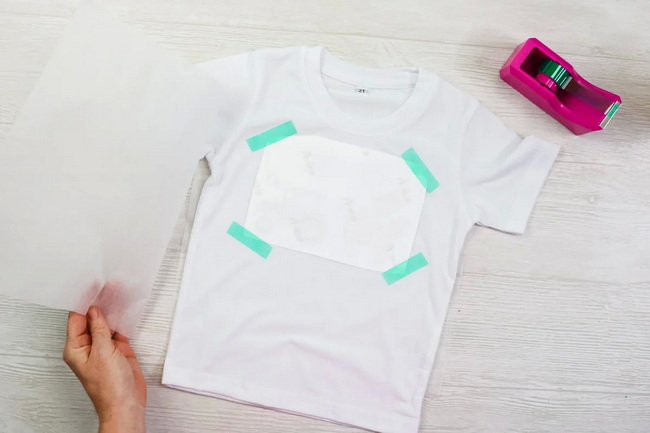
2. Apply small, evenly spaced strips of tape at the edges of the transfer so that the design cannot shift during pressing.
3. Avoid stacking multiple layers of tape in one spot, because this can create uneven thickness and lead to pressure marks.
1. Set the press to the recommended temperature, time, and pressure for the specific substrate and ink.
2. Ensure the blank is fully supported and that pressure is even across the entire design area before starting the press cycle.
1. After the press cycle, carefully remove the transfer paper and tape, usually while the blank is still warm but manageable.
2. Inspect the result for ghosting, incomplete transfer, or print defects, and record any adjustments you plan to make for the next run.
Small adjustments in technique often make the difference between inconsistent results and a dependable workflow. Incorporating these tips into your routine can significantly improve output quality.
- Use clear tape on bright or glossy blanks to minimize the visual impact of any tape that overlaps printed or visible areas.
- Apply only as much tape as needed to prevent shifting; excessive tape can increase the likelihood of marks along edges or overlaps.
- Stay within the tape's rated temperature; pushing far beyond its specification raises the risk of residue and visible discoloration.
- Perform test runs whenever you change tape brand, substrate, or press settings, and document the combination that gives you the best results.
For more complex processes, such as multi-layer transfers or combining sublimation with other decoration methods, testing each configuration helps you understand how tape interacts with the rest of the stack.
If you want more reliable, professional-looking results from your heat-transfer projects, the next step is to align your choice of heat-resistant tape with the presses and materials you already use. By standardizing one or two trusted tapes, documenting the time, temperature, and pressure settings that work best, and following a repeatable taping routine, you can reduce misprints, save materials, and streamline your workflow. Start now by reviewing your current tape, comparing it against the criteria in this guide, and upgrading to a high-quality heat-resistant tape that matches the way you craft or produce every day.
No. Painter's and masking tapes are not designed for high temperatures and can burn, curl, or leave adhesive residue that permanently stains blanks and ruins transfers. Heat-resistant tape is engineered specifically to avoid these issues under typical press conditions.
For most sublimation and HTV projects, look for a tape rating of at least 400°F so that it can safely handle standard press temperatures. If you plan to work at higher temperatures or with more demanding materials, choosing a tape with a higher maximum rating provides additional safety and stability.
Common causes include trapped air bubbles under the transfer, uneven pressure, pressing beyond the tape's rated temperature, or using low-quality tape. Reducing the amount of tape, ensuring firm and even contact, and switching to a higher-grade or clear tape usually helps reduce or eliminate visible marks.
For a typical wrap, a few evenly spaced strips are usually enough to prevent shifting without causing tape lines or ridges. Many users find that securing the seam and the top and bottom edges with small pieces of tape provides reliable alignment while keeping the taped area as small as practical.
Not necessarily. Higher-temperature industrial tapes can offer excellent stability, but they may be more expensive or stiffer than what is needed for everyday craft projects. For most home and small-studio applications, a good quality sublimation tape with an appropriate temperature rating provides a better balance of performance, flexibility, and cost.


