If you have any questions, please feel free to contact us.| Email Us: info@dcheatpress.com


Views: 222 Author: Amanda Publish Time: 2026-02-13 Origin: Site


Content Menu
● What Makes a Beginner‑Friendly Heat Press?
● Top Beginner Heat Press Styles and Who They Are For
>> 1. Manual Clamshell 15"×15": The Entry‑Level Workhorse
>> 2. Clamshell with Slide‑Out Drawer: Safer Handling and Easier Setup
>> 3. Auto‑Open 15"×15": Productivity Booster for Growing Beginners
>> 4. Small Swing‑Away Presses for Niche Products
● How to Choose the Right Beginner Heat Press: Step‑by‑Step
>> Step 1: Clarify Your Use Case
>> Step 2: Select a Suitable Platen Size
>> Step 3: Match Features to Your Production Volume
>> Step 4: Evaluate Build Quality and Support
● Comparison of Beginner Heat Press Styles
● Common Beginner Mistakes and How to Avoid Them
>> 1. Ignoring Recommended Time and Temperature Settings
>> 2. Uneven Pressure and Misalignment
>> 3. Over‑Pressing While Multitasking
● When to Work with a Professional Manufacturer Like COLORFUL
● Clear Action Steps for Beginners
● Take the Next Step with COLORFUL
● FAQs: Beginner Heat Press Machines
>> FAQ 1: What size heat press is best for beginners?
>> FAQ 2: Do I need an auto‑open heat press as a beginner?
>> FAQ 3: Can one heat press handle different materials like cotton, polyester, and blends?
>> FAQ 4: Are cheap heat presses good enough to start a business?
>> FAQ 5: When should I upgrade from a beginner press to industrial equipment?
If you are just starting your T‑shirt or custom merch business, choosing the right beginner heat press will decide whether you get crisp, durable prints or wasted blanks and ruined transfers. This upgraded guide explains the best beginner heat press options, how to choose the right size and features, and when a professional manufacturer like COLORFUL becomes valuable as your production grows.
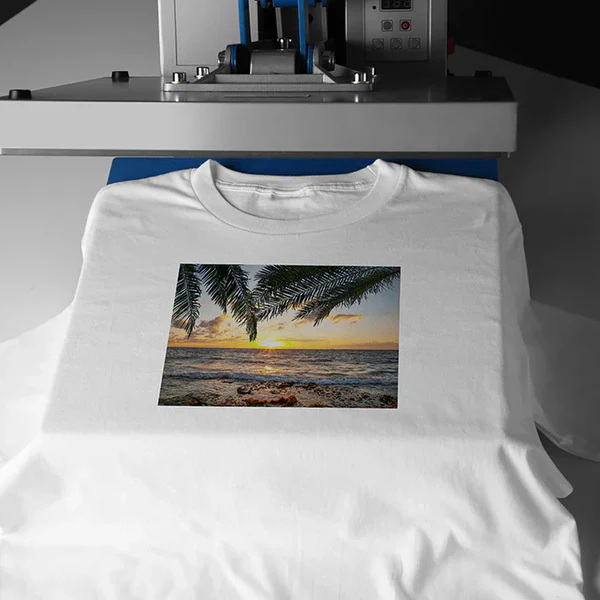
A true beginner heat press should be easy to learn, consistent in performance, and backed by reliable after‑sales support. Focusing on these fundamentals will help you avoid the most common early mistakes.
Key factors to evaluate:
- Budget: Set a realistic range based on whether you are a hobbyist, side‑hustler, or small business. Mid‑range pricing for 15"×15" manual machines usually offers the best quality‑to‑cost ratio for beginners.
- Size: For T‑shirts and hoodies, a 15"×15" platen is widely considered the most versatile starting point.
- Support and warranty: Look for at least a 1‑year warranty and responsive technical support so that beginners are not stuck when issues arise.
- Heat accuracy and pressure: Even temperature distribution and stable pressure are essential for durable transfers in HTV, DTF, and sublimation work.
- Safety features: Options such as slide‑out drawers, auto‑open lids, and auto‑shutoff significantly improve safety for new users.
For example, a beginner running 20–50 T‑shirts per week will usually do well with a manual 15"×15" clamshell press that has digital temperature and time control, plus a solid warranty.
Instead of focusing only on specific model names, it is more practical to look at machine styles that match different beginner profiles. This makes it easier to compare brands and upgrades later.
This is the classic “first heat press” for many creators and small apparel brands. It combines a friendly price point with enough capacity for serious work.
Best for:
- New T‑shirt businesses launching on Etsy, Shopify, or local markets
- Users upgrading from a household iron or small craft press
Core benefits:
- Lower purchase cost than advanced automatic machines while still producing professional‑quality garments with HTV, transfer paper, or DTF transfers.
- Simple manual operation that is easy to understand: set time and temperature, adjust pressure, press, and release.
- Compact footprint that fits home studios or small workshops.
Watch‑outs for beginners:
- You must open the press manually for every cycle, which can cause fatigue during long production runs.
- Hands work close to the heating element, so beginners must pay attention to avoid minor burns.
Many brands position this style as the entry‑level workhorse because it can start as your primary press and later become a reliable backup as your business grows.
For beginners who feel nervous working close to a hot platen, a slide‑out lower drawer makes handling much more comfortable.
Best for:
- Users who have experienced burnt knuckles with basic clamshell presses
- Crafters producing layered designs or precise placements such as chest logos or sleeve prints
Key advantages:
- The slide‑out lower platen pulls completely out from under the heating element, giving clear access to load garments and align transfers.
- Safer for new users because hands are no longer “inside” the hot press area during adjustments.
- Keeps the familiar clamshell action, so the learning curve remains gentle.
If your workflow involves frequent small adjustments to design placement, this style saves time and reduces stress compared to a fixed‑bed clamshell.
As soon as beginners start handling larger batches, manual opening becomes tiring and increases the risk of over‑pressing. Auto‑open presses solve that problem.
Best for:
- Side hustlers handling 50 or more pieces per session
- New businesses running two workstations or multitasking between weeding, packaging, and pressing
Why it matters:
- The press automatically opens when the timer hits zero, reducing the chance of scorching transfers because you were busy preparing the next garment.
- It cuts physical effort in half during long runs because you no longer need to repeatedly lift the press open.
- Some models combine auto‑open with slide‑out drawers, offering both safety and efficiency.
Important note: Never leave a heat press unattended, even if it has an auto‑open function. Auto‑open is designed for consistency and comfort, not for leaving hot equipment unsupervised.
Not every beginner focuses on standard T‑shirts. Some specialize in baby clothes, pet bandanas, keychains, or sublimation blanks such as coasters and ornaments.
For this type of user:
- A 9"×12" swing‑away press can be ideal, especially for compact workspaces or low‑volume hobby use.
- Swing‑away designs move the heating element completely off the platen, giving full overhead access and very even pressure on small or thicker items.
However, the smaller platen size is a limitation for adult T‑shirts. Aligning large designs requires more setup time and overhang management, which is less efficient once you move into business‑scale production.
This step‑by‑step framework will help you match a beginner heat press to your real‑world needs, instead of buying purely on price or brand reputation.
Ask yourself these questions before comparing models:
1. Are you printing mainly garments, or a mix of T‑shirts, caps, mugs, plates, and flat items
2. Are you a hobbyist, a side‑hustle seller, or planning a full‑time business
3. How many pieces do you realistically plan to press per week in the next 3–6 months
Your answers will influence the necessary machine size, style, and level of automation.
- For general T‑shirt printing, a 15"×15" platen is the most widely recommended starter size.
- For niche products only such as baby wear or small blanks, 9"×12" can be acceptable but will limit growth.
- If you foresee large designs or oversized garments, consider starting with a 16"×20" press.
Choosing the right size from the beginning makes it easier to grow without replacing equipment too soon.
- Up to about 30 pieces per session: a manual clamshell is usually enough.
- Around 30–100 pieces per session: consider an auto‑open press or at least a slide‑out drawer for comfort and consistency.
- Higher volume or multi‑product workflows: semi‑automatic or pneumatic presses and multi‑station setups become more attractive.
Think about not only what you press today but also how your workload might change in the next 12–24 months.
When comparing beginner presses from different suppliers, pay attention to:
- A solid frame and hinge mechanism that resists twisting
- Even heat distribution across the platen, verified by user feedback or temperature test strips
- Clear digital time and temperature controls that are easy to read
- Responsive customer support, documentation, and spare‑parts availability
Manufacturers like COLORFUL also emphasize strict quality control and international certifications, which are good indicators for long‑term reliability.
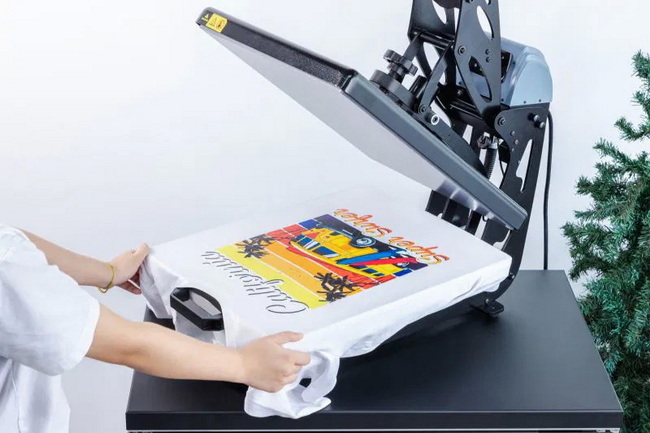
The following table summarizes typical beginner‑oriented configurations and where each style fits best.
| Beginner profile | Recommended style | Typical size | Key benefits | Main limitations |
|---|---|---|---|---|
| Hobby crafter, gifts only | Small swing‑away press | 9"×12" | Compact footprint, good for small blanks, lower cost. | Not efficient for adult T‑shirts, slower setup for large garments. |
| T‑shirt side hustle starter | Manual clamshell press | 15"×15" | Versatile, good entry price, simple operation. | Manual opening, hands close to heat, more fatigue over longer runs. |
| Safety‑first beginner | Clamshell with slide‑out drawer | 15"×15" | Safer loading, easier alignment, less risk of burns. | Slightly higher price than basic clamshell, still manual opening. |
| Batch production beginner | Auto‑open clamshell | 15"×15" | Reduces over‑pressing, cuts physical effort, better for 50+ pieces per session. | Higher cost, requires more workspace and still needs supervision. |
| Multi‑product creator | Combo or custom solution | 15"×15" plus dedicated units | Flexibility to handle garments, roll‑to‑roll fabrics, and specialty blanks with tailored machines. | Higher investment and more complex selection and setup. |
Even with a high‑quality machine, beginners often struggle because of process errors rather than hardware problems. Understanding these mistakes early can save time and material costs.
Every transfer type, including HTV, DTF, sublimation, and laser transfer paper, has specific time, temperature, and pressure ranges. Ignoring these guidelines leads to peeling, fading, or scorched fabrics.
How to avoid it:
- Always follow the transfer supplier’s instructions first.
- Use test presses on scrap fabric or misprints to fine‑tune settings before large runs.
If pressure is too light, designs may not bond properly. If it is too heavy, the fabric may scorch or the fibers may flatten, leaving a visible press mark.
How to avoid it:
- Adjust the pressure knob or pneumatic settings until you feel firm but controlled resistance when closing the press.
- Use simple alignment tools such as T‑shirt rulers, center guides, or the folded‑shirt method for consistent positioning.
Beginners who try to weed, answer messages, and press at the same time often let the press run too long. Over‑pressing causes discoloration, gloss marks, and wasted transfers.
How to avoid it:
- Auto‑open presses reduce this risk by releasing when the timer reaches zero.
- For manual presses, use a loud timer and dedicate specific blocks of time only to pressing.
The cheapest option can be tempting but may lack stable temperature control, consistent pressure, or real support when something goes wrong.
How to avoid it:
- Balance cost with warranty terms, build quality, and the seller’s track record in heat transfer equipment.
- Consider whether the machine can grow with your volume and product range over the next few years.
As your beginner setup grows into a more demanding production environment, working directly with a specialist manufacturer can give you more control and flexibility than buying small tabletop presses only.
COLORFUL focuses on high‑quality heat transfer equipment, including heat press machines, sublimation machines, roll‑to‑roll presses, and advanced textile fusing machines. The company supports customized orders, small batches, OEM, and ODM projects to match specific client requirements.
Typical situations where a professional manufacturer becomes important:
- You want to move from manual 15"×15" presses to larger flatbed or dual‑station machines for higher throughput.
- You plan to expand into roll‑to‑roll production for sportswear, flags, or home textiles.
- You need specialized solutions for garments such as jeans, underwear, or laminated fabrics that require controlled pressure and temperature across wide surfaces.
With an in‑house R&D center, strict quality control, and international certifications, COLORFUL is positioned to support growing businesses that need equipment configured around their exact materials and workflows.
To guide readers from information to implementation, present a concise set of action steps they can follow immediately.
1. Define your printing goal: hobby, side hustle, or full‑time business, and estimate your weekly production volume.
2. Choose your size: start with 15"×15" for T‑shirts, or consider larger or custom formats if you plan industrial or wide‑format work.
3. Pick a style: manual clamshell, drawer‑style, auto‑open, or swing‑away, based on your safety preferences and productivity needs.
4. Shortlist two or three models that meet your budget, warranty expectations, and support requirements.
5. Talk to a specialist if you are unsure, especially if you plan to handle mixed materials or higher volumes in the near future.
Now that you understand how to choose the best beginner heat press and which styles match different growth stages, the next step is to match that knowledge with the right equipment partner. If you are ready to move beyond entry‑level hobby gear and want reliable, customizable heat transfer solutions, contact COLORFUL to discuss T‑shirt heat presses, roller heat presses, and textile fusing machines that can scale with your business. Their professional team can help you choose or customize a machine configuration that fits your current workflow while leaving room for future expansion.
Contact us to get more information!
For most beginners focused on T‑shirts and hoodies, a 15"×15" heat press offers the best balance of versatility, cost, and workspace requirements. It comfortably handles standard adult garments and many youth sizes without taking up excessive room.
You do not need an auto‑open machine to start, but it becomes very helpful once you handle medium to large batches. Auto‑open presses reduce over‑pressing risk and operator fatigue, which improves consistency when you are pressing many items in a row.
Most quality heat presses can work with different fabrics as long as you adjust time, temperature, and pressure to match each material and transfer type. Always follow the recommendations from your transfer supplier and run small tests before full production.
Very low‑cost heat presses can be suitable for small hobby projects, but they may not deliver the consistency required for a reliable business. For serious beginners, it is wiser to prioritize stable heat, even pressure, and dependable support rather than choosing purely on price.
Consider upgrading when your order volume, product range, or fabric width exceeds what a single 15"×15" press can handle efficiently. This is also the right time to explore industrial solutions such as dual‑station, roll‑to‑roll, or large‑format presses from professional manufacturers like COLORFUL, who can configure equipment around your specific production needs.
1. https://www.heatpressnation.com/blogs/blog/best-heat-press-machines
2. https://dtfprintco.com/top-5-heat-press-machines-for-beginners/
3. https://www.allprintheads.com/blogs/news/heatpress-buyers-guide
4. https://www.vevor.com/diy-ideas/best-heat-press-machine/
5. https://www.vevor.com/diy-ideas/how-to-use-a-heat-press-machine/
6. https://www.dcsbheatpress.com
7. https://www.dcsbheatpress.com/heat-press-machine-101-the-complete-2026-beginner-s-guide.html


