If you have any questions, please feel free to contact us.| Email Us: info@dcheatpress.com


Views: 222 Author: Amanda Publish Time: 2025-12-21 Origin: Site


Content Menu
● Why Heat Press Size Matters for T-Shirt Businesses
● Overview of Common Heat Press Sizes
>> Extra-Small Heat Presses (Label and Detail Work)
>> Small Heat Presses (Entry-Level and Craft Sizes)
>> Standard Heat Press Sizes (Core Production Range)
>> Standard Large Heat Presses (Most Popular Business Choice)
>> Extra-Large Heat Presses (Specialty and Industrial Work)
● Choosing Between 15"×15" and 16"×20"
>> Practical Differences in Daily Use
>> Which Size Fits Your Business Model?
● Step-by-Step Method to Choose Your Heat Press Size
>> Step 1: Define Your Product Range and Design Style
>> Step 2: Identify Your Largest Regular Print Area
>> Step 3: Balance Space, Power, and Workflow
>> Step 4: Plan for Multiple Platen Sizes
>> Step 5: Decide When to Add a Second Heat Press
● How Different Heat Press Sizes Fit Typical Use Cases
>> Matching Size to Application Category
>> Using Multiple Sizes in One Production Workflow
● Practical Tips for Design and Placement by Size
>> Setting Consistent Design Dimensions
>> Using Placement Guides for Faster, Safer Operation
● Turn Sizing Knowledge into Profitable Production
● FAQ: Heat Press Sizes for T-Shirt Printing
>> 1. What is the minimum practical heat press size for adult t-shirts?
>> 2. Can a small craft-size press support a real t-shirt business?
>> 3. When does it make sense to invest in an extra-large heat press?
>> 4. Does a larger heat press always mean higher print quality?
>> 5. Is it better to buy one large press or two different sizes?
Choosing the right heat press size for t-shirt printing is one of the most important decisions for any custom apparel business, from home-based startups to growing print shops. The correct platen size directly influences your print area, product range, production speed, and long-term scalability.
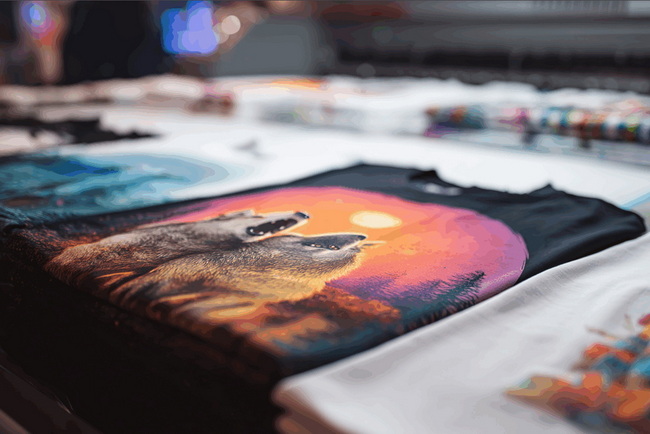
A heat press applies controlled time, temperature, and pressure to permanently bond transfers such as DTF, sublimation, HTV, and screen-printed transfers onto garments. While many buyers focus on price or automation, platen dimensions determine what you can realistically produce on a daily basis.
The right size press helps you:
- Cover full front and back designs on popular adult sizes without awkward repositioning.
- Serve a broader range of garments, from kids and women's tees to oversized streetwear.
- Maintain consistent quality, accurate placement, and efficient workflows across different order sizes.
Extra-small presses usually range from about 4"×4" up to around 6"×8" and are used for small, localized applications. These compact platens are not intended for full-size t-shirt graphics but are extremely useful in a professional setup.
They are ideal for:
- Inside neck labels and branding tags on fashion and retail garments
- Left-chest logos on uniforms, polos, and workwear
- Sleeves, baby clothing, socks, caps, and other compact products
Small presses generally include sizes around 9"×12", 11"×15", 12"×15", and 14"×16", and are popular among crafters and very small startups. These machines can handle basic t-shirt designs, especially smaller front prints and youth garments, but they do impose limits on maximum design size.
They are best suited for:
- A4 transfers and modest front graphics
- Low-volume production or occasional event printing
- Users with very limited space and budget
For serious t-shirt production, standard platens around 15"×15" and 16"×16" form the backbone of many small businesses. These sizes provide a comfortable working area for full-front designs on common adult sizes without making the machine excessively large or difficult to install.
Benefits include:
- Adequate coverage for most front and many back prints
- Higher wattage and more stable heating than typical hobby-grade presses
- Solid balance between footprint, capacity, and investment
Among all sizes, mid-large platens such as approximately 15"×15" and 16"×20" have become the most widely recommended for commercial t-shirt operations. They are large enough to handle full front and back prints on mainstream adult and plus sizes, while still fitting into most small workshops.
These presses help you:
- Print larger graphics, tall designs, and sports numbering with fewer compromises
- Use larger transfer sheets efficiently for faster production
- Reduce the need for repositioning or splitting artwork into multiple presses
Extra-large presses, typically starting around 18"×20" and extending to very large industrial formats, serve niche but fast-growing segments of the apparel market. They are particularly relevant for oversized fashion, cut-and-sew production, and wide-format sublimation.
They are most appropriate when you:
- Regularly print on XXL–5XL garments or all-over and edge-to-edge designs
- Produce large panels for sportswear, home décor textiles, or soft signage
- Have the space, power, and volume to justify industrial-grade equipment
Both 15"×15" and 16"×20" are widely recognized as core business sizes for t-shirt printing. In practical production, the difference in coverage between them can decide whether certain large backs or fashion pieces are easy or awkward to print.
A 15"×15" press typically:
- Handles standard front prints on adult tees up to around XL comfortably
- Can manage some back prints but may feel tight on oversized designs
- Takes up less bench space and is easier to fit into home studios
A 16"×20" press typically:
- Offers extra room for full backs, tall prints, and plus-size garments
- Provides more freedom in transfer placement and alignment
- Requires more space and higher initial investment, but scales better with growth
When deciding between these two popular sizes, focus less on the numeric difference and more on how you actually work. Think about your main product catalog, target customers, and how you expect your orders to evolve over the next few years.
A press closer to 15"×15" is usually right if you:
- Run a home-based micro-brand or side business
- Focus on standard adult sizes, kids' apparel, and smaller front designs
- Are testing the market before committing to heavier equipment
A press closer to 16"×20" is usually better if you:
- Intend to grow a full-time business or print for other brands and teams
- Regularly supply plus-size garments, tall fits, big graphics, or sportswear
- Want more flexibility to respond to fashion trends that favor larger prints

Start by listing what you actually sell or plan to sell in the next 6–18 months. Be specific about garments, sizes, and the visual style of your designs.
Key questions to answer:
1. What percentage of your orders involve kids, women's, standard men's, and plus sizes?
2. Are your designs mainly text-based, logo-driven, or predominantly large artwork?
3. Do you plan to add hoodies, sweatshirts, or other thicker garments soon?
Use your design style to define the largest print area you need to handle reliably, not the maximum you may ever do once. A platen should give enough clearance around the design for easy positioning and consistent pressure.
Actions to take:
- Measure your biggest recurring artwork (height and width).
- Add a safety margin of at least several centimeters or around 1–2 inches on each side.
- Check whether that adjusted size comfortably fits on each candidate platen.
Even if a larger platen looks attractive on paper, it must fit into your real workspace and power conditions. Ignoring these practicalities is a common beginner mistake.
Consider:
- Bench depth and clearance for swing-away or slide-out designs
- Operator movement around the press and access to hot surfaces
- Your electrical circuit's ability to support the wattage safely
Instead of buying separate machines for every niche, many businesses now prefer presses that support interchangeable or modular platens. With one base machine and several platens, you can adapt to different product lines while minimizing capital expenditure.
Typical platen combinations:
- Narrow platens for sleeves, legs, and narrow children's garments
- Medium platens for women's fitted tees and small adults
- Large platens for oversized t-shirts, hoodies, and sweatshirts
As order volume grows, relying on a single press can become a bottleneck. At that stage, adding a second machine of the same or complementary size can transform your throughput and lead times.
A common upgrade path is:
1. Start with a versatile mid-large press.
2. Add a smaller unit dedicated to labels, logos, or youth apparel.
3. Then consider an extra-large machine if you move into specialty or industrial markets.
Each platen category naturally aligns with particular kinds of work. Mapping your catalogue to these categories clarifies which size delivers the best return on investment.
- Extra-small platens excel at branding details and intricate positioning tasks.
- Small presses are acceptable for lighter workloads and compact designs.
- Standard sizes form the backbone of everyday t-shirt production.
- Large and extra-large presses unlock higher-value, more complex products.
In mature shops, it is common to see multiple presses working together rather than one oversized machine doing everything. This arrangement improves task specialization and reduces changeover time.
Typical pattern:
- One larger press dedicated to large front and back graphics
- One smaller or extra-small unit dedicated to labels, logo hits, and add-ons
- Shared tools nearby, such as layout guides and sizing charts, to standardize placement
To use any platen effectively, define standard design width ranges for each garment size bracket. This improves brand consistency and speeds up decision-making during artwork preparation.
Useful guidelines include:
- Youth t-shirts: generally smaller widths for both front and back designs
- Adult core sizes: moderate widths that balance impact and readability
- Plus-size or oversized fashion: larger prints where platen size allows
Fixed placement rules ensure your designs consistently sit where customers expect them on the garment. Simple measurement routines often make more difference than additional automation.
Examples of helpful habits:
- Always measure from the collar seam for centered front prints
- Use repeatable distances from shoulder or centerline for left-chest logos
- Keep a printed quick-reference sheet of measurements at each workstation
Selecting the correct heat press size is not just a technical choice; it defines what you can offer, how fast you can produce, and how far your brand can grow. Now that you understand how different platen sizes affect design flexibility, workflow, and scalability, it is time to align your next equipment decision with your real business goals.
If you are planning to launch or upgrade your t-shirt printing setup, review your core product range, identify your largest recurring print size, and choose the press size that will still fit your needs three to five years from now, not just for your next order. Then take action: refine your sizing strategy, update your internal placement standards, and invest in a heat press configuration that turns every square inch of platen space into reliable profit for your apparel brand.
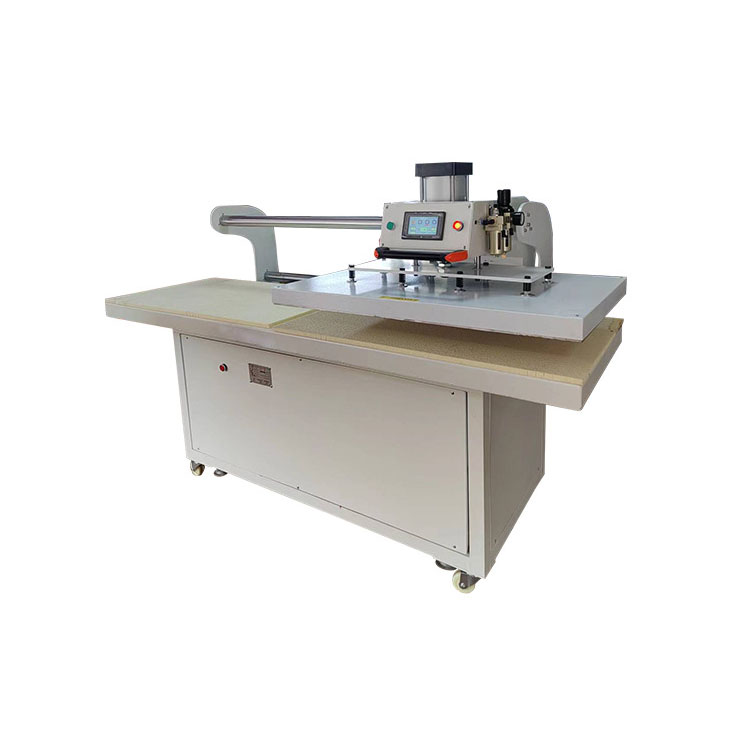
A mid-range standard size is generally regarded as the minimum practical option for consistently printing adult t-shirts, because it provides enough area for full front graphics on most sizes without constant repositioning. Presses much smaller than this often feel restrictive once orders increase.
A small craft-size press can be used to validate an idea, serve very small runs, or focus on kids and compact designs, but it will eventually limit the kinds of products and print areas you can offer. As volume and design complexity grow, most shops move to larger, more capable platens.
An extra-large heat press becomes attractive when a meaningful share of your revenue comes from oversized garments, all-over prints, textile panels, or other applications that cannot be handled efficiently by standard platens. At that stage, the added capacity and capability can justify the cost, space, and power requirements.
A larger press increases potential coverage, but print quality still depends on even heating, accurate temperature control, stable pressure, and correct application settings for each transfer type. A well-engineered mid-sized press will outperform a poorly built larger machine in terms of consistency and durability.
For many businesses, starting with a versatile mid-large press and then adding a second, complementary size once demand justifies it offers an effective balance between flexibility and cost. This staged approach allows you to grow capacity with real orders instead of guessing your final configuration from day one.


